

The Best Time To Eat Protein For A Workout

While it's both common and beneficial to consume protein after exercising, research suggests that there's more than one optimal time for protein intake around a workout. Experts Dr. Kezia Joy, a registered dietitian nutritionist and medical advisor with Welzo, and Emily Mitchell, a registered dietician with Love.Life, explain that it's best to have protein both before and after a workout.
"Eating protein before a workout helps in reducing muscle breakdown and provides you with the endurance needed to complete longer or resistance-based training sessions," says Dr. Joy. She adds that consuming a moderate-sized meal of easily digestible protein and carbohydrates, such as 1 cup of cooked oatmeal with a scoop of protein powder, ½ a banana, and protein-packed flaxseeds one to two hours before a workout allows the body enough time to digest while still providing muscles with necessary amino acids and energy from the carbohydrates. For a smaller pre-workout meal or snack, like a tasty, fruit-sweetened Greek yogurt bowl with granola, Mitchell recommends eating 30 to 60 minutes before working out.
"For most people, consuming protein immediately after their workout is a good practice," says Dr. Joy. "In addition to supporting recovery by replenishing protein stores, combining carbohydrates with the protein will help restore your body's energy stores." After working out, your muscles are primed to soak up amino acids, which will also help strengthen, repair, and aid their recovery. As for what kinds of protein, Mitchell recommends two: "Whey or soy isolate for fast absorption, or plant-based whole-food options, like tempeh, lentils, or quinoa." These are known for being fast-absorbing and rich in leucine — an amino acid essential for muscle protein synthesis. Other high-quality post-work protein sources include eggs, dairy, fish, poultry, or other soy products.
Protein throughout the day matters just as much (maybe even more)
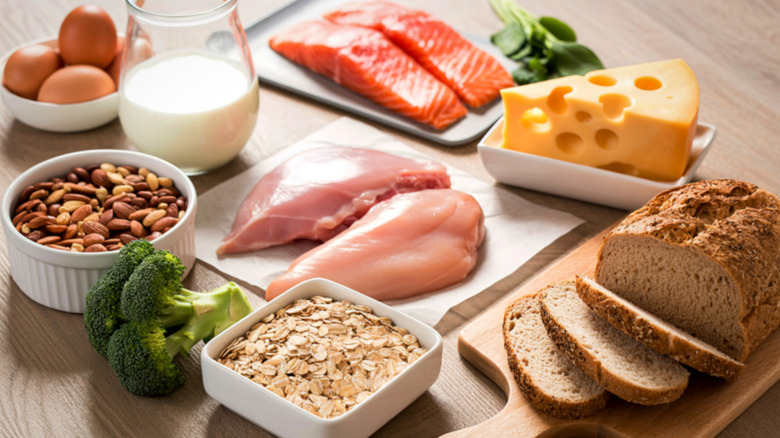
Although timing protein intake around a workout is important for muscle repair and recovery, overall daily protein intake may be more important for long-term muscle support. Emily Mitchell suggests distributing your personal daily protein goal across three main meals throughout the day (and not waiting until dinner for your biggest meal) or five smaller meals. The amount of protein, carbs, and fat you need each day depends on personal factors like age, height, and fitness goals.
You can calculate your daily protein goal by multiplying 0.8 grams per kilogram of body weight. However, intake may increase to 1.2 to 1.6 grams per kilogram for older adults over 50 years of age, and from 1.4 to 2.3 grams per kilogram for highly active adults or those trying to lose weight. For example, an active adult weighing 68 kilograms (150 pounds) would need around 108 grams of protein per day — roughly 30 to 35 grams across three meals, or about 22 grams of protein across five smaller meals.
Dr. Kezia Joy also notes that carbs shouldn't be forgotten about when fueling before a workout and replenishing afterward. The amount of carbs needed pre- and post-workout depend on level of intensity, duration, and goals. A range of 0.5 to 1.0 grams per kilogram of body weight is generally sufficient, but higher amounts may be necessary for endurance-based training. And make sure fats are also part of this plan, either as part your meal or in snacks around exercise. This will help prevent sluggishness but still keep you feeling satisfied.