

11 Mediterranean Food Staples To Always Keep In Your Pantry

Stuck in a rut, with your pantry staring back at you, and feeling stale? Why not look to the Mediterranean for inspiration? Beloved for its trademark bold flavors, simple ingredients, and sustaining meals, Mediterranean cuisine is all about focusing on the main ingredients of the dish and letting them shine, versus other ways of eating that pile on sauces and toppings. Not only is that simplicity healthier, but it also makes cooking and baking Mediterranean cuisine that much easier.
Armed with just a few pantry essentials, you can make a myriad of Mediterranean-inspired dishes. Think comforting soups, vibrantly arranged salads, even mezzo spreads and hearty grain bowls to boot. The keys to this simple yet exotic fare can be found on nearly every menu throughout the Mediterranean (Greece, Italy, Spain, North Africa, the list goes on). From sprinkling protein-rich chickpeas on a vibrant salad to roasting veggies in extra virgin olive oil, or slathering hummus as your next spread on everything from whole-grain bread to carrots, the Mediterranean way makes it possible to eat well and taste delicious.
Mediterranean pantry staples are the core superheroes, practical and long-lasting, and versatile beyond belief. In this article, we'll be breaking down 11 Mediterranean food staples worth keeping stocked at all times. Once these treasures become part of your regular menu rotation, you'll always be just a few ingredients away from a fresh, satisfying meal (no complicated recipes required, but we will share some simple ones just for good measure).
1. Extra virgin olive oil
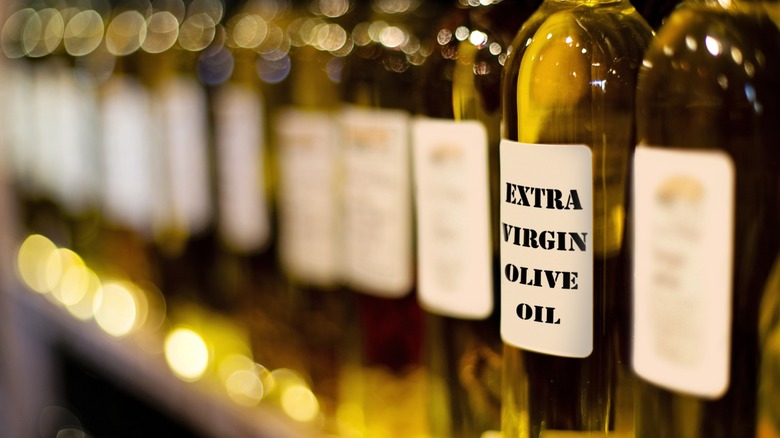
You've likely heard the hype about extra virgin olive oil (EVOO). If you're wondering if it differs from other cooking oils, it absolutely does, which is why you should always have some in your pantry. In fact, if the Mediterranean diet had awards, extra virgin olive oil would win top prize recognitions across all categories. Not just a fat used for cooking purposes, extra virgin olive oil is the cornerstone of the entire Mediterranean diet and is seen as the key ingredient in countless recipes.
Unlike vegetable oils, which have been heavily refined, extra virgin olive oil is created without chemical processing. This means that it's able to retain far more of its natural vitamins, minerals, antioxidants, and, of course, flavor. Apart from the fantastic taste, extra virgin olive oil is a health powerhouse. It is resistant to oxidation, which makes it more stable, and an ideal pick for use in everyday meals. It also delivers calories that satisfy and help to curb hunger. On a caloric scale, that's a total win.
EVOO first gained recognition across the globe when researchers began noting a significantly lower heart disease rate in individuals living in Mediterranean countries, such as Greece and Italy, when compared to those in the US. That is actually the discovery that really helped form what we now know as the Mediterranean diet. Simply put, it's a specific way of eating that is based around plant foods, modest portions, and generous drizzles of extra virgin olive oil at nearly every meal.
2. Dried legumes
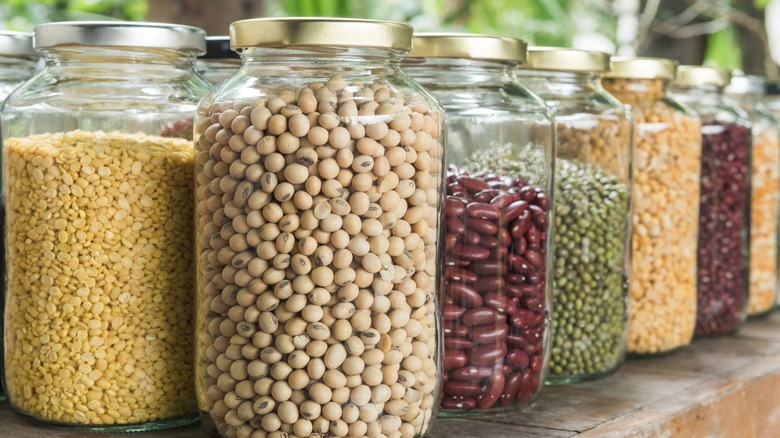
Often seen as the backbone of Mediterranean pantry staples, dried legumes provide serious staying power when served up. The list of their key benefits is delightfully long, including being high fiber, low fat, plant-based proteins with a long shelf-life. These superstar staples have been relied upon in Mediterranean cuisine for ages, the most common being pulses like lentils, beans, and chickpeas.
Not only are they affordable, but they also bring a ton of nourishment to the table. They are also very versatile. Everything from wholesome lentil soups to creamy hummus and roasted chickpeas can be made with legumes in a snap. And every meal you make with them provides epic levels of essential minerals: Think magnesium, folic acid, zinc, potassium, as well as complex carbohydrates that are known to release energy slowly, thus aiding in blood sugar stabilization, keeping you fuller longer. In fact, it's this low glycemic index that poises them in particularly good standing to support a balanced eating approach.
Regularly consuming dried legumes has proven its power in the Mediterranean diet, with them being linked to lowered risks of everything from heart disease to type 2 diabetes, and even obesity and high blood pressure. They also champion a healthy gut, thanks to their encouraging microbial diversity and inflammation-reducing properties.
3. Whole grains (farro, bulgur, couscous)
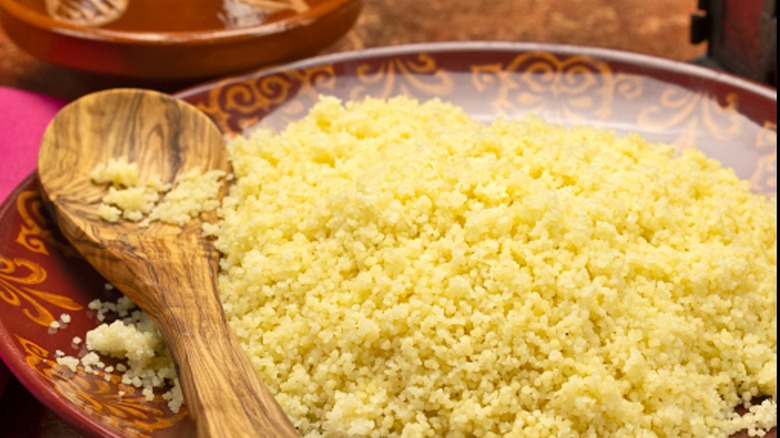
Whole grains are like the supporting characters in Mediterranean cuisine, where they may not get all the attention, but they are doing the work behind the scenes that makes the entire production shine. Unlike their refined grain counterparts, whole grains are less processed, which allows them to retain their bran, germ, and endosperm. This may sound like gibberish and not mean much to you until you realize that, in basic layman's terms, it simply means that they maintain more fiber and nutrients to deliver to your plate, which, in turn, provides a far more satisfying and sustainable serving.
Mainstay whole grains of the Mediterranean diet, such as farro, bulgur, and couscous, are particularly preferred thanks to their quick and easy cooking and storing, and the high versatility that allows them to be incorporated into many dishes. For those unfamiliar, farro is an old grain related to wheat that is high in protein and fiber. It provides a chewy nuttiness to whatever you place it in, be it grain bowls, soups, salads, and more.
One of your other options, bulgar, is a parboiled wheat grain that you've probably seen in the Mediterranean favorite, tabbouleh, perhaps without realizing it. Then there's couscous, a teeny pasta that hails from North Africa, known for supplying a stellar base for stews and roasted veggies, and more.
4. Honey
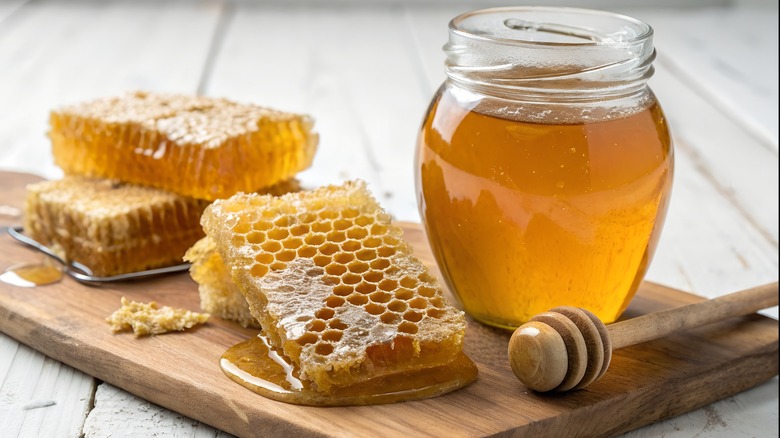
Way before refined sugar became common currency in recipes, honey has been the natural sweetener the Mediterranean region relied upon. Beyond its sweet taste, it was also prized during ancient times for its healing properties. One fact that is pretty extraordinary about honey is that there are so many different kinds. Depending on what type of flowers bees frequent, your honey will range widely in both hue and flavor. It is a little like wine that way, with nuances and notes of floral and earthy running the gamut.
We mentioned that honey has been used as a natural sweetener for so long, and a fun fact is that it is actually even sweeter than sugar. This means that just a dollop of honey can stretch far, which is ideal for the Mediterranean diet, which is all about balance. Honey is a key staple, but is always used sparingly in the Mediterranean diet. You will see it added to everything from teas to desserts, and even dressings, marinades, and more.
Honey is also far superior to sugar in that it provides far more nutritional benefits. Unlike sugars, which often bring empty calories to the table, honey provides small amounts of vital minerals, such as magnesium, calcium, potassium, and even antioxidants. As such, it aids in digestion, fights inflammation, and even soothes sore throats. It is a sweet source of wonder, but must be used moderately to stay on "this side" of the health aisle.
5. Canned fish (mainly sardines or anchovies)
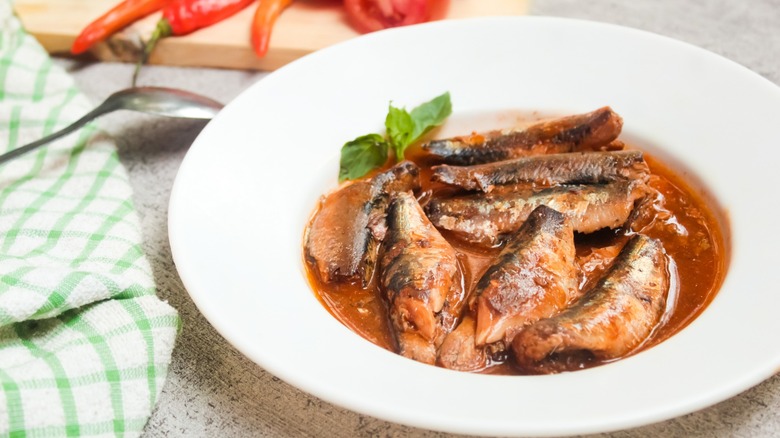
Canned fish is the highly underrated Mediterranean pantry staple that packs a serious punch. Sardines and anchovies are particularly seen in Mediterranean diet dishes, both delivering a treasure trove of nutrition. The best part? No refrigeration is required. Tiny and unassuming, these tiny canned fish provide everything from essential omega-3 fatty acids, high-quality protein, vitamin B12, calcium, and vitamin D. Sardines especially deserve far more praise than they receive. Among the most nutrient-dense items on this list, these canned fish offer up more omega-3s per serving than many larger fish.
Another fact that might surprise you, due to their bones being edible, sardines are also an excellent way to up your calcium naturally, thus supporting bone health and aiding heart and brain function. Even though they are tiny in size, the flavor anchovies bring is big and bold, and when added to sauces, dressings, pastas, and more, the difference is dynamic.
Much like the other items on this list, canned fish is easily incorporated into Mediterranean meals (where fish protein is regularly eaten as a replacement for red meat). The benefits keep going, as compared to fresh fish (which can sure be pricey), canned fish are far more economical, as well as being shelf-stable. You can also make so many things from them. For instance, check out how to air fry sardines, or try pairing tinned fish with fried rice to add an umami twist.
6. Cured olives
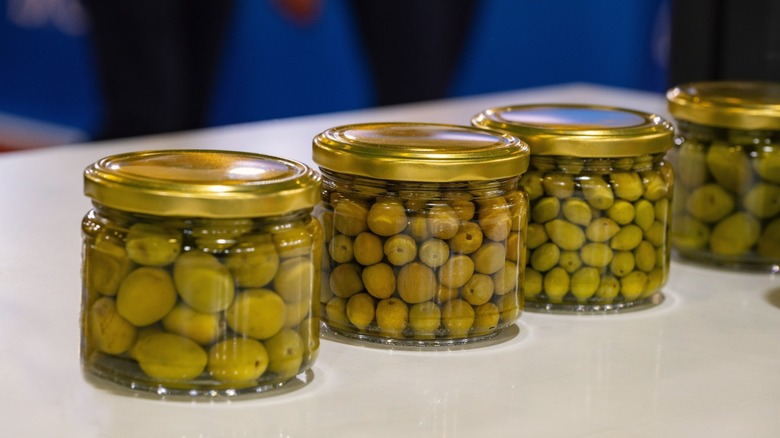
Often, the very first item one thinks of regarding Mediterranean cuisine is the mighty olive. Highly versatile, it can be sprinkled on salads, spread generously over a pizza pie, ground into a tapenade, and much more. For pantry purposes, look for olives that are cured in salt or brine (sometimes oil, too), which will ensure a long "life" on the shelf until it's time to make your desired dish shine.
When plucked right off the tree, olives are extremely bitter. What makes the difference here is the curing process, which transforms them into salty, wondrous treasures suitable for myriad Mediterranean meals. In fact, the olive has become an integral ingredient to Mediterranean cuisine, not just for its unique, briny taste, but also for the health benefits it brings. For instance, olives provide a wealth of healthy monounsaturated fats (especially oleic acid, which aids in heart health by helping manage cholesterol). Olives also offer an abundance of antioxidants (think polyphenols and vitamin E), which help battle against both oxidative stress and inflammation. Among the oldest fermented foods around, olives also provide "good" bacteria that support gut health.
Not sure how to incorporate these magic nuggets into the menu? Try adding them to pasta, grain bowls, roasted veggies, even cheese boards, and more. You can even scatter them over hummus as a gorgeously delicious garnish, or simply head straight to the source and snack on these little salty beauties solo.
7. Sun-dried tomatoes
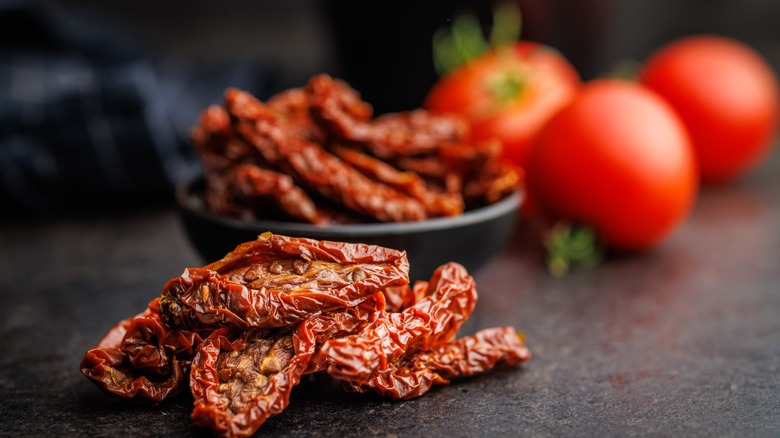
Sun-dried tomatoes are impressive on many levels, the most being the sheer sorcery of their somehow being able to bring summer to our plates, no matter what time of year. Created by dehydrating fresh tomatoes at the height of their prime, our ancestors thought up this preservation method, much to our dining pleasure. When they are dehydrated, the tomatoes' natural sweetness only intensifies, which results in an incredibly potent taste. Also potent are the ingredients that the dehydration process manages to lock in.
Once dehydrated, sun-dried tomatoes are deeply savory, making them an excellent addition to everything from pasta to salads, sauces, and more. Apart from bringing some amazing tastes to the table, sun-dried tomatoes also serve up some super-strength nutrients. For instance, these cheery red gems are chock-full of iron, potassium, and fiber, as well as vitamin C and vitamin K. They even boast good levels of antioxidants, like lycopene, which has been reported to help prevent oxidative stress and chronic disease. Also, a part of their charge forward to greater health? The fact that they aid in digestion and heart health, and even help keep inflammation in check.
Mediterranean meals incorporate sun-dried tomatoes effortlessly, elevating simple dishes with just a sprinkle. Use them in couscous, spreads, and even grain bowls. The texture (chewy in nature) is satisfying and hearty, and the flavor concentration achieved from the dehydration process really packs a punch.
8. Capers
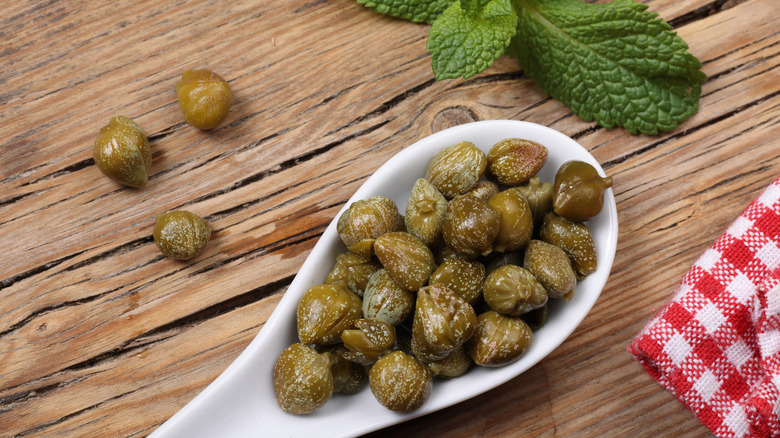
To have a conversation about capers, it's important to first learn what they are. They are unripe flower buds, which are hand-harvested from Mediterranean bushes, then dried in the sun before being preserved in salt or brine. It's this specific preserving process that provides capers with their specific tangy saltiness, which just so happens to instantly elevate any sauce, salad, seafood, or pasta dish you toss them in.
Capers, being fat-free and naturally low in carbs, also launch them to the top of the Mediterranean shelf-staples list. And the fact that they are loaded with antioxidants (like quercetin and flavonoids)? That explains their incredible anti-inflammatory magic. Capers range in size, from small peppercorn-like buds to bigger pea-sized ones, each of which provides varying layers of potency.
As for how to enhance Mediterranean meals with these tiny treasures? That's easy. Simply toss them in (or on) anything that would benefit from their starkly salty and acidic flavor profile. Capers are sharp and intense, which creates the perfect complement for far more staid creamy cheeses, whole grains, dressings, and more. You can even add them to the Mediterranean's favorite meat (fish). To get started, maybe look to capers as that ideal salty addition to your next vinaigrette.
9. Fresh garlic
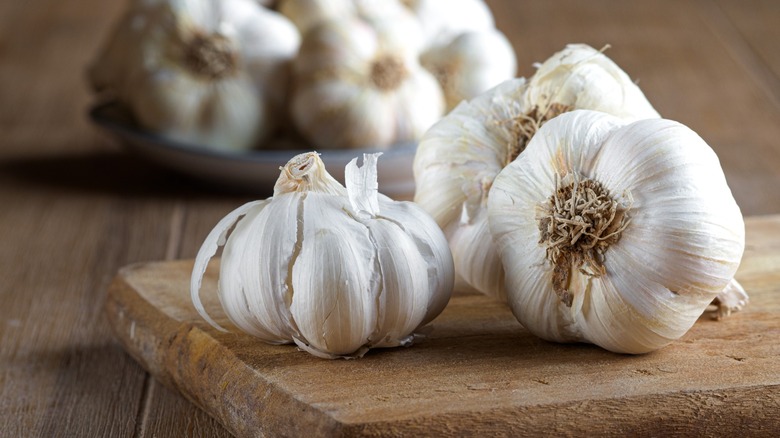
Its botanical name is a complicated mouthful (Allium sativum), but garlic in its purest form is beautifully simple. In fact, garlic is among the core ingredients that carry Mediterranean meals. From Greece to Italy, Spain, Turkey, and beyond, garlic forms the foundational flavor that makes dishes dynamic. Apart from the immense flavor garlic brings to the table, it also carries immense cultural importance. For instance, in the Greek islands, locals (known to live long lives) swear by garlic as not only being delicious, but also being edible medicine of sorts. Residents will brew garlic into herbal infusions (with other things like honey and sage) to keep colds at bay, and that's just one isolated instance. The list goes on.
And the Greeks must be onto something, as modern science even seems to back up these claims. Specifically, garlic holds bioactive compounds (polyphenols, flavonoids, and sulfur-based antioxidants) that aid in immune health and regulate blood pressure. Also reported? The fact that those who make garlic a normal part of the recurring menu tend to benefit from reduced inflammation and better metabolism.
When stored properly at room temp, fresh garlic cloves can last for a week (maybe even months) in the pantry. And when you are ready to whip them out and cook like crazy, you could try any of these garlic recipes, or really surprise yourself with unexpected ways to use garlic.
10. Nuts
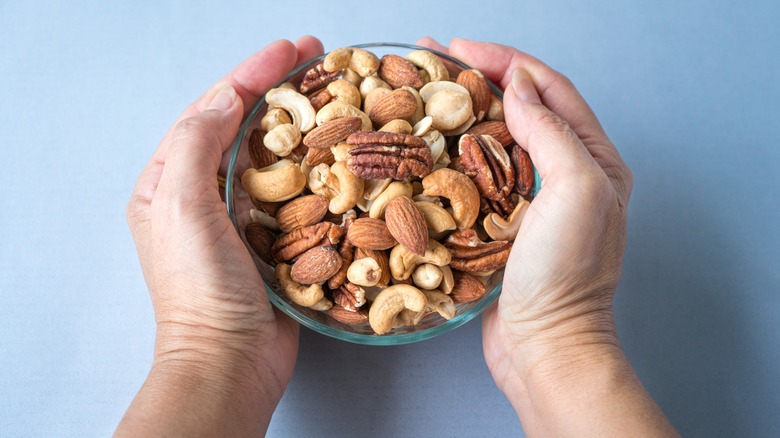
Before the world was inundated with protein powder supplements, bars, and other ultra-processed offerings, Mediterranean folks reached for nuts to power them through their days. From almonds to walnuts, hazelnuts, pistachios, pine nuts, chestnuts, and more, these have all brought plant-based protein, lasting energy, and healthy fats to the table, particularly when meat was not the main staple.
Depending on which nut you choose, a wealth of different benefits awaits. Almonds bring calcium and antioxidants to the mix. Walnuts boast omega-3 fatty acids. Pistachios? They are all about colorful carotenoids. As for pine nuts, they are uncanny in the amount of protein they provide, all from their tiny-sized orbs. Chestnuts (those nuts often seen only at Christmastime) were actually once among the top carb choices in mountainous Mediterranean villages, most often served roasted over open fires, or folded into savory dishes.
They are also infused with the "good" fats (monounsaturated and polyunsaturated fats), which are known to aid in keeping cholesterol in check and promote cardiovascular health as well. The amounts of vitamin E, zinc, magnesium, fiber, and plant-based antioxidants also reveal the nutrient wonders nuts are. And while they are calorie-dense, this density helps in satiety, keeping you fuller longer, which means you are free to power through your day without fear of bonking prematurely. When you are ready to incorporate nuts into your menu, maybe start off with this tried-and-true recipe, which features an easy way to toast nuts in the air fryer.
11. Dried fruit
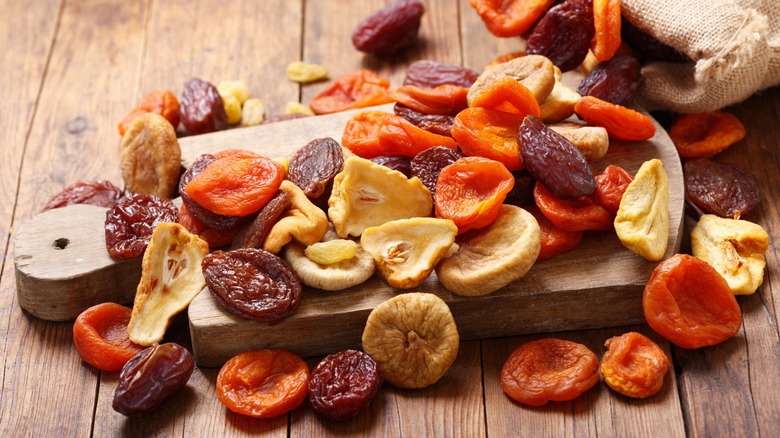
Last on the list is dried fruit, which is why it's no surprise that people who eat dried fruit are generally healthier. Dried apricots, in particular, are among the foods that contain more potassium than bananas! You also may not have known that far before refrigeration was a thing, Mediterranean cultures used dried fruit to bring some sweetness to the table throughout the whole year. From figs to apricots, and even dates and raisins, these fruits provide natural sweetness. And following the drying process, they also provide a phenomenal chewy texture that really makes you feel like you're eating something substantial and satisfying.
Also, thanks to the fact that water from the fresh fruit is dried out during the process, the fruits are left with not only a pleasing, hyper-intense taste, but also are concentrated down to extremely rich offerings of nutrients (fiber, iron, potassium, magnesium, and antioxidants, to name a few). Dried figs, in particular, boast an abundance of calcium and digestive-supporting fiber. Dried apricots are armed with vitamin A and potassium. Many dried fruits also have relatively low glycemic impact, particularly when eaten with nuts or yogurt.
End your Mediterranean meal with this natural sweetness by itself, sprinkle them on grain salads, or try them out in couscous or nearly anything else. And since there's no urgency when using dried fruits (they have a healthy shelf life of several months, when properly stored), all you have to do is wait for that perfect recipe, then go!