

12 Alternatives To Plastic Shopping Bags You'll Actually Want To Use
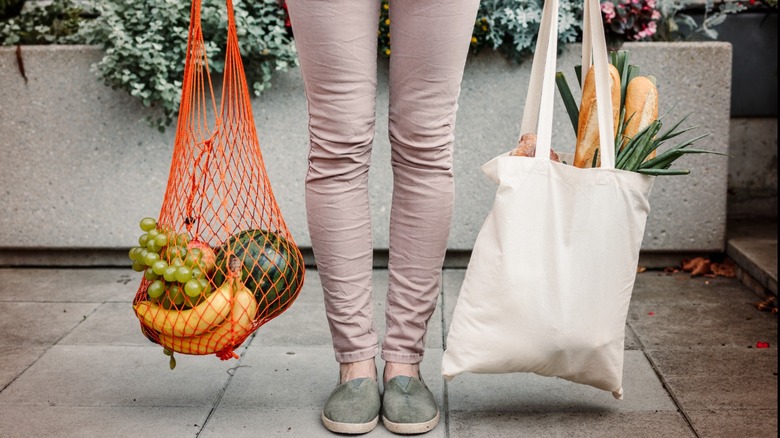
Plastic consumption is now about as universal as the sky and the moon. Plastic is everywhere, from your home and your phone, to the food you eat every day. Moreover, plastic production is set to increase threefold by 2060, taking the world's production numbers far above 400 million tons per year. The food industry is a big contributor, even more so than the household goods industry. But while customers may not be able to change the amount of plastic packaging that lines grocery store shelves, or encases their favorite fast food items, there is one way they can make an impact.
Plastic shopping bags are typically a convenient way to get groceries from point A to point B. However, while they start out carrying food, it's where they end up that is the problem. While many plastic bags can be recycled, the process is difficult, and few people actually take them to be recycled. Instead, they end up on sidewalks; in landfills, where they turn into microplastics; or in animal habitats. Some supermarkets have made the switch from plastic to paper — but, while those are more eco-friendly, the water consumption and trees used in production weigh them down.
By opting for reusable bags, consumers can make a simple change that makes a big difference. There are plenty to choose from, depending on your needs, and some are not only environmentally friendly but fashion forward. These plastic shopping bag alternatives are ones you'll want to use for many years to come.
Bamboo bags
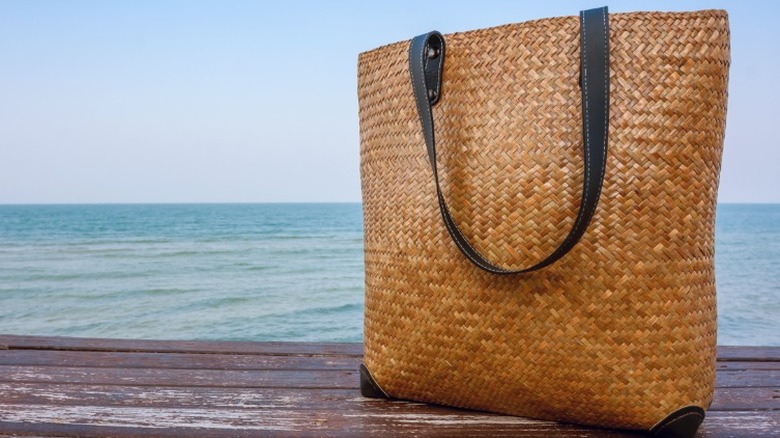
Bamboo makes a great eco-friendly alternative to plastic utensils, and also plastic bags. The upside to bamboo is that it grows incredibly fast, making it a valuable, renewable resource. In just one day, some bamboo species can grow 40 inches or more. For centuries, the plant has been used in construction and paper-making in countries like China. Bamboo plants can also regrow from the roots left in the ground after the plant has been cut down, thus avoiding the need for replanting that comes with harvesting trees for wood.
It's a crop that thrives in various environments and gives back by absorbing carbon dioxide. But even beyond its sustainability, bamboo has redeeming qualities that consumers often seek out in a shopping bag. The fibers are strong and flexible, making them ideal for carrying around your grocery haul. Bamboo even has some odor-resistant properties, which could potentially prevent foods from overstaying their welcome. Plus, these bags just look good. With their intricately woven patterns and a subtle, natural feel, no one will guess that you're only headed to the local supermarket.
Mesh produce bags
Produce is one category of foods that contain the most plastic pollution. Some of these microplastics come from the soil the foods grow in, but others come from plastic packaging that can transfer more microplastics to fruits and veggies in transit and storage.
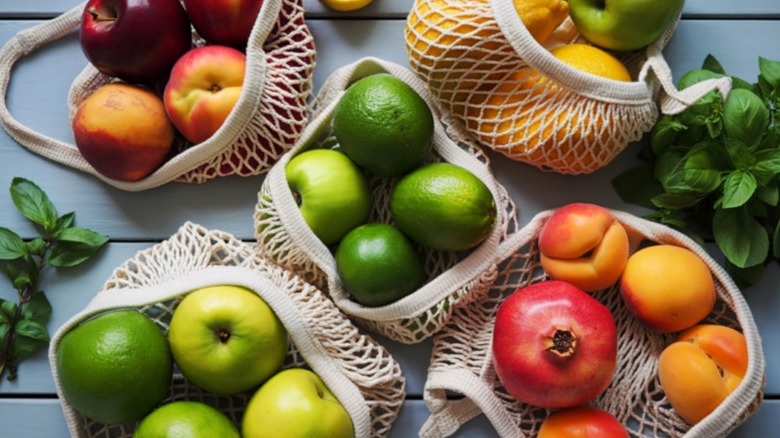
Grocery stores often have rolls of bags conveniently stationed around the produce section. While those are an easy way to keep your picks separate from packaged items, and the metal bars of the shopping cart, they're also an unnecessary addition to plastic waste. Instead, choose mesh produce bags to keep your veggies fresh and free of plastic. Mesh bags are more breathable than the plastic kind. This helps to maintain the produce without spoiling for longer periods of time, especially for fruits and veggies that release more ethylene gas, which encourages ripening.
Another benefit to choosing these reusable bags is that they're more durable. They'll hold up to all the heavier items you need to carry, and they can be used to store them even once you get home. You can even wash produce in the bag like a colander. A set of high-quality mesh produce bags will last a long time with proper washing and care, making them well worth the investment.
Tote bags
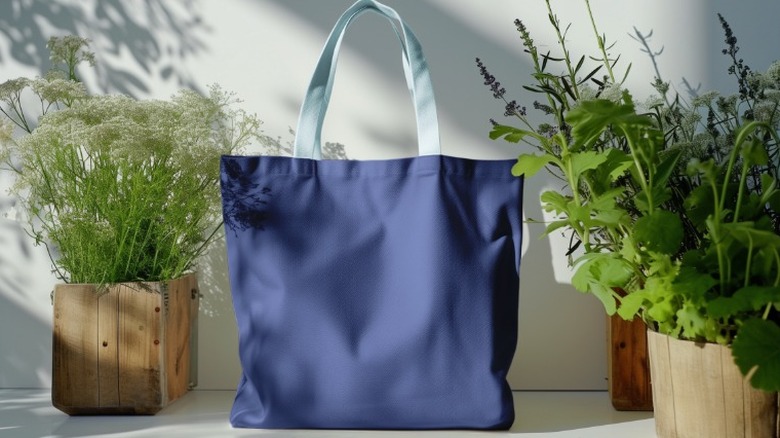
A plastic bag alternative that most people probably already own is a tote bag. Tote bags are very versatile. People use them to carry around books, laptops, clothes, and even pets. Plus, they come in all sorts of materials and designs, so making a functional bag fit right in with the rest of your outfit is easy. And making a grocery run has never been easier, either. A good tote for groceries can be made with cotton; if you want something more durable than your standard cotton blend, go for a canvas material.
Tote bags come in a range of sizes, so you can choose a smaller one for a quick grocery run or a larger one with plenty of space to hold everything you need. On the other hand, the plastic bags at the store will typically only come in one size. Some stores even sell their own reusable tote bags to encourage shoppers to stray from plastic, and make a little extra money. One of Trader Joe's latest bag drops had customers rushing in to get their hands on one, and for good reason. Each can hold eight gallons, has a zipper, and offers the premium quality that Trader Joe's customers can attest to. Whether you hop on the Trader Joe's bandwagon or opt for another option, you can't go wrong with a multi-use tote.
Foldable shopping bags with wheels
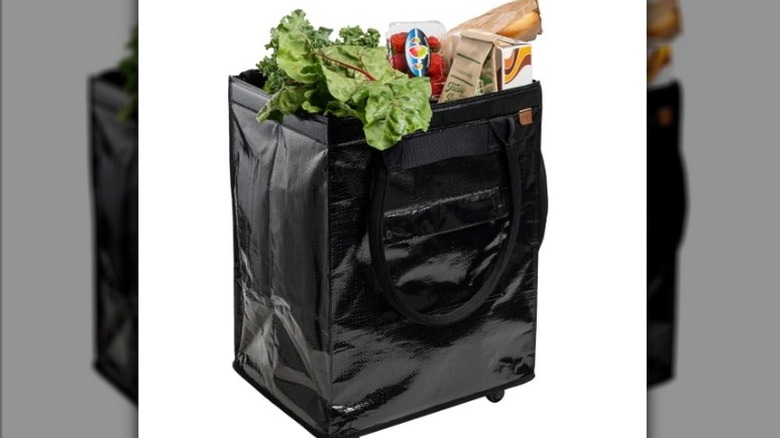
Grocery runs can be a workout. Loading and unloading bags filled to the brim with heavy cans and jars can take a toll on the back and shoulders. And, despite the convenience and sustainability of most reusable bags, the feeling of the straps digging into your shoulder can be the straw that breaks the camel's back. Luckily, there's a hybrid option that combines the compact portability of a tote bag with the pain-relieving properties of a rolling cart.
Foldable, wheeled shopping bags can be purchased at relatively low price points, especially for a product that will last much longer than a single-use plastic bag. They can be rolled along through the aisles as you work through your grocery list, then easily folded back into what looks like a regular tote bag. The collapsibility makes for easy storage in your home or in the back of your car for those spontaneous shopping trips. Both the environment and your body will thank you for making the switch.
Grocery cart insert bags
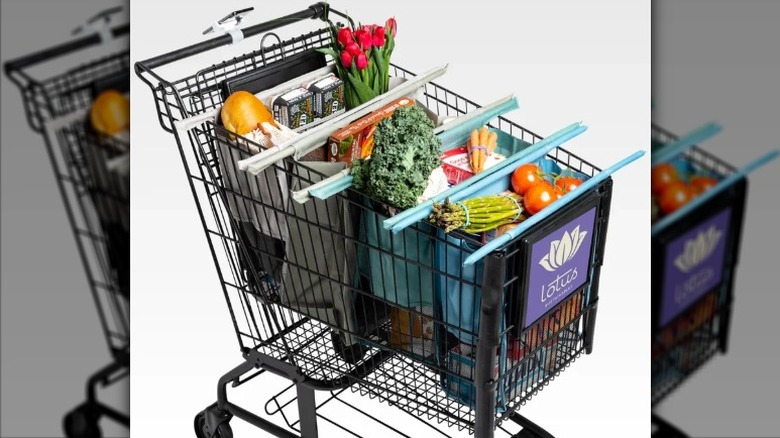
Keeping your shopping cart organized throughout an entire grocery trip can be a hassle. Breads and other soft foods get squished, and you have to go digging to find the items that fall to the bottom. Plus, gathering all your cold items together for bagging at checkout isn't easy. And then there's the fact that grocery carts are filthy after being used by hundreds of shoppers, so putting any exposed items straight into them is less than ideal. But there is a solution that solves not only these problems, but also the sustainability problem that plastic bags pose: grocery cart inserts made of reusable bags that interlock and fit neatly into shopping carts.
Grocery cart insert bags come in various materials and colorways to match your preferences. With these, it's easy to organize your items as you go, instead of throwing everything into the bottom of the cart and hoping for the best. You can separate produce, frozen items, and dry goods with color-coded compartments. Then, once you've checked out, the groceries can go straight back into the same bags. For storage, simply detach the sections and fold them up into a compact bundle.
Furoshiki
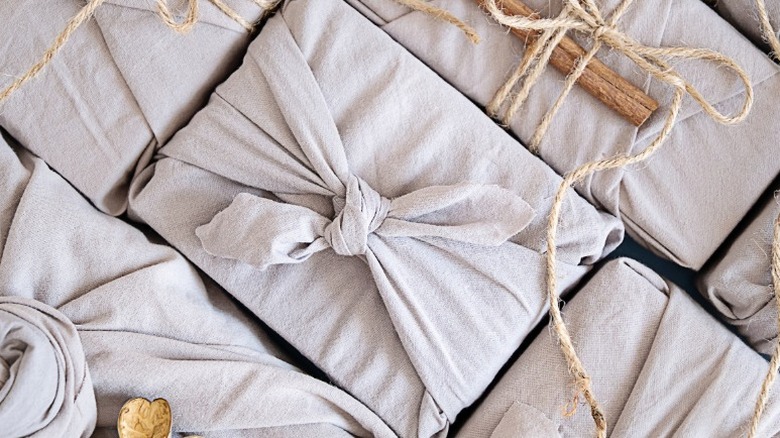
Learning about this next plastic bag alternative requires looking overseas to a long-held tradition in Japan. Furoshiki are Japanese wrapping cloths that have been around for more than 1,200 years. Back in the day, wealthy people carried their furoshiki to public bathhouses and used them to hold their clothes and toiletries. Their popularity eventually spread from the wealthy circles into the hands of the common people, and they were used for the transportation of everything from tools to food. Nowadays, they can make perfect grocery bags for any shopping trip, especially given their versatility.
Furoshiki are made with many different types of fabric, so you can choose one with the durability and feel that meet your needs. The wrapping of furoshiki also isn't set in stone. Wrapping techniques vary based on the type of object being carried, and how you wish to carry it. The tesage bukuro method is particularly popular for grocery shopping, since the resulting shape is one of a classic handheld bag.
Insulated cooler bags
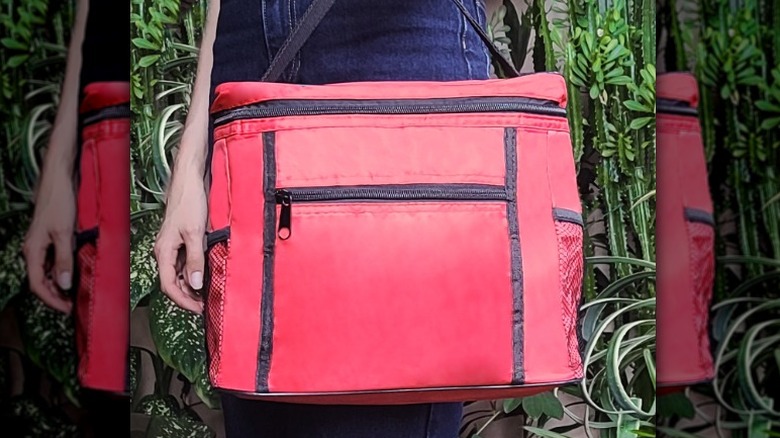
It's important to keep in mind food safety when grocery shopping. What with the busy schedules that many people have, it can sometimes be impossible to get home immediately after a shopping trip. It's wise to pick up cold items at the end of your run to avoid the food reaching unsafe temperatures that encourage bacterial growth. But another way to protect your groceries, especially in hotter climates, is to shop with insulated cooler bags.
Cooler bags combine the convenience of plastic bags with the temperature-locking power of hard-shell coolers. Yet, unlike the hard-shell coolers you use for beach days and barbecues, these bags are more affordable and lightweight, making them easier to carry around on-the-go. They also range in size from smaller tote bags to larger, wheelable ones that store more and take a load off your shoulders.
Cleaning insulated cooler bags is easy. Just follow the instructions on the bag; they'll usually only involve wiping down the interior and exterior surfaces. With a bag like this, you won't need to worry about life getting in the way. Your groceries will be in good hands.
Collapsible shopping baskets
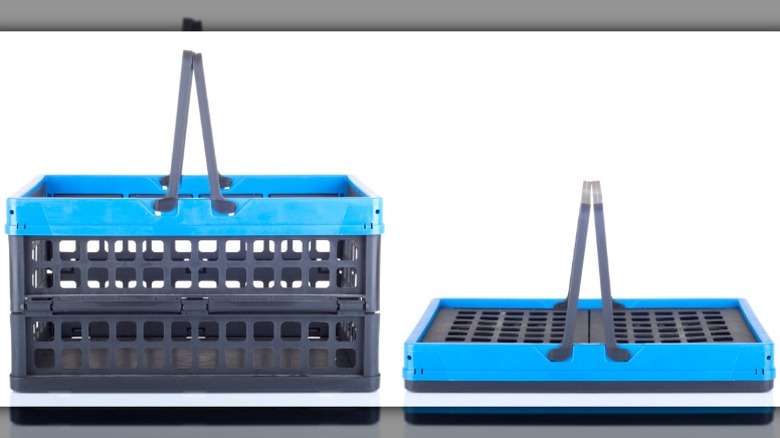
Not every grocery run requires a full cart. That's when those trusty shopping baskets come in, but you can't exactly take those home with you. Instead of transferring your items from shopping baskets to plastic bags, invest in collapsible shopping baskets that you can take with you or leave in your car for all your grocery-buying needs. These baskets are just like the ones you can find in stores, except that they fold down for compact storage. An added benefit of using reusable baskets is that they're very sturdy due to their harder material, and can thus hold up to 25 pounds of groceries each.
Many collapsible baskets come in sets, so though the initial investment may be more than you'd pay for standard plastic bags, the long-term benefits far outweigh the costs. When these baskets aren't being used for grocery shopping, they can make great storage vessels for toys or other miscellaneous household items. They also make useful tools for summer fruit and vegetable picking adventures. The holes throughout the baskets act much like those in mesh produce bags, allowing air to circulate around the produce, helping to keep it fresh for longer. No matter how you choose to use them, they're valuable accessories to have on hand.
Backpacks
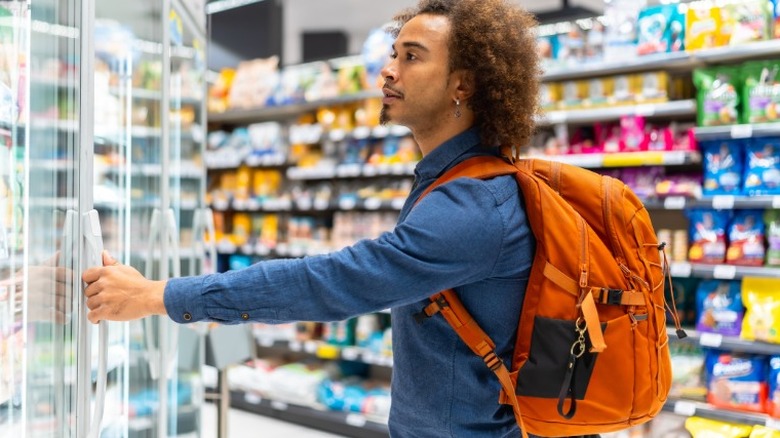
One especially simple alternative to plastic bags is a standard backpack. These bags don't have to be relegated to school days of yore or backpacking trips across the country. Many people have at least one backpack lying around, so instead of letting it collect dust, why not put it to good use?
A backpack is a roomy way to carry around your groceries, and it can also save your back and shoulders from unwanted strain. While lugging around multiple bags on your arms and shoulders can start to hurt after a while, backpacks are designed to distribute weight, making grocery trips quick and painless.
Backpacks also leave your hands free while staying secure on your back. This is extra handy if you're someone who bikes to get to and from the store. In fact, many food delivery workers use backpacks to store products en route to customers' houses. A standard, lightweight backpack can work for casual shoppers, but if you're looking to do some more heavy duty shopping, you'll want to invest in a higher quality pack. Something roomy, sturdy, and ergonomic will have you leaving plastic bags in the past in no time.
IKEA bags
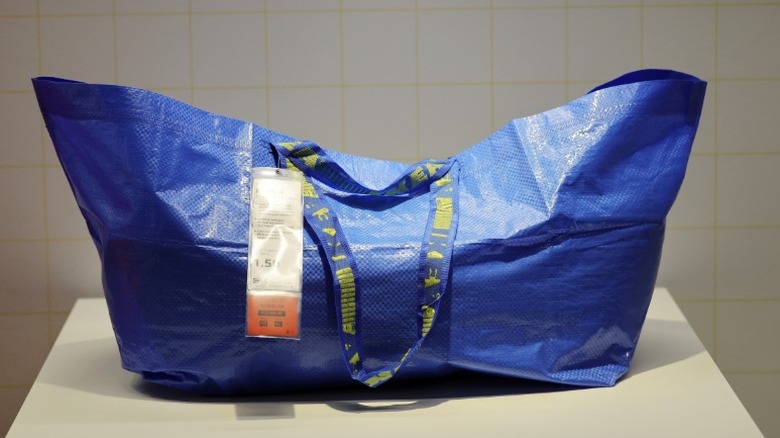
IKEA is known for many things, from its maze-like series of model rooms to the iconic IKEA Swedish meatballs that patrons love to snack on between shopping sprees. But one IKEA find that may be flying under your radar is its line of Frakta shopping bags. These bags boast the classic blue and yellow color scheme indicative of the store, and they range in size, with some holding 10 gallons and others holding up to 20. The bags are made of polypropylene, a material commonly used in reusable bags for its strength and flexibility.
Customers say the quality is unmatched for the price, which is under a dollar per Frakta bag. Some fans have been using theirs for nearly a decade without the bags showing any significant signs of wear or tear. Savvy IKEA shoppers use them for groceries, of course, but other cited uses include packing clothes for travel or laundry day, and even hauling around logs for camping. When you're done using them, all you need to do is give them a thorough wipe down with a damp cloth to keep them clean. Then, simply fold them into a compact square for easy storage and retrieval.
Nylon bags
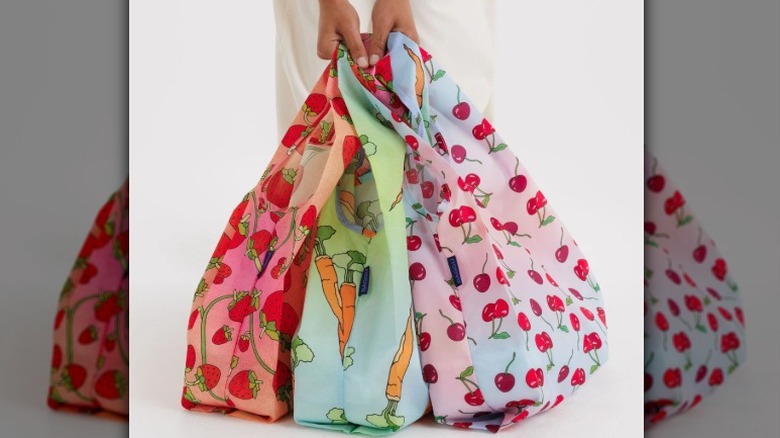
Nylon was one of the first synthetic fibers to be successfully mass produced. Back during World War II, it replaced other fibers in the making of parachutes. Nowadays, the average person probably isn't looking for nylon to help them float down from the sky. Instead, it's being used in many types of reusable bags. Recycled nylon bags, in particular, are a reliable choice for grocery shopping bags, thanks to their durability and eco-friendly nature.
These kinds of bags are very lightweight and easy to have on hand. Some even come with pockets that the bag can be folded into, so it takes up less space when not in use. If you're a shopper who likes to turn a mundane chore into a fashion statement, the design variety of nylon bags will also appeal to you. Popular brands like Baggu sell reusable nylon bags in prints with ballet and fruit themes, as well as bags featuring popular characters from Sanrio, Charlie Brown, and Miffy and Friends. The standard size, despite looking and feeling light, can handle up to 50 pounds, which would normally take around two to three plastic bags to hold. You'll be happy to carry around your groceries all day long if it means getting to show off these charming receptacles.
DIY bags
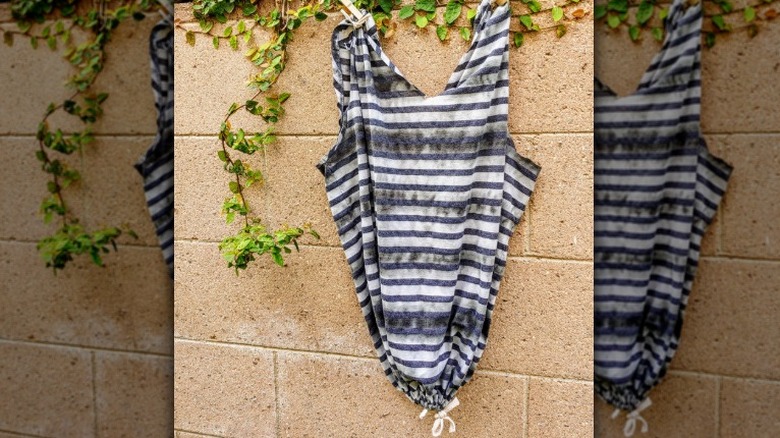
While reusable bags are worthwhile investments for their long life and low environmental impact, some can be on the pricey side at first glance. Thankfully, buying new bags isn't the only option. In fact, reusing and upcycling are both viable alternatives that are often more environmentally friendly than purchasing brand-new bags.
Most people have old pieces of clothing lying around their house that they don't use anymore. Instead of letting these items fall to the back of the closet without a second thought, give them new life as perfect grocery-holding vessels. If you're a sewer who holds onto scrap pieces of fabric, you can transform those into a durable, lined tote bag. This doubles as a great project for any newer sewers wanting to learn. A t-shirt discarded from your wardrobe can also double as a tote bag, and a very simple one to make at that. There are no-sew patterns that allow you to turn trash into treasure in only 10 minutes. Take a look around your house and get creative. Even items like leftover rice bags can be repurposed instead of thrown away.
The best part about DIY bags is that they double as a fun activity. You can craft your bags solo or invite your friends and family to join in. After all, making the switch from plastic bags doesn't have to be a hassle. It can be as easy as looking around your own home to find replacements you didn't even realize were there.