

13 Mouth-Watering Thai Dishes You Need To Try (Other Than Pad Thai)
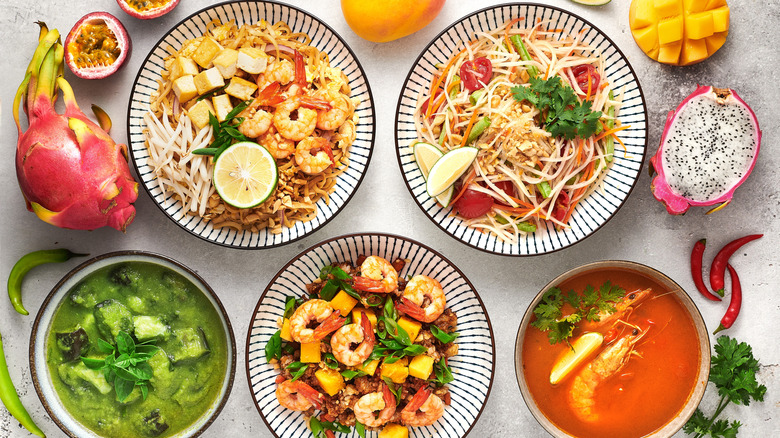
Pad Thai may be the dish most people associate with Thai cuisine (and one with its own intriguing history), but treating it as the only option is a grave mistake. In Thailand, every dish reveals centuries of influence from migration and trade routes to climate and religion. So, when you move beyond ordering another Pad Thai, you take one step closer toward understanding how Thai people actually eat. Dishes like Pad Kra Pao and Khao Soi may sound unfamiliar if you've never tried them, but in actuality are everyday meals, quick fixes for hungry commuters, and comfort food for families through the year.
To help decipher these different facets, we turned to a trio of experts who live and cook Thai food as it's meant to be experienced. In Lisbon, Caroline Phetsomphou, co-owner of Baan Saraiva's, has built one of Portugal's most authentic Thai restaurants along with partner Jérome Percherancier. Further north, in Porto, Pattareeya Yawanopas Guimarães, founder of Thailander, brings uncompromising flavors straight from Thailand. And from Mumbai, Thai-born chef Seefah Ketchaiyo offers a powerful reminder of Thai food's everyday soul. Beyond her acclaimed restaurant Seefah, she has created Khao Man Gai – a concept inspired by Bangkok street stalls together proving that some of Thailand's most meaningful dishes are also its simplest.
Together, our experts guide you through the dishes you need to try — and the mistakes you must avoid making the next time you dine at a Thai restaurant.
Pad See Ew
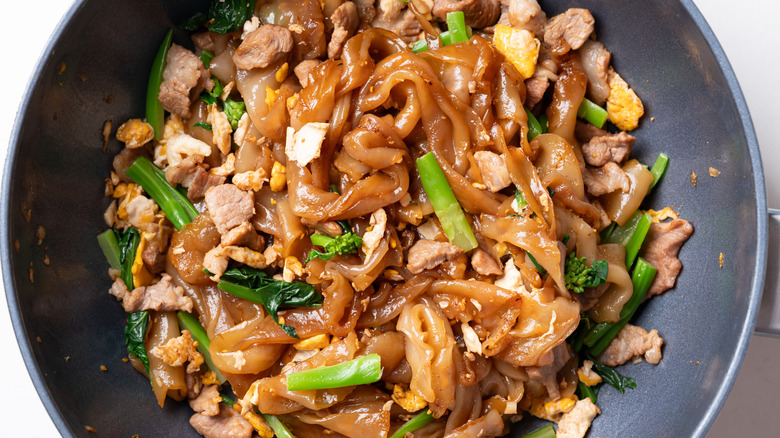
When asked for their recommendations about which local favorite to try apart from Pad Thai, the unanimous response from all three of our experts was Pad See Ew. The time has come for this unassuming yet delicious noodle dish to steal the spotlight. Pattareeya Guimarães explains, "for those who are not keen on spicy, they would prefer something lighter [like] non-spicy Pad See Ew, which means stir-fried noodles with soy sauce".
Imagine silky rice noodles stir-fried with your choice of chicken, beef, shrimp, or tofu and tossed on a hot wok with fresh eggs and vibrant Thai broccoli to create a perfect balance of texture and flavor. Seefah Ketchaiyo points out that when it's made properly — i.e. the chef needs to be fast, season well, and make sure that everything cooks in the perfect condition to deliver the dish — it "highlights wok technique and balance between savory and slightly sweet flavors without heavy sauces." Together the smoky wok char and the hint of saucy sweetness exemplifies Thai balance.
Beyond flavor, this is a dish that is popular in home kitchens and street stalls — a true insider's pick. For anyone looking to expand their Thai meal experimentation, Pad See Ew is approachable yet still with enough depth to reassure long-time lovers of Thai cuisine.
Pad Kee Mao
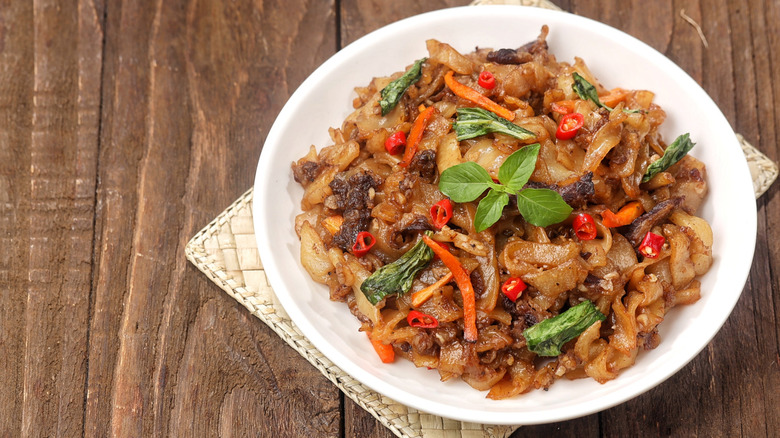
Not everyone is looking for "safe" when it comes to expanding their culinary repertoire. For many, Thai food equals spice and they welcome the kick of flavors associated with the expert use of chili and heat. Pad Kee Mao, also known as "Drunken Noodles," is the dish for anyone who likes their meals with a bite.
Pattareeya Guimarães warns that for those craving intense flavor, this stir-fried rice noodle dish hits all the right notes with its combination of fiery Thai chilies, aromatic holy basil, garlic, and other herbs. It's no wonder, she explains, that its name "drunken" refers to its popularity as "a late-night street food or a spicy hangover cure" — the dish itself doesn't actually contain alcohol.
Pad Kee Mao marries wok-tossed thick, chewy rice noodles soaked in an aromatic sauce. Meat, seafood, or tofu add heft to each slurpy bite and crispy vegetables show up for contrast. The fragrant basil introduces a welcome hint of herbaceous sweetness but the punch of spice is unmistakable, making it a local dish that celebrates both boldness and unpredictability.
Pad Kra Pao
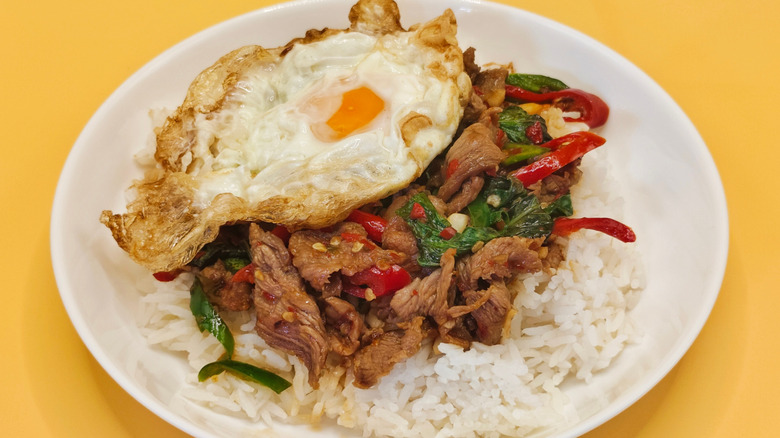
This is Thai street food at its best: "Simple, quick, and packed with flavor," says Caroline Phetsomphou. "Minced meat (usually pork, chicken, or beef) is stir-fried with fragrant holy basil (krapao) and finished off with a crispy fried egg on top. The egg yolk breaks open and blends perfectly with the savory stir-fry, creating a mouthwatering mix of textures."
Usually served over a mound of fragrant jasmine rice, the combination of heat, aroma, and textures makes it unmistakably Thai. Phetsomphou adds her pro tip: "For an extra punch, you can dip it into Prik Nam Pla — a tangy, spicy mix of fish sauce, lime, garlic, and chilies — served on the side.
Despite its apparent simplicity, Pad Kra Pao demands precision. "It uses few ingredients but depends on high heat and correct timing," warns chef Seefah Ketchaiyo. "When cooked poorly, it becomes oily, bland, or uses the wrong basil, losing its signature aroma." This is a dish that rewards attention and technique: The wok must be hot, the ingredients tossed quickly, and the basil added at just the right moment to release its herbal punch. Thai locals cook it at home, tourists seek out the most authentic versions (hint: they are all good), and everyone who tastes it feels a little closer to the kitchens of Thailand.
Tom Yum Goong
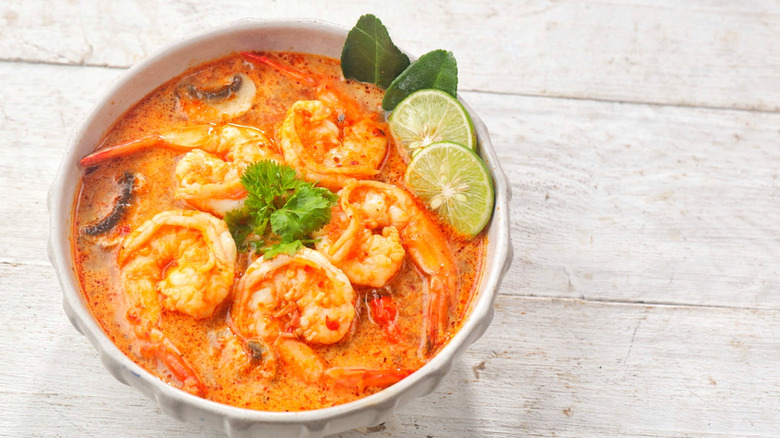
If you are looking for iconic, our chefs know just the dish. According to Caroline Phetsomphou, Tom Yum Goong (Thai Shrimp Soup) is one of the most ubiquitous dishes in Thai cuisine, embodying the essential balance of the four fundamental flavors that define Thai food: salty, sweet, sour, and spicy. As Seefah Ketchaiyo sums it up, "one spoonful shows how Thai food layers flavors instead of relying on just one dominant taste."
As per Phetsomphou, Tom Yum Goong is traditionally made with fresh shrimp and "a fragrant broth infused with herbs like kaffir lime leaves, lemongrass, galangal, and chilies, producing an aroma so distinct that it's immediately recognizable." Each ingredient has a role, and as you make your way through the bowl, you will notice the interplay of heat from the fresh chilies and curry paste, the umami depth of the fish sauce, and the subtle hint of sweetness from palm sugar.
With its roots in Central Thailand, this dish has undergone centuries of culinary evolution and demonstrates the Thai kitchen's mastery of balancing multiple flavors in a single bowl. Another point of pride for Phetsomphou is that this recognition goes beyond taste: "In 2024, UNESCO officially recognized Tom Yum Goong as part of the intangible cultural heritage of humanity, highlighting its status as a symbol of Thailand's unique culinary legacy."
Som Tum
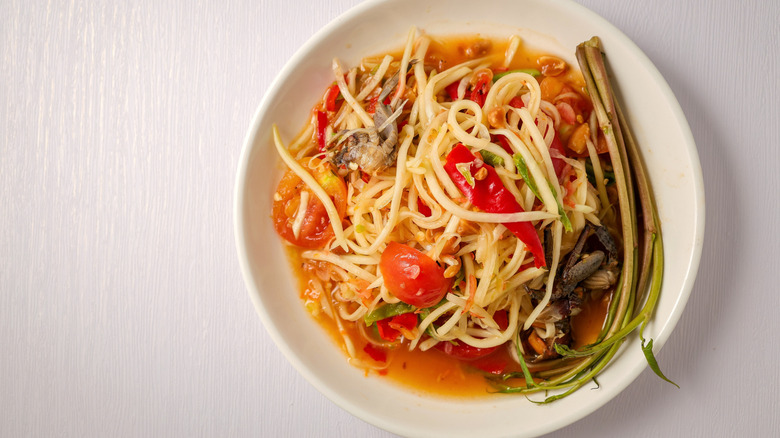
We asked our experts to suggest the best model of culinary excellence in Thai food. Pattareeya Guimarães explains that along with Tom Yum Soup, Som Tum is "the best example of how we balance several flavours in Thai cuisine." Caroline Phetsomphou agrees that Som Tum, or Thai green papaya salad, is one of the classic dishes that balances multiple flavors in one vibrant bite.
Som Tum layers spicy, tangy, sweet, and savory notes all at once, creating a lively explosion of taste and texture. The true green papaya may be difficult to source outside of Thailand but that doesn't stop restaurants and home chefs experimenting with substitutes. In the original recipe, raw, shredded green papaya is pounded gently in a mortar with fresh chilies, garlic, lime juice, fish sauce, palm sugar, and tomatoes. Another insider addition is that of pla ra. Guimarães insists that this fermented fish sauce with rice bran or roasted rice adds the special intense flavor and smell into the dish. For this reason alone, she says, "we only recommend this to Thai or tourists that have tried already in Thailand."
What you are usually served is a medley of crisp papaya, juicy bursts of cherry tomatoes, and roasted peanuts along with a light dressing that binds it all together. "We always ask how many chilies they'd like — spiciness typically starts with three chilies, whereas Thai people usually request a minimum of 10 to 15 chilies for a true kick," says Phetsomphou.
Khao Soi
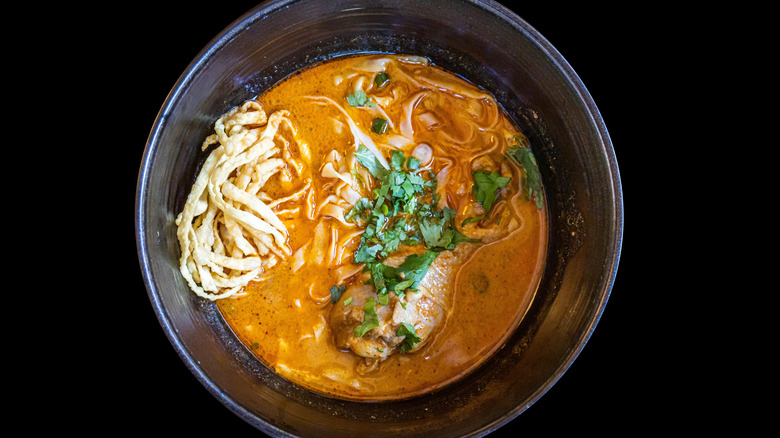
For Northern Thailand, Khao Soi is the signature dish. "This rich, creamy, and aromatic noodle soup stands apart from the rest of Thai cuisine, offering a bolder, spicier, and saltier profile than what you would typically find in central Thailand," explains Caroline Phetsomphou. Carrying the distinct flavors of the northern part of Thailand and influenced by Burma, "the soup features a base of yellow curry, infused with spices and coconut milk, giving it a velvety texture and depth of flavor," she adds. "It is traditionally served with yellow egg noodles and a choice of protein — either tender chicken or beef. What sets Khao Soi apart is the addition of crispy fried noodles placed on top, which diners can break apart to add a delightful crunch to the dish."
Both Seefah Ketchaiyo and Pattareeya Guimarães urge diners to experiment with various toppings to add textures and flavors, from crispy fried egg noodles for a satisfying crunch to pickled mustard greens and red onions to bring a tangy brightness. The richness of the coconut-milk based curry must be cut through with a final squeeze of fresh lime and a scatter of vibrant cilantro leaves for the final touch. This dish is the ultimate comfort food of northern Thailand, often eaten in small street stalls, family homes, and local restaurants.
Southern Thai cuisine
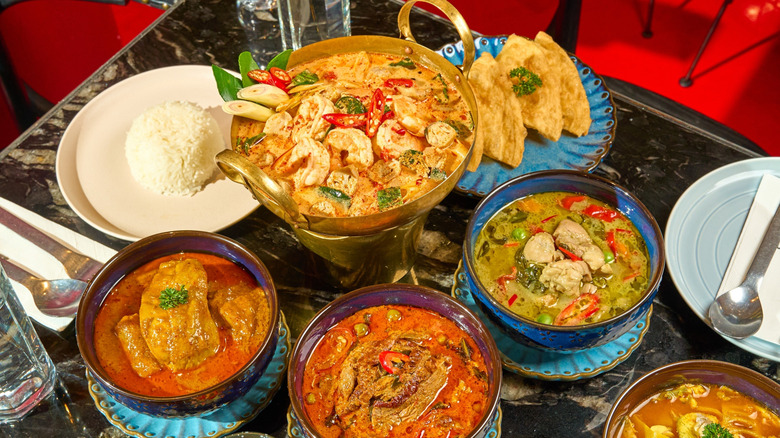
If the cuisine of Northern Thailand is famous for its rustic flavors, then Southern Thailand is famous for flavors that hit hard and don't apologize. "The best dishes to represent the South of Thailand would be Gaeng Tai Pla (Fermented Fish Guts Curry) and Gaeng Som (Southern Sour Curry)," explains Pattareeya Guimarães. From the names themselves, you immediately know that these dishes mean business.
Seefah Ketchaiyo clarifies, "For Southern Thailand, Gaeng Tai Pla represents the region's bold style. It is much spicier and saltier, using fermented fish as a base instead of coconut milk." This creates a layered taste that's both savory and aromatic. Gaeng Som, on the other hand, is a vibrant sour curry often featuring fresh fish or seafood, tamarind, turmeric, and bird's eye chilies, giving it a bold, tangy kick. Both rely heavily on shrimp paste, turmeric, and local herbs, which together create a flavor profile that is spicier and more pungent than elsewhere in the country.
For locals, these curries are daily staples and they reveal a region of Thailand where flavor comes first, balance second. While they can be challenging for first-time eaters, you are assured an authentic taste of southern Thai heritage that will stay with you for a long time after your meal.
Central Thai curries
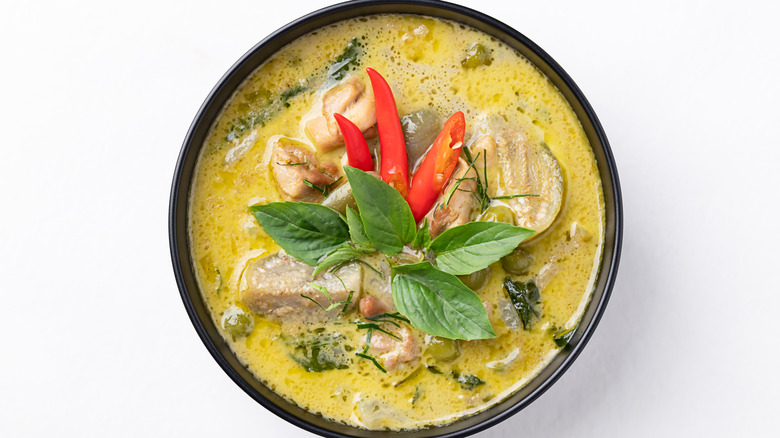
If the cuisine of Southern Thailand is full of heat and boldness and that of the North is tangy and flavorful, the Central region is a showcase for smoothness and harmony. Gaeng Kiew Wan, or green curry, is "the best curry that represents the Central [region] of Thailand," notes Pattareeya Guimarães.
Made from a fresh paste of green chilies and local aromatics like lemongrass, galangal, and kaffir lime leaves, along with garlic and shallots, the curry has a signature herbal aroma and gentle heat. To temper the palate, creamy, rich coconut milk is added. Traditionally served with chicken or beef and the signature Thai eggplant, each spoonful highlights the region's culinary philosophy: balance above all.
"As varied as the regions they originate from, Thai curries showcase the richness of the nation's culinary traditions," explains Guimarães. Gaeng Kiew Wan is more than just a curry. Rather, treat it as the perfect introduction to Thai flavors that can be both sophisticated and familiar at the same time.
Khao Moo Daeng
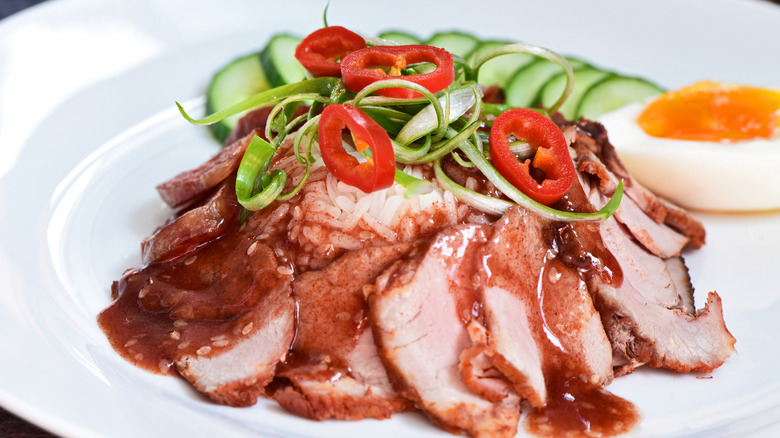
Digging deeper into local favorites, we asked our experts to share dishes that tourists often overlook (but really shouldn't). Seefah Ketchaiyo immediately recommended Khao Moo Daeng, or red pork on rice. "It is fast, affordable, and found everywhere in Thailand," the chef explains. "Tourists often overlook it because it appears simple, but locals love it for its comforting flavors and reliability."
What makes Khao Moo Daeng special isn't just the flavor (and there's tons of that — no surprises). When you combine fluffy jasmine rice topped with tender slices of pork glazed in a caramelized soy-based sauce, there's no way this is not an indulgent and satisfying dish.
Yet tourists often overlook it because it doesn't come with the usual exotic fanfare of Thai curries and noodle dishes. This dish reflects the practical, everyday side of Thai food. It is quick to make, nourishing, and delicious. Often served along with a boiled egg or cool, crunchy cucumbers and a light broth, you are looking at a hearty meal that is unpretentious and full of comfort.
Khao Man Gai
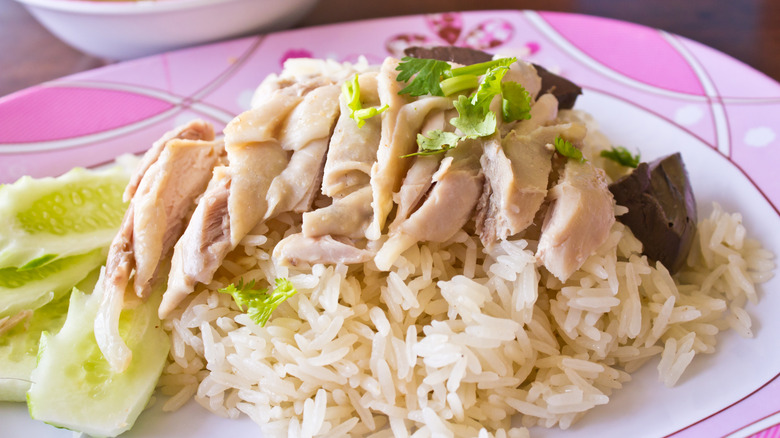
Everyone talks about Hainanese chicken rice, but did you know that Thailand has its own take on this fragrant and deeply satisfying dish? For chef Seefah Ketchaiyo, Khao Man Gai proves that Thai food is not all about spice and heat. Here tender poached chicken (the best kind) is served with perfectly cooked jasmine rice infused with the heady flavors of aromatics and chicken broth. "It is fragrant with ginger and garlic, served with clear soup and a mild sauce that can be adjusted," she says, emphasizing the balance and adaptability of the dish.
To round off the meal, a dipping sauce made from soy, garlic, ginger, and a hint of chili or vinegar is served. How much or how little you add to each bite is up to you, but just know that each component of this multi-layered masterpiece combines to create a sensory experience.
Khao Man Gai is also a street food staple and a go-to meal for travelers seeking something approachable yet authentic. If you are intimidated by chilies but still want the whole Thai culinary experience, this is the dish for you.
Nam Prik
We asked our experts about which Thai dish best showcases regional ingredients or traditions that tourists rarely encounter, and their answers were enlightening. Caroline Phetsomphou lists Khao Pad (Thai fried rice) – a classic Thai dish made with leftover rice, eggs, protein (like chicken, pork, or shrimp), and vegetables such as cabbage or greens as her favorite. She notes that while this dish is quick and versatile, the highlight for her is that it is served with Prik Nam Pla. Prik Nam Pla is a spicy fish sauce dip and adds the iconic balance of savory, umami, and fresh flavors to any Thai dish, whether served up in a fine dining restaurant or a home-style meal.
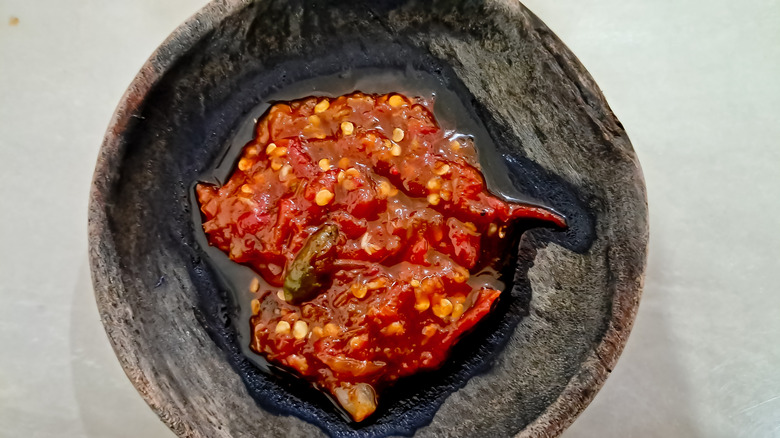
Similarly, Seefah Ketchaiyo talks about how each region in Thailand has its own chili paste using local ingredients such as fermented fish, crab, or shrimp paste. She regularly reaches for Nam Prik spicy chili sauce with fresh vegetables and herbs. Here she insists upon the fact that Nam Prik is less about complexity and more about community. "It represents communal eating and how Thais season food at the table," she adds. What's important is how families and friends come together around a dinner table, with each person adding and adjusting the intensity of sweet, spicy, and sour elements to their personal taste but still maintaining the interactive and communal nature of the meal.
Laab
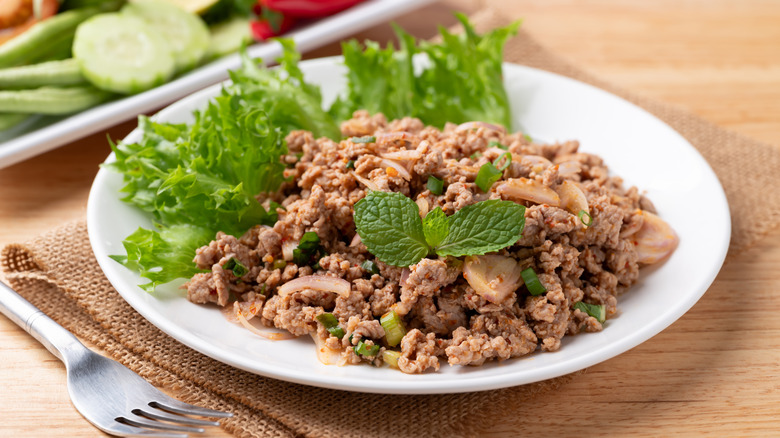
A little history and geography lesson first. Laos borders the northeastern region of Thailand, and the two countries have had a long history of cultural exchange. The people of Laos have long since been crossing over to work in Thailand, and this has led to significant impact on the culinary flavors and techniques of the region.
This is exemplified in the dish known as Laab or Larb. An iconic item of Isaan cuisine, Caroline Phetsomphou explains how it "can be made with any type of meat, but it's most prepared with minced meat, mixed with Thai aromatic herbs, shallots, coriander, and mint. This dish is typically eaten with sticky rice and often served with cucumber, lettuce, and additional fresh herbs. It's a dish full of bold flavors that tourists rarely get to experience but is cherished in its regional context."
Unlike many Thai dishes that rely on creamy coconut based curries or peanut sauces, Laab celebrates the natural freshness, texture, and aroma of the herbs used. Simple in ingredients but complex in flavor, it's an essential dish for anyone wanting to explore Thailand's regional specialties and go deeper than the usual offerings. Plus it's definitely one of the healthier foods on offer at any Thai restaurant.
Moo Yang and Moo Krob
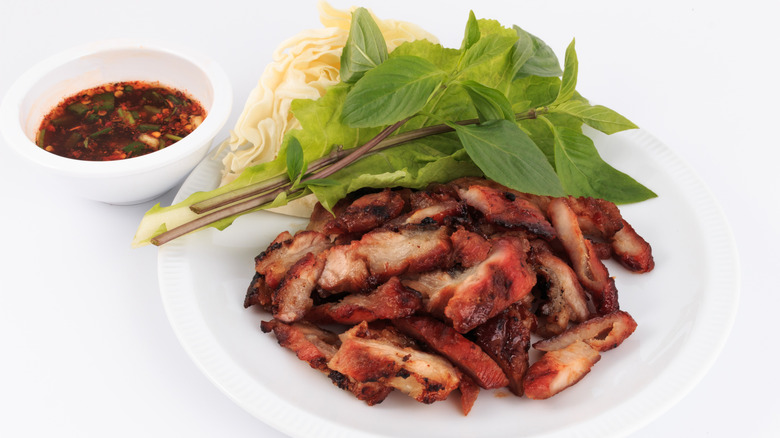
For Caroline Phetsomphou, two more items need a special mention in this list of must-try dishes. "Moo Yang (grilled pork) with Nam Jim Jeow sauce is a comforting dish loved by Thais, especially at home," she says. "It features grilled black pork served with a spicy sauce made from roasted rice powder, which adds a slightly nutty and aromatic touch. Eating this dish at home evokes a sense of comfort and a connection to traditional Thai culture." Unlike dishes served in restaurants, it carries the warmth of family tables, street-side stalls, and informal celebrations
Next up is Moo Krob, or crispy pork. For Phetsomphou, this is "a dish that hinges more on technique than a wide range of ingredients. The essential components are pork belly, vinegar, and salt." When done right, the meat is juicy and succulent while the pork skin is delightfully crispy. Phetsomphou explains that the secret to achieving this lies in introducing air into the skin at precisely the right moment. As you can imagine, this requires a fair deal of experience and mastering of the culinary technique, but when the boiling, roasting, and quick frying is done the way it should be, you are served up a deeply loved dish with rich, satisfying flavors that are approachable yet unforgettable.