

14 Foods & Drinks You May Have Thought Were Gluten Free, But Aren't

We may receive a commission on purchases made from links.
Whether you've been on the gluten-free journey for a while or are only recently embarking upon the world of no wheat, most of us know which foods are safe to consume and which are okay to enjoy — right?
While most breads, cookies, and pastries can be found on our list of gluten-containing foods to avoid, other, less frequently noted items can still end up on our plates, making this one of the common mistakes people make when shopping for gluten-free food. Unfortunately, ingesting gluten unknowingly isn't as easy to pass off as a simple mistake for some individuals — for people diagnosed with celiac disease or who experience severe symptoms as a result of consuming wheat, it could lead to dire health consequences.
In the upcoming article, we're diving a bit deeper to uncover some of the foods that contain gluten that may have slipped under your radar. From store-bought purchases to foods you might encounter when out to eat, we're exposing all of the wheat-containing eats, while also attempting to provide you with ways to enjoy similar foods, worry-free. Bear in mind that some options mentioned won't always contain gluten — do the research yourself before deciding whether or not these food items should be on your plate. With that, join us as we discover the 14 foods you may have thought were gluten-free, but aren't always.
1. Veggie burgers
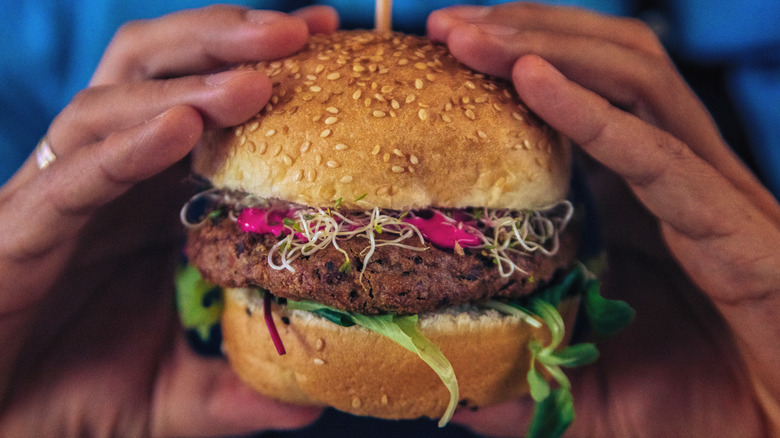
Veggie burgers may be a viable option for those looking to avoid meat, but not all veggie burgers on the market are safe for those following a gluten-free diet. Oddly, we've found some veggie burger options with ingredients like "wheat gluten" on the label; this particular addition features isolated wheat protein and is often used to enhance the texture of dough. In the case of veggie burgers, however, wheat gluten, also referred to as vital wheat gluten, is used as a protein source, with popular brands like Morning Star Farms and Boca containing the ingredient as of the time of publication.
Does this mean you should avoid all store-bought veggie burgers? Maybe, maybe not. As always, be sure to carefully examine store-bought veggie burger labels for gluten-containing ingredients before you throw them in your cart. In our experience, it may be best to make your own gluten-free vegetable burgers — doing so allows you to experiment until you find the best binder for vegan burgers that's also suitable for your diet.
2. MilkyWay Bars
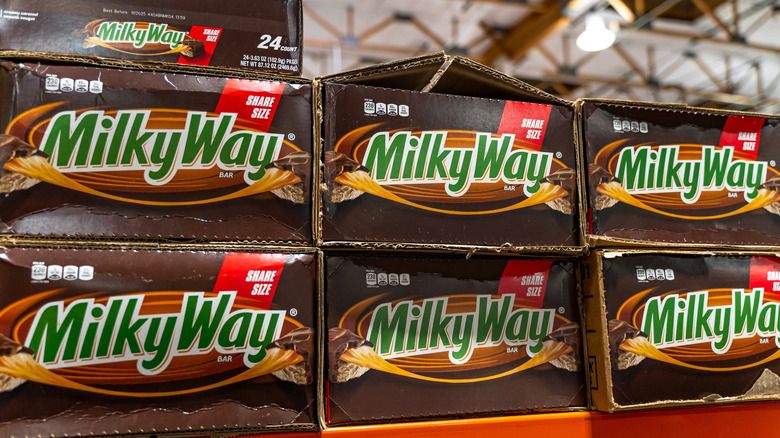
If you look close enough, you'll often find barley weaseling its way into many of the delicious foods you eat, and, unfortunately, MilkyWay Bars are one of them. These chocolate bars, known for featuring classic flavors of sticky caramel and nougat, contain barley malt extract, which helps give them their unique flavor. In case you're wondering, the process of "malting" barley starts with soaking the grains before drying, crushing, and using them in various goods. It makes sense, then, why products containing barley malt would be a major no-no for those looking to avoid gluten — even if it is just a tiny amount.
If you're a staunch MilkyWay fan but don't mind the taste of dark chocolate, you may wish to give MilkyWay Midnight Chocolate Bars a shot — though they feature a slightly different flavor profile, they don't contain the barley malt extract or any other concerning gluten-containing ingredients, as of the time of publication. Just be sure to double-check the label before making a purchase.
3. Most seasoned fries
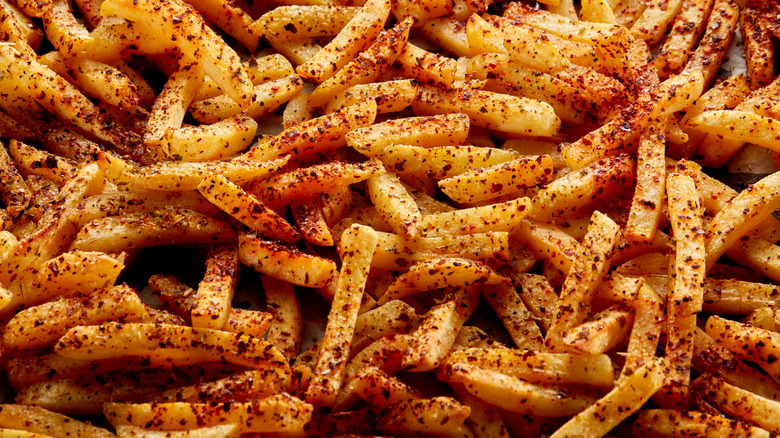
If you're a french fry fan, this one might hurt a little, but don't worry, you still have options. Sadly, most seasoned fries feature a dusting of flour, and though this gluten-containing coating works to make fries irresistibly crisp, it also makes them a food that gluten-sensitive individuals should avoid.
Not only do the seasoned fries sold at fast food and dine-in restaurants usually contain gluten ingredients, but most fries marketed as "seasoned" in the freezer section of your supermarket are coated in a floury batter as well. It doesn't stop there, though — other fry types that aren't necessarily "seasoned" in the traditional sense may still contain gluten to aid in delivering a crisp texture. Also, we'd like to remind you that many fries sold at restaurants are prepared in the same oil fryer as other gluten-containing items — for this reason, individuals who are highly sensitive might need to avoid eating fries at these locations altogether.
So, what's a gluten-sensitive fry-lovin' fan to do? Try adding flavorful seasonings to freshly-made fries at home. A blend of garlic powder, onion powder, and smoked paprika can be used to mimic the flavor of seasoned fries, allowing you to enjoy tasty gluten-free spuds right from the comfort of your own kitchen.
4. Pringles
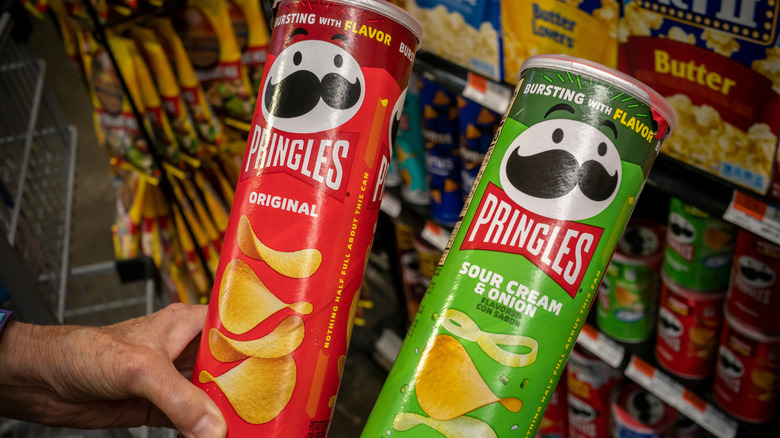
We're not sure if we should classify Pringles as a potato chip or something else completely. Not only do the original Pringles chips contain wheat, but it's rare to find any flavor variety labeled as gluten-free. The reasoning behind why these chips contain wheat is beyond us, but according to the Pringles website, it seems that this unique combination of potatoes, flour, and starch gives Pringles their distinct flavor and texture.
If the news about Pringles containing wheat has you feeling down in the dumps, we've got good news. The Good Crisp Company Original Potato Chips are sold on Amazon and feature no gluten ingredients, yet sport a similar shape, texture, and flavor to the name brand. Some people even go as far as to claim The Good Crisp Company Original Potato Chips taste better than Pringles, though others complain that the chips break easily. Of course, you could always just stick to regular potato chips — just be sure to watch out for those sneaky barley or malt ingredients that can sometimes wind up in traditional potato chip varieties, especially those that come in "salt and vinegar" flavors.
5. Oatmeal
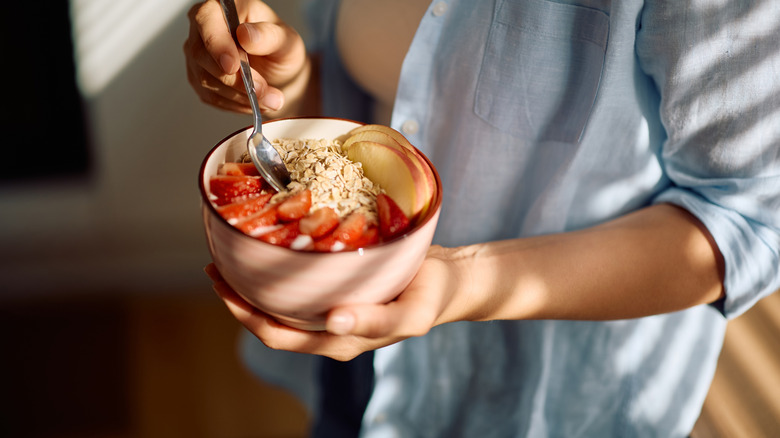
Though naturally gluten-free, oatmeal is often contaminated with gluten. Because of this, many people who are sensitive to gluten or have celiac disease may need to purchase oatmeal that is specifically labeled as gluten-free.
So, how does gluten end up on most store-bought oats anyway? Because oats are commonly harvested alongside other crops, cross-contamination is virtually inevitable. Furthermore, oats and wheat often share the same processing equipment, thereby polluting what would be gluten-free oats with, well, gluten. And while not everyone will experience negative effects from eating conventional oatmeal, some will.
Thus, if you follow a gluten-free diet and tend to experience unwanted symptoms associated with the consumption of wheat, your best bet is to purchase gluten-free oatmeal — just remember that these varieties tend to be a bit more expensive than the conventional options, meaning you may need a little extra wiggle room in your grocery budget.
6. Certain canned soups
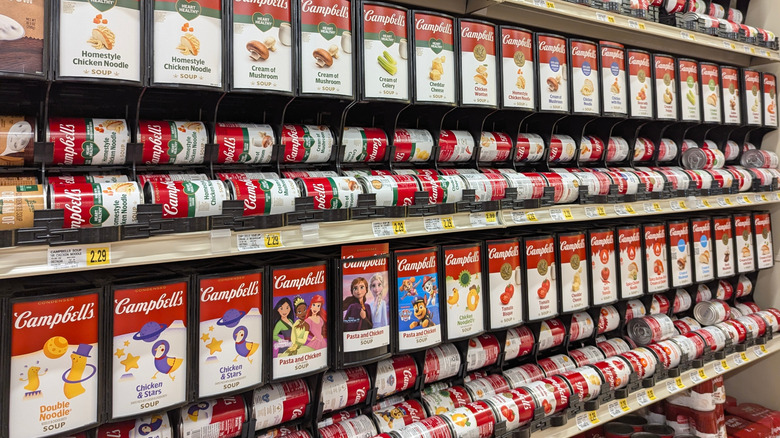
Though there are many canned soups out there that don't contain wheat ingredients, a number of them unfortunately do. And while creamier soup options usually warrant a closer look, some unsuspecting soup varieties may be more likely to catch you off guard.
Case in point: Campbell's Tomato Soup. It may be hard to believe, but this longtime classic soup favorite has wheat flour listed third in the ingredients. It isn't just Campbell's Tomato Soup that contains gluten, though — other Campbell's soup offerings, including Cream of Chicken and Cream of Mushroom, contain wheat as well.
The moral of the story? Be careful about the soups you sip and always, always read the label. If you're a big-time tomato soup fan and are looking for gluten-free alternatives, there are plenty of yummy store-bought tomato soup options out there you can still enjoy — grabs like Pacific Foods Organic Tomato Bisque Soup don't contain wheat as of the time of publication, yet still pack all that delicious umami tomatoey flavor you crave.
7. Malted milkshakes and candies

Now that you know more about malted barley and similar ingredients, it should come as no surprise that malted milkshakes and candies are officially off limits for those looking to avoid gluten. As previously mentioned, malt extracts and powders used to flavor various foods typically come from barley that has been soaked and dried with hot air. And though this ingredient certainly adds a distinct nuttiness to beloved food classics, malt-containing milkshakes, candies (like Whoppers), or stir-in malt powders, simply aren't safe for gluten-free eaters.
As of yet, we aren't aware of any gluten-free malt substitutes that mimic a flavor close enough to this gluten-containing favorite, so it's best you enjoy your shakes and other goodies without it. The flavor of chocolate on its own might be enough to satisfy cravings, but for people who love the flavor of authentic malt, this loss might be a tough pill to swallow.
8. Most thick sauces

This may come as no surprise to some, but many rich, delectable sauces often utilize wheat flour to help achieve a thick, creamy consistency. And though there are some sauce recipes that use cornstarch to achieve an irresistibly thick texture, when shopping at the grocery store, it's important to examine the label. In many cases, the use of wheat flour will be one of the first few ingredients listed, making it somewhat easy to spot.
If you'd rather not risk it, we understand — instead, we'd suggest using a gluten-free flour to make a wheatless roux to thicken your sauces and gravies at home. Gluten-free flour options like King Arthur Measure for Measure Gluten-Free Flour work wonders and can be utilized seamlessly without much difference in flavor or texture. Keep in mind that results can sometimes vary depending on the type and brand of gluten-free flour you're using; be sure to select a gluten-free flour blend rather than selecting single flours, like almond or coconut, as this will help you cook up a rich, delectable sauce without unexpected textures or flavors throwing you off your game.
9. Soy sauce
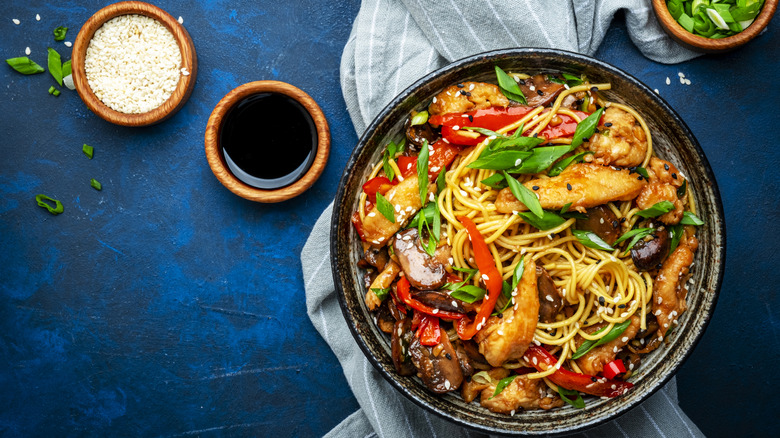
While we're on the subject of sauces, it's important to note that soy sauce contains hidden gluten, since soy is brewed with wheat to help create the signature flavor. Unfortunately, this means that you should not only avoid soy sauce in general, but also foods that might contain it — teriyaki sauce, for example, often contains soy sauce, thereby making it unsafe for people on a gluten-free diet.
Feeling bummed about missing out on all your favorite Asian fare? Don't. As long as you aren't opposed to cooking at home, several wonderful gluten-free options on the market achieve a similar soy sauce flavor, yet without the wheat. Try San-J Gluten-Free Tamari Soy Sauce or Kikkoman Gluten-Free Soy Sauce to get you started. Don't forget that there are some restaurants out there that dish up gluten-free Asian cuisine — just be sure to order entrees and side dishes specifically marked as such before placing an order.
10. Some premixed spice packets
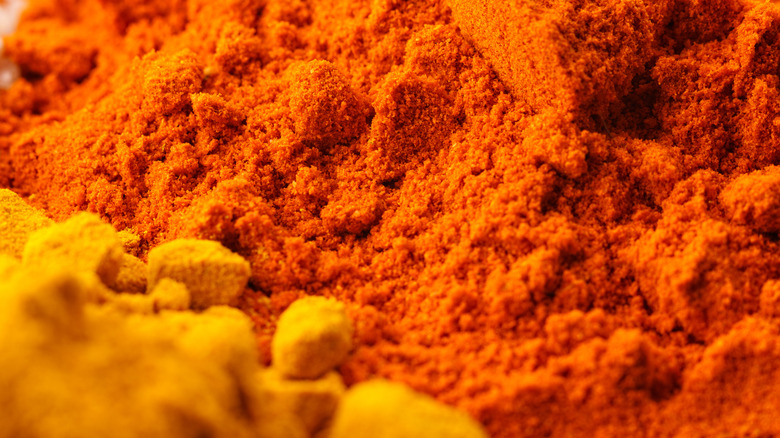
Not all premixed spice blend packets contain flour — in fact, many don't. Still, it's imperative that you search the ingredients before buying; blends may be a convenient way to achieve the flavor you crave, but some have gluten-containing ingredients lurking within. Even some bouillon cubes contain gluten — and because this hidden ingredient isn't always near the top of the list, you'll need to be very cautious before making a purchase.
If you want to add incredible flavor to entrees without gluten, it's a far better idea to simply come up with your own recipe. Use cornstarch or a gluten-free flour mix to thicken stews, soups, and chilis, and work on coming up with your own seasoning blends for a cheaper and safer way to achieve incredible flavor. If you must order seasoning packets, make sure they're marked as gluten-free directly on the label. This McCormick Gluten Free Chili Seasoning Mix, for example, is a great way to get the full flavor of chili without the threat of wheat flour.
11. Certain corn and rice cereals
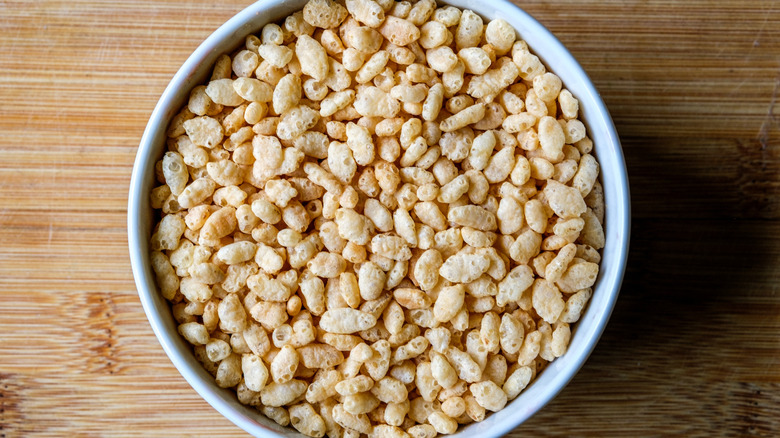
You may notice some cold breakfast cereals made of oats, corn, or rice don't bear a gluten-free label, and you may be wondering why. After all, many breakfast cereals out there seem gluten-free on the surface ... so what gives?
The truth is that many breakfast cereals made primarily of non-gluten ingredients still contain gluten, just in a less obvious way. Rice Krispies and Frosted Flakes cereals are among some of the classic cereal options that people with celiac disease or gluten sensitivities should avoid, as both list malt flavor as part of their ingredients. Thankfully, many off-branded options designed to mimic these cereals don't contain malt ingredients. Nature's Path Organic Crispy Rice Cereal and 365 by Whole Foods Market Organic Frosted Flakes Cereal are a few such options, but you'll need to examine labels yourself to ensure that the cereal alternatives you purchase are indeed safe.
12. Beer

Despite its popularity, the average beer is not safe for people looking to avoid gluten. Beer is primarily made from malted barley and hops, with malted barley, of course, being the ingredient in question when it comes to its suitability for gluten-free individuals. That said, the beer industry has pumped out other options including gluten-free and gluten-removed beers. So, are these beer varieties safe for gluten-free individuals?
It's tough to say. Beers labeled "gluten removed" may still not be safe for some individuals, despite supposedly having had the gluten removed. Instead, it might be best to try other options, like hard cider, that tend to be naturally free of wheat. Bear in mind that, like most foods on the market, you'll need to examine the ingredients carefully to be sure that the brand, flavor, and type of alcohol you choose to consume won't pose issues; even some ciders out there may contain malt, making vigilance key.
13. Certain salad dressings
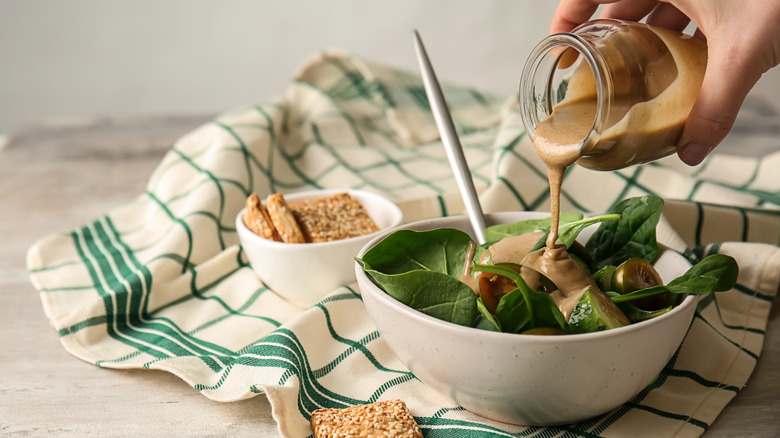
Because homemade salad dressing is typically composed of only a handful of ingredients, it can be one of the least suspecting places you'd think to find wheat. Thankfully, in many cases, salad dressing is indeed gluten-free; still, we've found at least a couple of packaged options with wheat-containing ingredients you should know about.
As previously noted, certain ingredients, including soy sauce and wheat-derived malt, contain gluten. Because of this, you'll want to be diligent to avoid salad dressings containing either of these ingredients. Asian-style dressings like sesame ginger and Italian dressings categorized as "family style" may include malt, soy sauce, or both.
These aren't the only salad dressings to watch out for, though. As companies keep churning out new flavors, you'll need to keep a close watch on ingredient labels. Don't forget, it's insanely easy to make your own salad dressing at home — come up with your own delicious creation, throw it in a glass jar, and enjoy a wheat-less dressing completely worry-free.
14. Some cheese dips
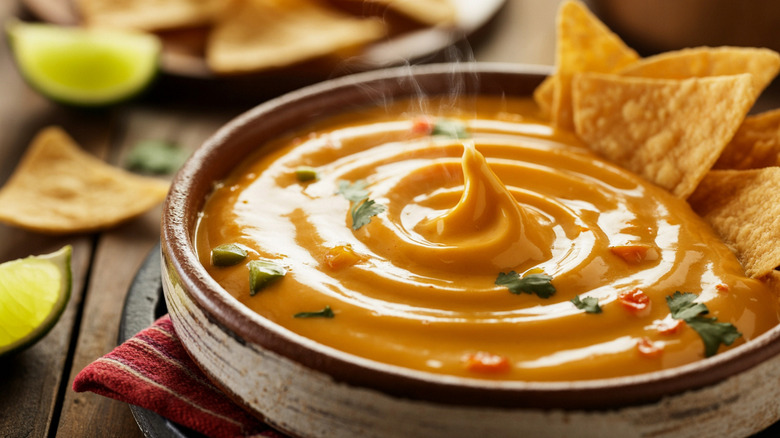
As you know by now, certain sauces and gravies contain wheat flour as a thickening agent. Unfortunately, the same can be true of some cheese dips on the market. And this should come as no surprise — many homemade queso and cheese dip recipes use flour and butter as a base. Even so, we're happy to report that wheat isn't always found in cheese dips — we've found several store-bought options, including Pace Salsa Con Queso Cheese Dip, that leave the wheat out, at least at the time of publication.
If you'd rather skip the headache of scanning labels, you may wish to explore various salsa options instead. Grocery store salsa verde offers some amazingly flavorful gluten-free varieties, including this Cholula Salsa Verde. Of course, you can always opt to make your own gluten-free cheese dip at home by substituting a 1:1 gluten-free flour for wheat flour in any cheese dip recipe. It'll taste just as good, and satisfy your need for cheese in the process!