

11 Food Network Shows You Might've Forgotten About
We've covered former Food Network stars we never hear from anymore, but what about the shows they starred in themselves? We remember many of them, maybe albeit vaguely, and still get nostalgic, especially over some of our Food Network favorites. Those were great times, when you could plop down in front of the boob tube, switch on the Food Network, and while away an hour or so with foodie hosts that often somehow felt like friends.
And, the shows had a wide range. From wacky, high-stakes competitions that really got hearts pumping to road trips around the nation to find the best fare to some interesting behind-the-scenes kitchen investigations, we tuned in for it all. It was a fun ride, with nearly endless possibilities, that old-school Food Network programming. One minute you could be watching chefs sprint to and fro, ransacking a pantry for key ingredients, and the next you were having an educational moment with your favorite host, learning insider tricks that made your own makeshift meals sing.
There were almost journalistic deep dives into how things really worked, scheduled right alongside reality TV-style shows featuring baking and cooking hijinks that felt like food-focused soap operas at times. Let's dish about 11 Food Network shows you might've forgotten about, but probably shouldn't have.
Ready, Set, Cook!
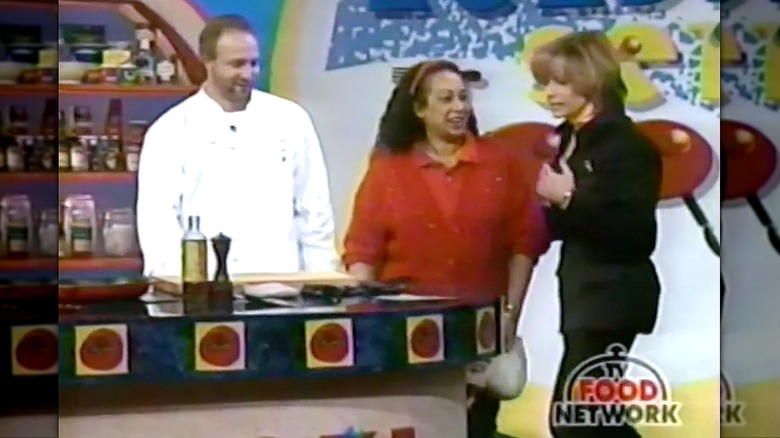
Before "mystery baskets" and their wild card contents claimed a near entire category of network TV, we had "Ready, Set, Cook!" You could say "Ready, Set, Cook!" walked so "Chopped" could run. After all, both shows were created around the similar premise of contestants tasked with creating a dish within a limited timeframe, all while using a specific, surprise set of random ingredients.
"Ready, Set, Cook!" launched on the Food Network in the mid-'90s, instantly carving out a unique niche. The show took two chefs, placed them in a kitchen, and pitted them against each other in a competition ruled by a ticking clock. The real twist came by limiting the chefs' cooking scope with a basket of ingredients that they must use to attempt to concoct a masterpiece. The results were wildly varying, and always entertaining, with some chefs rising to the occasion and invoking sheer brilliance on the fly, and others ... well ... let's just say some ideas for ingredients soared, other sunk.
Part of what made "Ready, Set, Cook!" so great is how nearly effortless it was to get swept up in the thrill of it as the minutes ticked by on the clock, watching the pair of chefs plan, and sometimes panic, as they scrambled to prepare their recipes for presentation. It was an amazing escape that even inspired many of us into more out-of-the-box thinking with what exactly we could try to whip up with whatever was in our pantries.
30 Minute Meals with Rachael Ray
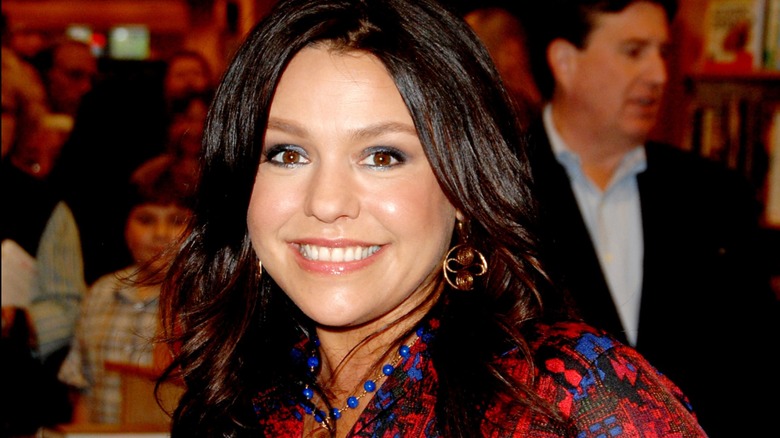
There was a moment in the early 2000s when iconic TV chef Rachael Ray hosted a show that completely changed how everyday, busy people approached weeknight dinners. Ray and her "30 Minute Meals" show felt like a breath of fresh air in an era steeped with the pressure of being it all — career person, parent, and Martha Stewart-level chef and hostess. This show took that insanely high-standard script and flipped it, with Ray invited viewers to join her in the kitchen as she whipped up tasty meals that did not require entire days spent slaving over a hot stove.
True to its name, you could make each and every one of the meals featured on Ray's episodes in 30 minutes flat. It was accessible, casual, and, most importantly, feasible. And, for busy people who still wanted homemade goodness, but did actually live in the real world, Ray's accomplishable, decidedly non high-and-mighty (yet mighty in taste) meals felt like manna from Food Network heaven.
There were so many helpful and practical cooking tips we learned along the way, while still feeling like we were gabbing with a girlfriend as we whipped up a simple meal every single week. Honestly, remembering "30 Minute Meals" still makes us pretty dang nostalgic. Its accessibility and relatability even explains a short resurgence, when 30 Minute Meals briefly returned to the Food Network for a limited run.
I Hart Food
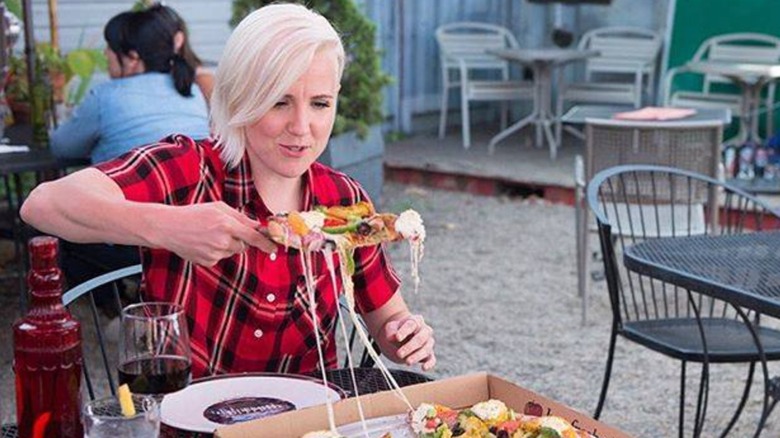
For all the Food Network shows that have been instant hits, there were also the inevitable bunch that were widely booed from the very beginning. "I Hart Food" was one Food Network miss that must've sounded fantastic while being pitched.
It all started when Food Network had the bright idea of bringing YouTube star Hannah Hart into the fold. It felt like a smart, modern move, perfectly poised to directly spin off her growing social media fame. At the time, Hart had garnered an incredible online following, so it made sense (and was assumed) that a built-in audience that already loved her chaotic, unscripted humor would follow her anywhere. Spoiler alert: They did not.
The premise for "I Hart Food" sounded super cool. Hart would explore the most iconic local foods across the nation, then bring that back to her own kitchen (and by proxy, ours). So where did it all go bust? If you ask "them" (online reviewers with plenty to say), the issue wasn't so much Hart herself (although some did find her TV presence felt a bit fake), it was that the show just got lost in translation somewhere. Hart's online success on forums like YouTube, which felt more causal and off the cuff, just fell flat on television, smoothed into something more rehearsed that fans just didn't jive with.
Semi-Homemade Cooking with Sandra Lee
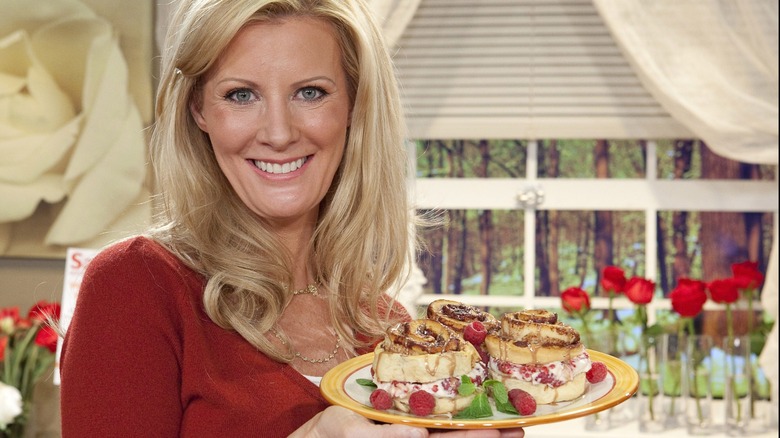
Ever wondered what it is like being a celebrity TV chef on a show? Cooking on camera isn't as glamorous as it may seem. One Food Network icon who knows all about it is Sandra Lee. After all, she is one of the TV chefs that left the Food Network behind years ago. Before "hacks" could actually be seen as a compliment, chef Sandra Lee was out there trailblazing on TV, sharing cooking shortcuts that made entertaining easy.
"Semi-Homemade Cooking with Sandra Lee" was the official name of Lee's show, and from the moment it first aired on the Food Network, the viewing audience welcomed the idea with open arms. The premise of the show stopped the shame cycle that often came with not making everything from-scratch. In fact, not only did this show not make us feeling guilty for reaching for a box, a can, or a packet of ingredients while whipping up a recipe, Lee championed it.
Featuring Lee's now-famous 70/30 approach (where most of your meal could come from the store as-is, as long as you gave it a little loving panache), the show displayed semi-homemade hacks that took store-bought ingredients and made them shine. Food purists may have mocked it, but everyday fans were watching — with gratitude.
Unwrapped

Ever wonder what happened to Food Network host Marc Summers? We covered that, but what about his show, "Unwrapped?" And yes, we are talking about that Marc Summers, the one who first earned his TV fame from his crazy hosting antics on Nickelodeon. Switching from green slime to snack trivia, Summers and his Food Network show "Unwrapped" took our favorite foods and did a full-on deep dive into all the interesting, lesser-known facts about them.
For the science nerds and factoid fans, it tapped into that investigative, must-know-more, tell-me-how-things-tick part of our brains in a fun and creative way. Each episode focused on one theme (think party treats, oversized snacks, spicy foods), then took viewers on a near Sherlock Holmes-level sleuthing journey to get the inside scoop. For many, it was intriguing to get behind-the-scenes to see what really went into all the everyday foods we usually just inhale and don't think a bit more about. From the mechanics of how food is actually produced and packaged to historical tidbits, suddenly, every food or snack niche had a story.
The fact that Marc Summers was the host was a plus, too, since because he wasn't a professional chef himself, he made the show accessible in an everyman way that felt super relatable. His upbeat demeanor while learning the barebones of each week's theme also struck a pleasant chord.
Ace of Cakes
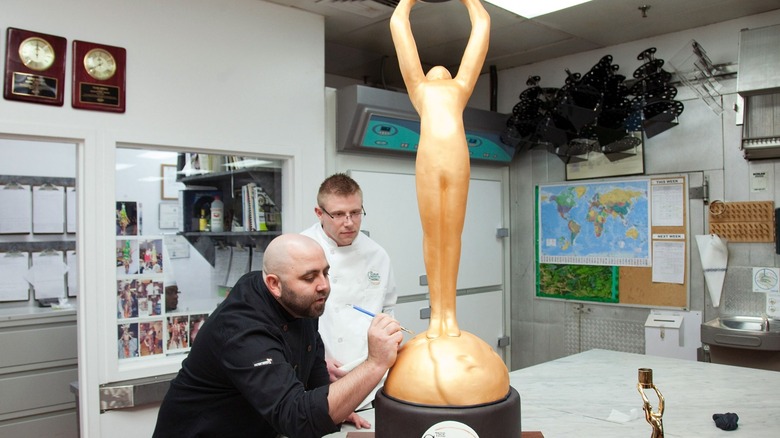
In a TV scene glutted with glaring, sometimes swearing hosts that yell at contestants and raise blood pressures everywhere, "Ace of Cakes" brought levity and joyful energy that was the perfect antidote to all the kitchen reality ire that was ailing us. Don't get us wrong, drama definitely draws attention, and we do watch it, but sometimes you just need something that is light, makes you smile,and maybe even inspires your creative side.
"Ace of Cakes" also wasn't an educational, how-to cooking show, which some found a bit boring back in the day. Instead, it focused on host Duff Goldman and his Charm City Cakes bakery in Baltimore, inviting viewers along for the ride as he and his staff (a wildly creative crew that felt more like a group of friends) tackled some truly incredible cake orders. Goldman and his merry crew elevated cakes to a true art form, making the bakers almost seem like engineers. To call most of the showcased cakes built a lesson in edible construction is no understatement (think full-scale replicas of iconic structures, complete with moving parts, blinking lights, etc).
Goldman took us behind-the-scenes for a glimpse into true professional pastry artistry, but rather than make it intimidating, it just felt fun. Suffice to say, fans dug this tattooed, motorcycle-riding baker who laughed and joked with his staff when things went awry versus berating and blaming them in an ... ahem ... hell-ish way.
$40 a Day with Rachael Ray
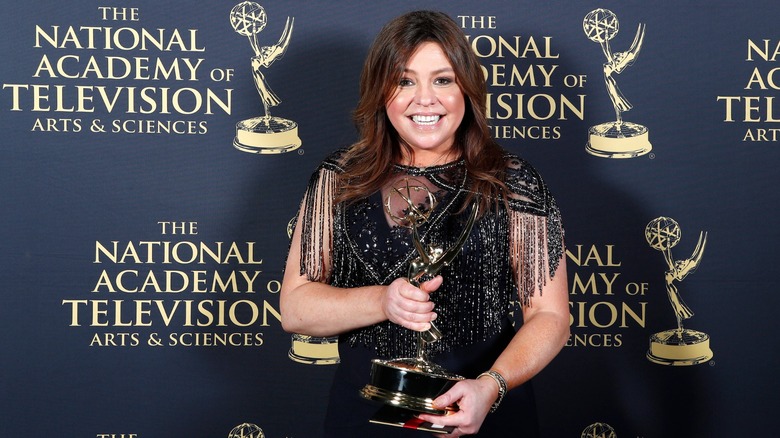
We've covered struggle meals we made that were actually delicious, allowing us to make the most of our sometimes scarce funds, so it seems only fitting we give a well-deserved nod to the TV host who helped many of us tackle the world of travel while stretching a bare-bones budget of just $40 a day. Of course, we're talking about the aptly named "$40 a day with Rachael Ray" show on the Food Network.
The show followed host Rachael Ray as she journeyed to a city, then spent one day armed with only forty dollars to cover everything she ate or drank (spread out among breakfast, lunch, dinner, and a drink or snack). The challenge felt fun and exciting, demanding creativity to stay within the bounds of the budget. It was also super relatable to most of us, who are often pinching pennies.
The added challenge of eating out at restaurants, and away from home, only increased the level of difficulty. It was here that the show leaned into that out-of-the-comfort-zone angle and had Ray seek out locals to help her find affordable hidden gems, while avoiding the more expensive tourist traps. And, we gotta admit, it was pretty impressive how she not only managed to make it work each week, but somehow always seemed to find true treasures that didn't sacrifice flavor or great taste just because their price tags weren't eye-popping.
Cupcake Wars
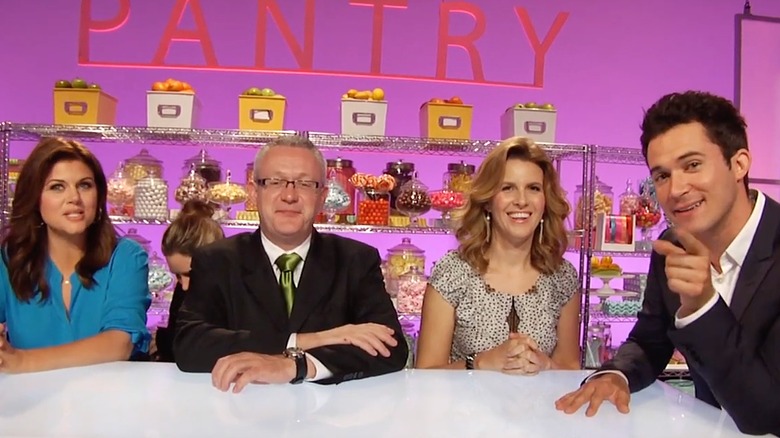
We often talk about bakers making magic in the kitchen, but what about on national television? The Food Network's "Cupcake Wars" somehow managed to take one of the most run-of-the-mill desserts and transform it into an exciting-enough vehicle to center an entire show around. And, before you think that a whole TV show focused on baking cupcakes sounds boring, there were no yawns in sight when the network rolled out what became an instant fan favorite.
What made it special was that it wasn't simply about watching some professional chef bake a dozen (albeit impressive and delicious) cupcakes, while explaining methods and offering helpful tips. We'd been there and hit the snooze button on that setup. "Cupcake Wars" instead made a judging competition out of cupcakes, and on a large scale. The show followed bakers as they raced against the clock to pump out piles of cupcakes for wacky, often random events tied to movies or whatever else was the kooky flavor-of-the-week happening.
And, forget that dozen cupcakes output, because these displays were absurd scale-wise. What was also ludicrous? Some of the flavors and client demands that cropped up to throw a dramatic wrench in the system and keep the viewing audience on the edge of our seats. Throw in an impressive (albeit quite picky!) judging panel that included the queen of cupcakes herself (looking at you, Sprinkles mastermind Candace Nelson), and you had a recipe for one successful show about mini-cake treats.
Food Detectives
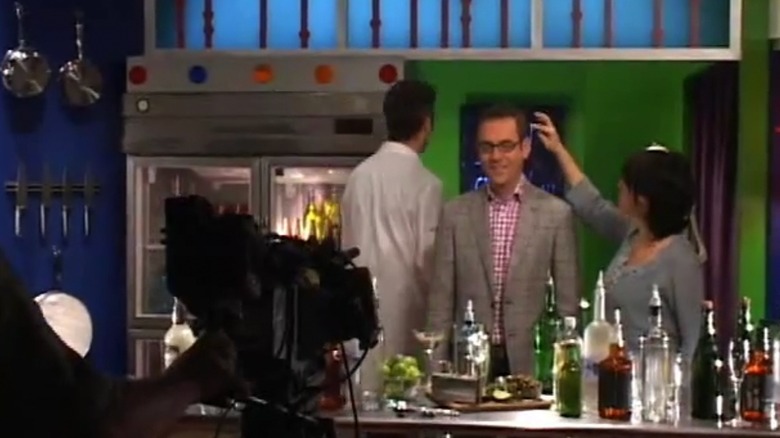
"Food Detectives" was like the "Mythbusters" of every foodie's dreams, taking questions and oft-believed concepts surrounding all things edible and putting them to the test right before our very eyes. In theory, the concept sounded like a can't-miss, debunking food myths with science, but making it fun. Aiming to tap into the curiousness in us all, which just had to have the answer to all the burning questions (like whether that five-second rule really is legit, and why or why not).
Even the chosen host, Ted Allen, whose fans were already familiar with, and generally seemed to like thanks to his "Queer Eye" and "Top Chef" history, seemed to be a full-on green light pointing to all signs a-go. Sadly, this food show based on culinary detective work was a dud. Turns out, Ted Allen was no Bill Nye when it came to garnering success as a host mixing up science with stellar TV.
Although the viewers actually seemed to like learning the answers uncovered on the show, it appeared to be more the way they were presented that failed to connect. It ended up feeling more like a classroom lesson than the scientific scavenger hunt we'd hoped for, putting the final nail in the "Food Detectives," clue-chasing coffin. Needless to say, the audience was less than impressed with the show as a whole, even though many of the factoids were pretty darn cool.
Door Knock Dinners
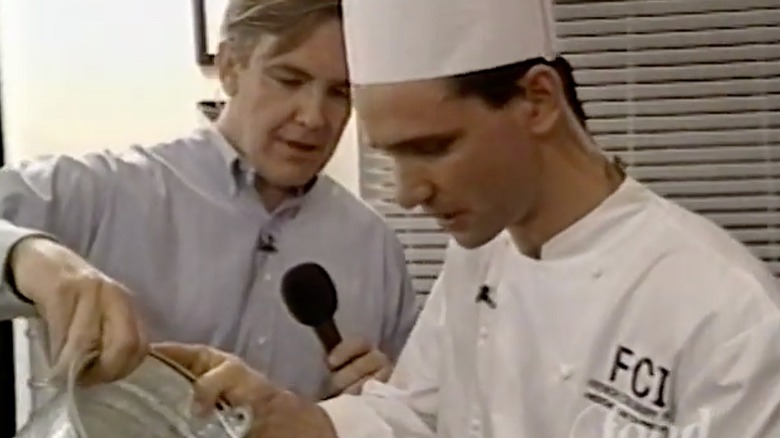
"Knock, knock! Who's there?" If you were watching the Food Network in the mid-2000s, chances are it was the "Door Knock Dinners" crew, claiming their next "victim" ... er ... surprise participant. Each week of this show saw a host and guest chef knocking on a stranger's door, then proceeding to raid their pantry and cook a meal in their kitchen. The challenge (and real entertainment) was that they could only use what was already in the house. That meant no smuggling in ingredients, and definitely no trips to the store. It was kinda like comedy improv (really flying by the seat of one's pants), but in the kitchen. Speaking of comedy, the results (and journey to get there) were pretty funny.
After all, these were real, everyday people living busy lives. They didn't know they'd be getting a knock on the door (complete with filming crew). Sometimes the host and chef would find a pretty decent collection of groceries. Other times? Let's just say there were some shows with real slim pickins' (think a fridge full of half-used condiments and not much else).
That thrill of the unknown was exactly what made the show really fun to watch. It also helped that "Door Knock Dinners" had a super relaxed vibe, with an almost Mr. Rogers-esque energy, kind of like knocking on a neighbor's door to borrow a cup of sugar feel.
Sweet Genius
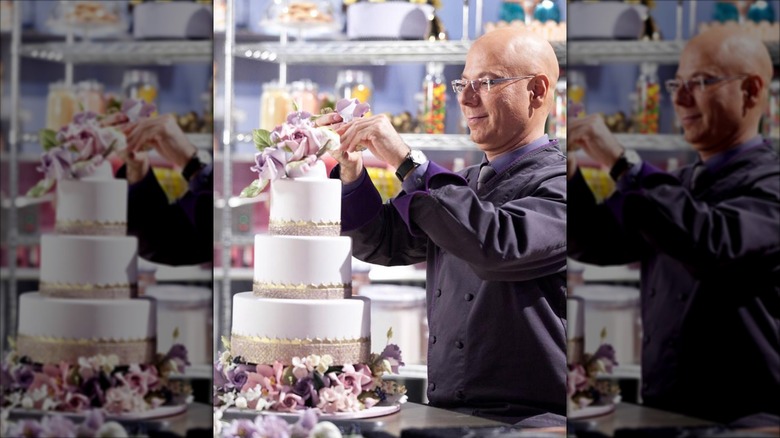
The show was called "Sweet Genius," but it may as well have been called "Mad Scientist." This Food Network show was both hosted and judged by celebrated chef Ron Ben-Israel, and even was filmed on a set that lowkey channeled some dessert laboratory vibes. But it was really the concept that made viewers feel like they were watching sweet science experiments come to fruition (the good, the bad, and yes, the ugly).
It was a gleefully bizarre premise, which posed pastry chef contestants with the challenge of taking ingredients that had absolutely no business being together, to somehow create a sweet dessert masterpiece that would wow Ben-Israel (and viewers at home) enough to come out on top. And, before you think that doesn't sound too difficult, wait until you hear some of the outrageous combos. Pretty sure we recall a hot sauce and jelly beans pairing, and squid ink and candied ginger definitely also made an appearance. Or what about duck fat in dessert?
Not only did the pastry chefs have to tackle these bizarre ingredients, but they were then tasked with certain themes, or "inspirations," which they also had to incorporate into their makeshift masterpieces. While one would think the judge would be pretty lenient considering all of these obstacles, Ben-Israel could actually be a real disciplinarian, which only added to the entertainment. Is it weird (mildly sadistic?) to love watching contestants panic sweat? If so, guilty as charged.