

The Expensive Tinned Seafood That Is Never Worth Splurging On
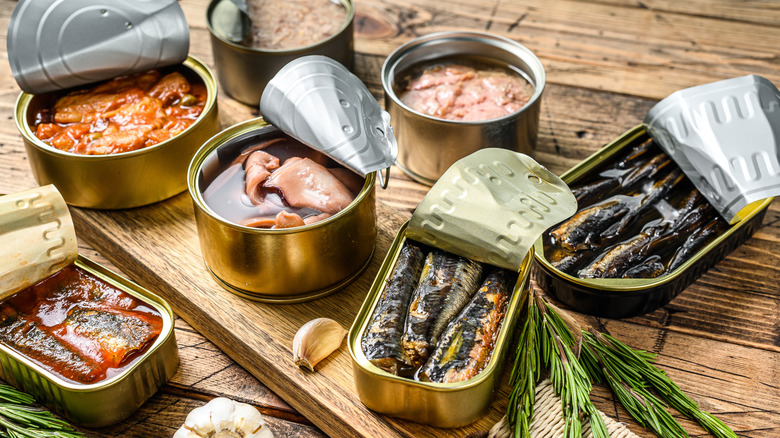
Tinned seafood is generally convenient but almost never tastes great. Just consider the difference between a nicely cooked, fresh tuna steak and the underwhelming canned version that got you through college — they're so different they could easily be mistaken for two different meats.
This is even more true when we talk about lobster, one of the most expensive meats in the world. Fresh lobster is delicious, but it usually costs a lot. Although the dish was once reserved for the working class, especially along coastlines where it was abundant, overfishing made it scarce and more desirable. Eventually, it became so costly that it's now largely reserved for fine dining and special occasions.
Given this context, does it ever make sense to buy canned lobster? Bill Carvalho, founder and former president and CEO of Wild Planet Foods, certainly doesn't think so. "I like canned lobster well enough but it cannot compete with the moist, rich flavor and snappy texture of fresh lobster," Carvalho told The Takeout. As for the price, he argues it simply isn't worth it. "It seems the cost of canned lobster meat is over $100 per pound. It is hard to justify such a price for a tinned protein item," he adds. Ultimately, if you're going to splurge on food, it should be on the real thing, not a second-best alternative. And if you're still set on canned lobster, Carvalho suggests using it for lobster rolls or pasta, where it will serve to complement other ingredients.
The hidden costs of lobster
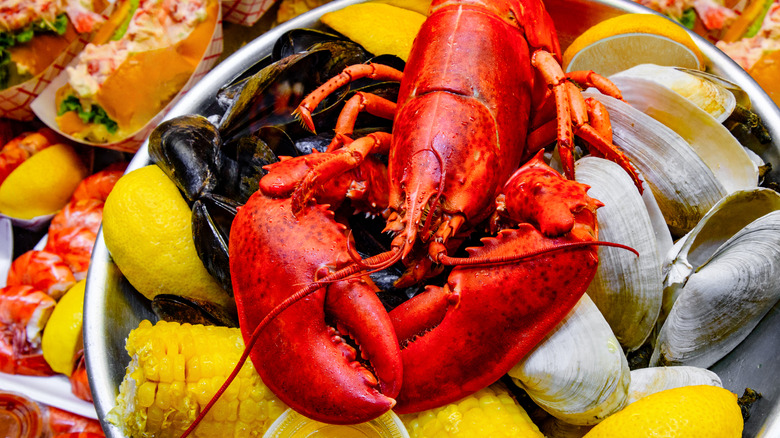
Lobster comes with high costs that go beyond its price. Even if you buy fresh lobster, it's easy to make a costly mistake that can ruin the entire meal. Plus, preparing and eating the animal is so difficult that it requires special instructions. And even after all that effort, you still end up with a relatively small quantity of meat.
Additionally, Carvalho highlights often-overlooked environmental costs to consider. Specifically, he points out issues with the U.S. and Canadian lobster industries, especially those fishing for wild-caught Atlantic lobster. "Monterey Bay Aquarium Seafood Watch has ranked [these] fisheries as RED/AVOID due to interactions with and mortalities of [North Atlantic] right Whales," he says. Beyond these environmental concerns, lobster populations in the area also suffer from overfishing and depleted populations.
At the end of the day, maybe the question shouldn't be whether tinned lobster is worth buying, but whether lobster is worth buying at all. Of course, nothing is black-and-white. Many Northeasterners depend on the fishing industry for their livelihood, and completely foregoing purchasing lobster could have unwanted economic effects on the fishing community. As such, perhaps the best solution is to only buy lobster when you're visiting areas where they are abundant and during the right seasons. This is also a great way to get a better price on the animal, and it's certainly better than paying exorbitant prices for the canned version. Alternatively, Carvalho advises consumers to focus on other types of seafood. "There are dozens of [tasty] and underutilized fish and shellfish species that are affordable, delicious, and versatile," the expert states.