

New US Dietary Guidelines Are Out With A Familiar Look — Here's What It Says We Should Be Eating
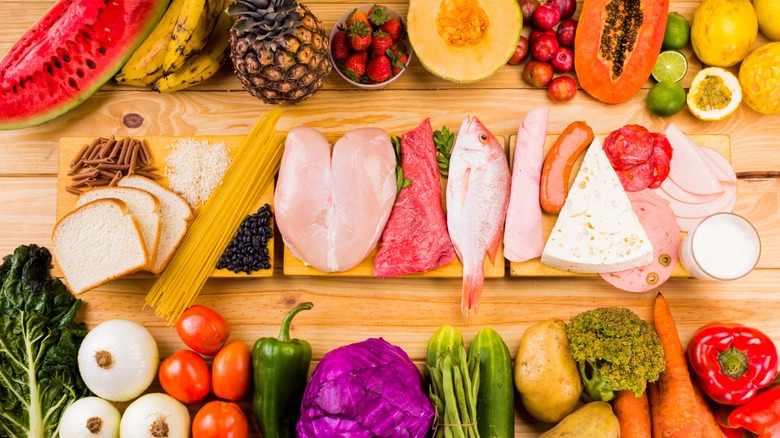
The U.S. Department of Agriculture and the Health and Human Services Department revise nutrition guidelines every five years, so Americans now have a new set of dietary recommendations for living a healthier lifestyle. The new guidelines pivot from recent suggestions indicating Americans should attempt to eat vegetables, fruits, grains, and protein in somewhat equal portions. Instead, HHS Secretary Robert F. Kennedy, Jr. and USDA Secretary Brooke Rollins are recommending a decrease in the amount of grains people eat, an increase in protein intake, and, above all else, cutting back on ultra-processed foods and sugar.
The new recommendations are illustrated on realfood.gov as an inverted and slightly altered version of the outdated food pyramid. Protein, dairy, and healthy fats sit at the top alongside vegetables and fruits as the type of foods people should prioritize. The organization is recommended full-fat dairy products, which is a reversal from the old suggestion that dairy should be as free of fat as possible.
Not everything changed, though. The recommendation for daily sodium intake remains at less than 2,300 milligrams a day for anyone over the age of 14. And although Kennedy has been known to assert that saturated fat has been wrongfully demonized for decades, the guideline for saturated fat consumption remains at less than 10% of one's daily diet. The primary emphasis of the new protocols is on eating real food as opposed to manufactured products. However, not everyone agrees these new guidelines are healthy.
US dietary guidelines for meat spark controversy

Proponents of the new dietary guidelines argue they were created using "gold-standard science and common sense." While people don't need to avoid all processed foods, the increased emphasis on reducing the amount of ultra-processed foods and sugar intake are two things many folks already know are problematic. That's a recommendation most nutritionists can get behind.
Critics, on the other hand, take issue with propping up protein above whole grains. The American Heart Association praised the move to deter folks from consuming sugar and processed food, but isn't on board with the emphasis on eating red meat or salt seasoning. Other health experts have criticized the new insistence on protein and dairy consumption, arguing that it makes it challenging for individuals to stay under the 10% recommended amount of saturated fats and flies in the face of decades of health research.
The new guidelines also amend the previous instruction that women ingest no more than one alcoholic drink per day and men imbibe only two. The revised language about alcohol suggests people should simply drink "less alcohol for better overall health" (which may please many a martini connoisseur).
Whether people and organizations praise or rebuke the new dietary guidelines, they are here to stay for now. These recommendations influence federal food assistance programs like SNAP as well as school lunch menus and military nutrition. Within the next two years, folks can expect to see these changes take effect in those programs.