

12 Lasagna Upgrades You Need To Try

You may think that there is no such thing as bad lasagna. After all, can you ever go wrong with pasta, saucy meat, and melted cheese? Probably not, but there are definitely ways you can upgrade your favorite lasagna recipe and make it even more delicious. Even if you prefer to go the traditional route when making this tried-and-true classic, it's worth keeping an open mind (and mouth) because you may be in for a surprise. Deciding how many layers your lasagna needs is one thing, but you should always start with the highest-quality ingredients you can afford, such as creamy ricotta or béchamel, ooey-gooey mozzarella, and a flavorful marinara or ragú. Then, enhance the lasagna with one or more additions to incorporate your own creative spin.
You probably already have a few of these unique ingredients in your pantry or refrigerator, while others may require a trip to the grocery store or a specialty food market. Don't be afraid to play with the flavors, mixing and matching sweet and savory ingredients or even adding a splash of booze if you're feeling daring. You can also take advantage of your summer garden or favorite farmers market and use the current season as inspiration when choosing the freshest upgrades to take your classic lasagna recipe to the next level.
Making a yellow squash and béchamel lasagna

If the traditional recipe isn't your thing or you're ready to try something new, consider making a yellow squash and béchamel lasagna. The white sauce pairs beautifully with the slight sweetness of ripe squash, transforming the Italian dish into a decadent treat worthy of holidays and special occasions. One of the five mother sauces of French cooking, béchamel is a roux of milk, butter, and flour, found in rich dishes like chicken pot pie and mac and cheese.
This lasagna upgrade goes heavy on the cheese and white sauce. Pour the béchamel over the layers of pasta sheets, mozzarella cheese, and ricotta. You can also use a mixture of béchamel and marinara if you prefer a more traditional pink sauce. When it comes to the mild-flavored yellow squash, you can either puree or slice and saute it. Incorporate it into the lasagna along with the other ingredients, or combine the puree with the béchamel before layering. Depending on what you have on hand, you can use different types of squash (such as butternut) instead of the yellow variety, or pair them together. You can also add sauteed spinach to this recipe to add a vibrant pop of color and extra nutritional value.
Swapping pasta sheets for eggplant
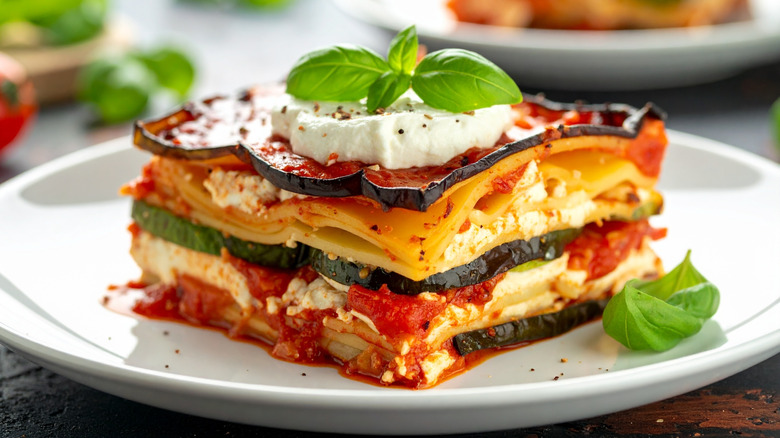
If you want to cut back on your carb intake or incorporate more veggies into your diet, you can't go wrong with mouthwatering eggplant lasagna. This recipe is similar to the classic version, but you'll substitute slices of eggplant for pasta sheets. Just imagining layers of thinly sliced fresh eggplant along with tangy tomato sauce, creamy ricotta, and melty mozzarella cheese will have you ditching the pasta in your next batch of lasagna. The vegetable will give the classic Italian dish a fresh touch, and it's a lighter alternative for those craving a less filling lasagna, which can be heavy and dense when prepared the traditional way.
Cut the eggplant into thin slices and coat generously with salt to draw out excess moisture. After patting them dry with paper towels, there are a few different ways you can prepare the lasagna, depending on your preference. For a softer texture more reminiscent of pasta, you can toss the eggplant slices in olive oil and roast them until they are golden brown and tender. As another idea, coat the slices with egg and Italian breadcrumbs, and fry them until they're crispy, similar to eggplant parmesan. Air-frying the slices is an additional option.
Replacing Italian sausage with oxtails
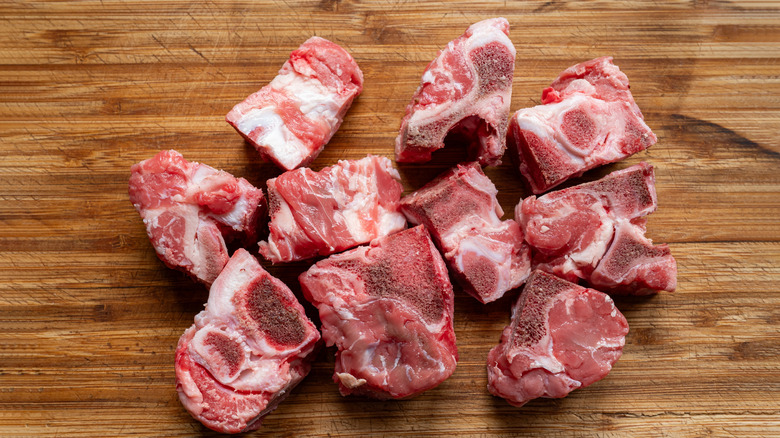
Oxtails may be the most unexpected upgrade ingredient on this list, but they will transform your lasagna recipe from everyday to extraordinary. Replacing Italian sausage with savory braised oxtails will make the dish even richer and give it a meaty bite. The natural collagen released from the bones during the simmering process lends a creamy texture to the sauce as well as a beefy umami flavor. Before cooking the oxtails low and slow to break down the tough muscle fibers and create a melt-in-your-mouth texture, marinate them in a Worcestershire-based sauce first. Next, sear them to add flavor, and then simmer everything for three to four hours.
The tender oxtail meat is sliced and added to the lasagna layers along with pasta sheets, mozzarella, and a ricotta cheese and egg mixture. Instead of using traditional marinara, you could add moisture to the lasagna with the simmering sauce from the meat. You can sprinkle fresh basil and parsley over the top to add freshness and vibrant color. Finish the dish with freshly grated parmesan and serve alongside garlic bread for soaking up the excess sauce.
Using fresh pasta sheets
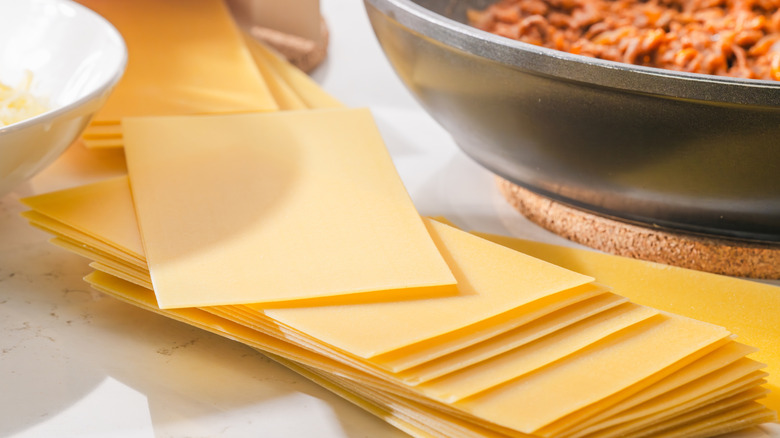
Sure, using fresh pasta sheets in your lasagna will either cost you a bit of money or time in the kitchen, but the results will be mouthwateringly worth it. While you can take a trip to the grocery store and buy a package of dried pasta sheets, your dish will feel even more special if you make them from scratch. You most likely already have all the ingredients in your kitchen, including flour, eggs, and water. If you don't own a pasta machine, you can roll the dough into thin sheets using a rolling pin.
As an alternative, consider purchasing the fresh pasta sheets at a specialty market. Not only does the fresh product taste better than pre-packaged versions, but it also has a more desirable texture. You don't even need to boil the homemade pasta before adding it to the dish. They go straight into the lasagna dish as is, and you'll have one less pot to wash at the end of the day. After layering them into the lasagna, the freshly made pasta sheets should bake al dente, so you won't have to worry about them turning out mushy or overcooked. If you have leftovers, you can even freeze fresh pasta.
Enhancing ricotta with lemon zest and herbs

When it comes to seasoning lasagna, the tomato sauce typically gets all the love while the ricotta mixture is often left untouched. Traditional marinara sauce is generally seasoned with a variety of Italian herbs and spices, including dried and fresh basil, oregano, and parsley. The result is a robust, tangy flavor that pairs well with the richness of the ricotta, parmesan, and mozzarella cheeses. Taking a moment to season the ricotta and egg blend, however, will give your homemade lasagna an added layer of flavor for an instant upgrade.
You can season ricotta with traditional spices such as salt, pepper, and dried Italian seasoning blend, but consider dressing it up with fresh lemon zest, garlic, and herbs for a gourmet flavor. Lemon zest may be an unexpected ingredient, but it lends a tangy brightness to the dish. Garden-fresh herbs such as basil, oregano, or dill will give the dish a robust, earthy flavor not found in their dried counterparts. Stir the chopped herbs and zested lemon into the creamy ricotta mixture before layering it in the baking pan. The fresh, flavorful additions will upgrade both traditional and vegetarian lasagna with just a little extra effort. Before trying it out, however, it's important to learn how to properly zest citrus.
Making lasagna with ravioli

If you love both lasagna and ravioli, try combining the two for an Italian-inspired dish that will impress everyone at your dinner party. Using fresh or even frozen ravioli will boost your next batch of lasagna in all the best ways. The addition of the soft pillows of goodness gives the classic dish an extra layer of flavor, whether you use cheese, veggie, or meat-filled ravioli. This upgrade idea is also a creative way to use up any leftovers that you have, or please picky young eaters who don't like traditional lasagna. The bite-sized pieces are easy for kids to eat, making it ideal for family gatherings.
Whether you're using fresh or frozen ravioli, there is no need to boil them before adding them to the lasagna. Incorporate them into the dish just as you would pasta sheets. The ravioli will bake to perfection under the layers of other ingredients, including ricotta, mozzarella, and marinara sauce. The tender and flavorful ravioli will blend well with the creamy, melty cheeses, zesty tomato sauce, and any meat you'd like to use in the recipe.
Drizzling in some hot honey
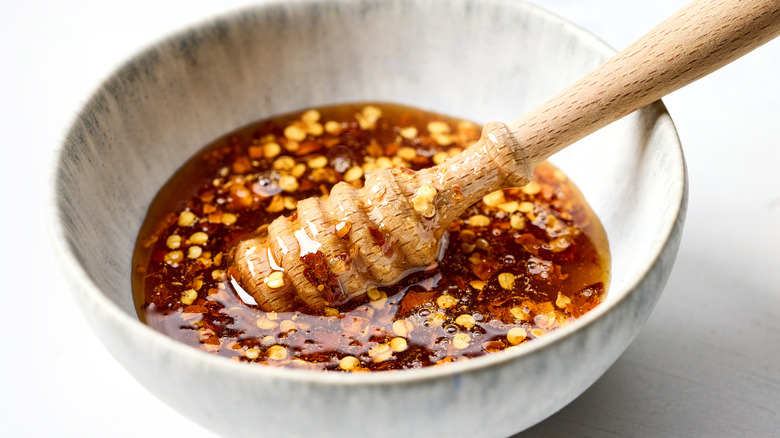
Hot honey is another unexpected yet delicious way to enhance your lasagna recipe in just a matter of minutes. Sweet meets heat in this explosion of flavors, which combines the stickiness of the honey with the fire of red pepper flakes and the tanginess of marinara sauce. If you're someone who craves sugar, spice, and saltiness all in one bite, this lasagna twist is for you. Adding hot honey is versatile because it works in recipes that call for either a tomato-based sauce or a rich, creamy bolognese. If you prefer milder dishes, a more white-sauce-heavy lasagna will temper the heat of the honey.
For this upgrade, you can either buy a bottled version or make the hot honey yourself with just a few ingredients. Simply pour plain honey into a bowl and add as little or as much red pepper flakes as you'd like. Whipping it up from scratch will also allow you to control the level of spiciness. When assembling the lasagna, drizzle some of the hot honey over the layer of ricotta or béchamel. As another idea, you can top the baked lasagna with honey right before serving. The warmth of the lasagna will allow the honey to melt into the dish, permeating each layer with the sweet and spicy taste sensation.
Booze up the sauce with red wine

Everyone knows that a glass of red wine is the perfect complement to a piece of rich and decadent lasagna, but it's just as good incorporated into the dish as well. A splash of full-bodied red wine will add a depth of flavor to the sauce not usually found in jarred marinara. While you can increase the complexity of store-bought sauce with red wine, it's easy to make from scratch using a few simple ingredients. The addition of the wine brings the flavor of the lasagna to the next level, and you don't even have to use your most expensive bottle.
When choosing the best type of wine for your lasagna, go for a bold, full-bodied red such as merlot, malbec, or cabernet sauvignon. Pour a healthy amount into the sauce, along with crushed tomatoes, garlic, red pepper, and spices like oregano and basil. If you want to add meat, ground beef and smoky pancetta will pair beautifully with the flavor of the red wine. Combine the ingredients in a saucepan and simmer them to bring out all of the complex flavors. You can also add spinach to the sauce for a fresh, earthy element.
Give lasagna a taco twist

If you can't decide between making Italian or Mexican cuisine, you won't have to compromise if you give your lasagna a taco-inspired twist. Also known as Mexican lasagna, this dish combines the flavors of a delicious taco with the gooey goodness of the Italian classic. While the finished product will resemble lasagna when it's pulled piping hot from the oven, the ingredients are much different, starting with the pasta. Instead of using the classic sheets in this recipe, you'll create layers of fresh tortillas. You can also add hot sauce and make the dish as mild or as spicy as you'd like.
Start by spreading tomato or enchilada sauce on the bottom of the pan, then topping with a layer of tortillas, which will mimic the pasta in classic lasagna. Next, spoon in ground beef that's been mixed with taco seasoning for the flavor we all know and love. You can get creative with the other layers, using ingredients such as refried beans, cheddar cheese, and sauteed green peppers and onions. If you want the lasagna to have a smoky flavor, add some fresh grilled corn. Top the melty casserole with sour cream, pickled jalapeños, diced tomatoes, and sliced black olives.
Season it with nutmeg
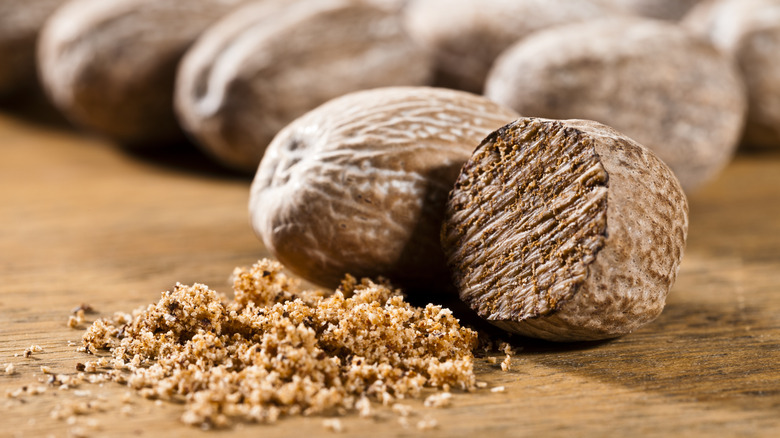
The secret to a tasty lasagna doesn't just lie in the layers of cheese and noodles. It's an unassuming pinch of ground nutmeg that can unlock all of the deliciousness in your favorite recipe. You may not even know it's in the sauce or be able to identify its flavor when melded with the other ingredients, but nutmeg is a surefire way to upgrade your next batch of lasagna. The ground spice will infuse the dish with a warm, nutty, and slightly sweet nuance without overwhelming it. Ground nutmeg can also enhance your store-bought alfredo sauce, and it's a versatile seasoning that works in both savory and sweet dishes, such as pumpkin pie.
How you incorporate it into the lasagna matters. Instead of sprinkling nutmeg into the ground beef and tomato sauce, add it to the ricotta and egg mixture. The spice balances the acidity in the cheese, enhances its creaminess, and gives it a comforting touch, making it a culinary match made in heaven. Use just a pinch of the powder at first, and add more to taste. Ground nutmeg will enhance both meaty and vegetarian lasagnas, especially those made with seasonal fall vegetables such as butternut squash and pureed pumpkin.
Finish lasagna with a crunchy topping

If you think your favorite family lasagna recipe can't possibly get any better, give it a crunchy topping. The contrast of the tender, creamy pasta layers and a salty, crispy topping creates an irresistible combination of flavors and textures. The beauty of enhancing lasagna with a crunchy element is that the sky (aka cheesy top layer) is the limit when it comes to possibilities. You can play around with a variety of pantry ingredients to find your perfect match. This upgrade takes its inspiration from one of the tastiest elements of traditional lasagna: the random crunchy bits of browned cheese and pasta corners on top.
Some delicious topping ideas include crushed crackers mixed with melted butter, crumbled sour cream and onion or cheesy potato chips, and fried onions. Sprinkle the chips over the lasagna either before or after baking in the oven, depending on the level of roasted crunchiness you crave. You can also grate a generous amount of fresh parmesan on top before baking for added crunch.
Transform your lasagna leftovers into skewers

Did you host a holiday meal and now have more leftover lasagna than you know what to do with? Turn last night's tasty meal into bite-sized snacks that are as fun to prepare as they are to eat. Lasagna pasta skewers are also the perfect party appetizers, as they'll appeal to guests of all ages. For ease of cutting, slice the lasagna into small, uniform pieces after it's been chilled in the refrigerator. Slide the cubes onto wooden skewers or toothpicks and then pan-fry them in olive oil until they're crisp and golden brown.
The frying process will also make the cheese melty again. When you're frying the cubes, rotate them in the pan to ensure they're crispy on all sides. Serve the savory bites with marinara for dipping, as most of the sauce likely dried out or was absorbed by the pasta overnight. You can either make your own or buy one of the best store-bought pasta sauces. If you're serving the lasagna skewers at a party, place them on a tray and sprinkle some fresh parsley, basil, or parmesan over the top for added color and flavor.