

The Overlooked Vegetable That's Actually The Most Nutritious In The World
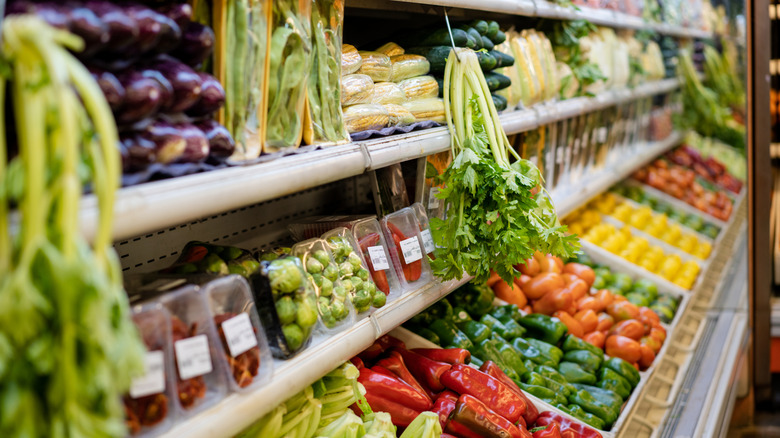
What if the healthiest vegetable on the planet isn't kale, spinach, or broccoli (America's favorite vegetable), but something you've probably walked past in the grocery store without a second glance? It's tiny, peppery, and misused and abused as garnish — it's watercress! Most people aren't familiar with watercress — maybe because for some absurd reason grocery stores tend to stock it in obscure places or because it never got the same PR push as kale or cauliflower. Unfortunately, watercress is barely making headlines six years after it topped the Centers for Disease Control and Prevention's list of Powerhouse Fruits and Vegetables, with a perfect nutrient density score of 100.
While many fruits and vegetables are known for their nutrients, the CDC used a stricter standard in the study. To qualify as a "powerhouse" food, an item had to deliver at least 10% of the daily value of 17 key nutrients per 100 calories. The nutrient amounts were pulled from USDA data measured per 100 grams of raw food, then converted into nutrients per calorie to determine the score (now that's some pretty particular criteria!). Those 17 nutrients were chosen for their public health importance: potassium, protein, calcium, iron, thiamin, riboflavin, niacin, and vitamin A, plus nutrients linked to chronic-disease protection, including fiber, folate, zinc, and vitamins B6, B12, C, D, E, and K.
Although watercress may not have the vitamin A of sweet potatoes, the potassium of beet greens, or the protein of Brussels sprouts, what makes it special is that it still delivers at least 10% of every qualifying nutrient — all while staying vastly below 100 calories.
Watercress is full of nutrients
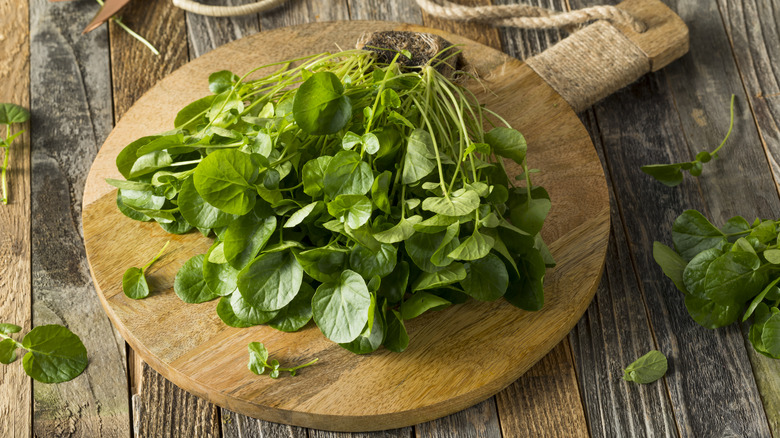
Watercress is also one of the richest sources of phytochemicals — natural compounds found in plant foods that not only give them their color, but also help protect the body from inflammation and cell damage linked to chronic illnesses, especially cancer. When watercress is cut or chewed, it releases compounds called isothiocyanates, which help neutralize carcinogens and stop tumors from spreading. Studies show the isothiocyanates in watercress may help prevent colon cancer as well.
Some phytochemicals within watercress contain a high amount of antioxidants called carotenoids, which protect cardiovascular health and reduce the risk of a heart attack and stroke. Watercress also contains dietary nitrates — plant compounds known to improve blood flow, support healthy blood vessels, reduce blood pressure, and may even enhance athletic performance.
And the list of benefits goes on. Next time you're at the grocery store, add watercress to your cart — and if you can't find it, ask a grocer where it's hiding. Watercress is most nutrient-dense when it's raw since many of its vitamins are heat-sensitive, so you'll want to add it as a peppery bite to salads, replace the classic greens that are lacking in the nutrient department on cold sandwiches, top on eggs and roasted meats, or blend into pesto, green goddess dressing, or even a quick green pasta sauce. Your body — and your taste buds — will thank you.