

12 Of The Biggest Salmonella Outbreaks In US History
The most fearsome, famous, and upsettingly common types of food poisoning often come from salmonella. These bacteria are found to thrive in particular foods, including all kinds of meat, poultry products, produce, and milk. The pathogen can survive for many weeks in dry places and months if submerged in water. This means the soil and water used to grow crops and produce livestock for human consumption can very easily acquire salmonella. If it makes it into your home and you don't avoid these common kitchen habits that can cause food poisoning, salmonella infection can result in telltale symptoms like diarrhea, nausea, vomiting, fever, and abdominal pain.
Salmonella isn't just one microbe that food producers and public health agencies have to keep an eye on. It's more of an umbrella term to describe a collection of 2,500 separate but related strains or serotypes. The germ can find its way into just a small bit of food before quietly infecting surrounding products, thus entering the food system and potentially causing widespread illness. It's the reason behind multiple major food recalls and some of the most alarming and deadly public health disasters in American history. Here are some of the worst salmonella outbreaks to ever occur on (and in) American soil.
Schwan's ice cream
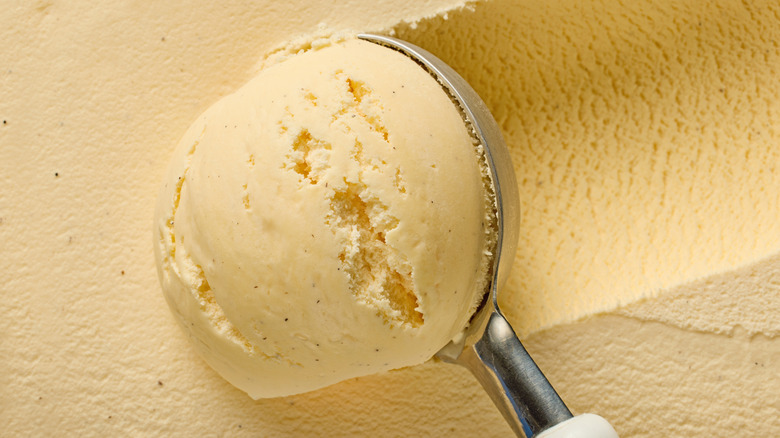
Vanilla ice cream may be boring, but it once sparked a nationwide food poisoning outbreak. Around the fall of 1994, the Minnesota Department of Health processed an unusually large number of reports of illnesses triggered by salmonella enteritidis, a foodborne bacteria that can cause gastroenteritis and symptoms like diarrhea, fever, nausea, and vomiting. These bacteria most commonly pop up in poultry products, which is how they found their way into a large supply of ice cream, the Minnesota Department of Health discovered after an investigation.
Mass-manufactured ice cream can be made with a premix, a method that food distributor Schwan's had employed. In 1994, some premix was held in tanker trailers that had previously been used to transport unpasteurized eggs. Those eggs left behind an abundance of salmonella, which made its way into the premix and was then used to make containers of vanilla ice cream. It's estimated that just under 7% of all consumers who bought and consumed the ice cream contracted gastroenteritis, amounting to around 224,000 people nationwide across 41 states. Officially, nearly 600 ice cream-related gastroenteritis cases were reported to the Centers for Disease Control and Prevention.
Hillfarm Dairy milk
Jewel has been a dominant Midwestern grocery store for the better part of a century. It is now a division of Albertsons and known as Jewel-Osco in a co-branding with a pharmacy chain. As such, it has often contracted and owned food producers to stock its supply of private-label or store-brand merchandise. In the 1980s, Jewel-run Hillfarm dairies produced milk for its large network of stores, an operation threatened by a 1985 salmonella exposure. The Illinois state public health department followed up on reports of salmonella poisoning, finding 5,295 cases of salmonella infection linked to Jewel milk, spread across Indiana, Michigan, Iowa, Wisconsin, and Illinois. Nine deaths were associated with the outbreak.
Illinois health officials discovered the problem on April 1, 1985, identifying salmonella in a batch of Bluebrook 2% milk from late March at the Hillfarm Dairy in Melrose Park. Jewel pulled potentially affected dairy from grocery stores but kept sending out tainted milk for a week after it was first flagged. Consequently, more contaminated culprits included two batches of skim and 2% milk packaged on April 8, under the Hillfarm brand. Jewel finally closed the Illinois facility on April 9. The company faced more than 30 lawsuits from people who consumed its products and became ill. The Illinois state Attorney General also sued, reporting that the chain's employees violated environmental law by disposing of contaminated milk down storm drains outside roughly 18 stores.
Malichita cantaloupe
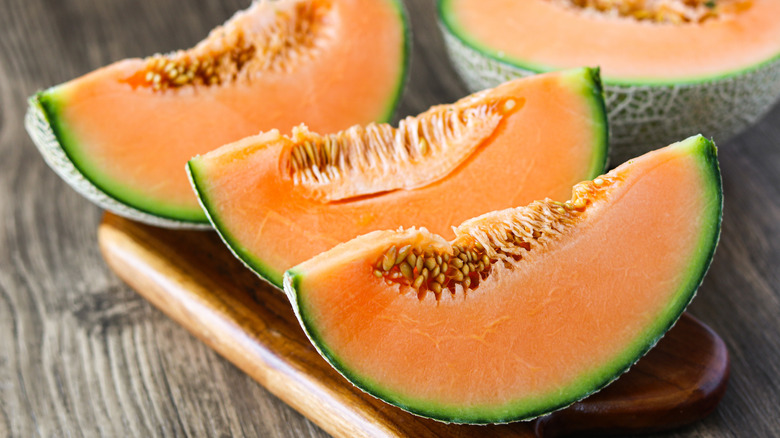
Your cantaloupe might be flavorless, but you should be glad that it's safe. Between October 15 and December 25, 2023, hundreds of people in the U.S. and Canada fell ill after eating fruit later determined to have been grown and produced in Mexico. The U.S. Centers for Disease Control and Prevention announced on November 17 that the reason for illness was cantaloupe, sold whole by Trufresh under the Malichita and Rudy brand names. In the U.S., 407 people in 44 states were diagnosed with salmonella infection. Of that figure, 158 were hospitalized, and six died. The majority of the affected were either under the age of five or over 65. In Canada, 190 cases were confirmed, including 68 hospitalizations and nine deaths.
At the time of the outbreak announcement, recalls were already underway. Whole cantaloupes potentially infected with salmonella had been recalled throughout the U.S. and Canada, as well as cut products made by the Vinyard Fruit and Vegetable Company and similar items sold by Aldi. Recalls continued throughout the remainder of 2023, with pre-cut cantaloupe disappearing from stores like Kroger, Sprouts, and Trader Joe's.
PCA peanut butter
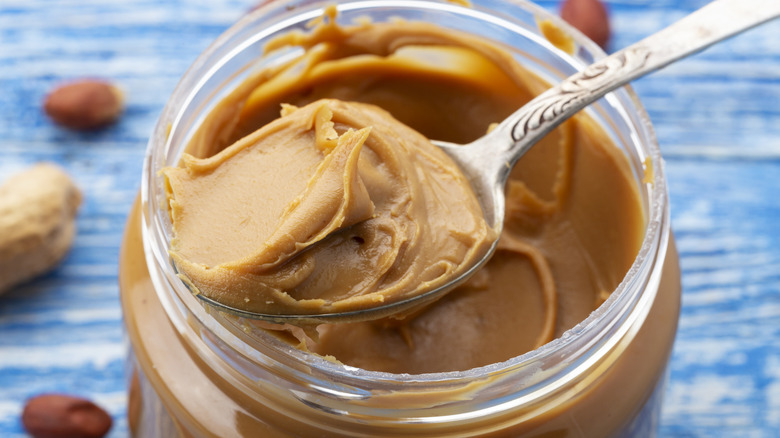
Until it filed for Chapter 7 bankruptcy protections in February 2009 (essentially a declaration of going out of business), the Peanut Corporation of America produced jars of peanut butter as well as paste for other foods, such as sandwich snack crackers sold under the Keebler and Austin brands. The big reason why PCA exited the peanut butter production market? It was responsible for one of the most devastating salmonella outbreaks in U.S. history.
In January 2009, the story broke when Minnesota's state health department alerted the public about the presence of a strain of salmonella in King Nut peanut butter. Officials determined the source to be the facility where the peanut butter was made: a PCA factory in Blakely, Georgia. The recalls began for standard peanut butter, but as PCA used the same operation (as well as one in Texas) to make thousands of products for many clients, the callback grew larger, quickly expanding to include more than 3,900 items produced throughout 2007 and 2008.
Tragically, the recalls came too late for many. Infected by salmonella from PCA peanut butter, at least 714 people across 46 states got sick, and nine people died. PCA head Stewart Parnell was tried on criminal charges. He was found guilty of fraud and sentenced to 28 years in prison for knowingly allowing tainted food to enter the retail system.
Cargill ground turkey
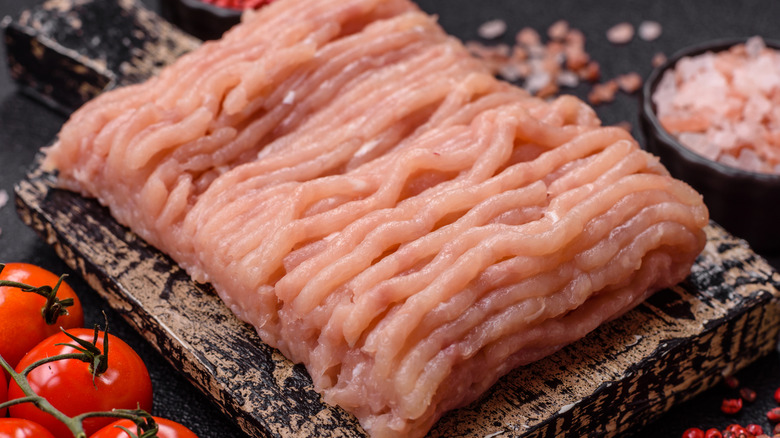
Industrial food producer Cargill Meat Solutions processes and distributes turkey in several permutations under many brand names. That includes ground turkey — a great grocery swap for your high protein shopping list — under the Honeysuckle White, Shady Brook Farms, and Riverside names. It also supplies products for grocery chains to sell under store labels, including Safeway, Kroger, Giant Eagle, and Aldi. Cargill controls a significant segment of the ground turkey sector, and most of that from a single plant in Springdale, Arkansas. This means that when any ground turkey tests positive for salmonella, it's likely that a great deal of the nation's supply could also be infected with the same foodborne pathogen.
In August 2011, Cargill announced a recall and a temporary production halt on ground turkey at its Springdale site. Meat processed between February 20 and August 2 was deemed unsafe for consumption after state and federal health departments traced the strain of salmonella to the Cargill plant. By the time the Centers for Disease Control and Prevention declared the outbreak under control in November 2011, 136 people in 34 states had gotten sick from the Cargill turkey infested with salmonella Heidelberg.
Foster Farms chicken
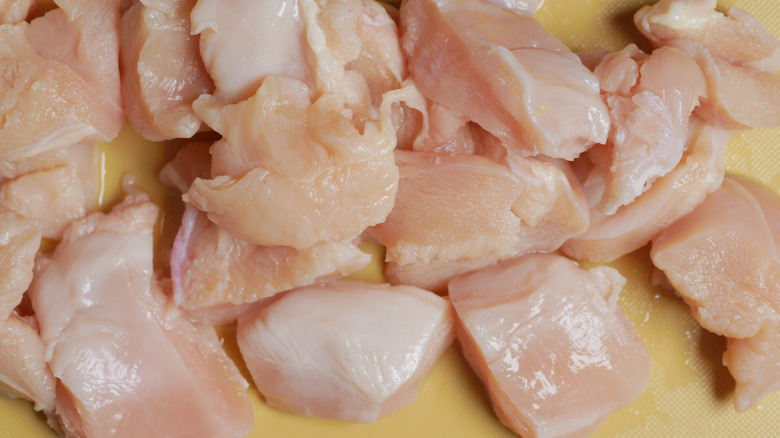
Salmonella Heidelberg is a particularly virulent and damaging serotype of the bacteria, responsible for causing an illness known as salmonellosis. Marked by the kind of symptoms associated with stomach flu, salmonella Heidelberg persists especially well in poultry, which is exactly what caused an outbreak from 2013 to 2014. Of the seven serotypes identified during the outbreak, four were extremely rare in past mass food poisoning incidents.
As a major chicken processor, Foster Farms chicken is available throughout the U.S., and a reported 634 people became ill after eating meat prepared and sold by the company. (The brand has also been involved in frozen chicken recalls that affected millions.) The vast majority of the afflicted were in California — 490 people contracted salmonellosis in the state, with many cases getting sick after eating Foster Farms-originated rotisserie chicken from a single San Francisco area Costco. In October 2013, chicken recalls were set into motion to limit the spread of salmonella, but the bacteria had already infected poultry sold nationwide. Reports of Foster Farms-related food poisoning came from 29 states and Puerto Rico between March 2013 and July 2014. About 40% needed a hospital visit, and 15% developed a blood infection. No deaths occurred.
Imported cucumbers
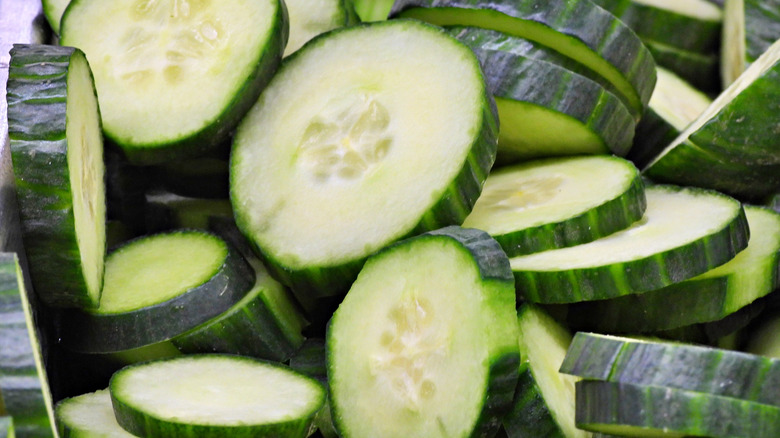
In September 2015, the results of multiple governmental investigations into an uptick of salmonella infections were revealed, which led directly to a cucumber recall. By the time the Centers for Disease Control and Prevention helped spread the word about the recall due to the presence of salmonella Poona bacteria, 285 people had become sick with gastrointestinal symptoms. At the time, 75% of cases were children 17 and younger, 53 people needed hospitalization, and one 99-year-old woman died. The patients had all been exposed to cucumbers imported from northern Mexico by San Diego vegetable distributor Andrew & Williamson Fresh Produce, sold under the brand name Limited Edition from July to early September 2015. The cucumbers had been sold in 22 states, 18 of which had reported illnesses.
While the recall likely helped prevent more people from getting sick, too many cucumbers had already been purchased and eaten. Over the course of the outbreak, 907 people in 40 states developed a salmonella Poona infection after consuming Limited Edition cucumbers. More than 200 people were sent to a hospital, and three additional people died due to the bacteria.
California eggs
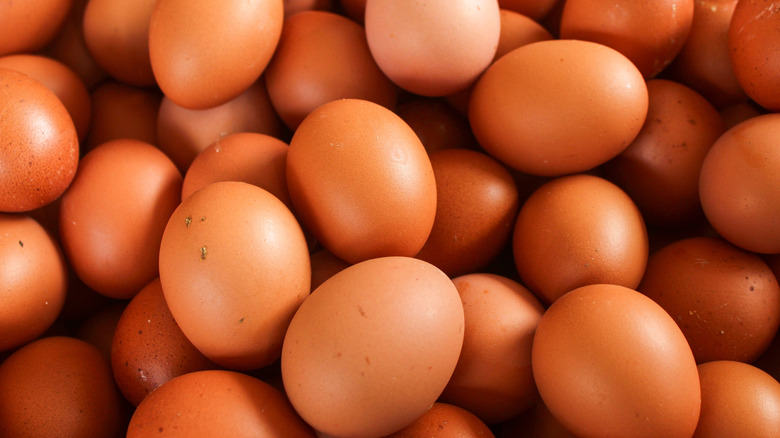
In the summer of 2025, two separate, California-based egg companies recalled large amounts of their products due to the confirmation of dangerous strains of salmonella — one of the most common reasons for food recalls. Via the FDA, the Hilmar-based August Egg Company recalled and advised the public about its brown cage-free and brown certified organic eggs. Sold from February 2025 through May 2025, August Eggs were available at many grocery chains, including Ralphs, Food 4 Less, Raleys, Safeway, and FoodMaxx locations throughout California and Nevada. Additional batches of the company's eggs also turned up at Walmart stores in nine states, reaching as far east as Illinois. In all, over 20 million potentially harmful eggs were recalled due to the presence of salmonella, resulting in 38 hospitalizations and one death.
In August 2025, the FDA announced a recall of certain lots of large brown cage-free Sunshine Yolks from Country Eggs in Lucerne Valley. Sold to retail outlets and restaurant suppliers throughout California and Nevada, the eggs bore sell-by dates ranging from July 1 to September 18. They were identified as having caused salmonella-based food poisoning in 92 people by the time the recall was announced. The offending eggs were distributed under multiple brand names, including Nagatoshi Produce, Misuho, Nijiya, and Country Eggs. The company seemed to have caught the outbreak before it could spread much further. Only 13 additional cases were reported, and fortunately, none of those struck by salmonella poisoning died as a result of infection.
Black Sheep eggs
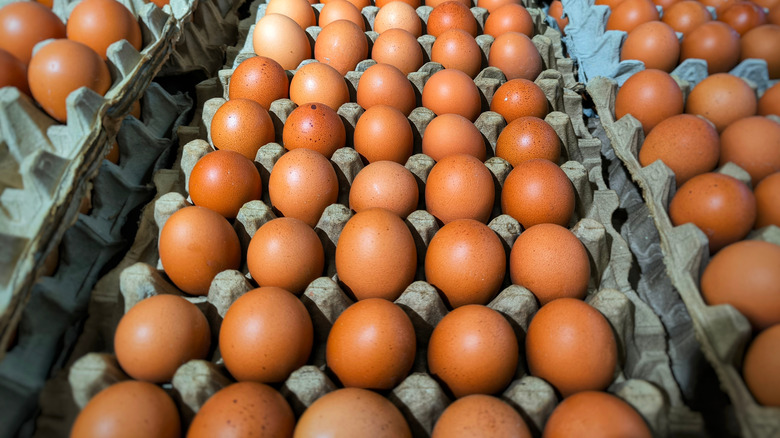
Just weeks after California companies rushed to recall millions of eggs before they could potentially cause severe gastrointestinal symptoms, another egg-related outbreak was identified as beginning in Arkansas. On September 29, 2025, the FDA tested egg samples provided by an Arkansas processing plant operated by the Black Sheep Egg Company. 40 samples showed not just a high volume of salmonella contamination, but a staggering variety: Black Sheep's eggs were found to be infested with seven separate strains of the harmful pathogen, some of which can harm humans.
Black Sheep ordered a recall, telling the public to avoid eating any eggs whose cartons bore one of many different codes and designations. The number of batches revealed just how far and deep the outbreak had spread before it was noticed. In conjunction with federal health agencies, Black Sheep recalled over 6 million eggs, most of which had been distributed to stores and restaurants in the mid-South and Texas.
Maryland-grown cucumbers
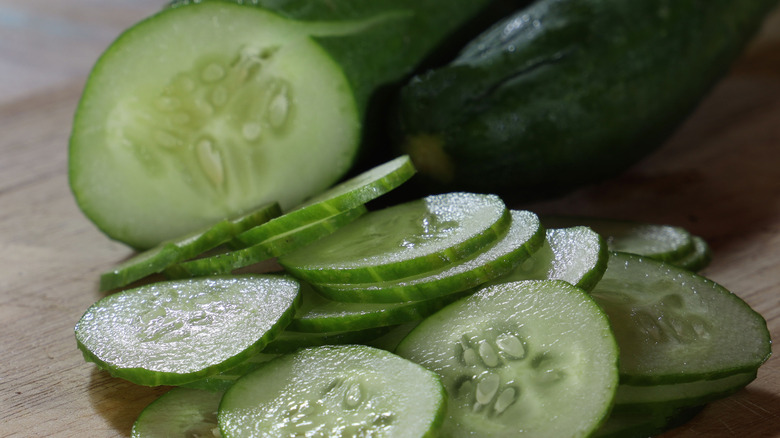
It wasn't until February 2015 that the Centers for Disease Control and Prevention informed the public of a significant mass salmonella infection that affected large swaths of the U.S. in the summer of 2014. Many state health departments had registered infections of a specific strain of salmonella Newport in the CDC's infectious disease database as early as May 20, 2014, so the agency launched an investigation. Between that date and September 30, 2014, 275 people showed signs of serious illness from the foodborne pathogen, with a third needing hospitalization and one individual dying from a related case of bacteremia. Sicknesses were recorded in 29 states plus Washington, D.C.
The CDC, along with multiple state public health agencies, connected the salmonella cases to the consumption of cucumbers grown in the Delmarva region of Maryland. That unique type of salmonella had historically been associated with tomatoes grown in another part of Delmarva and had caused several outbreaks in the preceding decade.
Eastern Oregon salad bars
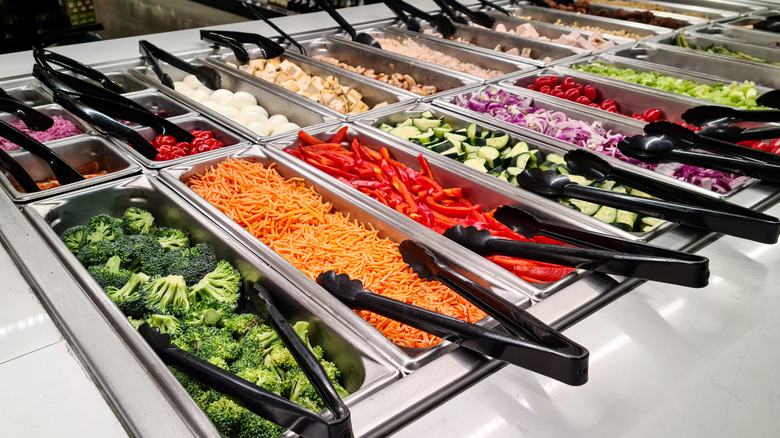
In the 1980s, Bhagwan Shree Rajneesh, a spiritual leader with a moderate contingent of followers, left India after a dispute with the government and settled in rural central Oregon. Rapidly building infrastructure, the Rajneeshees sought to create a utopian paradise called Rajneeshpuram. Over two years, more than 7,000 people moved into the ranch and made inroads into controlling the nearby town of Antelope. Seeking to operate autonomously, the community rejected the authority of Wasco County officials, who weren't allowed to visit the ranch to look into various land use violations. Rajneeshpuram, failing in its attempts to incorporate as a city, retaliated against the government and people of eastern Oregon, using intimidation and violence in attempts to gain an upper hand.
When the FBI investigated the extent of the criminality after the abrupt dissolution of Rajneeshpuram, the agency found a science lab on the grounds and a vial containing salmonella typhimurium. That was the same strain from which samples were recovered from a 1984 multi-restaurant salmonella outbreak in Wasco County. The FBI discovered that Rajneeshees had purposely sprinkled salmonella onto salad bars in an effort to make local voters so sick that they wouldn't participate in an election, allowing members of the community to obtain the margin needed to win governmental power. High-ranking Rajneeshpuram figure Ma Anand Sheela was convicted and sentenced to 20 years in prison for coordinating the attacks that left 751 Wasco County residents incredibly sick.
Sun Orchard orange juice
In June 1999, state health agencies in Washington received reports that three people in the Seattle area had tested positive for salmonella infection, specifically of the S. Muenchen strain. A traceback operation ensued, and health officials determined that the infected had all consumed smoothies at different locations of the same chain restaurant sometime in early June. All of the smoothies had been made with orange juice, which can be dangerous to drink raw. Meanwhile, in neighboring Oregon, health agencies fielded reports of salmonella infection caused by orange juice at a brunch buffet. In both cases, the juice came from Arizona-based Sun Orchard. At the time, the brand produced orange juice for various companies in 10 states, sold under store and private labels including Aloha, Zupan, Voila, Trader Joe's, and distributed through Sysco to hotels and restaurants.
By July 1999, over 200 cases in 15 states and two provinces of Canada had been confirmed as connected to Sun Orchard, which issued a full and voluntary recall of all potentially tainted juice. Another 90 or so cases were likely related to the incident, with a total of about 300 people exhibiting symptoms that included diarrhea, fever, and bloody stool. Several people were hospitalized, but nobody died.