

11 Mistakes People Make With Homemade Steak Sandwiches
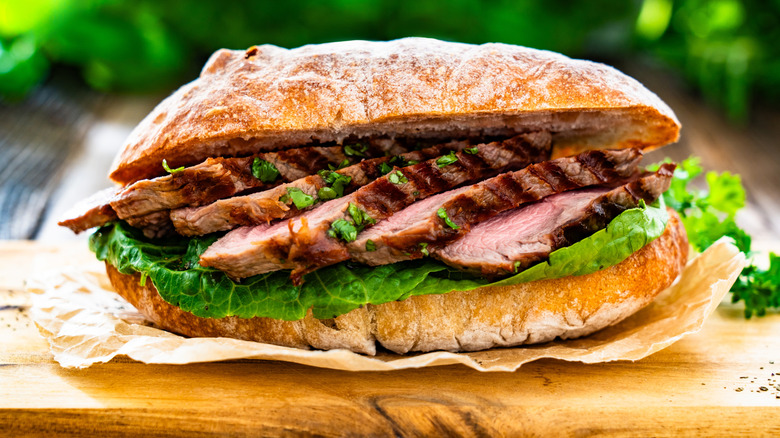
A perfectly prepared and assembled steak sandwich is nothing short of a work of art. Typically consisting of a fresh, crusty roll stuffed with tasty ingredients such as sliced cheese, crisp vegetables, a mouthwatering sauce, and of course juicy steak, these sandwiches hit the spot for lunch, dinner, and hearty late-night snacks. While you can spend a small fortune order a steak sandwich at your favorite deli or casual restaurant, a homemade one can also be just as satisfying.
While a steak sandwich may seem simple to assemble at first, there is actually an art and technique to each step. While missing one of the steps or overlooking a technique or two probably won't result in a nasty-tasting steak sandwich (serve it with tasty potato chips, just in case), hitting all the right notes, from the most creative toppings to the most flavorful sauces, will ensure a diner-worthy sammy every time. Besides all of the obvious tips and tricks — like making sure your bread is fresh, and the steak isn't expired — here are a few that you may not have thought of.
Not using the right type of steak
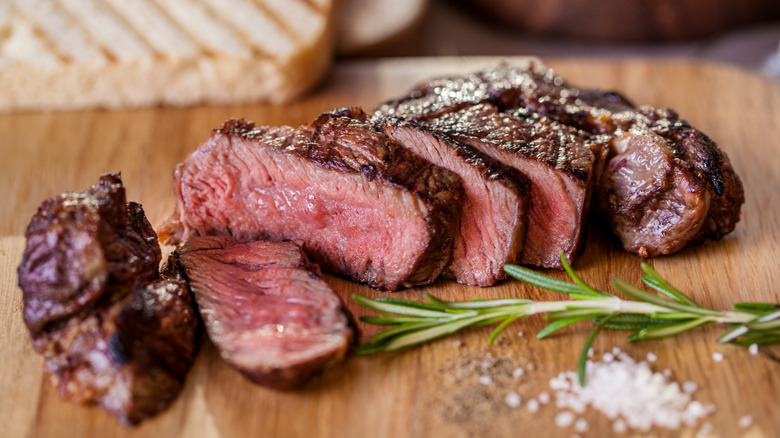
Using the right type of steak for your sandwich may be the most important tip on the list, because the meat is the star of the show. If that major detail isn't right, the whole sandwich may be off. When it comes to making the most delicious steak sandwich possible, you can never go wrong with ribeye, which is tender, juicy, and flavorful. If that is a bit out of your sandwich price range, however, don't worry. There are a few other affordable alternatives to ribeye that are practically made to be sliced up and piled high between two pieces of bread or a roll.
Top sirloin is another tasty option when it comes to steak sandwiches. While it may be a little tougher than a ribeye, it can have a melt-in-your-mouth texture when cooked properly. You also can't go wrong with skirt steak, which can become mouthwateringly tender when marinated before grilling or pan-frying.
Since skirt steak is generally a little less expensive than some other cuts of beef, it's a good value when you have a large crowd to feed, such as during a special event or holiday party. A tri-tip, as well as a well-marbled Denver steak, are among the other best cuts of beef for steak sandwiches, and they work just as well with leftover steak.
Overcooking the steak
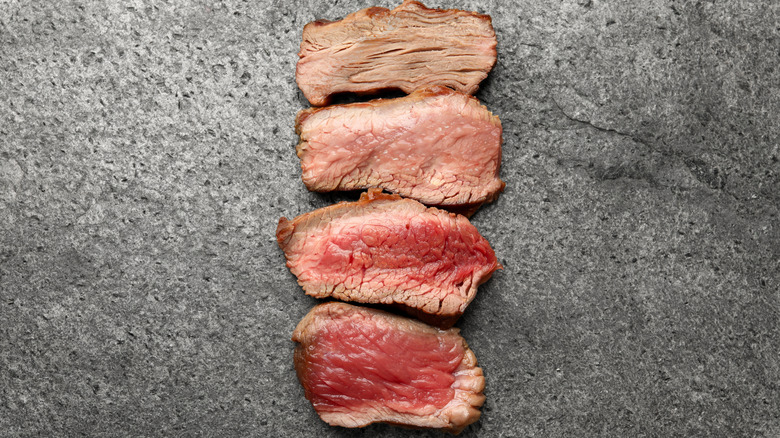
Once you've chosen the best cut of beef for your steak sandwich, the last thing you want to do is overcook it. The level of doneness depends on your personal preferences, of course, but it's also important to consider what cut of beef you have when you're preparing it. If you overcook a steak, it may end up tough and chewy, which is the opposite texture of what you want for your moist and flavorful steak sandwiches.
In general, the cut of beef's ideal level of doneness depends on the specific qualities it has. For instance, a skirt or flank steak contains more connective tissue since it comes from a part of a cow that works harder, so these steaks should be prepared to a medium temperature, which is between 135 and 145 degrees Fahrenheit. Other cuts of beef that taste best when cooked to medium or medium well include tri-tip and hanger steaks.
If you prefer your steaks cooked rare, which is between 120 and 125 degrees Fahrenheit, stick with a more tender, well-marbled cut such as ribeye, New York strip, or a filet mignon, if you're really treating yourself. No matter what type of steak you use for your sandwich, be sure to sear it for a golden brown crust, and allow it to rest for at least five to 10 minutes before slicing it so that you don't lose any of the juices.
Forgetting to freeze the steak before cutting it thinly
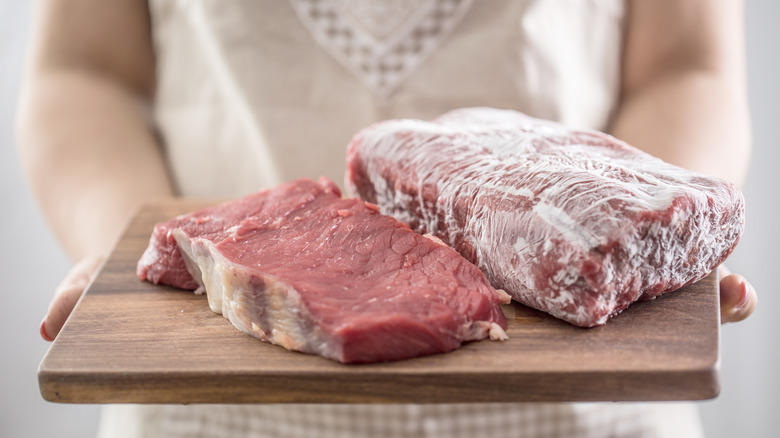
One of the qualities that sets a superior steak sandwich apart is the paper-thin cuts of beef that is layered high onto it — especially if you plan to slice it before you cook it, cheesesteak-style. No one wants to bite into a thick, chewy slab of beef when enjoying a steak sandwich, so it's important to slice the meat as thinly as possible.
Sometimes, even the sharpest knife in the drawer can't guarantee a razor-thin slice — unless you freeze your steak before cutting it. Freezing the beef for approximately 15 to 20 minutes before cutting it will work for all types of steak, from the leanest to the most marbled cuts.
Before freezing the beef, pat it dry with a piece of paper to remove all excess moisture. Next, wrap the meat in parchment paper or plastic wrap and then place it into a sheet tray. Pop the tray into your freezer while you prepare the other aspects of the sandwich, such as slicing the rolls and vegetables. Once the beef is firm to the touch, remove it from the freezer, slice the meat, and then cook it however you'd like, such as in a pan on your stovetop or on the grill. Be careful not to freeze the meat for too long, or it will be hard to slice. Set an alarm to ensure you get the timing just right.
Using a dull knife
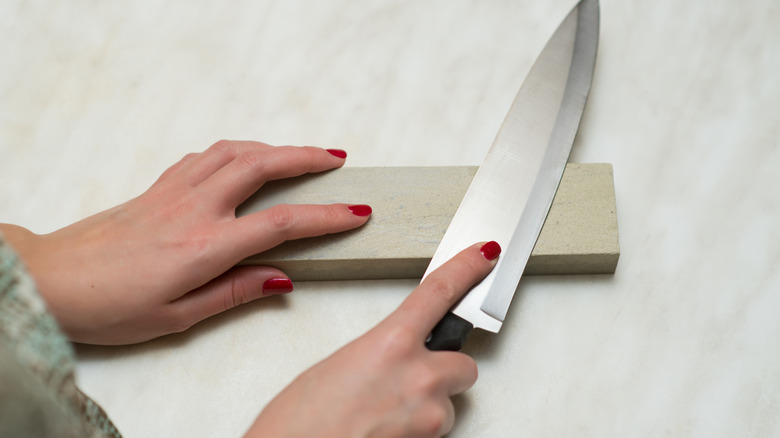
Another pro-tip for achieving the super-thin cuts of beef that make a steak sandwich memorable is to use the sharpest knife you own. If you don't own a commercial meat slicer, which, let's face it, most of us don't, then your next-best option for cutting thin slices of steak is a sharp knife. So put down that dull knife, or sharpen it on a sharpening tool, before slicing up your steak for a delicious sandwich.
Not only will a sharp knife allow you to make desirably thin slices, but it will also make sure they're even. In addition to tasting better, thin slices of steak also cook more efficiently. Uneven cuts may grill or fry unevenly, resulting in an inconsistent texture.
A razor-sharp, high-quality chef's knife is the best bet for getting thin cuts, but you could also use a mandolin slicer or even an electric knife if that's all you have on — or in — hand. Whatever type of knife you use, just make sure it doesn't have a serrated blade, which can end up tearing the steak rather than slicing it thinly. When you slice, use slow, even strokes, allowing the sharp blade to work its magic.
Slicing the meat with the grain
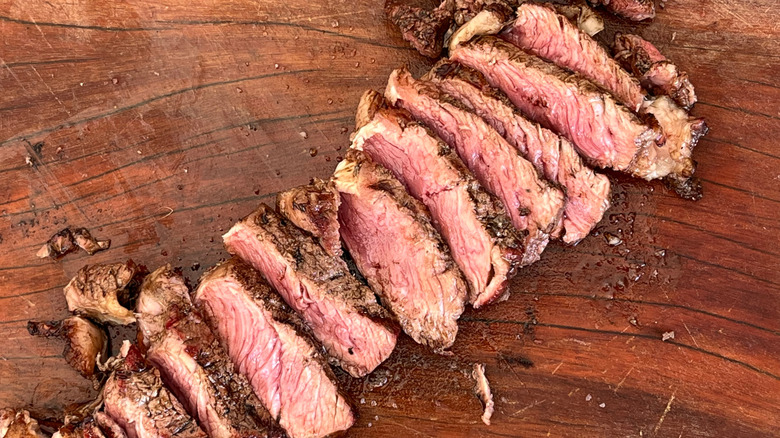
After you've selected the sharpest knife in your drawer, or sharpened a dull one to achieve the thinnest cut of steak possible, there's another tip to keep in mind. Position the cut of beef on a cutting board so that you can slice it against the grain. This trick is essential to having melt-in-your-mouth bites of steak and avoiding tough, chewy pieces. If you don't want to feel like you are chewing on a piece of rubber when eating your sandwich, cutting the steak against the grain is the golden ticket.
Freeze the steak so that it cuts easier if it's a large piece, cook it to your desired level of doneness, and then slice it into super-thin strips against the grain of the meat. This technique breaks up the long, tough muscle fibers in the meat, giving it a more tender bite. Cutting meat against the grain means that you'll slice the beef in the opposite direction of the fibers, which you can see when you look at a piece of steak up close.
The fibers are often easier to see on a tougher piece of beef like flank or skirt, since the muscle had to work harder. If you cut the meat with the grain, the chewy fibers will remain intact, resulting in an unpleasant texture.
Skipping the meat mallet
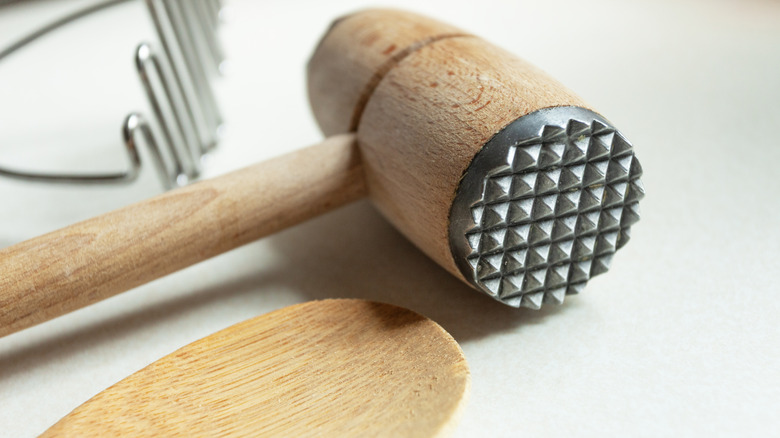
Another way to ensure that your steak sandwich contains the most tender pieces of beef possible is by using a meat mallet. If you're in a hurry you may opt to skip this step, but that could be a mistake, especially if you're using a tougher cut of meat. Tenderizing a steak with a mallet will help make the meat more tender by breaking down any large, tough fibers and connective tissues. The more budget-friendly your cut of beef is, the more important it is not to skip this step.
Cuts of beef that will benefit the most by being pounded with a meat mallet include hanger steak, flank, tri-tip steak, chuck, brisket, and bottom round. If you don't have a meat mallet, which typically consists of a wooden handle and both a spiky and flat metal tip, you can use another heavy item, such as the bottom of a saucepan or a rolling pin, to pound the beef.
When using the mallet, hit the steak with the spiky side first, to break up the fibers, and then the flat side to create a uniform thickness for even cooking. Covering the steak with plastic wrap or parchment paper first, however, is the key step you should never skip for mess-free meat tenderizing.
Over- or under-seasoning the beef
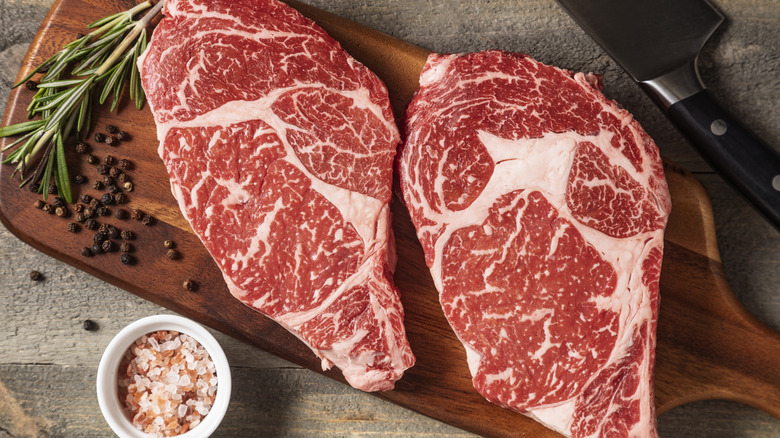
A good steak sandwich has just the right amount of seasoning, which will enhance the taste of the meat and bring the flavors of all the ingredients together. When it comes to beef, one basic yet crucial seasoning is salt. Before cooking your steak, hit it with some salt, which will help pull out any excess moisture from the meat and concentrate the tasty, beefy flavor.
After you cook the steak, you sprinkle on a bit more salt, as well as pepper (which can sometimes burn if added prior to cooking, especially at higher temperatures) and any other seasonings you like. If you use flaky sea salt or fleur de sel after the cooking process, the steak will have a deliciously salty, crunchy bite. The seasoning ratio you need for any amount of steak depends on the size and the cut.
In addition to evenly coating the steak with salt prior to cooking, you can also sprinkle it with an all-purpose steak seasoning, which usually contains herbs and spices such as onion and garlic powders, coriander, thyme, and mustard powder. Making your own steak seasoning will ensure the freshest flavor, but a high-quality store-bought bottle will also do the trick. If you crave a smoky flavor but don't have time to fire up your grill, season the steak with a bit of smoked paprika or chili powder. Be careful not to use too much, however, or it may overpower the taste of the whole sandwich.
Choosing the wrong type of bread
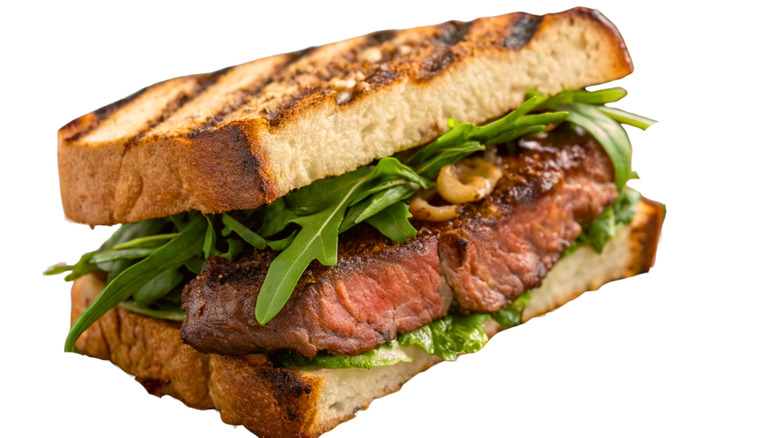
Another critical component in a good steak sandwich is the type of bread. After all, it has to hold all of the goodness together, while delivering the perfect bite. When it comes to assembling an irresistible sandwich, you can never go wrong with a super-fresh roll or bun featuring a crusty exterior and a light and airy interior. It needs to be hearty enough to support multiple layers of sliced steak, as well as potentially a variety of cheeses and vegetables.
Some perfect types of rolls and bread for a steak sandwich include ciabatta, which has a slightly chewy inside with plenty of air pockets, but it also becomes deliciously crispy when lightly toasted. Thick slices of homemade sourdough bread are also ideal for making steak sandwiches, as is a crusty hoagie or French baguette. For an extra pop of flavor, consider layering your steak and other ingredients in between two pieces of crispy, zesty garlic bread that has been grilled or oven-baked to perfection.
The main type of bread you want to avoid when making a meaty sandwich is a flimsy white kind, which will collapse under the weight of the hearty ingredients. You also don't want to use bread that's too tough to bite into. No matter how delicious it is, no steak sandwich is worth breaking a tooth for.
Not getting creative with the toppings
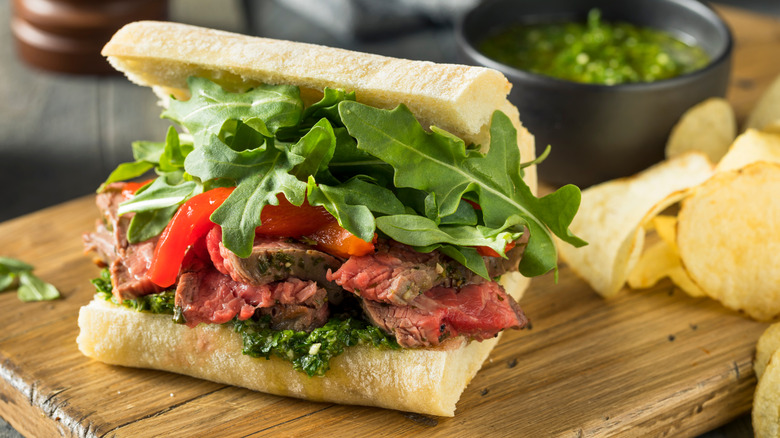
While you could pretty much just fill a crusty roll with slices of perfectly prepared meat and a selection of flavorful cheeses and call it a sandwich, you'd be missing out. Using a variety of creative toppings is what will make your steak sandwich stand out from the rest and give the handheld meal your special touch. Some time-tested toppings are a must, including sliced white or red onions, thick slabs of juicy tomatoes — especially when they're plucked from a summer garden — and crunchy green leaf lettuce.
Another great steak sandwich topping is caramelized onions, which will give it a slightly sweet taste. Arugula will give the sandwich a pop of color as well as a fresh, peppery zing, while grilled mushrooms will add to the meaty texture and umami depth. A slightly spicy olive salad lends an Italian-inspired flair to steak sandwiches, as well as the richness of olive oil.
Other delicious steak sandwich toppings include rice avocado slices for a creamy touch, sweet roasted red peppers, or sharp pickled red onions. Or add salty crispy bacon slices, and perhaps jalapeño peppers for those who like it hot.
Layering the ingredients improperly
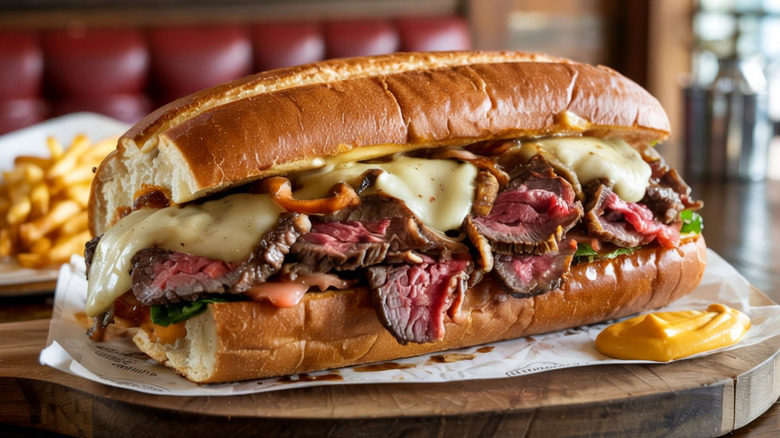
By the time you assemble all of your steak sandwich ingredients, you may be eager to just throw them in between the pieces of bread or the roll and indulge, but pause to layer everything properly. First, slice the bread and slather both sides with a liberal amount of spread, such as herbed butter, creamy mayonnaise, or a bold Dijon mustard, if you're using it. Next, layer on the thinly-cut steak slices, which will help hold all of the other ingredients inside.
After the star of the sandwich, the juicy pieces of meat, are tucked inside the bread or roll, it's time to add your vegetables, including the lettuce leaves, tomato and onion slices, and roasted peppers. Top everything with your preferred cheese slices, which may include buttery, melty Havarti, spicy pepper jack, full-flavored cheddar, sharp blue, or mild and nutty Swiss. If you're heating your sandwich, broil it open-faced at this point, allowing the cheese to melt and get brown. Drizzle the sandwich with your favorite sauces before closing it up and eating.
Skipping the sauce
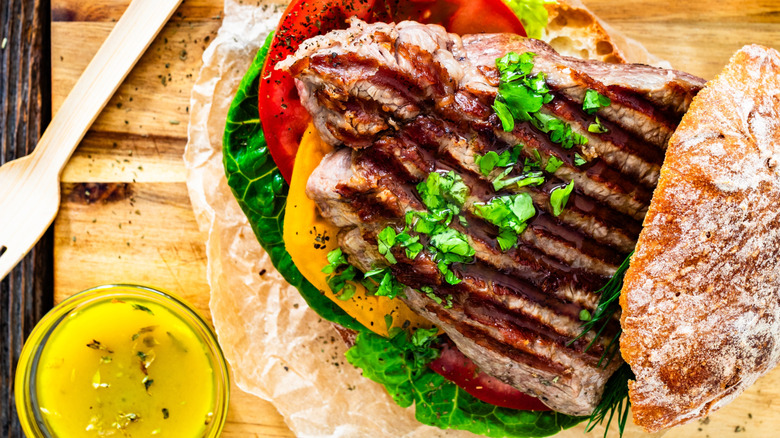
If all of your other steak sandwich ingredients, including the crisp, fresh veggies and cheese, are on point, you could skip the sauce, but we wouldn't recommend it. Not only does a flavorful sauce add that final pop of deliciousness, it can also provide much-needed moisture to ensure that your sandwich isn't too dry. Some good-quality mayo and zesty mustard can go a long way in adding flavor to the sandwich, but you can take it a step further with a spicy chipotle or garlic aioli.
Steak sandwiches also practically beg for a dollop or two of homemade horseradish sauce, which features ingredients such as mayonnaise, Dijon mustard, sour cream, fresh lemon juice, chives, and, of course, prepared horseradish. You can adjust the intensity level of the sauce by adding more or less of the horseradish.
Other must-try steak sandwich sauces include pesto, peppercorn, chimichurri, salsa verde, and blue cheese dressing. Go the fancy, old-school route with a cream-based topper such as béarnaise or steak Diane sauce, which contains beef stock, Cognac, and Worcestershire. Of course, you can never go wrong with a few dashes of a good brand of store-bought steak sauce as well, as they're designed to enhance the meat with a special blend of herbs and spices.