

11 Mistakes People Make When Cooking Pot Roast
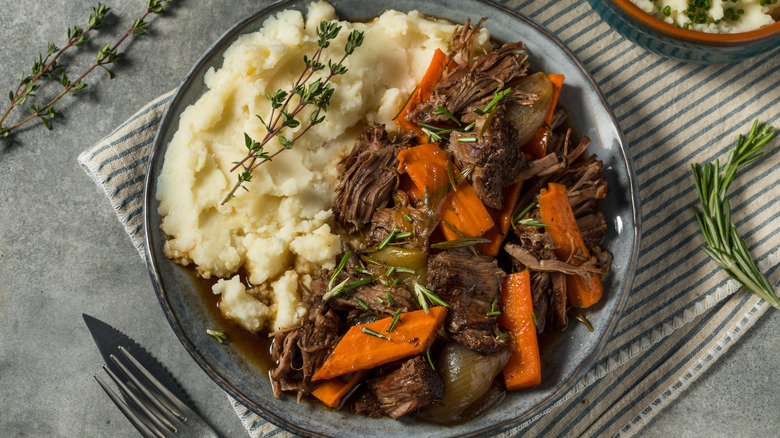
When it comes to comforting one-pot meals, pot roast stands out from the rest due to its tender, melt-in-your-mouth texture; rich, delicious gravy; and abundance of rustic vegetables. This flavorful, meaty meal is time-tested, and although it has undergone a few changes over the decades, it remains a cozy staple on cold winter nights. Pot roast is also a convenient weeknight dinner: You can load up a crock pot with almost any cut of beef you'd like, toss in some diced root vegetables like potatoes, and carrots, add a liquid of your choice, and a few seasonings, and go about the rest of your day. It's one of the original "set it and forget it" meals, and is almost impossible to mess up. However, that's not to say that mistakes can't happen.
While you don't want to waste time overthinking a dinner that is all about comfort, and ease, there are a few things you need to pay attention to during the preparation, cooking, and even serving processes. Pot roast is known for its simplicity, and flexibility when it comes to ingredients — this dinner is a great way to use up near-wilted vegetables, and even leftovers — but a few wrong steps can result in a bowl of flavorless slop. To keep that worst case scenario from happening to you, learn a few common mistakes people make when preparing pot roast, and our best tips for avoiding them.
Choosing the wrong cut of beef
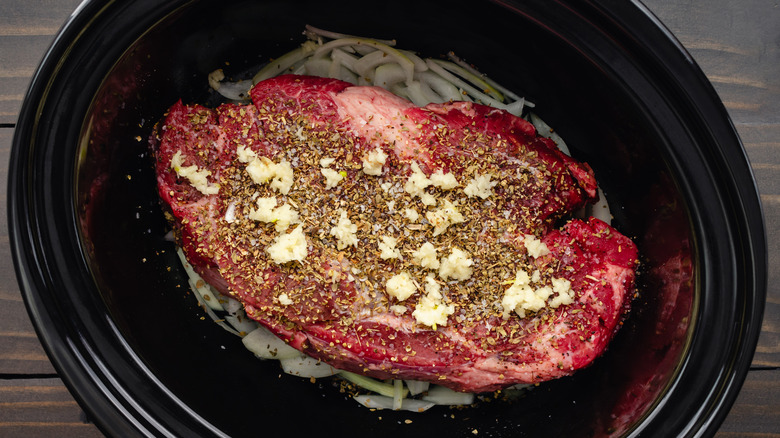
When grilling steak, using a tender cut of beef with plenty of fat marbling is the way to go. When you're making pot roast, however, the opposite approach is best. Now, you may be asking, "What is the best cut of meat for pot roast?" Well, we'll tell you.
When choosing the perfect piece of beef for your one-pot dinner, stick with the tougher, leaner cuts. These come from muscles that cows tend to use more often, such as shoulders and legs, so they typically contain more connective tissue. As these cuts of beef cook over several hours, the collagen in those muscles breaks down into gelatin, which naturally tenderizes the meat, and beautifully transforms the braising liquid into a rich, silky gravy.
Some of the best cuts of beef to use when making pot roast include chuck, brisket, and round. Chuck, which is also known as boneless chuck roast or shoulder steak at the grocery store or butcher shop, has a rich, meaty flavor, and a bit more fat than the other options. Brisket is leaner, and tougher than chuck, and may require a bit more cooking time to become fork-tender. Round, also called rump roast, isn't quite as flavorful as the other two, but is typically inexpensive, and it'll still transform into a tasty pot roast with the right seasonings. Whatever you do, never put these meat cuts in your slow cooker unless you like the taste of regret.
Forgetting to pat the meat dry before searing it
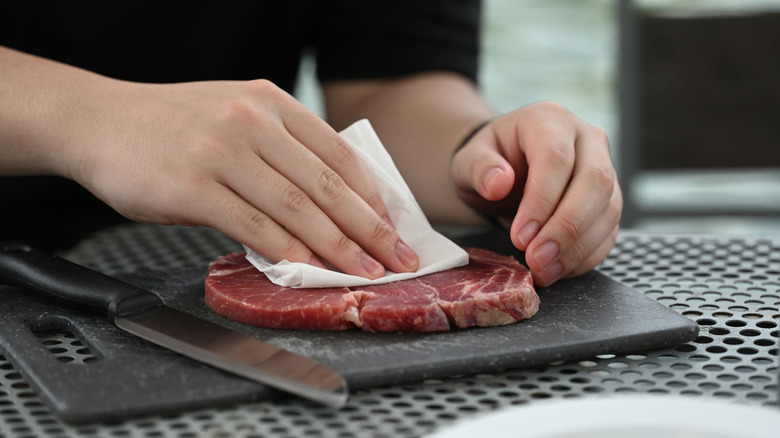
Once you've chosen the cut of beef for your juicy, tender pot roast, it's time to sear it. If you're busy, you may be tempted to just place the meat in a crockpot, and go, but it's essential to give it a good sear first. If you skip this step, it may prove to be a big mistake when it's time to eat. Searing the beef will give it a caramelized coating as well as an attractive, rich brown color. Before you drop that cut of beef into a blistering hot pan, however, make sure it's as dry as possible.
If the meat is too wet, when it comes time to sear it, you won't be able to achieve that desirable roasted coating. Too much moisture on the surface of beef may prevent the hot pan from doing its job, and the natural sugars from forming a crust. For the tastiest pot roast possible, be sure to pat the beef dry using paper towels before the searing process. Use as many paper towels as you need to absorb the excess liquid, and keep at it until the surface is completely dry.
Not searing the roast before braising it
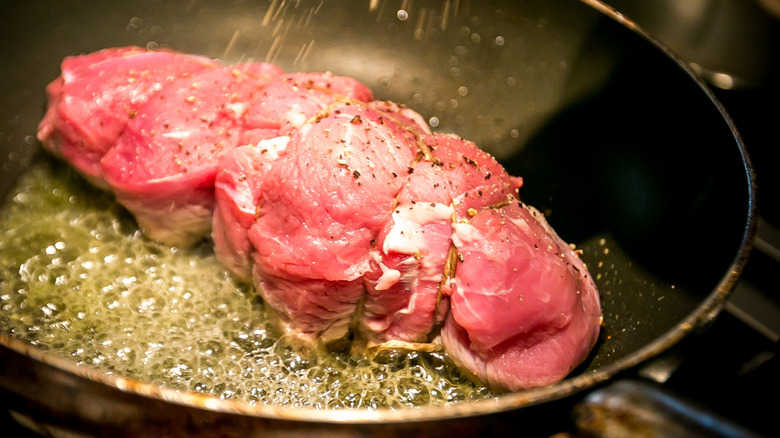
If you like your pot roast with a perfectly caramelized crust, you must sear the beef before putting it into your crockpot. This is the one step you should never skip when making pot roast — and yet, some people forget to do it.
Not only will searing the roast first make it look more appealing once it's finished, but it'll make it taste better, too. This is because, during the searing — or browning, as it's sometimes called — process, all of the beef's natural juices get locked inside the meat, resulting in better texture, and flavor. You can also sear any vegetables you're cooking, such as onions, and carrots, along with the roast, to bring out their sweetness as well.
While patting your beef dry with a paper towel or two, set a heavy pan or Dutch oven onto the stove, and add butter or a neutral cooking oil. Heat the pan on medium-high until the butter or oil is hot, and ready to sizzle, then set your seasoned meat onto the preheated surface. Sear your roast for 2-3 minutes on each side, or until a nice crust has formed. (The goal is not to cook the meat through; that's what the crockpot is for.) Use tongs to turn the meat over in the pan halfway through the cooking to ensure an even crust. Once the roast is browned to your liking, it's time to move it into the crockpot or roasting pan.
Using the wrong cooking temperature
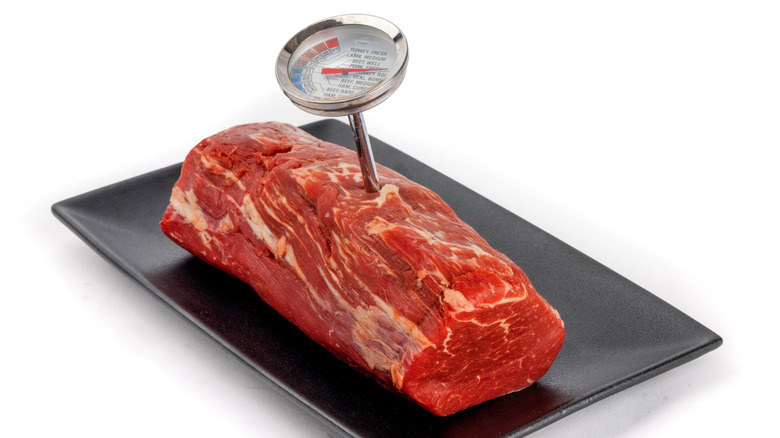
Whether you're preparing your pot roast in a slow cooker or in a roasting pan in the oven, it's key to keep things cooking low and slow. This means that you want to roast the beef at a low temperature for a long period of time for the best flavor, and melt-in-your-mouth texture. Pot roast is not the meal to make when you're in a hurry to eat, since it needs to slowly mix and mingle with the liquids, vegetables, and seasonings in the pan. Also, since pot roast is typically a tougher cut of beef, such as chuck or brisket, it takes time for the meat's connective tissue and collagen to break down. As those elements slowly dissolve, they'll make the pot roast succulent, and juicy.
Some home cooks make the mistake of turning the temperature up on the slow cooker or oven to hurry up the cooking process, but that's likely to leave them with dry, tough meat. If you're preparing the roast in a slow cooker, cover the appliance, and set it to low for 8 to 10 hours, or until the meat falls apart on a fork. For oven roasting, preheat the oven to 275 degrees Fahrenheit, and cook a 3-pound roast for 3 hours, or a 4- to 5-pound roast for 4 hours.
Over- or under-seasoning the beef
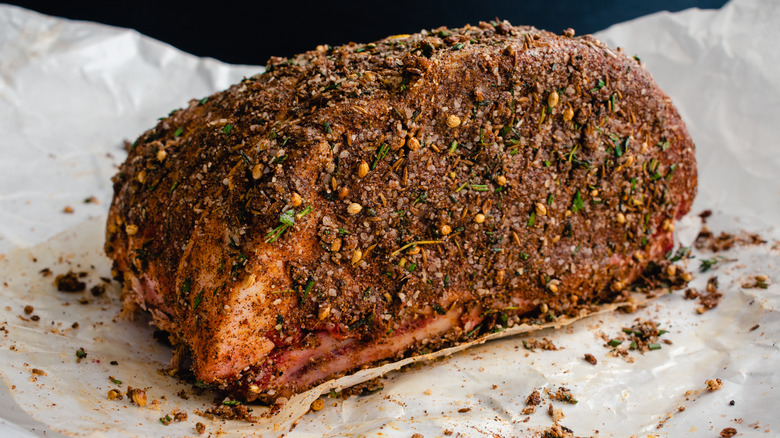
If you want to achieve the tastiest pot roast possible, you've got to learn the art of seasoning. After patting the roast dry with a paper towel, rub the seasonings onto the meat liberally, covering all sides. When you sear the meat, the seasonings will help to create a delicious crust. For even more of an intense flavor, you can allow the roast to marinate in the seasonings in the refrigerator overnight ahead of time. When you season the beef before the cooking process, rather than just before it's served, all of the flavors have the chance to meld together, creating a mouthwatering roast.
If you're a purist, you can simply season the meat and veggies with salt and pepper. But there are a wide variety of seasonings, spices, and herbs that will bring out the best in your roast. You can get creative by making your own customized mix of favorite flavors, or opt for one of the many seasoning blends already available. Some seasonings that work especially well with pot roast include garlic or onion powder, earthy thyme and rosemary, and parsley flakes as a vibrant touch. If you want your roast to have a slightly smoky flavor, add a bit of smoked paprika as well. If you love spicy food, sprinkle on some cayenne pepper or red chili flakes. And if you're craving tartness, try pepperoncinis, giardiniera or pickles in pot roast.
Failing to enhance the meat with fresh herbs
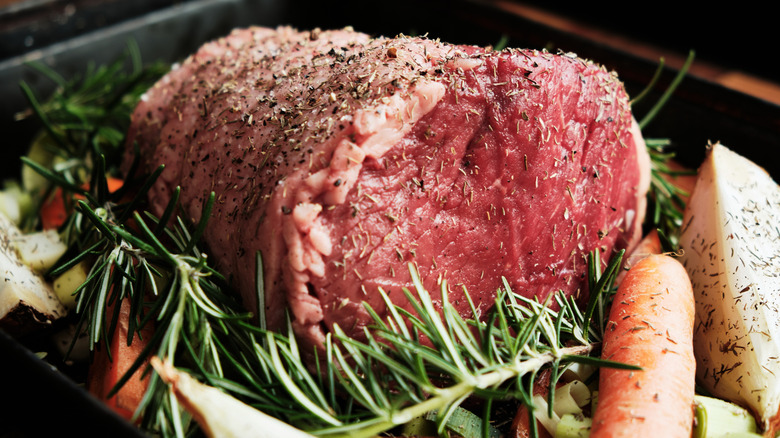
No matter what you're cooking, fresh herbs will make it taste better. That's a fact. Enhancing your dish with a variety of just-picked herbs is one of the best ways to make pot roast more flavorful. If you opt to use only dried herbs when making the roast, it will still be tasty, but fresh herbs will really make your taste buds sing, and do a happy dance in your mouth.
While some fresh herbs will work better than others with the other flavors in the dish, you can have fun experimenting with your favorites to create a one-of-a-kind seasoning blend. One idea is to place a few sprigs of rosemary or thyme in the roasting pan or crock pot along with the beef. Since these are hardier herbs with woody stems, you can add them at the beginning of the cooking process, and not worry about them falling apart. Bay leaves are another popular addition, but be sure to keep them whole when adding them to the pot since you'll need to remove them before eating. If you're infusing the pot roast with more delicate, leafy herbs, such as parsley, sprinkle those on towards the end. You can also use any type of fresh herb as a plate garnish for an extra pop of color.
Using the wrong amount of liquid in the cooking process
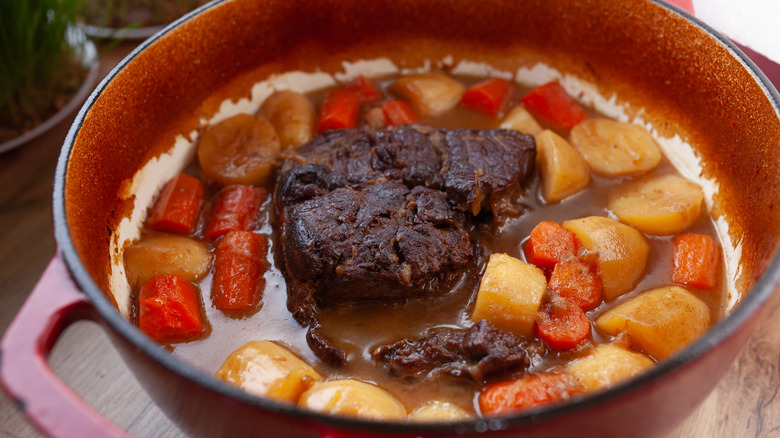
Using the perfect amount of liquid during the cooking process will ensure a juicy pot roast that falls apart in your mouth. Whatever liquid you choose to use will blend with the beef's natural juices, creating an ultra flavorful bath of sorts for the roast. While you can use just water to simmer the meat, a hearty beef broth or stock will make it even more delicious. A dry red wine can be another nice option. You can use just one type of liquid, or mix two or more together, depending on your preference.
After searing the meat, and adding it to the roasting pan or slow cooker along with the chopped vegetables, pour in enough liquid to completely cover all of the ingredients. This will typically amount to about 4 or 5 cups of liquid, depending on the size of your roast. You typically won't need any more broth, stock, or red wine than that, as beef generally consists of up to 60 or 70 percent water, which will naturally release as the meat simmers under a tightly covered pan.
Deglazing with just broth and not red wine
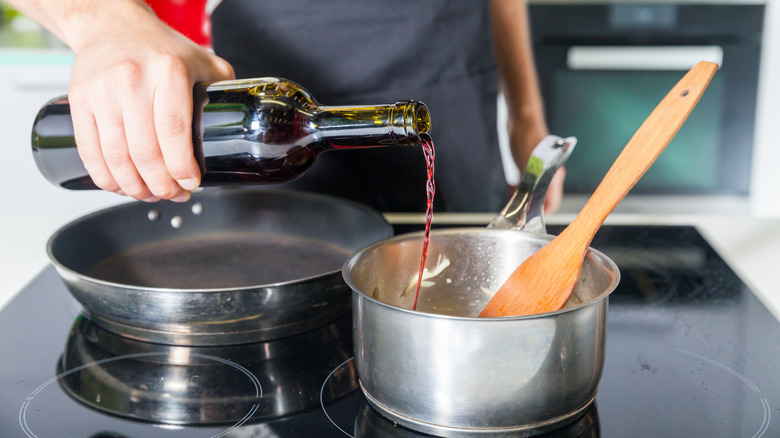
After searing your beef and vegetables in a Dutch oven or skillet, you'll likely find that the pan is coated with tasty brown bits of goodness. While you can just leave those there to languish on the bottom of the pan, that would be a mistake. Those browned bits of crusty, seasoned meat will infuse the roast with even more flavor as it slowly cooks in the same pot you used for searing — or, if you're switching to a crockpot, you can use this as the base of a rich gravy to serve with the finished roast.
Once you've determined that you need to deglaze the pan after searing the meat, you'll have to choose the right type of liquid to get the job done. Beef broth or stock is typically what home cooks fall back on to deglaze pot roast pans, but consider using a red wine instead. The acidity in Cabernet Sauvignon or Merlot will balance the richness of the roast, making for a deeper, more complex flavor. To use old wine for braising, pour it into the hot pan, and bring it to a simmer for about 5 minutes. Use a wooden spoon to gently work the browned bits off the bottom of the pan.
Overcooking the vegetables to a mushy mess
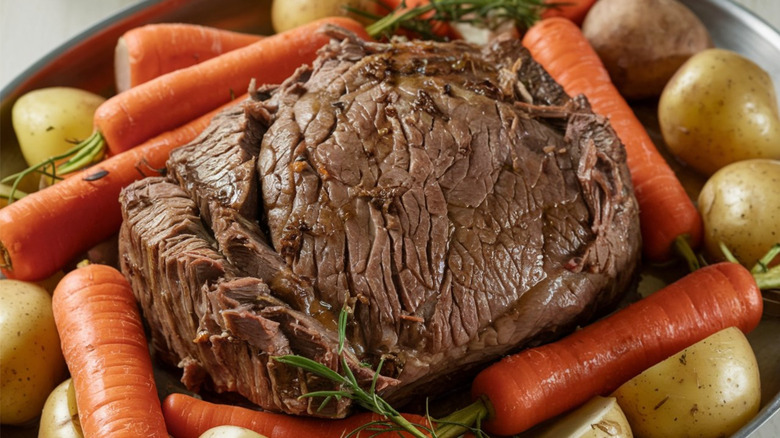
If beef is the star of the pot roast show, think of the vegetables as supporting actors. They work hard to infuse the gravy with a touch of freshness or sweetness, and provide complexity to the finished dish. To thank them, and avoid ending up with a mushy mess at the end of the cooking process, give those veggies the same tender loving care you give the meat.
When preparing pot roast, you can use whatever type of vegetables you'd like, but the dish traditionally calls for carrots, red or gold potatoes, celery, onions, and occasionally tomatoes. Mushrooms will give the pot roast an even deeper, earthier flavor. You can add hardier vegetables that take a longer time to cook, such as potatoes, at the beginning, and even sear the chopped vegetables along with the meat before slow cooking, as the high temperature will help to bring out the sweetness in root veggies like onions, and carrots. They'll absorb the liquid as they cook, naturally softening without becoming too mushy. Softer, more delicate vegetables, like peas, should be added to the pot during the last 30 to 60 minutes of cooking.
Cooking the roast for too long
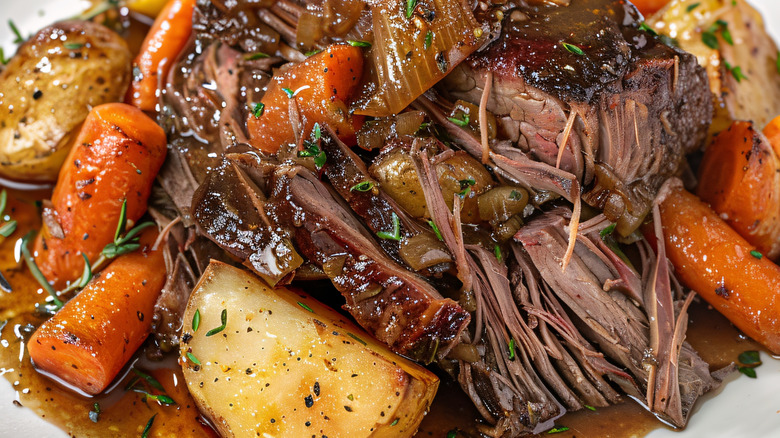
If you've added the right ingredients to the pot, and let the heat work its magic, it's hard to mess up a pot roast. But cooking the meat for too long can make it taste less than perfect. The roast does indeed need to cook at a low temperature for a long period of time, but all good things must come to an end, and this process is no exception. The general rule is to cook a 3-pound cut of beef in a roasting pan in your oven for 3 hours, and a 4- or 5-pound roast for 4 hours. In a slow cooker, the time can extend to 8 or even 10 hours when the appliance is set on low.
When preparing pot roast in the oven, and following the general rule of one hour per pound, check for doneness with a fork or knife toward the end of your anticipated cook time. You can also use a meat thermometer, aiming for an internal temperature of at least 145 degrees Fahrenheit (per the U.S. Department of Agriculture.) If you overcook the pot roast in either the oven or a slow cooker, it may become dry, and tough, which is the exact opposite of what you want it to be.
Choosing not to make the roast in your slow cooker
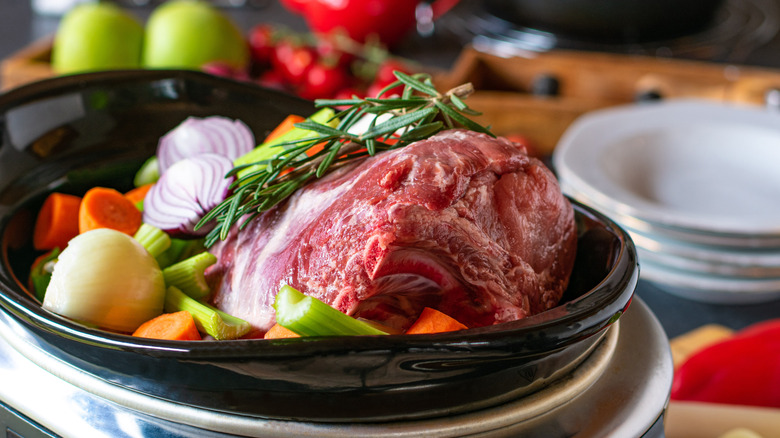
Let's face it: A perfectly prepared pot roast will be delicious whether it's made in an oven or a slow cooker. However, the latter option has a slight edge, as one obvious benefit of making the roast in a slow cooker is that you can add all of the ingredients in the morning, and then come home to a hot, delicious meal at the end of a busy workday. When you choose to slow roast the meat in your oven, you'll have to stay home throughout the duration.
Preparing the roast in a slow cooker allows more time for the meat to tenderize without the risk of becoming tough to chew or drying out. This is because, when the appliance is set to the lowest temperature, there isn't as much risk for overcooking. In fact, the longer it simmers in a slow cooker, the more moist, and tender the pot roast will become. The cooking liquid, such as beef broth or red wine, will become even more flavorful, making it the perfect base for a rich, silky, and intensely flavored gravy to ladle over the roast upon serving.