

Why Plastic Glasses Could Be A Sign Of A Bad Pub
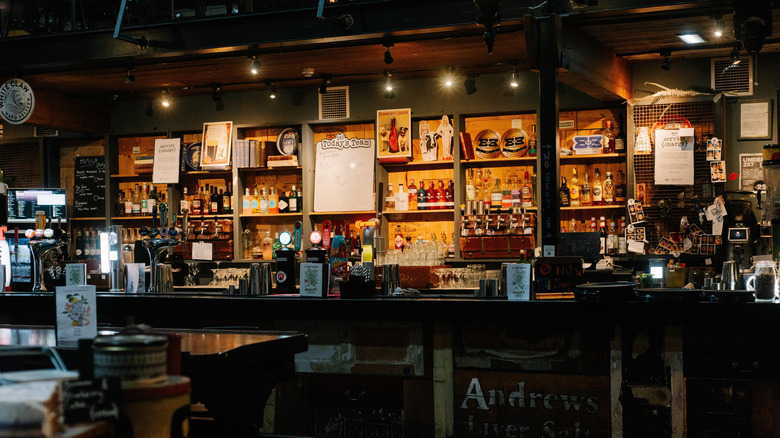
In the United Kingdom, it's hard to find a more popular way to spend a Friday evening than with a trip to the pub. British pubs come in all shapes and sizes, from gastropubs with gourmet menus to tiny hole-in-the-wall pubs that have served the same menu of fish and chips, bangers and mash, or roast beef with Yorkshire pudding for decades. While what makes the perfect pub is a question of personal taste, the Brits of the Reddit sub r/askUK came together to share a few warning signs of a bad pub, and plastic glasses were high on the list.
Unlike the other "warning signs" mentioned in the thread, such as an unfriendly vibe upon entering the pub, or an unappetizing beer menu, there's nothing explicitly wrong with plastic glasses, but many drinkers dislike the way they feel, find them to be low-quality, and think they detract from the pub experience. However, a few users in the thread came to the defense of pints served in plastic, pointing out that certain large events, regulations, or glasses getting dropped and shattered, may require plastic drinkware.
What's the difference between a pub and a bar?
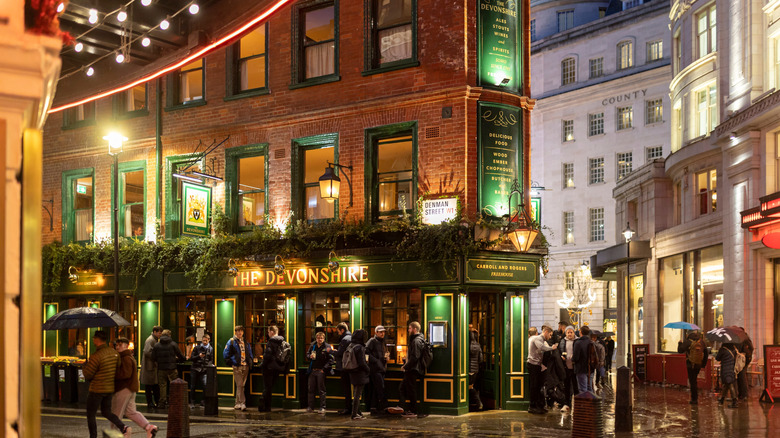
Both can be places to relax and have a drink, but a pub and a bar aren't quite the same thing. While you might associate pubs with the United Kingdom and Ireland, and bars with North America, it's not quite that simple. There are pubs in North America, and bars in the British Isles, if you're looking for them. So what's the difference?
It generally comes down to two things: atmosphere and a non-drinks menu. Bars tend to be less community-focused than pubs, and more likely to have dancing, while the entertainment at a pub is more likely to take the form of a trivia night. In short, if you don't feel like it would be appropriate to bring a child there, it's probably a bar, while many people bring their whole families to pubs for a meal.
The other difference is food: while bars might serve a small array of snacks, or nothing at all, pubs are more likely to have a full menu of hot dishes — Sunday roasts are classic pub fare, but there are also pubs in Britain that specialize in Thai food or other types of cuisine. However, none of the "bar vs. pub" rules are hard and fast, and many establishments around the world walk the line between the two.
Why Americans in British pubs might be surprised by the 'warm' welcome
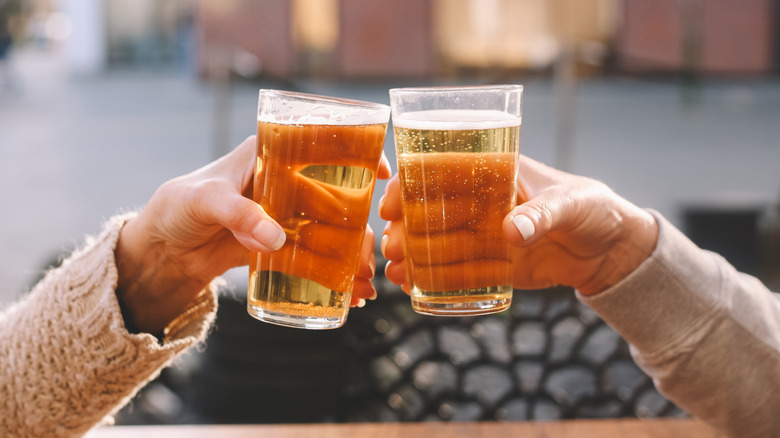
Americans and Brits both love beer, but the culture around drinking it can be very different in the two nations, and one of the key differences is temperature. While Americans typically enjoy a crisp, cold beer, British beer is usually served at "cellar temperature," which is only slightly colder than room temperature. This has led to countless jokes about British people drinking "warm beer," but it's not warm in the way that, say, a cup of tea is warm.
Why is British beer served warmer than American beer? It's actually to do with the type of beer being served. A large amount of American beer is lager beer, which is based on German lagers, and was developed by German immigrants in the United States. British beer is historically more likely to be an ale (with or without yeast made from a famous chair), which is a different style of brewing, and is typically served less chilled than lagers. Today, if you order a lager in a British pub, it will be served thoroughly chilled, while ales will be cellar temperature. That said, check to see if they serve in plastic or glass mugs, first.