

The 14 Best Tequilas For Margaritas
We may receive a commission on purchases made from links.
The allure of a margarita always gets stronger when summer rolls around. It shouldn't surprise you to know that a great margarita lives or dies by the tequila in it — no matter if you are using a store-bought margarita mix or shaking the elements from scratch, nothing can save a beverage made with a bad base spirit. To give future cocktails their best chance for success, we set out to learn which bottles those who make margaritas for a living actually use.
We spoke to a long list of experts, including Juan Piedra Jr., bartender at the Lobby Lounge at Claremont Resort and Club; Dale Dcruz, director of food and beverage at Grand Hyatt Grand Cayman; José Medina Camacho, co-founder and beverage director of Adiõs and Salud in Alabama; Jairo Moreno, bar director at Darling in Los Angeles; Tunahan Ozdemir, director of beverage at OKANA Resort; and David Broomhead, bar manager at Maíz de la Vida in Nashville. Six experts, fourteen bottles, and a surprising amount of agreement on what actually makes a homemade margarita worth drinking – let's dive in.
Fortaleza Blanco
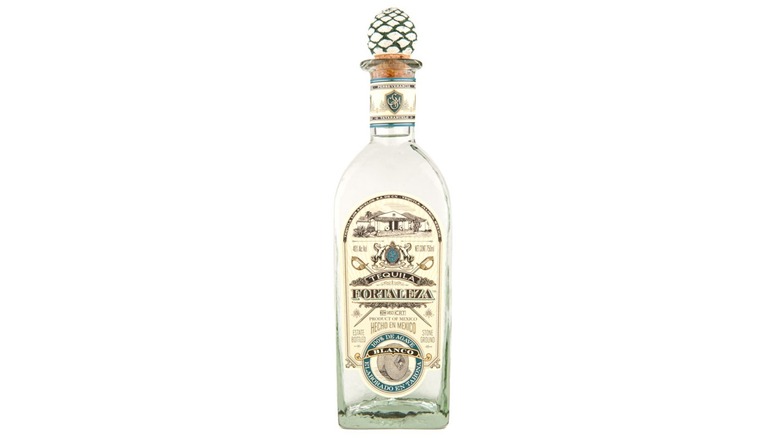
Four experts brought up the same tequila — Fortaleza Blanco. This is the kind of tequila that holds its own whether enjoyed neat or in a shaker. Produced by the Sauza family in the Tequila Valley in Jalisco, Mexico, the tequila is made using traditional methods, and it's Jairo Moreno's go-to tequila without hesitation. "There's something special about a tequila that tastes amazing neat but still shines when mixed into a margarita," he says. "Fortaleza has that perfect balance of agave, minerality, and character that comes through in every sip."
Dale Dcruz says that if someone else were paying, Fortaleza Blanco (which retails for around $65) is what he'd reach for. He praises its texture, depth, and ability to retain its "fresh agave character." However, he adds that the price doesn't scale endlessly with quality once you're mixing rather than sipping. "There's a huge difference between a $20 bottle and a $60 bottle. There's a much smaller difference between a $60 bottle and a $300 bottle once you've added fresh lime juice and orange liqueur," he says. "At some point, you're paying for nuances that get lost in the cocktail."
Arette Blanco
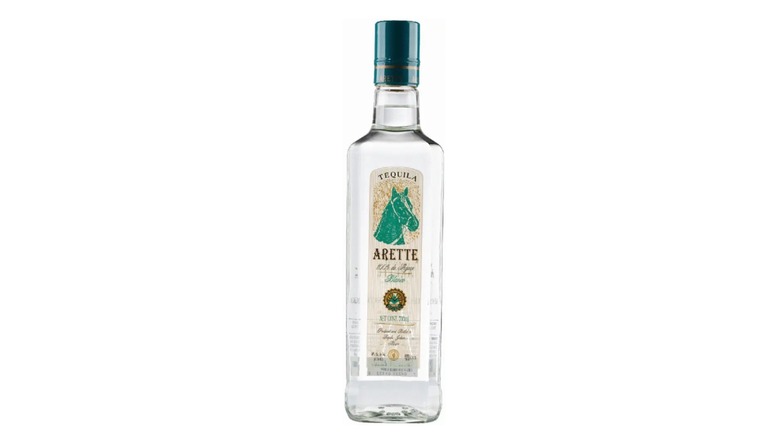
Arette Blanco often costs less than $30 and is a go-to for the pros — it kept coming up among our experts, and for good reason. Juan Piedra Jr. names it as his go-to affordable bottle. "It's crisp, flavorful, and punches way above its price point," he says. "If you know, you know – it makes a killer margarita without putting a dent in your wallet."
Jairo Moreno echoes this sentiment. He describes Arette Blanco as "clean, agave-forward, and consistently [overdelivering] for the price." For him, it offers some of the best value tequila across the board. But if you do find yourself with some extra room in your budget, he recommends picking up Arette Extra Añejo, which he names as one of his favorite añejo tequilas to drink as of late.
Arette Blanco is also a favorite for David Broomhead, who puts it to work every day. "We use it throughout the cocktail program, but the margarita is where it earned its place," he says. What stands out for him is how much flavor comes through at that price: green herbs, ripe fruit, and a touch of pepper, with the proof holding its own rather than fading into the background. "Nothing overdone, nothing to hide behind," he says — and somehow it still lands in the mid-$20 range.
Fortaleza Blanco Still Strength
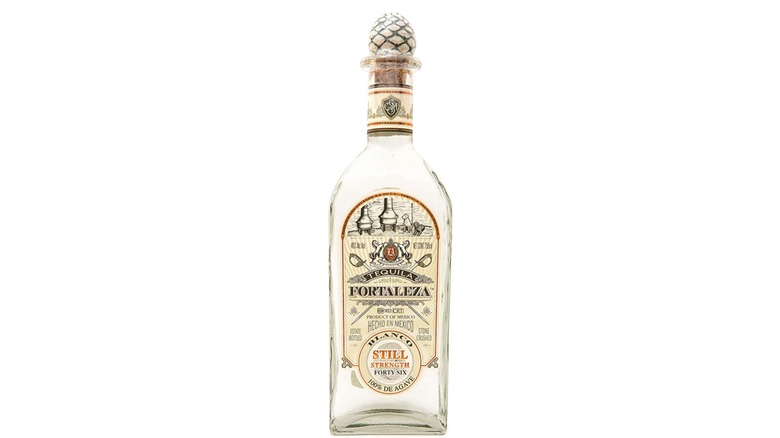
If you want to go all in, our experts have just the bottle for you. Fortaleza makes a Still Strength expression at 46% ABV that Tunahan Ozdemir claims is in a category of its own. Apart from the fact that it is produced (like Fortaleza Blanco) in a traditional distillery in Mexico, as is the legal requirement for all tequila, Ozdemir explains why it deserves special attention. Most blancos sit at 40% ABV, compared to the 46% of the Still Strength. What this means is that a good amount of what makes them interesting can get lost once lime juice and triple sec enter the picture.
"Drinking it in a margarita feels less like having a mixed drink and more like understanding what tequila is truly capable of," Ozdemir says. He describes the flavor profile as that of roasted agave, tropical fruit, and (surprisingly) white pepper. Another advantage is that the aftertaste and finish stick around rather than fading out quickly. For Ozdemir, this is less about an everyday drinking cocktail and more about what a margarita can be when the tequila itself is allowed to take center stage instead of disappearing into the mix.
Espolòn Blanco
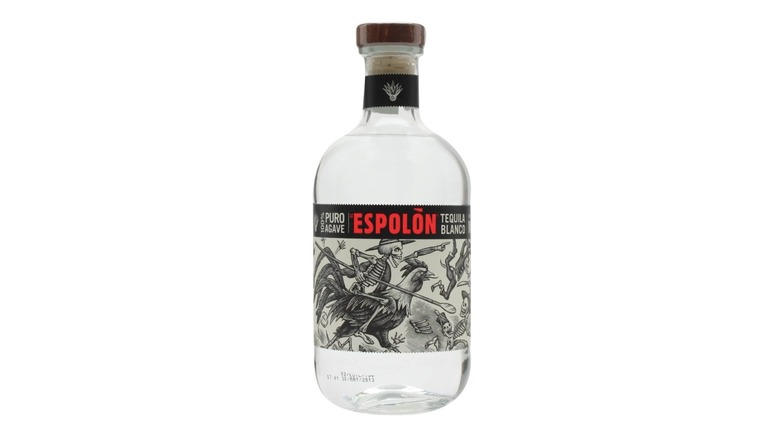
Tunahan Ozdemir has done blind tastings with Espolòn sitting next to bottles that cost twice as much, and people are always surprised by the results. This tequila uses 100% agave and is additive-free. "There's a slight herbal sweetness to it that works beautifully with fresh lime juice," he says.
Espolòn is quite the darling beyond the bartending world. With its distinctive bottle — which features artwork that pays tribute to José Guadalupe Posada's calavera imagery – it is instantly recognizable on bars and liquor store shelves alike, and has gained a reputation among those in the know.
For frozen margaritas especially, Ozdemir recommends the Espolòn. When dilution comes into play, you need an assertive spirit to hold up, and this does. The flavor of subtler tequilas tends to flatten and disappear when frozen, so a liquor with enough character to survive that process matters more than people often realize.
Olmeca Altos Plata
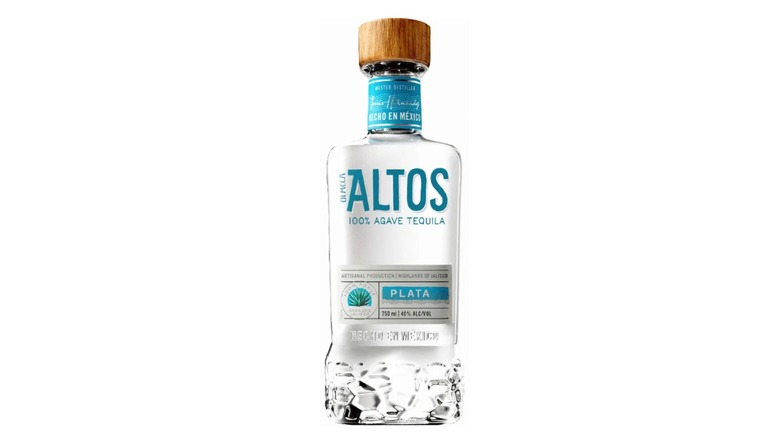
If Dale Dcruz had to name one affordable bottle that he recommends most often, it would be Olmeca Altos Plata. "If someone handed me a margarita made with Altos at a bar, I wouldn't feel like I was sacrificing anything," he says. Not only is it affordable and widely available, but it "punches above its weight" when it comes to flavor.
Part of the reason Olmeca Altos Plata works so well in cocktails comes down to how it was made. Created by two bartenders who worked with a master tequila distiller, this is a tequila built specifically for mixing. It uses traditional tahona stone milling to crush the agave — a labor-intensive process in itself — before being batch distilled in copper pot stills.
At this price point, it's rare to find a tequila with the body and agave character the blend brings. For those building a home bar, this is a good entry point tequila to stock up on and produce a reliable margarita base without needing to overthink.
Fortaleza Winter Blend
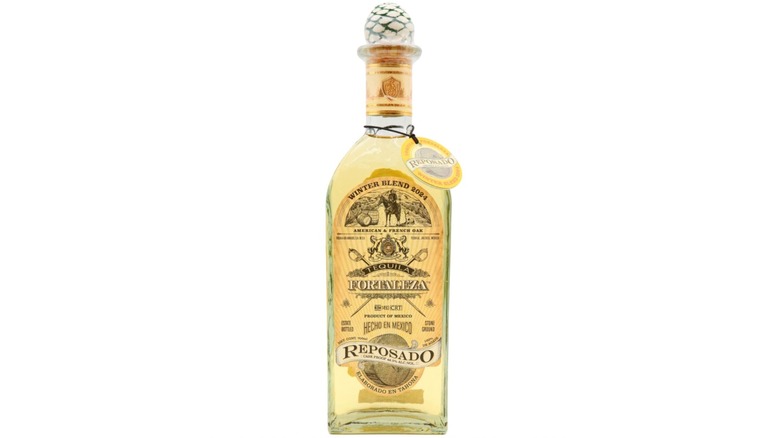
This list caters to all budgets. If you are looking for a particularly exclusive bottle of tequila, Fortaleza's Winter Blend is the one for you. Sold as a limited annual release for a price tag that can soar as high as $500 or beyond, it is Jairo Moreno's pick — if money were no object, of course. The appeal of this blend is that no two years are the same. Each release is its own blend, and tequila collectors tend to treat each year's bottling as a milestone in its own right.
That said, Moreno is quick to level the playing field. Even with a bottle like the Winter Blend on the table, he points out that the rest of the margarita still matters just as much. For him, freshly squeezed lime juice and a high-quality triple sec or orange liqueur like Combier make as much of a difference as the tequila used.
If you can't get your hands on orange liqueur, the good news is that you don't need triple sec to make a perfectly good margarita — just ensure you stick to the same flavor family. "Great ingredients and proper balance will always matter more than simply spending more money," he says. A $500 bottle won't fix a margarita that's missing fresh lime juice or a decent orange liqueur, and a well-made margarita with humbler ingredients can still get the fundamentals right.
Lalo Blanco
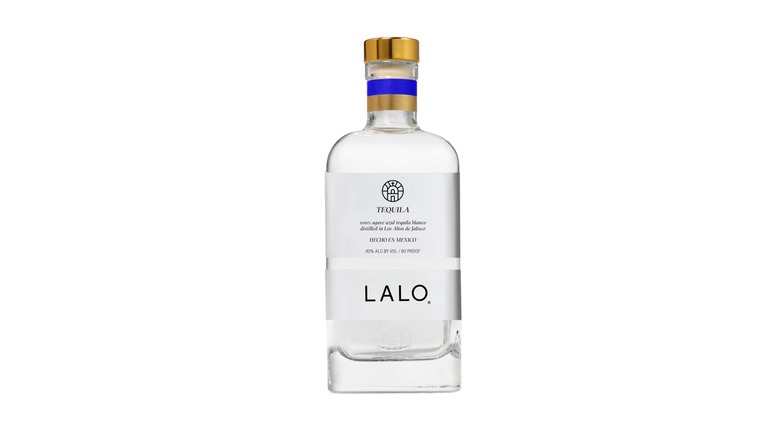
While Tunahan Ozdemir admits that Lalo Blanco has become extremely mainstream in recent years, meaning it's often dismissed in the industry, he also thinks it deserves the recognition. "It's made from 100% Blue Weber agave, the distillation process runs about 80 hours longer than most, and that extra time shows up in the glass," he says. As a result, it delivers a smooth, slightly sweet profile with notes of vanilla, a little citrus, and clean agave. The biggest advantage is that it holds up consistently across batches. "In a resort environment where we're making a lot of margaritas, that consistency matters as much as the flavor," he adds.
Dale Dcruz names Lalo as a tequila brand that deserves more love due to the fact that it "puts agave first instead of trying to be overly smooth or sweet." He's not the only one. José Medina Camacho's pick for a classic margarita is the Lalo High Proof. "It is quality tequila, well-made, and I love the higher proof," he says. It's a sentiment that lines up neatly with the brand's recent industry recognition: the Lalo High Proof was named the top tequila in the 2025 Rolling Stone Spirit Awards.
Tequila Ocho Plata
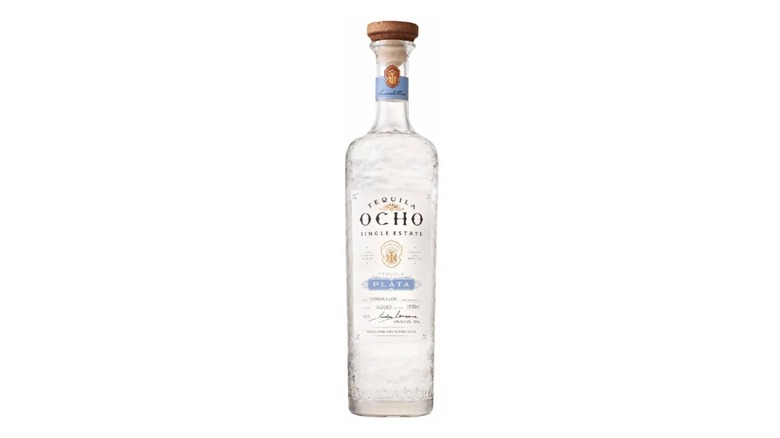
Tequila Ocho takes a single-estate approach to tequila. This means that each release uses agave harvested from a specific farm, which feels closer in concept to a wine vintage than standard spirits production — and is appreciated by industry professionals like Dale Dcruz.
Dcruz names Tequila Ocho Plata as his first choice for a classic margarita. "It has that bright agave character, a little pepper, a little citrus, and it still tastes like tequila once you add lime and orange liqueur," he says. "That's really what I'm looking for." If the spirit fades into the background once mixed, it wasn't the right choice to begin with.
Tunahan Ozdemir points to Ocho's single-estate model as proof that terroir matters in tequila the same way it does in wine, something most drinkers don't think about until they taste it directly. He argues that Ocho deserves to be part of more conversations. Tasting how a growing region shapes the final spirit ultimately changes the way you look at tequila as a whole.
Siete Leguas Blanco
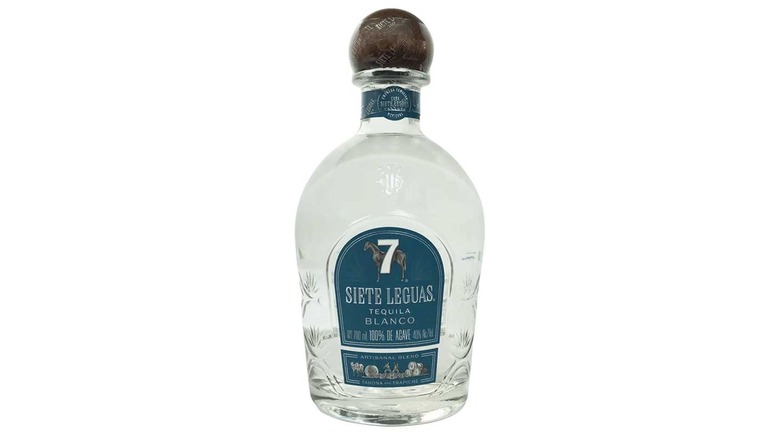
Juan Piedra Jr. is clear about why certain bottles make his list of go-to tequilas for margaritas. "A great margarita is all about balance and fresh ingredients, not flexing the most expensive bottle on the shelf," he says. With that in mind, his go-to for a classic margarita is Siete Leguas. His reasoning is simple: it's affordable, consistent, and balanced — everything you need in a classic blend.
Based in Atotonilco El Alto, Siete Leguas is one of the oldest family-owned tequila producers in Mexico. It's earned a reputation among industry insiders as a benchmark for traditional craftsmanship. It's completely additive-free, made from nothing but agave, yeast, and water, and the distillery still uses a rare dual-process method (tahona and roller mill) to achieve its characteristic flavor profile.
Despite that pedigree, it doesn't carry the price tag or marketing budget of many newer or more celebrity-driven brands. The blanco, especially, is built for exactly the kind of clean, bright margarita that lets the agave speak, rather than competing with the lime and orange liqueur for attention.
La Gritona Blanco
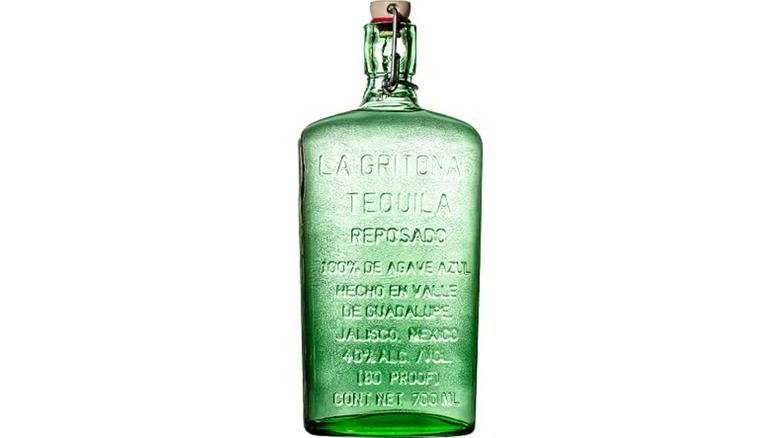
There's a great story behind the next bottle on the list. La Gritona's tequila is made by an all-female distilling team — the only one in Mexico — at a small distillery in the Valle de Guadalupe, Jalisco. Led by master distiller Melly Barajas Cárdenas, the agave is slow-roasted in traditional clay ovens for 24 hours, distilled in copper pots, and rested in used American whiskey barrels for six months to give it a subtle and understated finish.
Juan Piedra Jr. counts La Gritona Blanco as his sleeper pick. "It's one of those bottles that people sleep on, but bartenders know what's up," he says. He particularly loves that even the bottles have a backstory. They are made from recycled glass bottles — often Mexican Coca-Cola — which are hand-blown near the distillery. Ultimately, it's genuinely good tequila at a fair price, whatever it happens to be bottled in.
Cascahuín Blanco
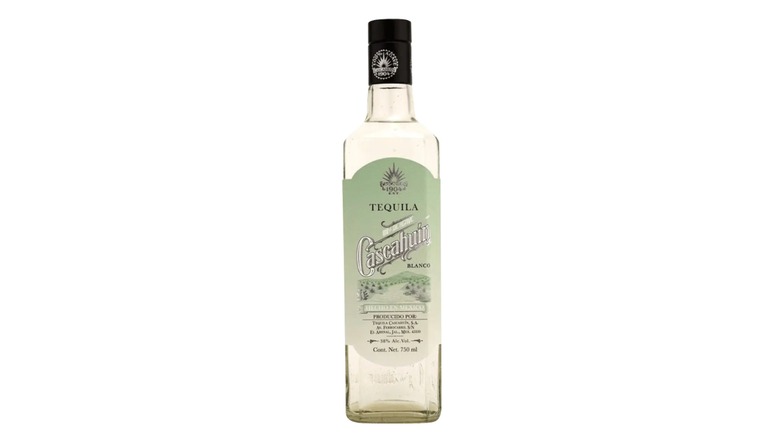
Both Jairo Moreno and Dale Dcruz name Cascahuín as a bottle that deserves significantly more attention than it gets outside of Mexico. "I still can't believe more people don't know how great it is," says Moreno. "It's clean, additive-free, and made with incredible attention to detail. They are doing tequila the right way, and more people should be talking about it."
Tequila Cascahuín has been run by the same family in El Arenal, Jalisco, since 1904. It has stayed independent, unlike many other brands that have consolidated under larger spirits companies. Its agave is slow-roasted in brick ovens and fermented with wild yeast. For Moreno, its attention to process is exactly why Cascahuín deserves more attention — including in margaritas. "It's a tequila that a lot of people in Mexico already appreciate, but it deserves much more recognition in the U.S.," he says.
David Broomhead goes a step further and calls Cascahuín Blanco his dream margarita base if money were no object. "There are notes of fresh-cut grass and green pepper plus beneath it all, a minerality that seems made for citrus," he says. For Broomhead, additive-free agave isn't optional. "The plant should still have a voice over the lime and sugar," he says. José Medina Camacho also names Cascahuín among the bottles that deserve more attention, putting it firmly in the category of the tequilas that professionals in the know recommend to the masses.
G4 Tequila Blanco 108
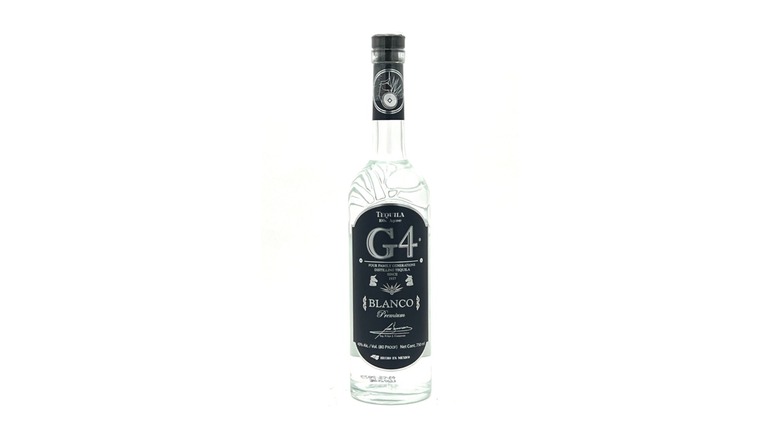
G4 comes from Felipe Camarena at El Pandillo Distillery in the highlands of Jalisco. As a producer, he is known for doing things the traditional way, without additives. El Pandillo is also one of the most respected highland distilleries, slow-roasting agave in stone ovens, naturally fermenting with ancestral yeast, and distilling with a blend of rainwater and spring water. G4 itself stands for "four generations," referring to the Camarena family's history in tequila production.
Dale Dcruz lists G4's tequila as one that's well known among tequila enthusiasts but hasn't quite crossed over into household-name territory, while David Broomhead points specifically to G4 Blanco 108 as a standout for margaritas in particular. "It carries a bright, mineral edge that seems to lift the whole drink," he says, adding, "It's bold and expressive — the kind of tequila that raises the ceiling on a margarita." He's also quick to note that despite the attention to detail, G4 is "hardly a small operation these days," which makes it all the more surprising that it remains, as he puts it, "underpoured." It's a tequila that's easy to respect once you know exactly what went into it.
Casamigos Blanco
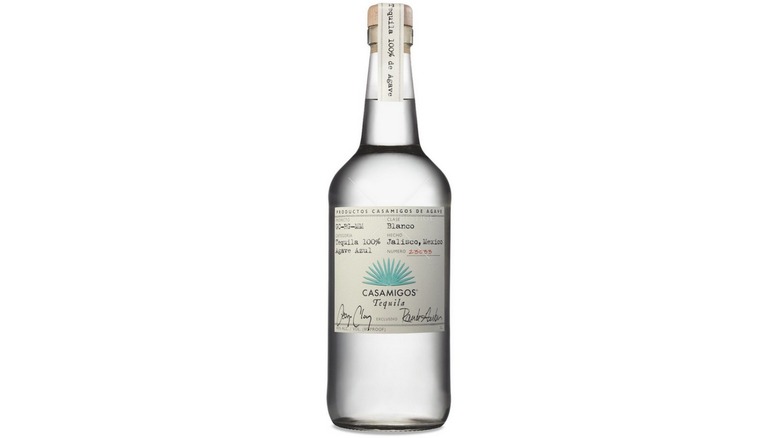
When making a classic margarita on the rocks, Tunahan Ozdemir names Casamigos as one of his go-to tequilas. "I want something elegant and clean," he explains. As one of the many celebrity-founded tequila brands out there, it's by far one of the most recognizable names on this list, having been launched by George Clooney and friends Rande Gerber and Mike Meldman in 2013 before being purchased by Diageo.
But the brand's popularity isn't just about star power. According to the drink's website, its tequila is made with 100% Blue Weber agave from Jalisco that's roasted in traditional brick ovens. The resulting blanco comes out crisp and clean with notes of citrus, vanilla, and sweet agave.
The idea behind Casamigos was to make a tequila that's smooth enough to go down without needing salt or lime to jazz things up. Coincidentally, this is exactly the kind of quality that translates well into a margarita. It may not be the most adventurous bottle on this list, but you could do much worse than reaching for Casamigos when you need consistently delicious margaritas — plus a bottle that's easy to find in almost any liquor store.
Milagro Silver
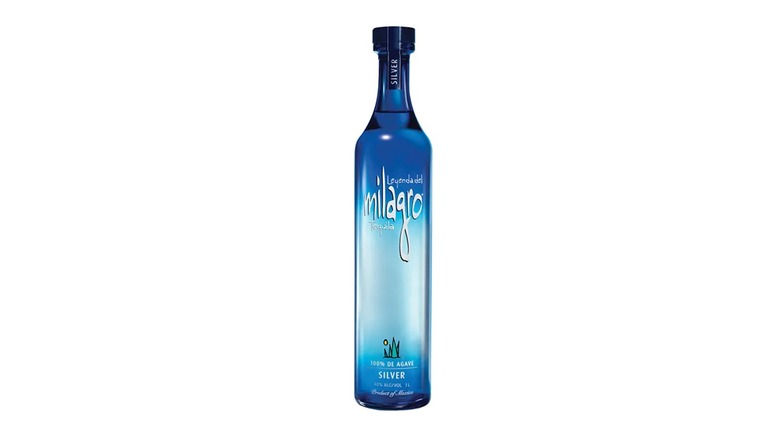
Milagro Silver is made from 100% blue agave, slow-roasted in traditional brick ovens, then triple-distilled using a combination of pot and column stills — an approach that's more common in vodka production than tequila. The result is a tequila with notes of citrus, black pepper, and agave. The pepper and citrus undertones give it a fresh, lively taste that shines on its own as well as in margaritas.
In frozen drinks, as Tunahan Ozdemir states, this flavor profile is essential. "For frozen margaritas, I lean toward something more assertive," he says, noting that Milagro Silver "holds up well once dilution comes into play." Triple-distillation gives it a clean enough profile that it doesn't clash with other ingredients, but it still retains enough agave-forward character to avoid disappearing altogether. It's also reasonably priced and a practical choice for anyone making frozen margaritas at volume.