

Science Says This Is The Absolute Best Time To Have A Snack
We may receive a commission on purchases made from links.
Snacks are what get us through life. Funnel cakes can help you find your soul mate, warm brownies can close a business deal, and granola bars will get you through a busy day. More than 90% of global consumers have at least one snack a day and some cultures basically live off them, but when's the best time to have a snack? In an exclusive interview with The Takeout, Johannah Katz RD, a dietitian from Consumer Health Digest, explained there's a science to snacking — and an optimal time to reach for your favorite pick-me-up.
The absolute best time to have a snack largely depends on how you treat mealtimes, according to Katz. "If someone eats a balanced lunch and dinner is only a few hours away, they may not need a snack," she said. "But if lunch is early, dinner is late, or they're exercising after work, a snack can be a smart tool." She explained how snacking should be used as a tool to keep you going between meals and to fuel workouts. With that in mind, Katz says most people could use a snack sometime between 2 and 4 p.m.
Regardless of how the rest of your day looks, she notes that late-night snacking should be off the table because hunger, fat oxidation, and glucose tolerance are all impacted by eating late at night. "I'd generally favor daytime snacks over late-night mindless snacking," says Katz. She also recommends planning snacks in advance to prevent overeating and late-night grazing.
Snack type is just as important as snack timing
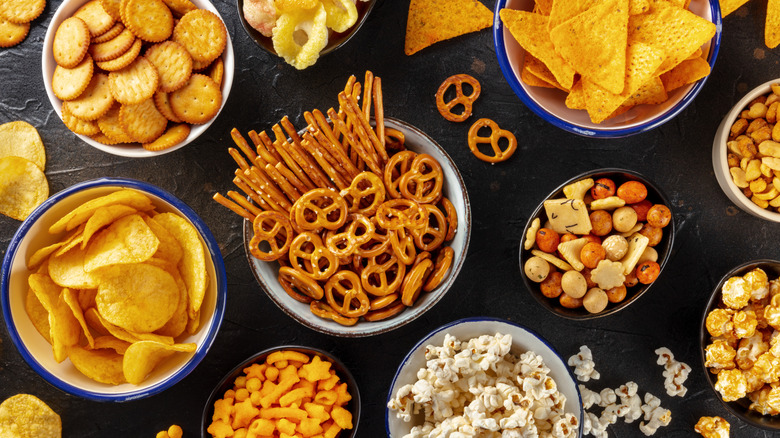
Snacks should be delicious, but they need to be more than just fun to eat. Katz explained how snacks are a tool to keep your body fueled, so the best kind provide protein, fiber, and healthy fats. "A snack made mostly of refined carbs, like pretzels, chips, candy, or a Starbucks beverage with lots of added sugars, probably won't keep you full for long," she explains. "Higher-protein snacks, including Greek yogurt, have been shown to improve fullness and delay subsequent eating. Fiber helps slow digestion and supports steadier blood sugar."
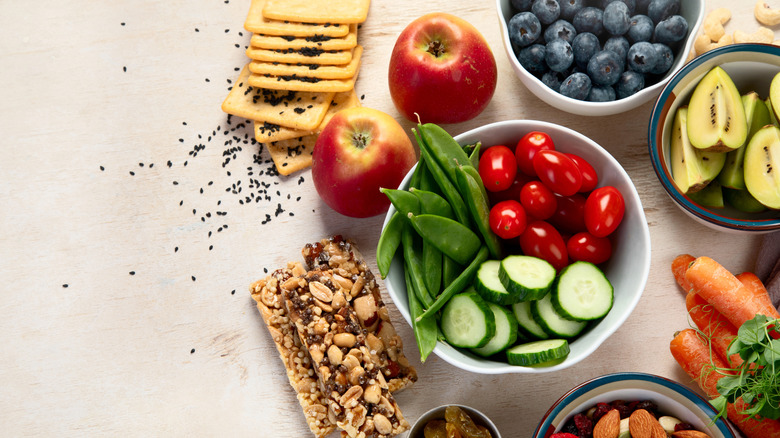
Greek yogurt is a great snack because it's versatile. You can turn yogurt into a gourmet treat in seconds or invest a little more time to make a creamy, four-ingredient frozen treat that is nutritious and delicious. But Greek yogurt isn't the only good snack choice in the world. Katz also recommends snacking on combos like high-fiber crackers with tuna or turkey, cottage cheese with fruit, apples with peanut butter, edamame, or hummus with vegetables. Most people should aim for a snack that has 150 to 250 calories with 10 to 20 grams of protein and some fiber. As Katz put it, "The best snack is the one that helps you feel satisfied and make better choices surrounding meals and activities."
You can still satisfy cravings with healthy snack choices. Protein bars that are low in sugar and high in fiber can gratify a sweet tooth, for example. If you want something salty, try roasted edamame, pistachios, or healthier packaged foods like Harvest Snaps green pea snacks. Good swaps for chips or pretzels include hummus or tzatziki with radish coins, carrots, and sliced cucumbers.