

The Versatile, Cheap Vegetable That Can Bulk Up Any Dish
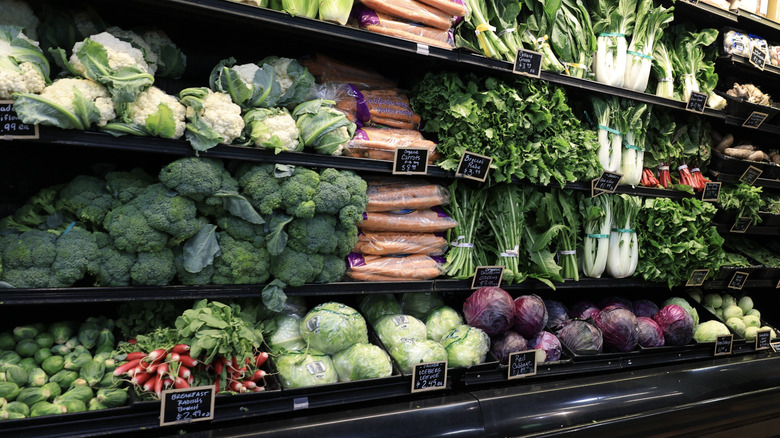
We're all trying to get the most bang for our buck on groceries, and if green cabbage isn't already on your budget grocery list, it definitely should be. Other than potatoes, green cabbage is one of the cheapest vegetables per pound, with a national average price of about $0.77 per pound — or roughly $1.50 for a medium-sized, 2-pound head. When you wash and properly store cabbage in the refrigerator, it can last for a couple of months before spoiling. Even better, its slightly sweet flavor and hearty texture make it one of the most versatile vegetables around. There are few dishes cabbage doesn't complement, and it also adds significant volume and staying power thanks to its high fiber.
Roughly torn or chopped cabbage can transform French onion soup into a heartier meal, along with other soups like potato, chicken noodle, or vegetable beef. For canned or pre-made soups, simply stir in the cabbage before heating. If making homemade soup, add the cabbage during the final stages of cooking so it stays tender rather than turning mushy.
Casseroles such as shepherd's pie and fillings for dishes like enchiladas become twice the size and twice as satisfying with the addition of cabbage. Anything lettuce can do, cabbage can too. Its sturdy, fibrous leaves are able to hold up to sauces and dressings without wilting as quickly as lettuce. I like to lightly massage thinly sliced cabbage with oil, vinegar, salt, and pepper and use it with — or even in place of — lettuce for tacos, bowls, salads, and sandwiches such as cheesesteaks and Italian subs.
Cabbage provides a budget-friendly nutritional boost
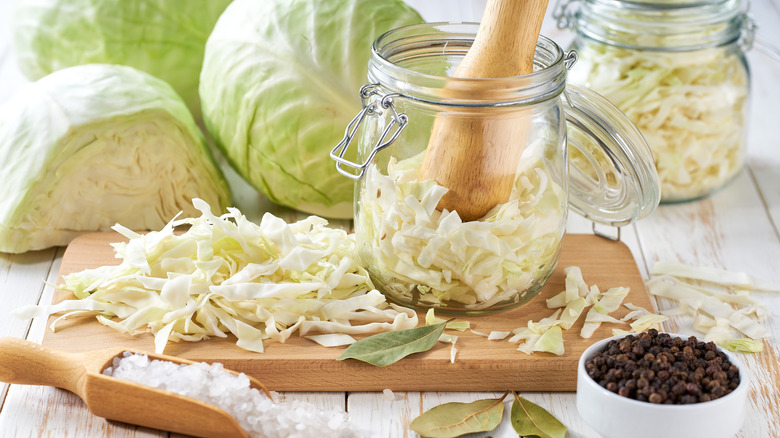
If cabbage's affordability and ability to make just about any meal more substantial isn't convincing enough, it's also one of the most nutritious vegetables in the world. We already know it's high in fiber and water, but it's also extremely low in calories for the amount of nutrition it provides. Just 1 cup of raw cabbage contains only about 20 calories while supplying high amounts of vitamins K and C, along with essential minerals such as manganese, magnesium, potassium, and calcium.
If you love how a fresh head of cabbage checks all the boxes but can't quite get behind the flavor, texture, or digestive discomfort some people experience after eating it, or maybe the pungent smell that develops during cooking, sauerkraut may be the solution. This cabbage preparation method offers a tangy flavor and tender texture while also producing beneficial bacteria that may support gut health and could make the veggie easier to digest.
It's also incredibly easy to make, requiring only sliced green cabbage massaged thoroughly with salt and tightly packed into a jar. After a few days of fermenting, you'll have a tangy topping that can be piled onto many of the same foods that pair well with raw cabbage, including sandwiches, burgers, bowls, and salads. The best part, however, is that no matter how you use this humble veggie to elevate meals, it'll only cost you pennies per serving.