

The Shocking Number Of Animals Slaughtered For Food Every Year
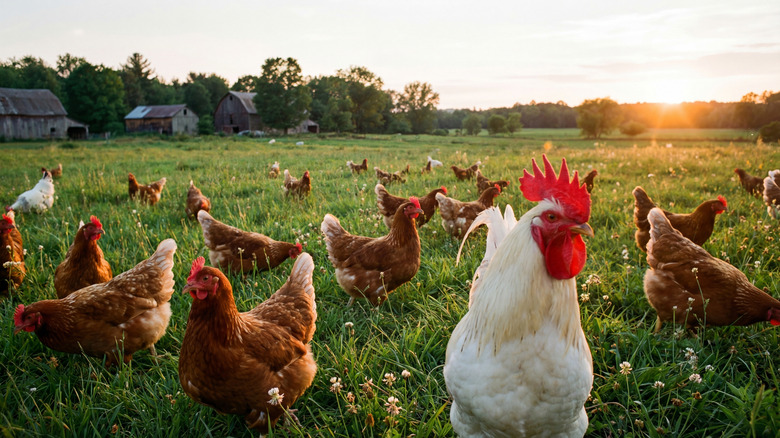
All throughout the natural world, animals eat other animals. Giant whales eat tiny krill, cats eat small rodents and birds, and humans eat fish and farm animals. Under normal circumstances, there's nothing wrong about this — but humans have taken things far beyond the normal circumstances. The sheer number of animals we slaughter so that we can eat meat every day for as little financial cost as possible is shocking. According to the Animal Clock website, in the time it took me to write this article, over 19 million animals were killed in the United States. This year, more than 18.7 billion have been slaughtered — and the number goes up by around 10,000 every five seconds.
These big numbers include fish and shellfish, which boost the total a lot. But even if we limit ourselves to land animals, we're talking about 9.76 billion animals a year, and just in the United States. But how do we know if it's too many? One easy number to look at is how much of this meat we throw away. Every year, American consumers discard around 21% of the meat that's produced, which equates to about 14 billion animals that died for nothing. Those deaths are only one part of the problem. The other is about how those animals lived their lives.
How meat production impacts farm animals' lives
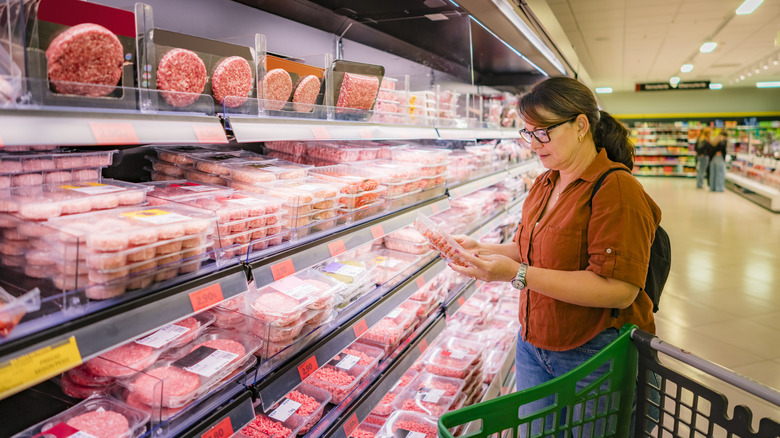
We all know companies want to make money, and consumers want cheap products. But where does that leave the animals? Unfortunately, the answer across the U.S. is, unfortunately, in horrendous conditions. Battery-caged chickens live in spaces measuring just 8 by 10 inches and are bred to get so big that they can barely walk. For breeding pigs, gestation crates are 2 by 6.6 feet, leaving no space to even turn around. Tail docking is also common practice; farmers dock the tails of newborn piglets to prevent tail biting — a problematic behavior also preventable by improved living conditions. Dairy cows are forced to produce milk for their entire lives, and are slaughtered for cheap, inefficient beef at four to six years of age, despite a natural life expectancy of up to 20 years. These are only a select few examples of the abuse faced by factory farm animals, all in the name of efficiency and reduced costs.
It might feel like food is expensive right now, but if we look at the bigger picture, it's the animals who are paying for it. Just because it's not inherently wrong to eat meat doesn't mean we have a universal right to eat it three times a day. We should pay for proper care for the animals we eat — both consumers through higher prices and companies through higher production costs.
The world won't change tomorrow, but you can
When it comes to meat and animal welfare, we should never let perfect be the enemy of good. There are so many small, sensible changes we can make without having to consider going vegetarian or vegan. One example is simply being picky about what you buy. It takes a bit of research to find out if the meat you're buying is ethically sourced, and it takes a little extra money to buy it, but it's a great way to do your part.
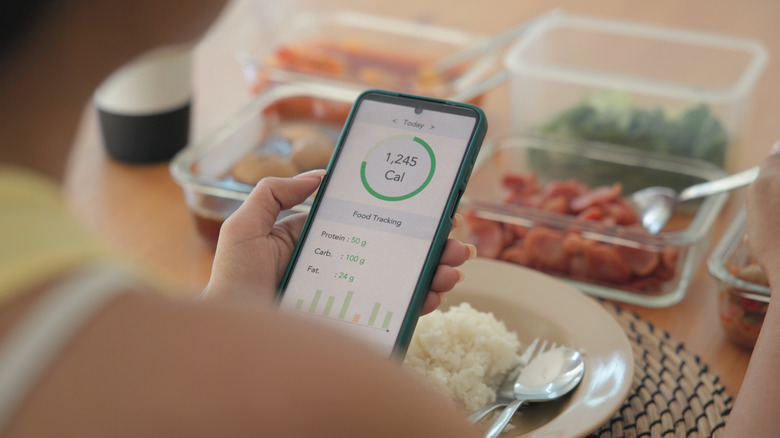
Another is to reevaluate how much meat you buy, and this one splits into two parts. The first is doing the math to see how much meat each person needs per meal, and making sure you only buy as much as necessary. You don't want to be one of the people wasting the groceries they buy.
The second is about reducing the amount of meat you use per meal, which doesn't have to be as extreme as it sounds. If you want a dinner with 60 grams of protein, you don't need 200 grams of chicken. Say Alfredo pasta is on the menu — the pasta itself is as much as 16% protein, and there's plenty more in the cheesy sauce, too. If you properly measure what's in your meals, it's easy to reduce your meat intake by a slight amount while also getting all the protein you need (I've been doing this for months now, and it's going really well). It can also cut down on costs, making it easier to buy higher-welfare products.