

Why 7-Eleven's Secret To Success In Japan Won't Work In America
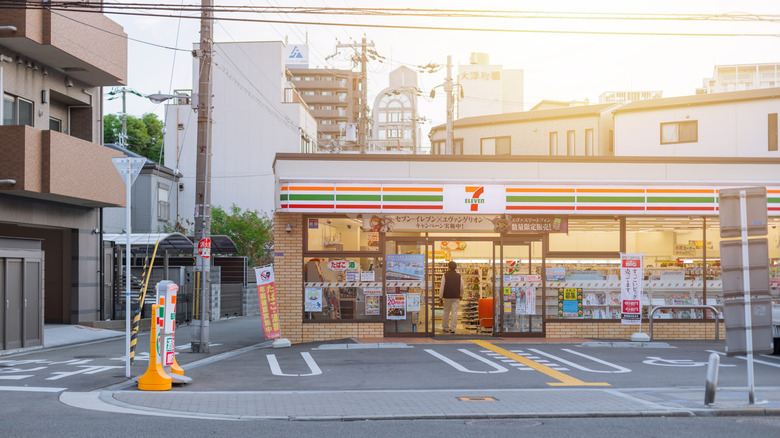
Not to state the obvious, but the United States of America and Japan are two very different places. The United States might have shared a lot of its big brands and food culture with Japan, but the ways those brands are managed in the two regions are quite distinct. 7-Eleven is one of the most extreme examples of this. At home, the convenience store is struggling with stagnant sales and a major reputation problem. In Japan, on the other hand, 7-Eleven konbinis are a cultural phenomenon which provide endless Insta-worthy products and genuine convenience to its patrons. The stores are a staple of every city, always with fully-stocked, sparkling clean shelves; huge varieties of fresh, frozen, and shelf-stable foods; endless drink choices; and perfectly acceptable prices. The consistency in Japan is insane. I've visited stores all over the country, and every branch is kept to the same high standards, with regional limited-edition products being just about the only difference between them.
It's no wonder that the parent company, Seven & i, wants to bring some of this magic over to the States, but it won't be an easy thing to pull off. For one thing, 7-Eleven stores in America are mostly franchised, which means consistency is hard to achieve. Beyond that, the geographical, cultural, and logistical differences between the two regions' business models make it practically impossible for the United States to fully replicate Japan's success.
Differences between Japan and the United States
7-Eleven is an extremely well-known brand in both countries, but in Japan it's truly a part of everyday life for most residents. While the 340 million people in the United States share around 10,000 7-Eleven branches between them, Japan has more than double the stores and only 120 million people. There are also 7-Eleven stores across all of Japan's 47 prefectures, while the United States only has stores in 38 states.
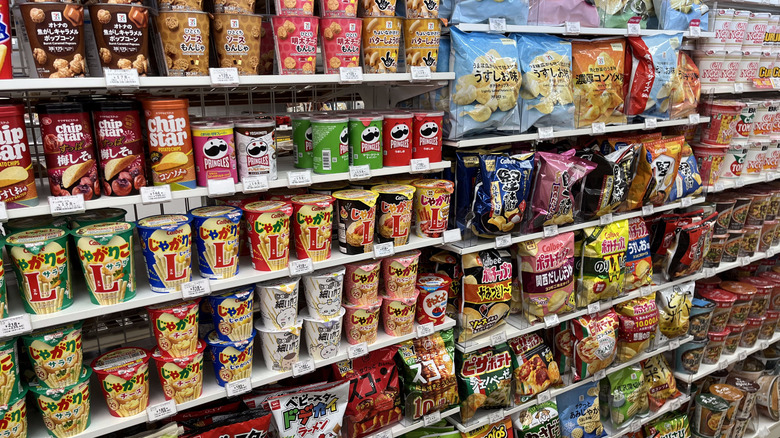
Food offerings are also pretty different. Fresh foods in Japan include bentos, pre-made meals, sandwiches, rice balls, sushi, fruits, and desserts. There are also packaged microwave meals like fish filets, beef stew (my favorite), and hamburger steak. Hot foods include meat buns, croquettes, curry bread, and fried chicken. The frozen section has microwave meals, ice cream, smoothies, and in the summer they sell frozen bottles of popular sports drinks that are honestly lifesavers. You can also pay bills, pick up and send packages, buy household and electronic essentials, and use the high-quality printer. New items go on sale literally every week, which is what helps keep them in the spotlight on social media.
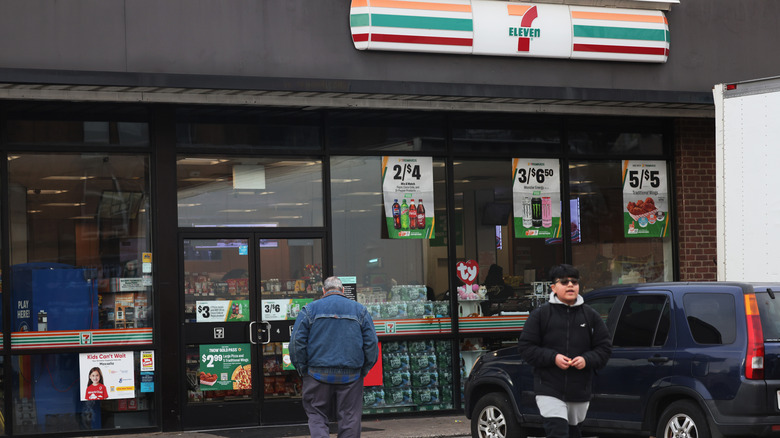
American 7-Elevens also sell food, of course, but you won't find a lot of full evening meals like in Japan. They have nachos, mini tacos, burritos, taquitos, chicken sandwiches, and hot dogs in the hot food section (only some of which are worth eating). There are plenty of sandwiches and salads in the fresh food section as well as endless snacks, nuts, cheese sticks, candies, chips, and trail mix on the shelves.
How Japanese 7-Elevens provide all that fresh food
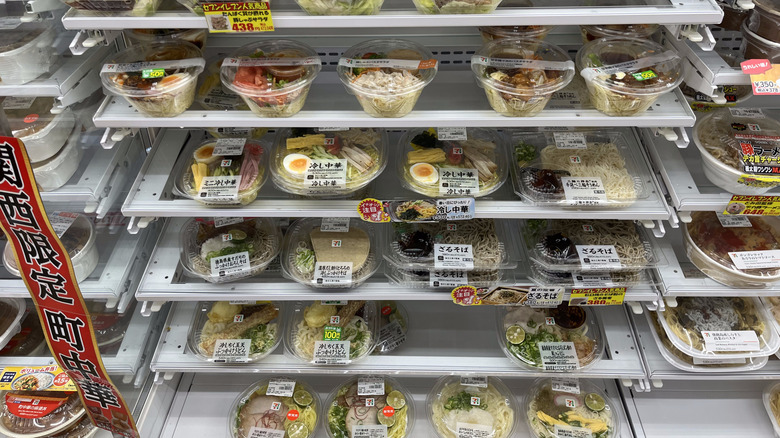
The 7-Eleven food products in Japan are prepared at over 150 different distribution centers and factories around the country, each of which serves a set number of its nearest 7-Eleven branches. The supply chains are also split up by product type, with frozen, chilled, warm, and room-temperature items all handled separately. This allows each chain to tailor its processes to suit the products they focus on rather than having to deal with conflicting handling requirements. The result is up to three deliveries a day of fresh produce to every branch — deliveries which are tailored by the company's sophisticated Point of Sale (POS) data which tracks what products are needed where (and when).
It's a system designed to maximize efficiency, quality, and convenience; and it exists because anything less would fail to meet market demands. Japan is truly a wonderland when it comes to food, and there are so many ways for its residents to fill their stomachs, whether they're focused on price, proximity, speed, quality, or a combination of the above. For example, there are around 160,000 restaurants in Tokyo (that's roughly seven times more than New York City), and because Japan's zoning rules allow food establishments to be built just about anywhere there will always be tasty and affordable food a few steps away no matter where you're standing. If 7-Eleven wasn't at its absolute best, it would simply lose out to local supermarkets (which also offer lots of premade foods), bento shops, and eateries offering takeout.
The challenges the United States faces
So, 7-Eleven in Japan is amazing because the market demands it to be, and its hub-style logistics are perfectly suited to the country's geography, where high mountain coverage concentrates the population into dense pockets. The United States, on the other hand, is massive compared to Japan and its people are far more spread out. Supplying a remote American 7-Eleven branch in the same manner as a Japanese city branch is simply more difficult.
However, just because replication isn't viable, that doesn't mean the United States can't still learn from the Japanese model. The hub-style supply chains needed to provide high-quality fresh foods could still be used in American cities, and it would be much easier to improve the brand's reputation incrementally starting with these cities rather than nationwide. The United States doesn't need to sell the same products as they do in Japan, mind you; all it needs to do is find a middle ground by providing fresher, higher-quality products than competing chains while offering more convenience than traditional supermarkets and eateries. By creating the processes needed to run these superior city branches, the company would likely discover strategies to bring improvements to more remote stores as well.
If you think of Seven & i's plan as being "recreate Japanese convenience stores in America," then yes, it probably won't work. But, using Japan as inspiration for a major brand overhaul is totally possible, and a really interesting thing to aim for.
The egg sandwich experiment
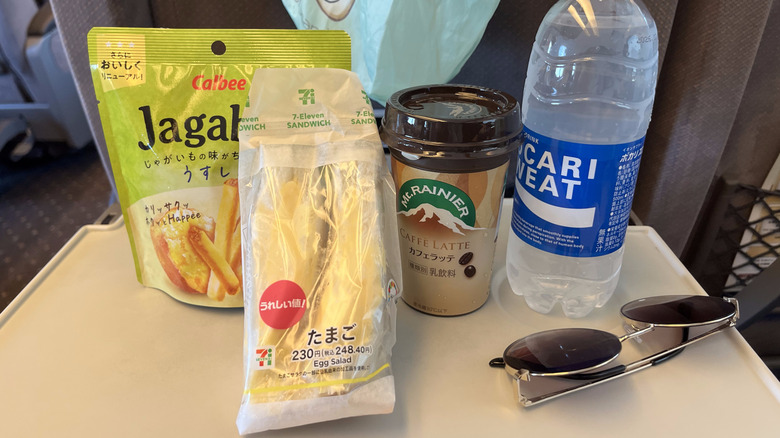
The changes American 7-Eleven plans to make will take a long time to fully roll out, but they have already started. One of its first moves in its "Japanification" plans was to bring the famous egg (aka "tamago") sandwich from Japan over to America. It started appearing in select locations in December 2025, but the reaction seems to have been a little hit or miss.
Many Redditors say the taste is too bland, there's not enough seasoning, it needs pickles, and that it's generally nothing to write home about. While I doubt the American version is an exact copy of Japan's, it's hard to believe they could get it that wrong, which begs the question — does the famous tamago sando simply not suit American taste buds? Americans are famous for enjoying big flavors, but in Japan the tamago sando's mild sweetness and simplicity are part of the charm. It's not famous because it's some kind of taste explosion or amazingly unique experience; it's famous because it's simple, reliable, tasty, and easy to eat. And because of this, it starts to earn a special place in your heart. For me, a tamago sandwich is the first thing I buy at the airport whenever I land in Japan. It seems the tamago sando won't be able to win over the American market in the same way, but hopefully 7&i can cook up some more American-appropriate foods going forward.