

12 Classic Filipino Dishes That Should Be On Your Radar
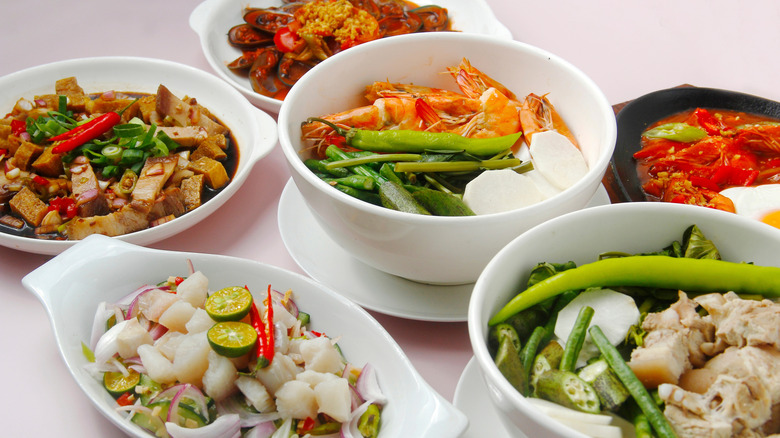
Filipino cuisine doesn't always get the attention it deserves. However, once it's on your radar, it's hard to look away. These dishes balance bold, comforting flavors with surprising depth. From tangy, slow-simmered stews to crispy, indulgent street food, Filipino cooking is all about contrast and creativity.
To better understand the stories and flavors behind these dishes, we spoke to some experts in the field of Filipino cuisine. Chef Anton Dayrit is the executive chef and partner at Tradicionale, a modern Filipino-Spanish bistro and bar in New York City. Eric Valdez is the chef de cuisine of the Filipino New York City restaurant, Naks. Chef Nico de Leon has been in the industry for over a decade and is the guest chef at the upcoming Outstanding in the Field dinner at Coachella on April 19.
The work of these chefs highlights the versatility of Filipino food. Whether you're already familiar with the classics or just starting to explore, these 12 classic dishes offer a delicious introduction to one of the most iconic food cultures out there.
1. Adobo
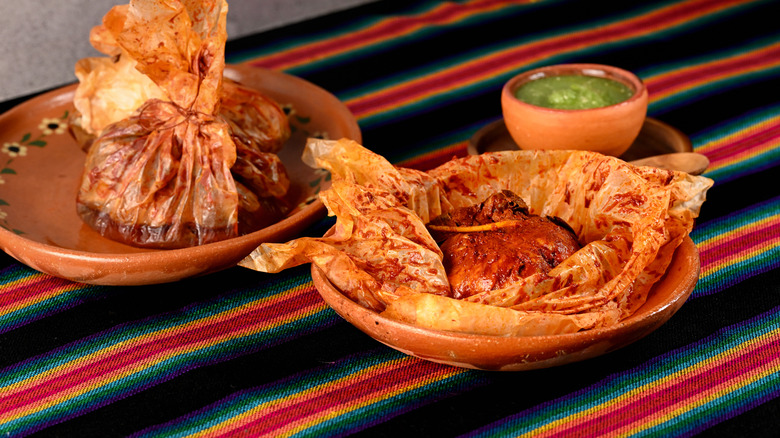
We're starting this list off strong with a true Filipino staple: adobo. An iconic component of Filipino food, adobo is loved by all. Whether you grew up eating it or tried it for the first time later in life, once you've had it, you understand its popularity in the Filipino community (and beyond).
While people may think of adobo as a dish, it's more of a cooking style than anything else. "Adobo is less of a single recipe and more a method you grow up tasting in different houses," Eric Valdez said.
This flavorful cooking style can be used with a variety of different meats (think chicken, pork, or even both). According to Nico de Leon, the flagship flavors of adobo are vinegar, bay leaf, black peppercorns, and garlic. Everything else used is really up to whoever is making it. What results is a bright, tangy dish that will leave your house smelling immaculate. No matter what ingredients you use, just know that when you have adobo, you really are experiencing the heart of Filipino food. "Adobo is a staple that reflects the essence of Filipino home cooking: simple in components, yet rich in depth," Anton Dayrit said.
2. Pancit
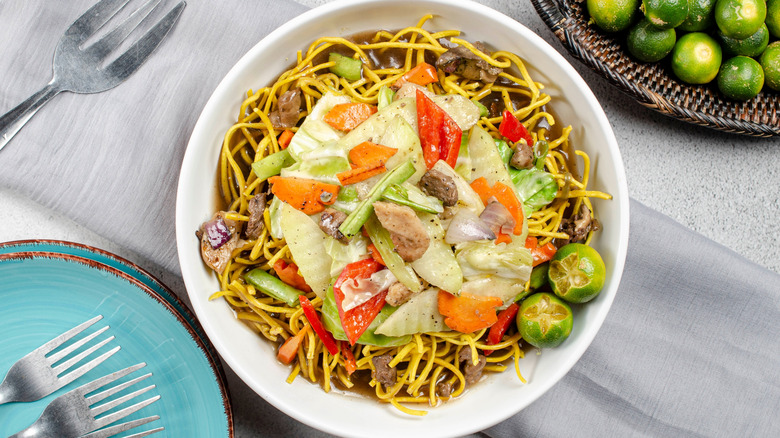
Noodles are a staple of Filipino culture. "Pancit" refers to a broad family of noodle dishes that have become deeply embedded in Filipino food identity, and the varieties are sure to appeal to anyone. "When it comes to noodles, or pancit, there's a wide variety across regions," Anton Dayrit said.
A large appeal of pancit is all of the different ways it can be enjoyed. If you are looking for a pancit that is rich in flavor, Eric Valdez suggests pancit batil paton, which features ground beef, pork chicharron, and a fried egg. Valdez himself is more drawn to the pancit kabute, which is a vegetarian version with mushrooms and chili garlic. If you're looking for something more quick and accessible, Jollibee has pancit palabok.
Although there are plenty of ways to enjoy pancit, the one consistency across variations is the fact that this is a noodle-based dish. Because of this, one of the best ways to ensure you have good pancit is to make sure the noodles are cooked perfectly.
3. Lumpia
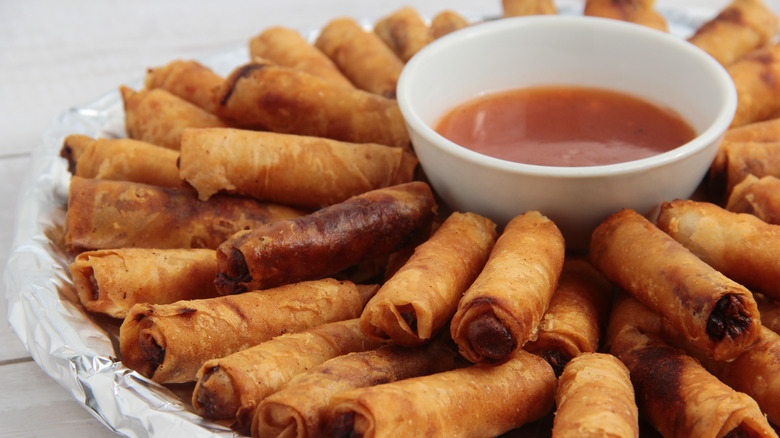
If you are a fan of spring rolls, you are sure to enjoy lumpia. Lumpia are the Filipino version of spring rolls, and they are popular for a reason. With their crispy exterior and delicious interior, they are one of the most reliably crowd-pleasing foods on the planet.
Lumpiang shanghai are one of the most classic types of this roll. This version features a mix of ground pork and vegetables. Other popular fillings include shrimp, chicken, and even just veggies, Nico de Leon said. These crispy rolls are typically served with some kind of sauce, like sweet chili or a spice vinegar, on the side. While the filling of the rolls varies, it's the exterior that sets these apart from other spring rolls. "Lumpia are lighter and tighter than other spring rolls. The real distinction is the wrapper, it's paper thin, so when it fries, it almost shatters," Eric Valdez said.
4. Lechon
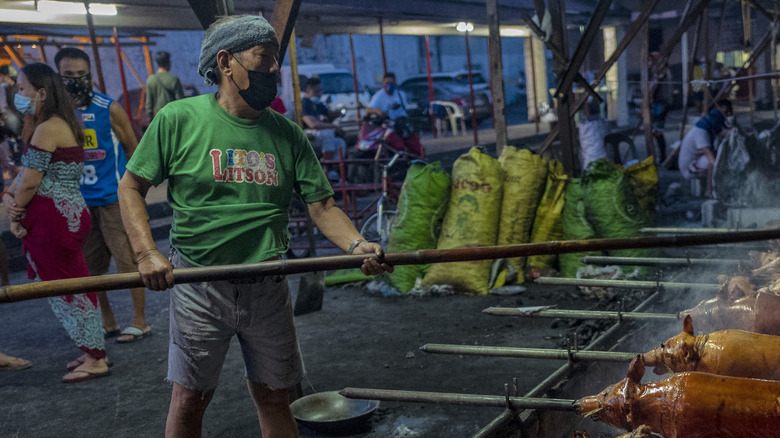
Arguably one of the most iconic Filipino dishes, lechon is more than just food. This dish, which consists of a whole roasted pig, is the centerpiece of major celebrations in the Philippines, making its cultural significance almost as important as the taste of the pig itself.
The pig is roasted whole, being slow-turned over live coals for hours until the skin gets glassy. The key to lechon is getting crackling, golden skin while ensuring the meat stays juicy and doesn't dry out (which is a difficult art form to master, according to Nico de Leon and Anton Dayrit). The pig gets some extra flavor from the aromatics that are stuffed in the belly before being roasted, like lemongrass, garlic, spring onions, and bay leaves.
Although the whole cooking process is important in order to enjoy the lechon at a celebration, Eric Valdez said that that's also part of the celebration itself. "You and your family are all hanging out together, while everyone takes turns tending to the stuffed pig to ensure it gets glassy, crackling skin and juicy meat simultaneously. It takes time, but it's part of the party," Valdez said. If you're lucky enough to attend a celebration that has lechon, make sure to go for a piece of that golden skin before it's gone.
5. Halo-halo
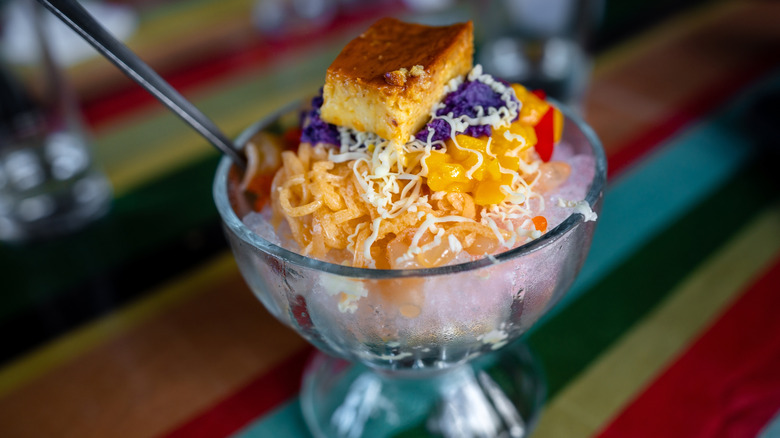
With a name that literally translates to "mix-mix," it's no surprise that this dish consists of a combination of many different ingredients. Halo-halo is a popular dessert in the Philippines, and for good reason. This fully customizable dish only has one rule when it comes to eating it: enjoy!
This multilayered dessert embraces abundance and is the perfect way to cool down on a hot day. Per its namesake, the dessert is really just a mix of different ingredients. The base is a shaved ice treat, but beyond that, things are totally customizable. While there are plenty of options to choose from, Eric Valdez recommends going traditional when it comes to toppings: ube, leche flan, and coconut jelly. "Halo-halo already pulls from a lot of the essential Filipino desserts, so when it's done right, it's a one-stop dish," he said. Other popular toppings include condensed milk, jackfruit, and sweet beans.
With so many delicious options to choose from, it's hard not to love this sweet treat. If we could only describe halo-halo using one sentence, we'd have to quote Nico de Leon and say: "Halo-halo is life!"
6. Balut
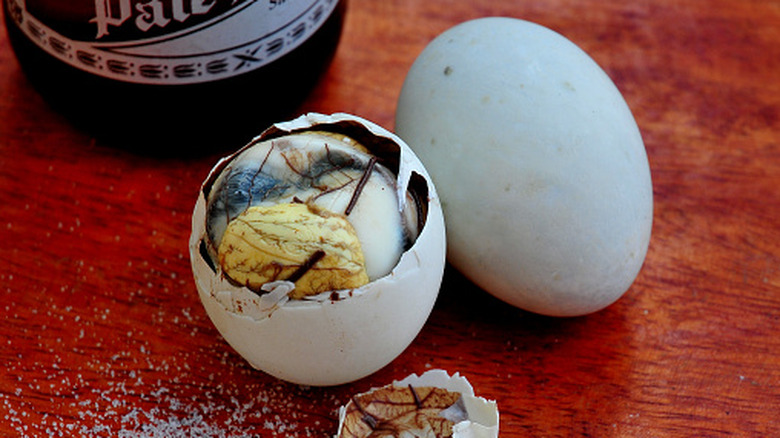
Whether you love it, hate it, or haven't tried it (yet), it's undeniable that balut is iconic. This dish consists of a fertilized duck egg with a partially developed embryo inside that is boiled and eaten straight from the shell. While it may intimidate those who have never had Filipino food before, its rich flavor has helped cement the dish as a street food classic and a significant part of Filipino cultural identity.
"Balut is everyday street food in the Philippines ... its popularity stems from being filling and accessible, it's just part of the daily rhythm," Eric Valdez said.
This dish is typically eaten warm with some salt or vinegar. There are different stages of embryo development that have their own unique flavors to offer. Just because you're weary of trying balut doesn't mean you shouldn't. "Those who reluctantly end up trying it end up loving it," Nico de Leon said. No matter how you plan on eating this dish, it's important to note that if you're going to try it, you should go in with an open mind in order to get the most out of your experience.
7. Sinigang
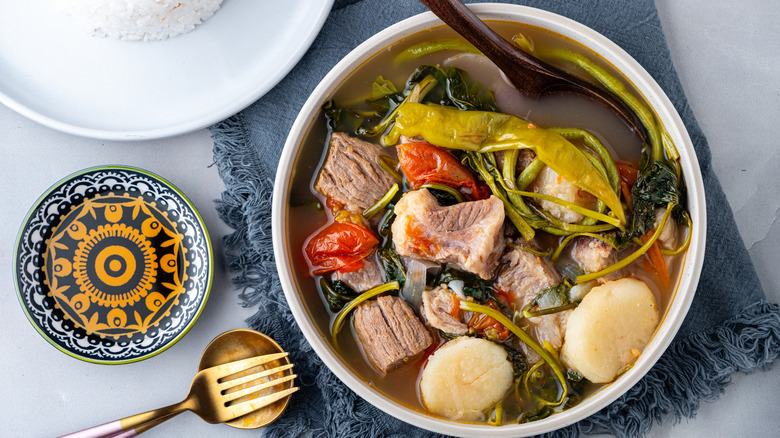
If comfort food is what you're looking for, sinigang is the dish for you. This sour tamarind broth soup is tart, savory, and loaded with vegetables and your protein of choice. It's a dish that nourishes both the body and soul. Sinigang na baboy (pork) and sinigang na hipon (shrimp) are some of the more classic flavors, but the opportunities for variations are endless. According to Nico de Leon, the ingredients used to make it are truly dependent on the household.
The key to this soup is its sour flavor. Some common ingredients used to sour the broth include tamarind, young guava, young mango, and even citrus, de Leon said. At one point, his mentor even used rhubarb to get that sour taste that sinigang is known for. The possibilities of how to customize this soup are infinite, making it a great choice for those who value personalization and creativity in cooking. People who are willing to make or find a good bowl of sinigang will be rewarded by its warm, delicious flavors that are reminiscent of a nice hug.
8. Kare-kare
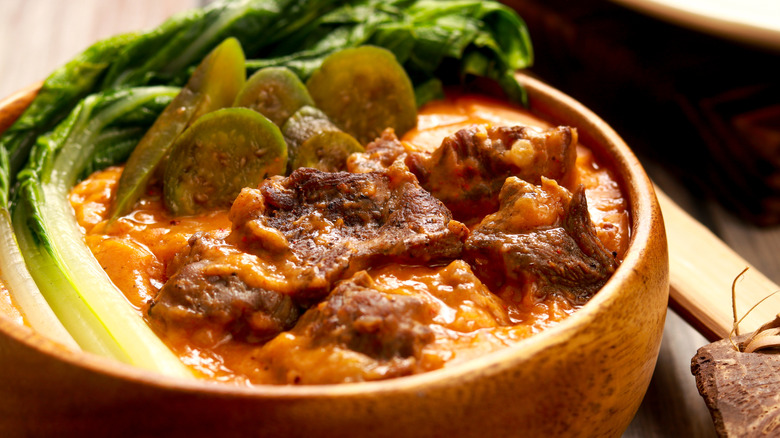
Another popular Filipino soup dish is kare-kare. This thick oxtail stew is known for its peanut sauce which lends itself to the stew's rich, nutty taste. The stew also features a mix of local vegetables. If you want to make the dish a bit more filling, you can add a side of perfectly cooked white rice, which really lets the flavors of the stew shine. Another key component of the stew is bagoong (shrimp paste). This salty, fermented paste adds a little bit of "funk" to the dish, according to Eric Valdez. "Sour, salty, rich, that's what defines Filipino food," he said.
Although it may take a bit of effort to make, once you've had it, you'll completely understand why it's worth it. This dish is a prime example of what makes Filipino cooking stand out amongst other kinds of food. "Filipino cuisine is deeply rooted in comfort, tradition and bold, layered flavors," Anton Dayrit said. The richness of a warm bowl of kare-kare perfectly exemplifies all of the amazing qualities that can be found all across Filipino cuisine.
9. Sisig
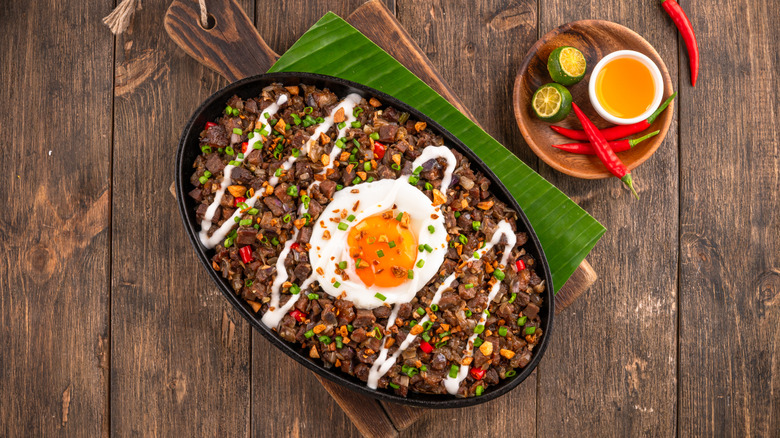
One dish that symbolizes the ingenuity of Filipino cooking is sisig. This inventive dish has evolved through the ages to become one of the most popular pulutan (bite-sized snacks to eat while drinking) in the Philippines.
Sisig originally started as a simple, sour side salad that was made up of fruit and vegetables mixed with vinegar. In the 1970s, a woman named Aling Lucing evolved the recipe to include pig heads and innards that were being discarded by the American military air bases. Her recipe incorporated these previously disposed of parts and turned them into one of the most popular dishes in Filipino culture.
Today, sisig is enjoyed by many people around the world. The dish is typically served sizzling, and the sisig itself a delicious mix of grilled pig parts, vinegar, citrus juice, onions, liver, chili peppers, and/or oil. The dish is spicy, hot, crispy, and tangy, making it a wonderfully diverse dining experience. The best way to enjoy this Filipino classic is to make sure you have a beer nearby to wash it down with.
10. Kinilaw
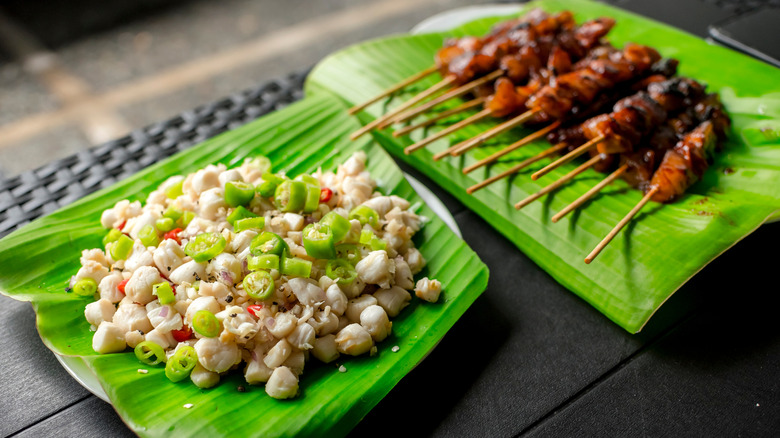
Kinilaw is often called the Filipino version of ceviche, but that comparison doesn't quite do it justice. At its core, kinilaw is raw fish cured in vinegar with ginger and herbs. The acid firms up the fish while keeping the taste of it fresh, resulting in a mouthwatering dish with bright, fresh flavors. "It's deceptively simple, but it's a favorite of mine," Eric Valdez said. While the concept may be simple, the taste is anything but.
What sets kinilaw apart from traditional ceviche is its extra tang. The vinegar used in the curing process gives kinilaw a more assertive flavor punch than citrus alone, and the addition of region-specific ingredients (like nuts and fruits) can help round out the flavor. Like many other Filipino dishes, kinilaw is pretty customizable beyond the use of vinegar. Whether you want to keep it simple, or incorporate add-ins (or switch your protein out) based on location, the dish lends itself to the creativity of whoever is making it. If you're not a fan of raw fish but still want to keep that coastal flavor, using cooked shrimp is a good alternative that won't take away from the iconic flavors of the dish.
11. Leche flan
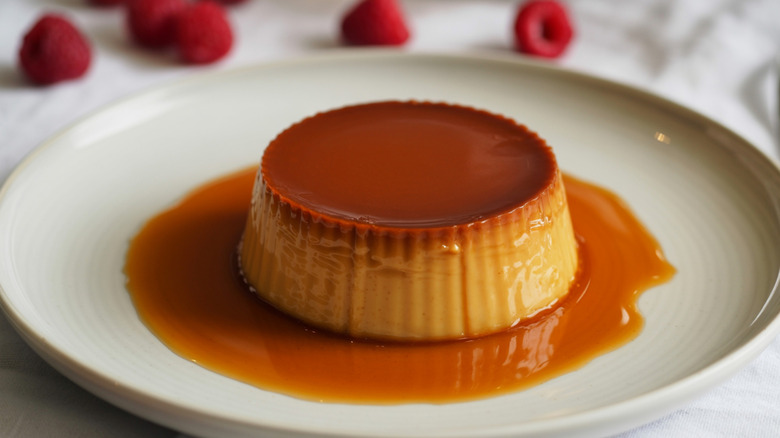
You may be familiar with the concept of flan, but Filipino leche flan is the richer, denser, and more eggy version of its European counterpart. Leche flan has a deep golden color, a silky texture, and a flavor that's very milky and sweet. It's cooked in an oval tin mold called a llanera and traditionally steamed rather than baked in a water bath (though many people today use the latter method for convenience).
One of the many appeals of this delicious dessert is the caramel top. This is achieved by pouring caramel on the bottom of the tin and then pouring the flan mixture on top. Once the flan is fully steamed or baked, it's flipped out of the tin before being served, resulting in a caramel top. On a good leche flan, the caramel should be flowing down the sides, enhancing the overall flavor. This gooey, rich dish can be found at most Filipino celebrations, so if you're ever lucky enough to make it to a Filipino party, make sure to leave room for a slice of leche flan.
12. Isaw
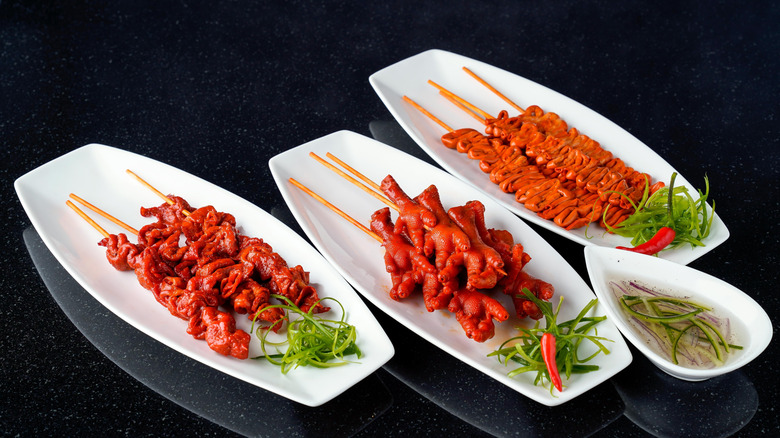
Few Filipino street foods capture the spirit of the food scene in the Philippines like isaw. This iconic street food is made from cleaned and tightly coiled chicken or pork intestines that are skewered on sticks and then grilled until smoky and slightly crisp on the outside. During preparation, the intestines are turned inside out to ensure they are cleaned thoroughly. Isaw is typically served right off the grill with a special vinegar-based sauce to dip it in.
"Filipino street food culture is equally vibrant, centered around skewered and grilled favorites," Anton Dayrit said. "[It's] accessible, flavorful, and deeply rooted in everyday life."
More than just a snack, isaw is a cultural staple. Its cheap price makes it not only popular, but also extremely accessible. The skewers make it easy to grab-and-go, making it a perfect snack or meal for those who are on the move and need a quick bite to eat. When it comes to street food, the Filipino food scene is not lacking. "You can't go wrong with any of it," Eric Valdez said. For adventurous eaters who want a true taste of Filipino street food culture, isaw offers a flavorful and unforgettable experience.