

When I Want Real American-Made Champagne, I Visit This Winery 2 Hours From San Francisco
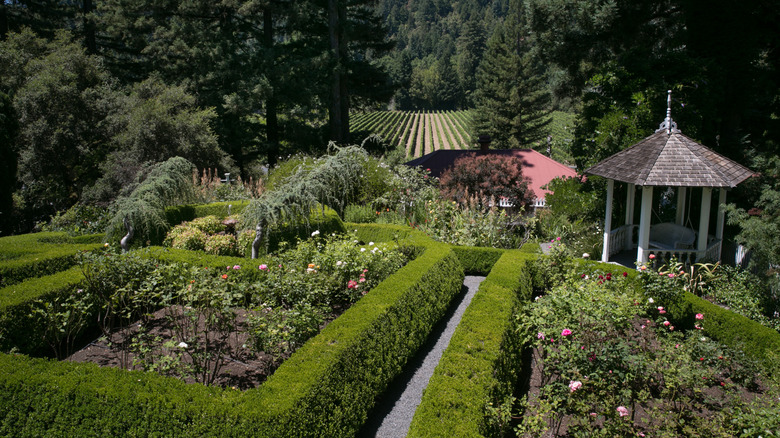
When you think wine tasting, you probably think Napa. Well, I think Sonoma County. The region deserves more credit. It's rich with cabernet and pinot, and has its fair share of sparkling wines. In fact, one of its nicest tasting rooms for bubbly is a household name — Korbel. I've been wine tasting in the area for decades now, and I can confidently say it's a must-visit. That may come as a surprise to those who prefer spots like Chandon or Mumm, but Korbel has more to offer than you'd expect.
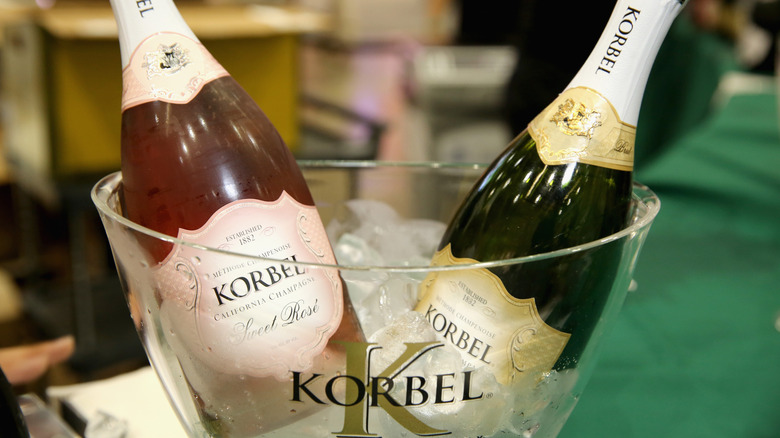
The drive through the redwoods is lovely, but the big reason to make the trip is to taste California champagnes you never knew existed. Most are familiar with the Korbel brut spotted at supermarkets for $10. It's great for a New Year's Eve party, but nothing to write home about. However, there are varieties only served in the tasting room which are absolutely fantastic. On first visiting years ago, I was shocked by the rich depth and flavor quality I'd never found in other Korbel wines. On my most recent trip, I sampled the new Natural Zero Dosage that just released in 2026, and I'd say the quality is only improving. You can find exclusive varieties online or at the winery, but never supermarket shelves. Believe me, I've looked.
Another surprising draw is that Korbel is the only producer of actual champagne in the Bay Area, a fact that the tasting room pourers once delighted in telling me. That might sound absurd, considering the North Bay boasts over 800 wineries, but it's true due to an exacting fermentation method and a century of legal controversy.
How Korbel can legally produce champagne
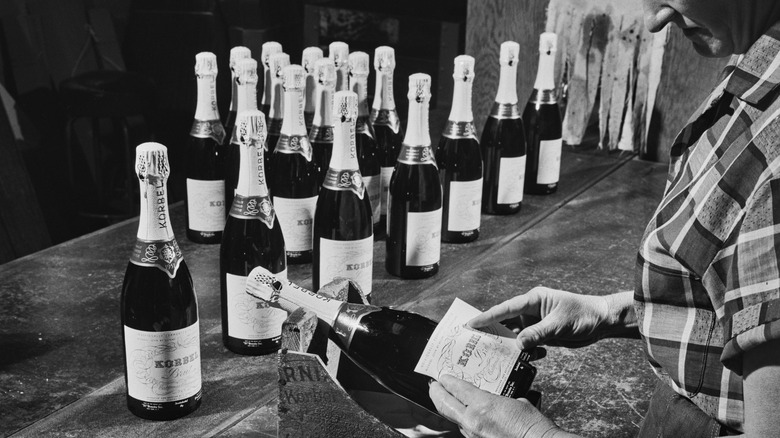
Now, let's be clear — the only "true" champagne is made in the Champagne region of France, as I'm well aware. Anything else is just a type of sparkling wine. However, Korbel and a few other wineries use a legal loophole that allows them to technically produce "California champagne." This is something for which the French have despised Korbel for more than 100 years.
Korbel was founded in 1882 and quickly began producing sparkling wine. To make the champagne, the Korbel family used the méthode champenoise, something not all wine producers do. In short, this means letting the wine ferment a second time in the bottle. A riddler's job was to regularly turn each bottle by hand to ensure the champagne fermented correctly and didn't explode. Although the winery now has an automatic riddler, it still uses the traditional fermentation method, just as they do in France.
France eventually got a little upset with foreign wineries using the word "champagne" on labels whenever they felt like. The Comité Interprofessionnel du Vin de Champagne began trying to legally protect the word in the late 1800s but was met with resistance from the United States in the form of Senate rejections. It wasn't until March 10th, 2006 that the United States and European Union signed an agreement saying only French champagnes could legally put "champagne" on labels. There was, however, an exception. If a winery had already been using the term for a long time, they would be allowed to keep using it. In other words, Korbel was grandfathered in. And yes, the French are still mad about it.
Making the most of your trip to Korbel
When visiting Korbel on weekends, I strongly advise you make a reservation, especially if you want a walking tour, chocolate pairing, or have a big group. Don't be afraid to ask questions, as the staff is well-trained to answer them. You'll be seated comfortably either indoors or outdoors. If the weather is good, I recommend sitting outside. The smell of the redwoods mingled with the sounds of chirping birds and the views of the vineyard are memorable.
As for what to taste, try to pick something other than the usual brut. Korbel offers a sparkling red that's shockingly light and nutty if you want something unusual. The Blanc de Noirs Master's Reserve is what really shines, though, and it is for this that I have returned for more tastings. Unlike some of the other wines, it's the right amount of dry, with lingering butteriness and a slight touch of pepper. It carries a higher price tag than what you'd find at Safeway but costs a lot less than my other favorites, like Roederer Estate, so it's still a great wine for those on a budget.
If you find yourself hungry, there's a delicatessen on-site. It offers tasty sandwiches, ready-made foods, and notably, mimosas. If it has the raspberry one, that's the one to get. I've always thought of Korbel as a mimosa champagne, and having one at the vineyard just hits different. It also makes for a more casual sipping experience if you find the main tasting room overwhelming. The roads are winding, so drive safely; but otherwise sit back, relax, and let the bubbles dance.