

The Once-Popular Bottling Tradition One Midwestern Soda Company Is Keeping Alive
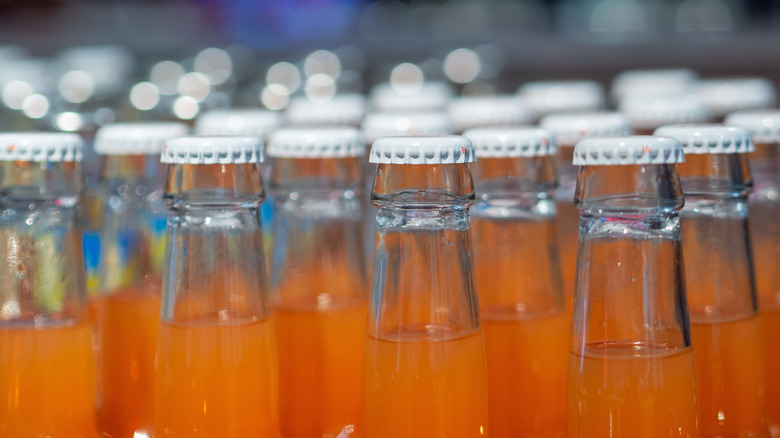
"Reduce, reuse, recycle" is good advice, but not all forms of recycling are created equally. For glass soda bottles, one method is to simply sterilize them and fill them back up with more soda. In fact, that was once the go-to technique for soda companies across the nation, and is still standard for Twig's Beverage of Shawano, Wisconsin. Twig's, which has produced the signature drink Sun Drop since the 1940s, still sells the citrus-flavored soft drink in returnable glass bottles.
If you've never heard of Twig's or Sun Drop, you likely don't live in Sun Drop's distribution area, which is primarily in the southern and midwestern United States, a.k.a. the heartland of "pop" in the "what to call soda" debates. Keurig Dr Pepper now owns the Sun Drop name, but plans to distribute Twig's other sodas more widely are underway, maybe eventually including the most soda-loving state, Utah.
While Sun Drop is now bottled by multiple companies, Twig's still distributes in Wisconsin, where some Sun Drop lovers have had their returnable bottles refilled again and again over years or even decades. The more broadly available Twig's variety bottles won't be returnable, but they will be made of real glass, and the soda inside will be made with sugar rather than high-fructose corn syrup, the same secret that makes Mexican Coke better than the American version.
Why returnable glass bottles went from everyday to exceptional
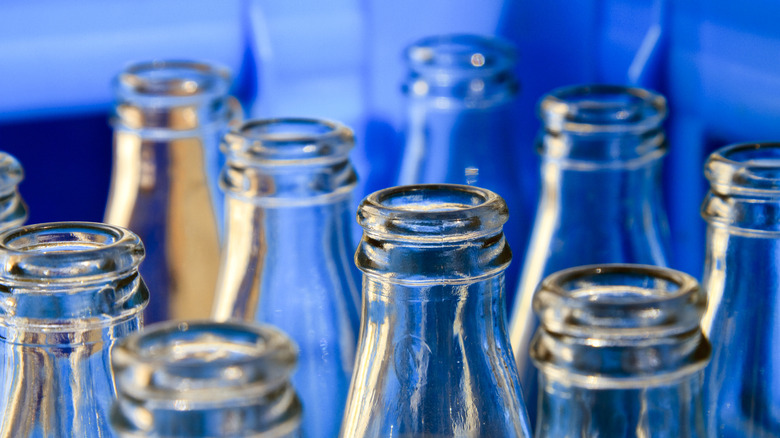
While Twig's is keeping the tradition of returnable glass bottles alive, they were a common way to sell soda for nearly 200 years. The first returnable soda bottles were made in the late 18th century in Ireland, and held plain soda water. At the time, glass bottles were blown by hand and expensive to produce, so beverage companies like A & R Thwaites & Co, the Irish soda manufacturer who pioneered bottle-return programs, incentivized customers to return the bottles by offering money for every bottle returned.
Even as industrial glass production made it much less expensive to produce soda bottles, the bottle deposit programs continued. Through the 19th century, bottle deposit returns became the norm in the U.K. and then the U.S. It was only in the 1960s and '70s that single-use plastic soda bottles made from PET (polyethylene terephthalate) became the standard, and the bottle return programs fell out of favor. However, Twig's has kept the tradition alive, and increased concern for the environment has led to more and more customers becoming interested in returnable bottles around the world — so maybe soon, they won't be one of the only ones.