

Is A Plant-Based Diet Really Better For You Than Meat? — It's Complicated
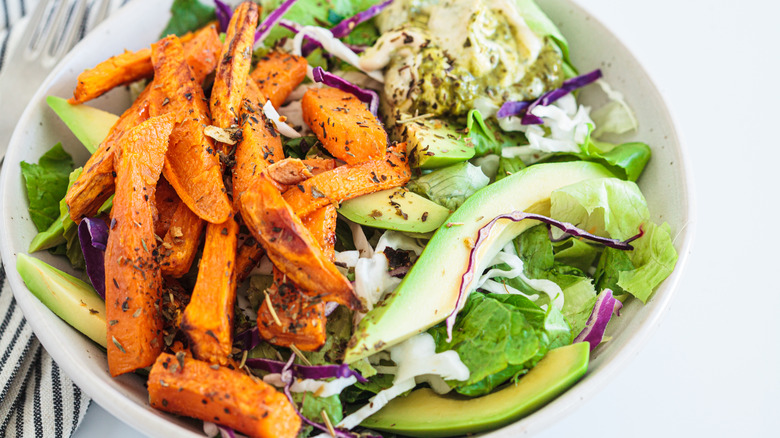
While we won't speak for everybody, it feels like there are precious few of us out there who think we're eating healthy enough. Switching to plant-based meat is better for the Earth, to a point, and there are plenty of valid ethical reasons for turning away from meat that's often produced using harmful factory farming methods. However, from a purely scientific standpoint regarding our personal health, is it better to switch from an omnivorous diet to a plant-based one? To find out, we spoke to Dr. Roberto Valledor, a collaborating physician at Mochi Health and a family medicine physician based in Texas.
Dr. Valledor took the time to break down the advantages of both plant and meat-based diets. According to him, "the science is good on both sides: plant-based diets are often associated with lower risks of heart disease and some cancers; animal-based diets can make it easier to get enough protein, B12, and iron." He goes on to suggest that a much bigger threat to your health is likely the common Western diet that's filled with processed foods (which are filled with sodium). "What we do know is that the closer a person gets to eating only minimally processed foods, the more protein and fiber they eat, and the less junk they consume, the longer they are likely to live — whether they eat meat or not," Dr. Valledor said.
Base your diet on your body
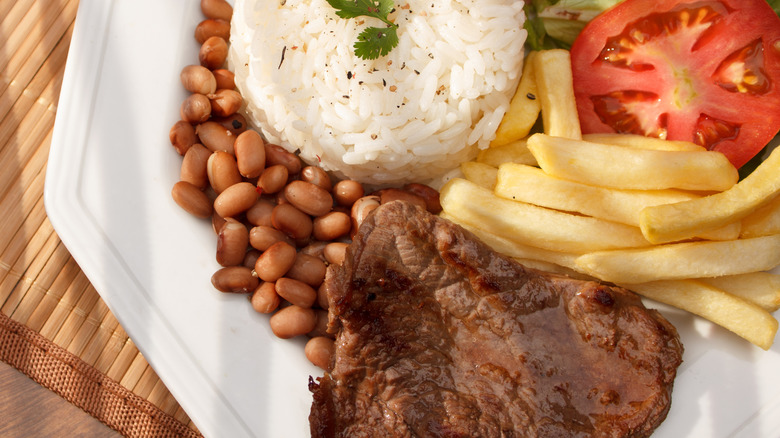
In short, it's complicated. Some studies generally suggest that plant-based diets provide more health benefits overall, but Dr. Roberto Valledor believes that many of these studies are comparing plant-based diets to standard, heavily processed Western diets that just happen to contain meat. Going to fast food chains with vegetarian and vegan options, for example, may not cut it, depending on your body's needs.
If you're trying to choose between plant or meat diets, you really should be tailoring your diet to your current set of health needs. Dr. Valledor provided a few examples. "If you have high cholesterol or are at risk for heart disease, cutting back on red and processed meats may be helpful. If you have a hard time getting enough protein in your diet, or if you've been anemic, eating meat can make things a bit easier," he explained.
One last consideration is age. We asked Dr. Valledor about a study suggesting that eating meat can help older folks live longer. "This is reasonable because meat is high in protein and other essential nutrients for muscle mass preservation. With muscle wasting being a key factor in frailty and loss of independence for older people, the protein requirement will be higher," he said. It's not conclusive, however. Even in a plant-based diet, it's certainly possible to get your protein from your protein from sources like lentils, beans, or tofu. It just requires more forethought.