

6 Must-Have Kitchen Tools For Making Homemade Pizza
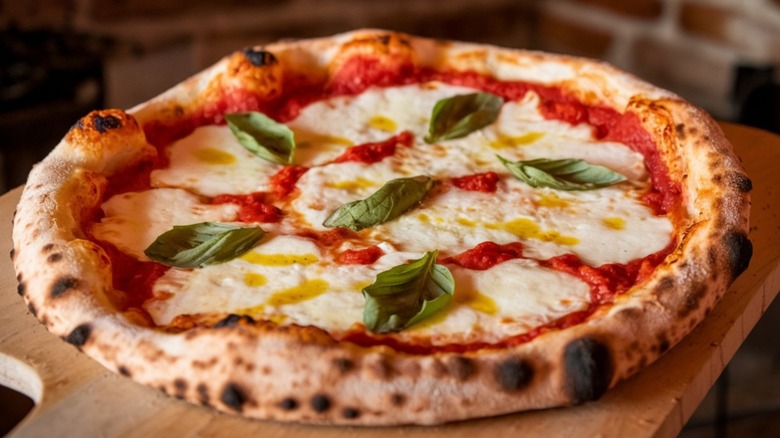
Biting into a perfectly cooked slice of pizza with just the right balance of crisp and chew, acidity and freshness is like experiencing an Italian summer without ever leaving the country. That's the idea many home cooks hope to achieve with their own homemade pies. But in reality, capturing the authentic Italian feel and restaurant-quality flavor in an everyday kitchen doesn't always come easy.
That's why we turned to Giada De Laurentiis. She's a Food Network TV personality, Emmy award-winning chef, and owner of Giada — an upscale Italian restaurant in Las Vegas — who has more than 10 cookbooks and plenty of expertise on Italian cuisine under her belt. De Laurentiis guided The Takeout through the must-have tools that make pizza-making a breeze. Adding these to your arsenal will help you craft the easiest homemade pizzas. "Great pizza is really about three things: hydration, handling, and heat. These tools help you control all of that," De Laurentiis said. Not only do they improve how your pizza bakes up, but they can also help reduce stress.
While you can make a pizza without these tools, De Laurentiis emphasized that using them will yield better results without all the hassle. She added, "They simplify the process so you can focus on the fun parts: setting the table, drinking a super cold beer with hot, fresh pizza, and enjoying the people you're cooking for." For De Laurentiis, approachability is key to getting more people in the kitchen and more delicious pizzas on the table.
Bench scraper
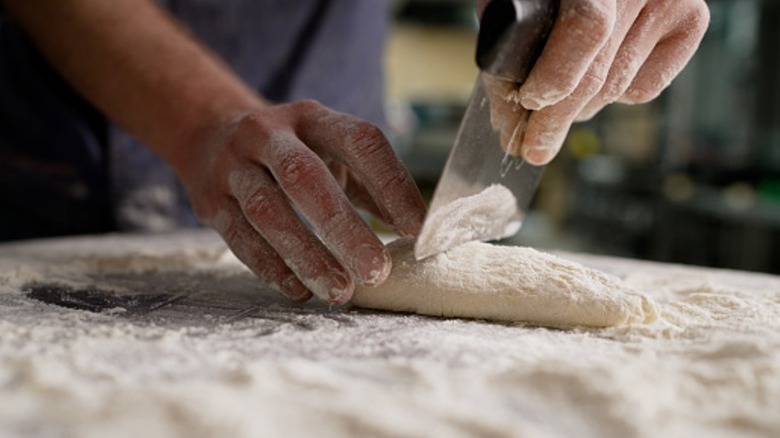
Not having the right tools on hand is one of the most common mistakes people make with homemade pizza, especially when it comes to handling dough before it hits the oven. "A dough scraper or bench scraper is a lifesaver when you're working with sticky dough," Giada De Laurentiis suggested. "It keeps things neat and makes handling easier." The bench scraper is a relatively mundane-looking tool, with a handle and a rectangular blade. But don't be fooled, its capabilities are endless.
Of course, it easily glides through dough so you can separate the mass into even portions. Then, use it to scrape off all that sticky excess left on the bench. Once your pizza dough is ready for toppings, break out the bench scraper again to lift and transfer all the chopped goods, from veggies to meats and cheeses. As for the best bench scraper money can buy, De Laurentiis wasn't focused on specific brands.
Instead, she emphasized the importance of a scraper that is comfortable to hold and will stand the test of time. For any tool, she said, "You don't need the fanciest option, just something well-made and dependable that is meant to be a kitchen staple." After all, good pizza isn't about having the most expensive equipment. Even simple tools and ingredients can make a masterpiece.
Pizza stone or baking steel
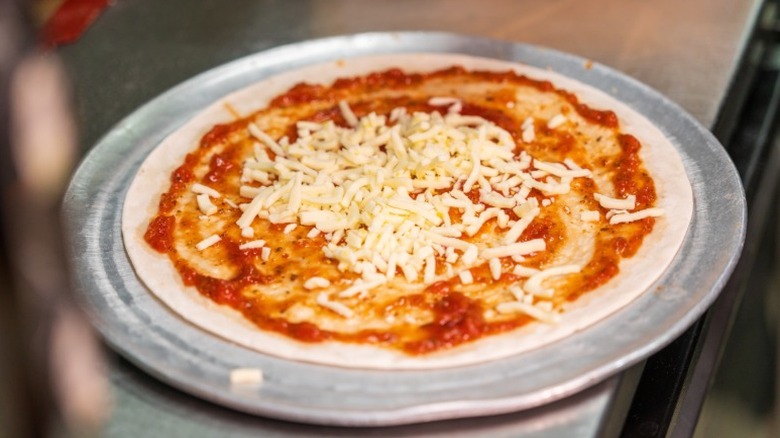
So you've churned out about 100 pizzas and have enough food to feed an army, but somehow none of those pies replicates the perfectly textured crust they serve up at restaurants. It's difficult to achieve authentic results when most people don't have access to a wood-fired oven in their kitchens. Pre-baking your homemade pizza crust is the wrong answer. Thankfully, Giada De Laurentiis has the correct solution: "A pizza stone or baking steel is key for getting that crisp, restaurant-style crust in a home oven."
Both of these tools work similarly. By preheating your stone or steel then placing your pie directly on top, the hot surface helps replicate the conditions of a pizza oven. The heat gets dispersed evenly right as the dough hits the surface, leading to less soggy bottoms and more crispy crusts with even browning. Both steel and stone are good options depending on your needs. Baking steels are more conductive, meaning they take less time to preheat and disperse heat into your pizza.
On the other hand, pizza stones can stay hot longer. If you're looking to make more than one pie at a time, this can be a real lifesaver. Both steel and stone come in various shapes and sizes for easy use in all kinds of home ovens. Regardless of the material, having the perfect baking surface for your pizza will make a world of difference in the texture department.
Stand mixer with dough hook
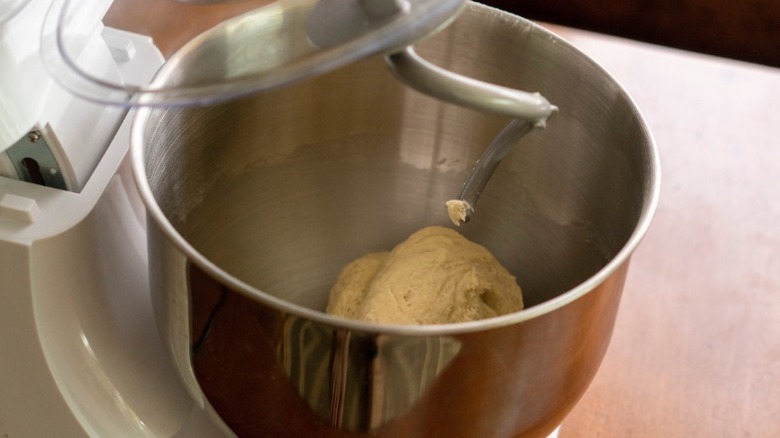
Stand mixers are on the expensive side, but they're a worthwhile tool to have. And Giada De Laurentiis shared that they turn pizza-making into an easier task, especially when they have a special tool attached. She said, "I do recommend a stand mixer with a dough hook if you have one, it takes the work out of kneading!" One of the most laborious and time-intensive parts of crafting a homemade pizza is working the ingredients together into well-incorporated dough balls. With a stand mixer and dough hook, you can save time and avoid a sticky, floury mess on your hands. They also ensure that ingredients are distributed evenly throughout the dough.
De Laurentiis highlighted the need for "mixers that are strong enough to handle dough." Especially when making large batches, you don't want your mixer or hook cracking under the pressure. A sturdy model will have you making pizzas for many years to come. Just make sure to start on a low speed as the dough comes together to avoid losing ingredients to the walls of your kitchen.
Flour shaker
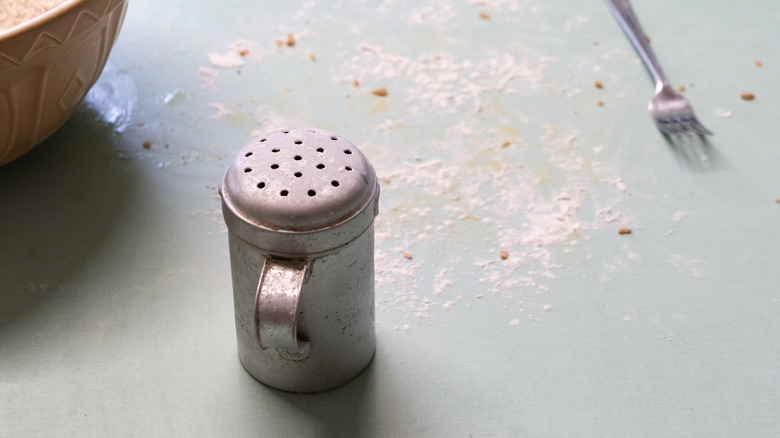
Flour is integral to achieving the perfect homemade pizza. From the flour on the ingredient list to the flour sprinkled over your work surface, it can make or break your pie. To get just the right amount, Giada De Laurentiis recommended using a flour shaker or dredger. "It gives you even coverage without over-flouring," she said. Dusting your work area and dough with flour can alleviate an overly sticky situation, but you run the risk of adding too much, which can disrupt the ideal hydration levels and lead to dry, tough dough.
A flour shaker is a simple container that has a lid perforated with tiny holes. Just add flour, and the openings will ensure an even dusting every time. "I lightly dust my surface and pizza peel with the flour shaker just enough so nothing sticks," De Laurentiis told us. This is a vital step in the process that shouldn't be overlooked. Plus, investing in a flour shaker doesn't mean relegating it to Italian-style dinners only. When you're not cooking up pizzas, swap out the flour for spices, powdered sugar, or cocoa powder, and enjoy the easy portioning for all your favorite dishes.
Spray bottle with water
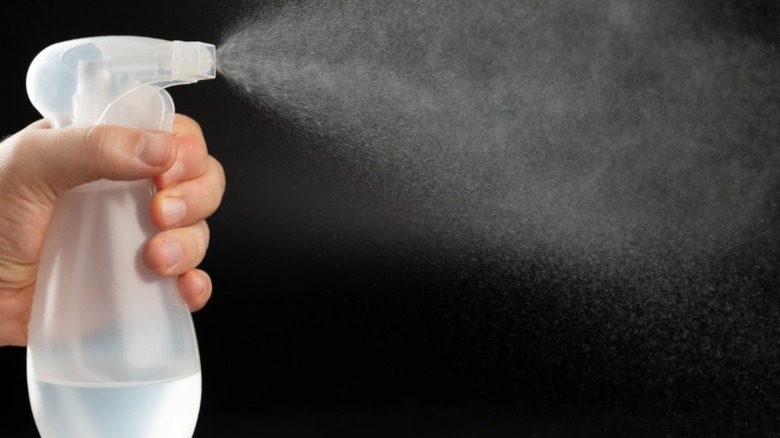
Much like flour, water plays an important role in a pizza's outcome. The dough's hydration level — the ratio of water to flour — has a big impact on the overall texture of the finished crust. And just like boiling water can ruin mashed potatoes, water temperature is also an important factor in pizza dough. But while speaking with Giada De Laurentiis, we discovered yet another use for water in the cooking process. She suggested keeping a small spray bottle filled with water on hand.
"Right when the pizza goes into the oven, I give a quick mist of water to help the crust develop," she said. Just a small spritz of H2O can transform your pizza from kitchen-made to restaurant-worthy. The thin layer of moisture on the outside helps "crisp the crust in a home oven," according to De Laurentiis. This step can also help achieve that classic Neapolitan pizza look, with nice browning and bubbly, blistered edges. The best part about this tool is that most people already have some sort of spray bottle on hand. Just make sure to use a clean one, and you'll be left with a tool that proves pizza-making doesn't need to be over-complicated.
Baker's couche or bench towel
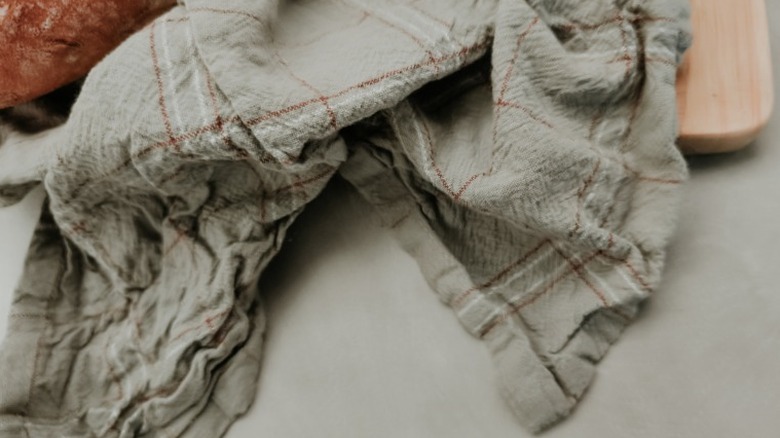
You can give homemade pizza a texture upgrade in one step, and that's by resting the dough. Typically, resting comes before the dough gets stretched out, but the length of time it should sit varies based on when you plan to pop the pizza in the oven. Since this step is so important for achieving restaurant-quality texture, it should be done right. Giada De Laurentiis shared a tool that makes this a whole lot easier: either a baker's couche or a lightweight cotton towel. She said each of these items "helps shape dough balls and keeps them from drying out."
A baker's couche is typically made of linen, but a lightweight cotton towel — or "bench towel," as De Laurentiis calls it — is also a viable option. "I also let my dough balls rest under a towel so the gluten relaxes — that makes shaping so much easier," De Laurentiis commented. Using a cloth to control the pizza dough's moisture can help obtain a pliable texture that won't tear when stretched into shape. It also contributes to a better rise and an airier texture once cooked. This is another step that seems simple, but makes a big difference. As De Laurentiis put it, "These are the kinds of tools that give your pizza that artisanal, Italian feel at home."