

14 Popular Mexican Restaurant Chains Ranked Worst To Best, According To Reviews
Many aficionados will tell you the best Mexican food comes from hole-in-the-wall restaurants, taco stands, and local family-owned restaurants. They aren't wrong, but chain restaurants also hold an important place in the dining scene, serving Mexican food to many people. According to a 2025 report by Technomic, total sales of Mexican food now top pizza, and the gap continues to grow. In other words, tacos are big money. We're here to let you know which chains are worth eating at, and which you can avoid.
We selected 14 restaurants for this study. Some are among the oldest chain restaurants in America, and others are newcomers. There are fast-food joints, full-service restaurants, and everything in between. Some are fast-growing chains that have dreams of overtaking the country, while others are classic restaurants that are desperately trying to regain their previous glory. This isn't our opinion — we used a formulaic process laid out in the methodology section to bring you an unbiased ranking of 14 popular Mexican restaurant chains.
Methodology

We used a systematic approach to these rankings designed to eliminate bias. We defined popular as being among the top 50 largest Mexican food chains by number of locations, according to El Restaurante. Then, we used an average of Yelp ratings from three different locations.
Using multiple locations protected the results from being overly skewed by a single over or underperforming restaurant. To counterbalance regional preferences, we selected locations from different parts of the country for our analysis. For tiebreakers, we used the TripAdvisor rating from a hometown-based restaurant. The results are purely scientific and do not reflect the strongly opinionated thoughts of the author.
14. Taco Cabana
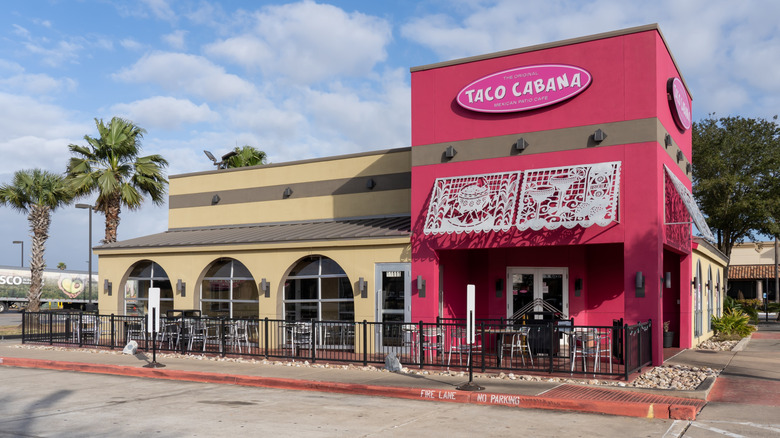
It's probably surprising to a lot of Texans to see Taco Cabana in the worst position on this list, but those people might not have visited recently. Not only were the Yelp ratings dismal, but recent comments were also brutal. Customer after customer complained about unappetizing food and a general decline in quality.
It's a sad state of affairs for one of the early pioneers of Mexican fast-casual. Taco Cabana opened in San Antonio in 1978 and was known for using fresh ingredients, homemade tortillas, and featuring a salsa bar. It grew across Texas and into the surrounding states, serving Tex-Mex classics such as sizzling fajitas, quesadillas, and nachos to legions of fans.
However, the chain's recent performance reflects the plummeting ratings. There were more than 170 locations in 2019, but only 136 by 2026. The remaining locations are almost entirely clustered in the metropolitan areas of San Antonio, Houston, and Dallas. We have yet to see if this is the unfortunate end of a classic Tex-Mex diner or a climactic chapter in its long history.
13. Chipotle
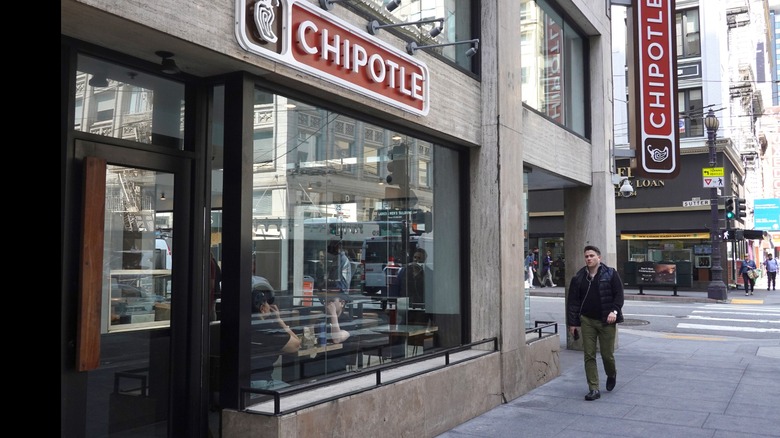
While the Yelp ratings weren't great for Chipotle, its sales and growth trajectory tell a different story. It is a thriving chain that operates 4,000 locations, trailing only industry leader Taco Bell. Despite its financial success, Yelpers didn't rate it as highly as most of the other restaurants we checked — many of which are emerging competitors hoping to emulate the success of the Denver-born chain.
A thorough examination of the comments revealed an interesting pattern. Chipotle is a victim of its reliability. In the same way that nobody calls the power company to thank them when the lights are on, Chipotle doesn't get much love for getting it right. The one-star reviews rarely mentioned the food. Most of the complaints were about wait times, rude staff, and out-of-stock items. They often included a note that the reviewer loves Chipotle, just not this location. A reasonable conjecture is that Chipotle is so dependable that any disruption in the process is considered a colossal failure.
Chipotle introduced America to the Mission Burrito, a regional specialty named for the San Francisco neighborhood where it originated. Founder Steve Ells was introduced to the burrito while working as a cook in the Bay Area and used it for inspiration when he opened the first Chipotle. Thanks to him, it is likely the most recognizable style of burrito in the country now.
12. El Pollo Loco
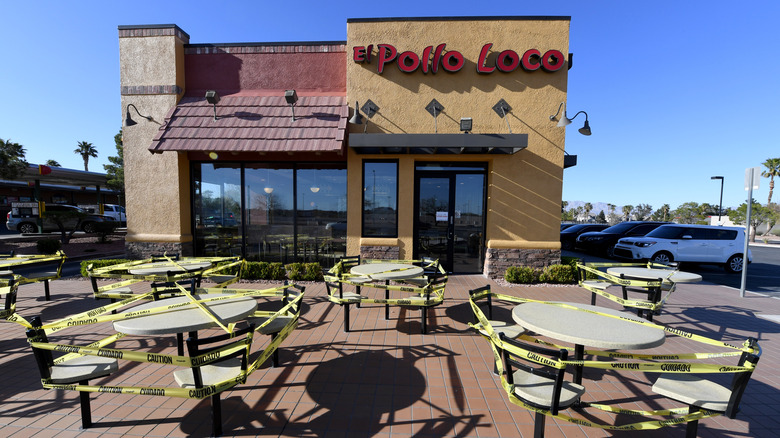
As the name implies, El Pollo Loco is all about chicken. The signature dish is citrus-marinated chicken grilled over an open fire, but the menu also includes tacos, burritos, and quesadillas. Pancho Ochoa founded the restaurant in 1974 and opened 85 locations in Mexico before opening the first U.S. location in Los Angeles in 1980.
It operates as independent chains on both sides of the border now. Ochoa sold the American side of the business to Denny's in 1983, but retained ownership of the Mexican restaurants. While the Yelp ratings weren't particularly high, the TripAdvisor rating from a Sunset Boulevard location was a more complimentary 4.0. The general sentiment among positive reviewers was that the restaurant serves quality food for a fast-food joint. While the company appreciates positive reviews, it might take issue with the fast-food label. "We don't make fast food," the company states on its website. "We make delicious food fast."
Throughout its long history, El Pollo Loco has primarily been a regional brand centered in California. It's hovered between 400 and 500 locations for the last 10 years, but has aspirations to be a national chain. A former executive from Taco Bell was named the new CEO in 2024, and the board has added members with experience from Domino's Pizza, Dutch Bros, and Potbelly.
11. Taco Bell
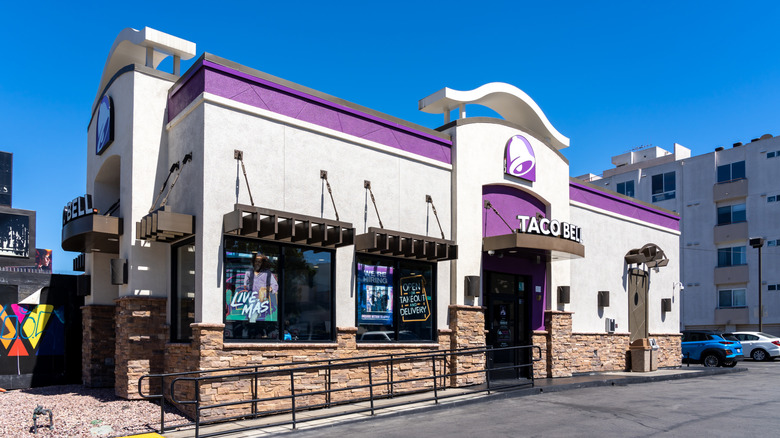
Taco Bell is the granddaddy of Mexican food chains. The first location opened in 1962 and replicated many of the innovations McDonald's introduced. It's a massive chain that has over 8,800 locations, which is more than twice as many locations as Chipotle, and a lot more than third-place Qdoba (848 restaurants). Taco Bell was founded by Glen Bell, a former Marine and World War II veteran. The first location was in the Los Angeles metropolitan area, and while the chain is everywhere now, the largest concentration is still in California.
Taco Bell didn't invent the crispy taco, but it played an enormous role in popularizing the crunchy treat. In its early days, Taco Bell brought its style of Mexican food to parts of the country that weren't familiar with the cuisine. It continues to offer an innovative fast-food menu with "Mexican-inspired" dishes like Doritos Locos Tacos, Crunchwrap Supreme, and Nacho Fries. Despite the Yelp ratings holding Taco Bell in the lower tier of chains, it's a late-night comfort food for many.
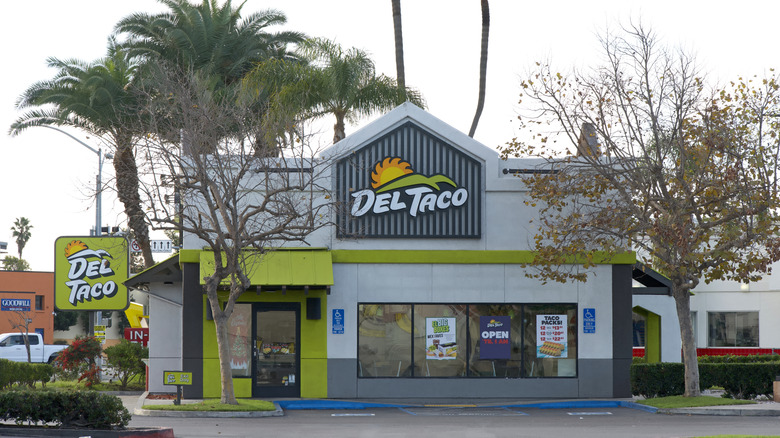
10. Del Taco
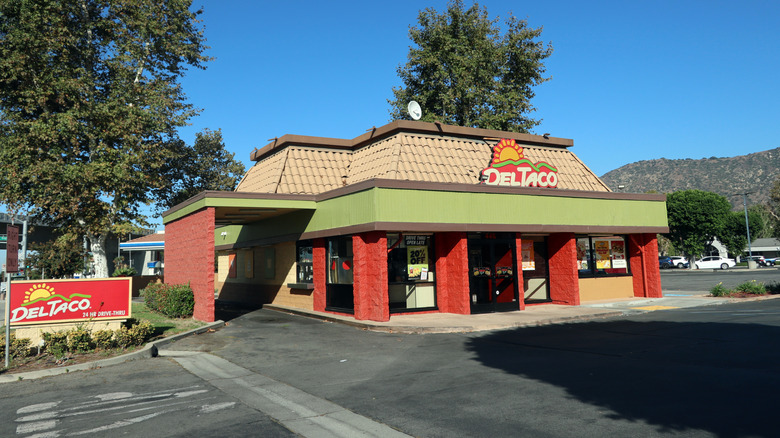
It's serendipitous that Del Taco and Taco Bell are adjacent on this list, but not surprising. The two restaurants share the same DNA. The founder, Ed Hackbarth, co-owned a Taco Tia with Glen Bell before both men started their own chains. The restaurants serve similar items, and Del Taco barely squeezed out a 0.1 point advantage in the Yelp ratings.
Del Taco won this matchup, but the company is on a different trajectory than Taco Bell. Jack in the Box purchased the chain in 2022 for $575 million, then closed hundreds of locations and sold it three years later for $115 million. Now, it's owned by the same company that owns Taco Cabana. Despite the struggles, Del Taco remains the fourth-largest Mexican food chain, mostly located in California and the surrounding states.
Travelers on a BBQ pilgrimage down Route 66 might want to consider stopping in Barstow for a unique experience. When Hackbarth sold the chain in the '70s, he retained full ownership of the original locations in the Mojave Desert. He still runs them, and they're the only place to find some of the original menu items, like a Bun Taco. It's exactly what you imagine — classic crunchy taco fillings piled on a hamburger bun.
9. Uncle Julio's
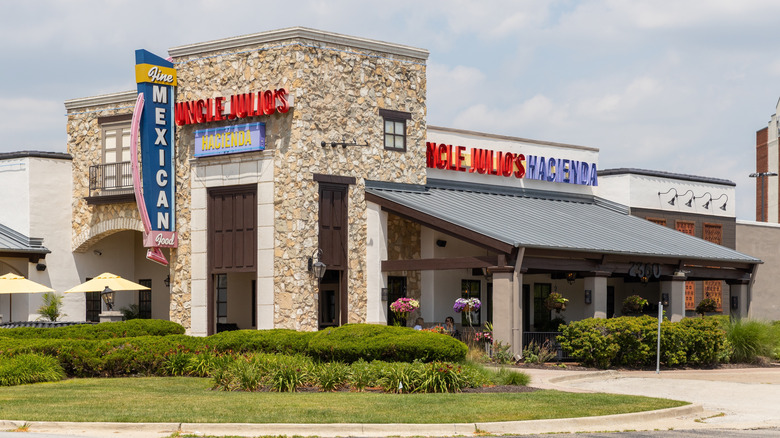
So far, the restaurants we've examined are fast-casual or fast-food places. Uncle Julio's is the first full-service restaurant to make the list. Here, waiters deliver platters of Tex-Mex to the table. Instead of just serving sizzling fajitas, Uncle Julio's ups the drama by serving flaming fajitas that are ignited tableside.
The chain started in Dallas more than 30 years ago, and currently has 33 locations in 11 states. It was recently bought by Sun Holdings, which services a portfolio of more than 1,000 restaurants. The Uncle Julio's acquisition is part of its broader push into the Mexican food market; it also owns Taco Bueno and Freebirds World Burrito.
Sun Holdings has aggressive expansion plans, but there is work to do. Uncle Julio's was the lowest-ranked sit-down restaurant among the ones we evaluated, and the hometown reviews aren't much better. "The margarita swirls are still flowing. But overall, Uncle Julio's is no longer top shelf," restaurant critic Bud Kennedy wrote in the Fort Worth Star-Telegram while covering the 2025 reopening of a 37-year-old location after renovations.
8. Rubio's Coastal Grill
Rubio's has a long, storied history that qualifies it as legendary among Mexican food spots in America. The restaurant started in San Diego in 1983 and played a significant role in popularizing fish tacos. Founder Ralph Rubio discovered the dish on a spring break trip to the Baja before opening his own taco stand. Since that fateful trip, the restaurant claims to have sold more than 270 million fish tacos. In addition, the seafood-centric menu includes burritos, bowls, and salads.
Despite its impressive history, the chain has faced significant challenges in recent years. While it received generally favorable customer reviews (an average Yelp rating of 3.4 in our analysis), the business is struggling. At its peak, the restaurant boasted around 200 locations. However, sales were already declining by 2017, and the COVID-19 pandemic was a financial backbreaker. The restaurant declared bankruptcy twice between 2020 and 2025. There are 82 surviving locations in California, Arizona, and Nevada.
7. Freebirds World Burrito
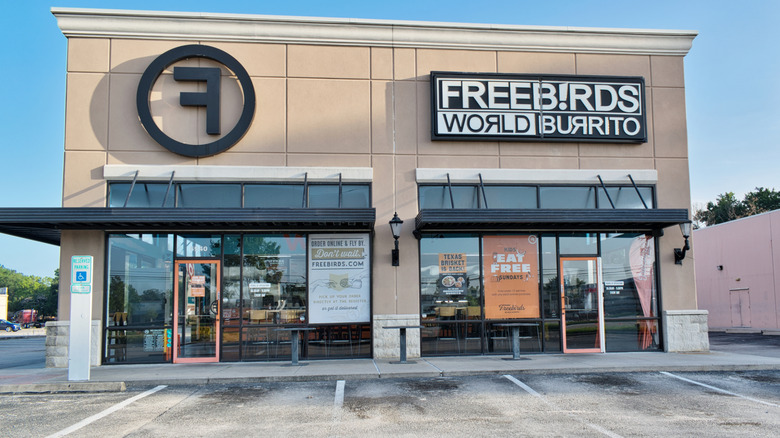
Freebirds World Burrito originated in California, but you wouldn't know by looking at the branding or the location map. Other than the (autonomous) original location on the edge of the UC Santa Barbara campus, all 62 locations are in the Lone Star State. The chain leans into the Texas iconography, describing itself on the website as Texas' No. 1 Burrito with a "taste of Texas in every bite." It might be in other states soon, though. Sun Holdings announced an ambitious expansion strategy when it purchased the chain in 2024.
Like Chipotle, it serves oversized burritos constructed in an assembly-line format. Burritos come in four sizes, from the half-bird to the super monster, which comes on two massive tortillas and usually weighs more than 5 pounds. While not an official menu item, some customers take this to extremes by creating 11-pound quadruple-super-monster burritos. When it comes to burritos, maybe everything is bigger in Texas.
6. Roberto's Taco Shop
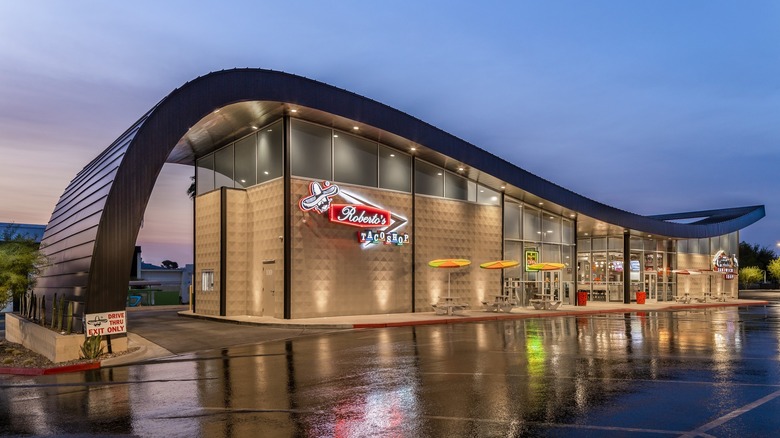
Roberto's Taco Shop is an OG of the Mexican food scene. It opened in San Diego in 1964 and claims to be the city's first walk-up and drive-thru taco shop. The restaurant also played a major role in popularizing the California Burrito. Instead of using rice as a filling, as Northern California burritos do, the SoCal classic subs in fries. A traditional version is made with a flour tortilla, carne asada, cheddar, and fries. While it hasn't been embraced in the northern part of the state, the popularity is spreading. The current owner says Roberto's California Burrito is a top-seller at the chain's two Texas locations.
The restaurant was born in San Diego, but is also famous for its 24-hour Las Vegas locations. Guy Fieri was a regular during his college days at UNLV, and named it one of the five best restaurants in the U.S. Customer reviews were positive as well. While it is officially sixth in this ranking, Roberto's is locked in a three-way tie for fourth place based on the average Yelp ratings. However, the TripAdvisor rating from a hometown location pushed it into sixth place.
5. Chuy's
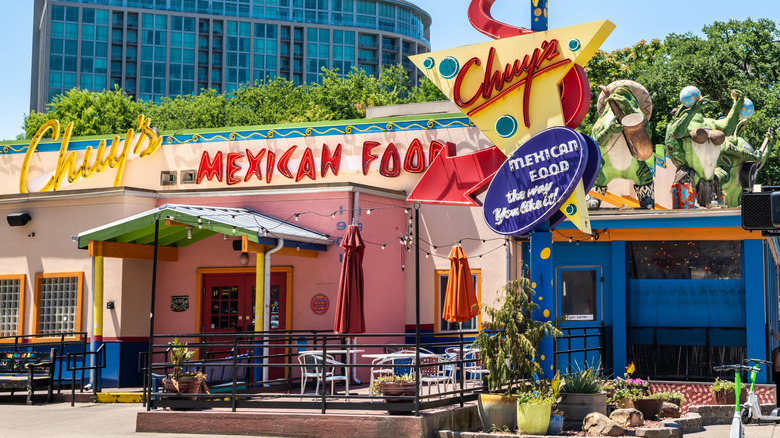
The original Chuy's opened in 1982 in an abandoned barbecue joint in Austin, thriving as a local institution near the famous Barton Springs Pool. The chain grew to 15 restaurants by the late 2000s and opened its first location outside of Texas when it leapt to the Nashville suburbs in 2009. It quickly grew and is now the largest full-service Mexican food chain in the U.S. by volume of sales, with 111 restaurants in 15 states.
The menu is pure Tex-Mex — fajitas, enchiladas, and chimichangas (which it calls a Chuychanga). The chimichanga, essentially a deep-fried burrito, is believed to have originated in Arizona, but became a Tex-Mex staple. At Chuy's, it is stuffed with roasted chicken, cheese, cilantro, and green chilis. It comes smothered in your choice of sauce, but Tex-Mex purists would suggest opting for queso.
Chuy's is almost as famous for its eclectic and colorful decor as its food. It credits Jose Cuervo as the decorator, who littered the original location with hubcaps, carved fish, and other oddities out of necessity more than design. As it expanded, it kept the eclectic touches but attempted to bring uniqueness to each location. Or, as the website says: "If you've seen one Chuy's, you've seen one Chuy's."
4. Torchy's Tacos
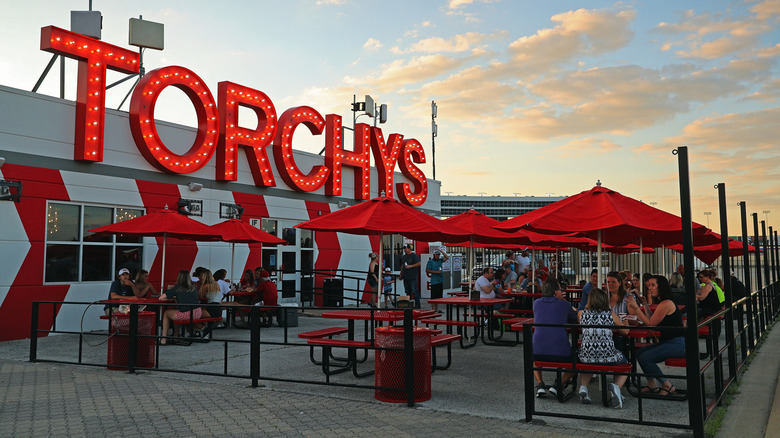
Torchy's Tacos is another Austin offspring, and started as a food truck in 2006. In the restaurant world, that is a humblebrag that suggests the restaurant thrived solely on the quality of its food rather than marketing gimmicks or a kitschy atmosphere. While it had humble beginnings, there is plenty of money behind the brand now. It has raised hundreds of millions of dollars from private equity firms to help drive national expansion. There are 120 locations, and despite recently shuttering a few underperforming restaurants, it appears poised for continued growth.
Torchy's specialty is inventive tacos with interesting names. Offerings include the Tipsy Chick (grilled chicken, spinach and corn relish, green chiles, mixed cheese, and a side of bacon bourbon marmalade), the Hogfather (green chile pork carnitas, teriyaki sauce, bacon, crispy onions, grilled corn relish, and cotija cheese), and The FoSho (avocado, refried beans, Mexican rice, grilled onions and peppers, corn relish, and crispy onions). The restaurant also brings one of Austin's favorite foods to a broader market with its extensive selection of breakfast tacos.
3. Pollo Regio
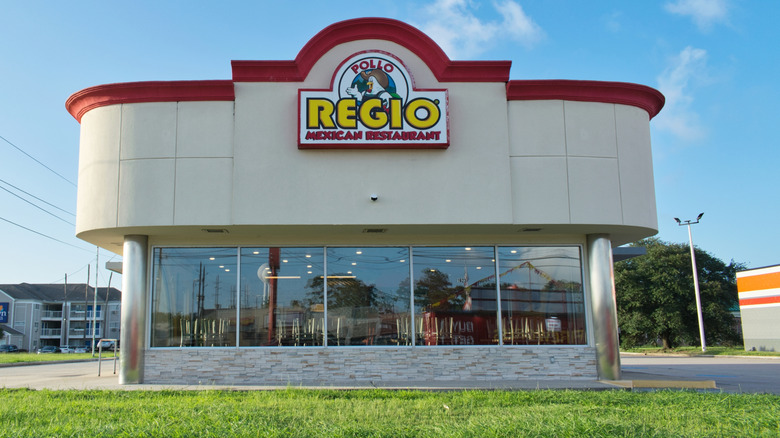
Pollo Regio is one of the few restaurants we reviewed that originated in Mexico. It started in Monterrey before boot-scootin' its way to Texas in the early 2000s. Like Pollo Loco, which also originated in Mexico, the signature dish is flame-grilled chicken. At Pollo Regio, the chicken is marinated and grilled over an open flame. It can be served as-is or tossed in Buffalo or barbecue sauce.
In addition to chicken, the menu includes Tex-Mex staples such as barbacoa, bistec, and al pastor tacos. But the menu doesn't limit itself to Mexican food. There are also items more closely associated with north of the border fare, such as hamburgers and chicken tenders.
Pollo Regio has expanded to 54 locations across Texas. Competition is stiff, but Pollo Regio outperformed most of its competitors with an impressive average Yelp rating of 3.9. While the locations feature drive-thrus and value prices, it is more of a fast-casual restaurant that draws fans with its home-style fare.
2. Wahoo's Fish Tacos
Wahoo's is another restaurant that comes from taco-rich San Diego. The origin story is unusual, cool, and totally California. It was started by three Brazilian-born brothers who were the children of Chinese immigrants. In the 1970s, the family relocated to Orange County, where the teenagers embraced the Southern California lifestyle. They discovered fish tacos on frequent surfing trips to the Baja Peninsula and used the Mexican taco stands for inspiration when they opened their first restaurant in 1988. They also included Brazilian influences such as black beans and white rice on the menu, and borrowed inspiration from the Chinese food restaurant their parents owned.
It's still a family-run business that wraps itself in surfer culture. Headquarters has showers so employees can clean up after surf breaks, and there are extra boards on hand to loan to employees and customers. Many restaurant chains of similar age struggle to maintain quality, but Wahoo's is still highly ranked by Yelp reviewers. That could be a credit to it still being a family-run business, or maybe the relatively modest 41 locations make it easier to run quality control. Whatever the reason, it's a great place to grab a fish taco with a surfer vibe.
1. Velvet Taco
Velvet Taco was designed for mass appeal, and based on Yelp reviews, it's been successful. It was the brainchild of a Dallas restaurateur Randy DeWitt, who also founded Twin Peaks. That concept copied its formula from Hooters (which is surprisingly still open). DeWitt's niche is creating new brands and selling them to someone else to grow into massive chains. Velvet Taco was cooked up in his incubator and then sold to a deep-pocketed private equity firm in 2021. The new owners know a thing or two about restaurant success and were early investors in Shake Shack.
The mission of Velvet Taco is to smash the definition of what a taco is. The restaurant unapologetically says on its website that it was "founded on the idea that tacos don't have to be associated with Tex-Mex." Anyone who remembers the reaction from the cowboys in the 1990s era Pace Picante commercials when they discovered another salsa was made in New York City shudders to think how they would react to that statement.
Regardless of what those cowpokes think, Velvet Taco has won legions of fans with its elevated tacos inspired by global flavors. It's the place to go when you're curious how a smashburger would taste as a taco, or if you have a hankering for Korean Fried Rice wrapped in a flour tortilla. Velvet Taco is looking to take over the country with its "liberated tacos", and it nearly doubled in size between 2025 and 2026.