

If You Make This Request At An Italian Restaurant, Don't Expect A Happy Chef
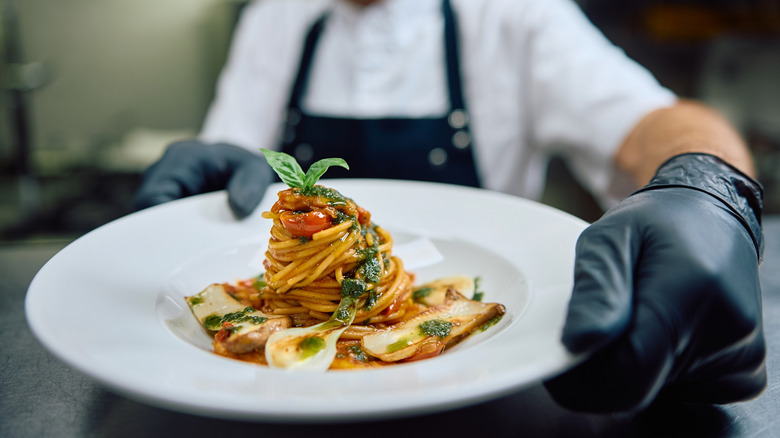
If you wanted to be completely in charge of your meal, you'd stay at home and cook. Better yet, you'd teach your own class. But when you go out to eat, the point is to sit back and leave it to the professionals. While making specific requests is totally fine in certain situations, like when dining out safely with food allergies, there is one ask that's out of line at Italian restaurants.
According to Lisa Lotts, owner and publisher of the recipe blog Garlic and Zest, asking for your pasta to be al dente isn't just unnecessary — it can be downright rude. "It would be insulting to a chef because they are chefs and the request is redundant," Lotts told The Takeout. "They know how to cook pasta properly and don't need 'pro tips.'"
Cooking pasta to al dente — which means "to the tooth" — is the norm in Italian cuisine. "It's the way they learned from their nonnas, and it's the proper technique," Lotts explained. "Pasta shouldn't be mush; it has texture and chew." You'll know your pasta is al dente when it absorbs enough water to lighten in color and swell some, but it still holds its shape and is slightly firm in the center. "It should be tender enough that there's no real resistance but still requires you to chew," she said. When cooking at home, this might mean the noodles are done minutes before what is indicated on the package's instructions, but at an Italian restaurant, let the chefs worry about that.
Are there exceptions to the al dente pasta rule?
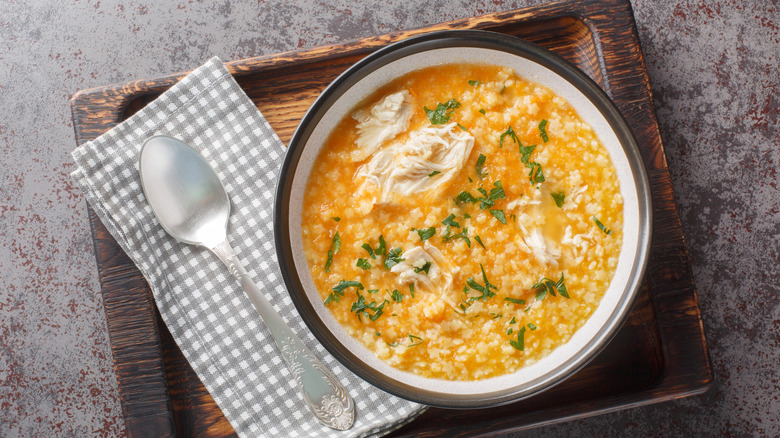
To put it simply, the answer to the aforementioned question is no — pasta should always be al dente in Italian cuisine. "The only pastas that purposely go past al dente come in a Campbell's soup can," Lisa Lotts said. Traditional Hawaiian macaroni salad is another case when a softer noodle is okay (and even preferred), but when it comes to Italian food, the al dente rule is universal.
The only time you might not notice al dente pasta is with very small noodle shapes, but their texture isn't because they are served overcooked. Teeny tiny Italian pastas, like orzo, pastina, acini de pepe, fregola, or stelline, are so little that they "virtually slide down your throat," according to Lotts. Typically served in broths, stews, and risotto-like preparations, you can eat these diminutive shapes with a spoon. Something like pastina takes less than five minutes to cook through. While the small size doesn't allow you to bite into it in the same way as a piece of rigatoni, it should still have a pleasing, toothsome texture.