

The Science Behind Why Eating Ice Cream Makes You Thirsty
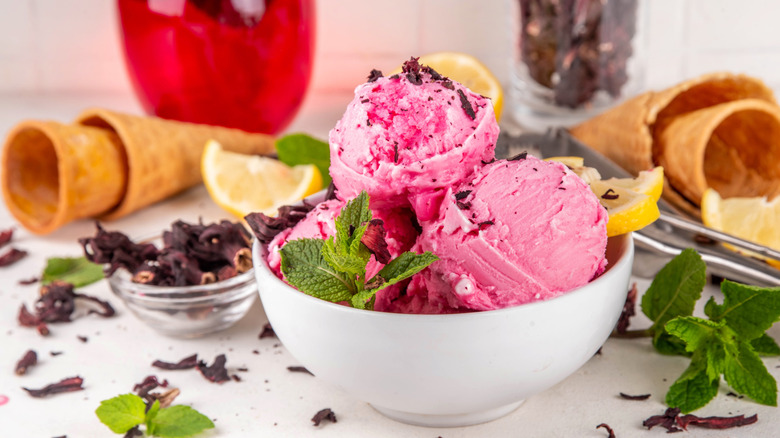
It's no secret that certain foods leave our mouths wanting some liquid relief, like pretzels and those tasty homemade potato chips that hit the spot when it's time to Netflix and chill. Yet, when that beverage craving stems from something sweet, like ice cream, it regularly sparks confusion. Getting thirsty after eating ice cream is a common occurrence that tends to baffle people as they reach for a drink after enjoying a sundae, given that the treat doesn't fit the mold of the typically dry, salty snacks that leave folks parched. So what is it that causes our immediate desire for a glass of water after consuming the dessert?
Well, according to science, the culprit isn't any banned food additives or otherwise questionable chemicals in the ice cream. It's FGF21. Before you cry foul at the ice cream industry for putting some nefarious chemical into your favorite frozen treat, FGF21 is a hormone produced by the liver when folks satiate their sweet tooth. After that hormone is released into the bloodstream, it journeys to the brain's hypothalamus to let the body know you need a drink.
Sweets in general initiate the production of the hormone, not just ice cream. It's one reason classic pairings like milk and cookies always hit the spot together. However, FGF21 isn't the only factor at play when ice cream makes you thirsty — another well-known and beloved culinary staple is also at work.
Ice cream has more salt than some may realize
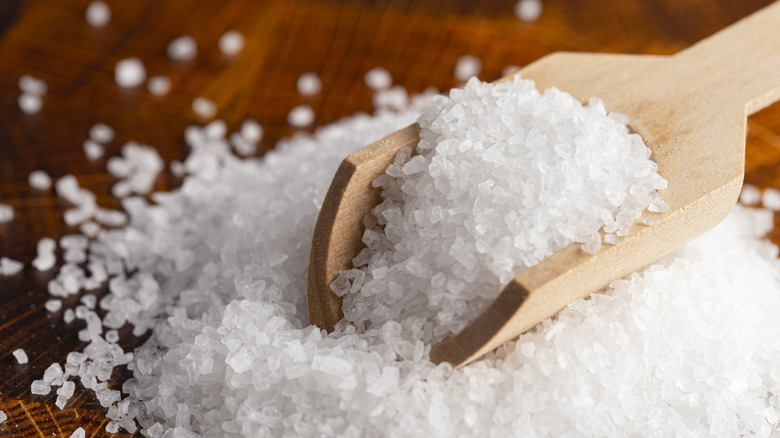
To sciency-types, the liver's production of FGF21 in response to ingesting sweets is an obvious cause of ice cream making folks thirsty. Yet, for the rest of us who slept through biology class, there is an even more conspicuous offender –- salt. Although it may not taste like it, salt is frequently used to make ice cream. The amount fluctuates by brand, but it's not uncommon for it to contain between 50 and 150 milligrams of sodium, largely from the inclusion of salt, in just one serving. Salt helps accent the sweet notes in the dessert and prevents ice crystals from forming when it's frozen, keeping your favorite treat silky smooth.
Everyone is aware that salty foods make people thirsty, but interestingly, the reason why is similar to how sweets generate a need for a drink. When we consume foods featuring high amounts of sugar or salt, our bloodstreams are quickly overloaded with those chemicals. But our bodies don't just sit back and let those imbalances go unnoticed.
Extra water from cells in the body is released in an attempt to restore balance, which triggers the brain to inform us that water needs to be replaced. In the case of sweet foods, this occurs via the production of FGF21. With salty snacks, the brain simply lets us know it has detected an influx of salt entering the body. Either way, you might want to do your body a favor next time you sit down to enjoy some ice cream and have a refreshing beverage within reach.