

The Simple Restaurant Habit That Will Get You Better Service
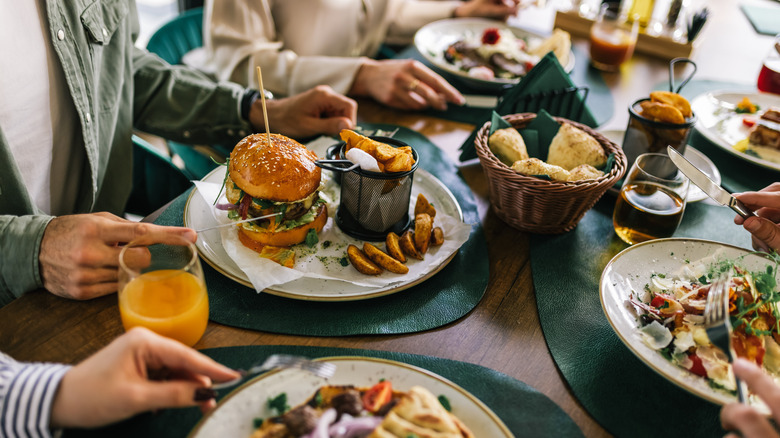
When visiting a restaurant, we're always looking for a way to get the best service possible and thus have a better time throughout the outing. While many think the best way to get good service at a restaurant comes down primarily to where you dine, your personal behavior can have a major impact on how your waiter treats you and how your night goes. We always recommend you avoid low-key rude behaviors when eating out at a restaurant, but the best way to have a great experience with your server is to establish a good (albeit brief) relationship with them as you dine. To do this, learning their name is arguably the most vital step as that alone can start your meal off on the right foot and help create a better rapport between you and the waiter.
While some may see learning their server's name as unnecessary, Charles Richardson — the food and beverage director at Double Eagle Hotel & Casino in Cripple Creek, Colorado — explained to us why it can be an incredibly beneficial step in your dining process. "Addressing a server by name makes communication more open, and as a result, the service becomes more organized and even professional," Richardson explained. This is something you may also want to do at the bar (which has its own unique ways of getting better service), but may feel even more natural, as many bartenders will ask you for your name if you get several drinks or are a frequent visitor at the establishment.
When not to use a server's name at a restaurant
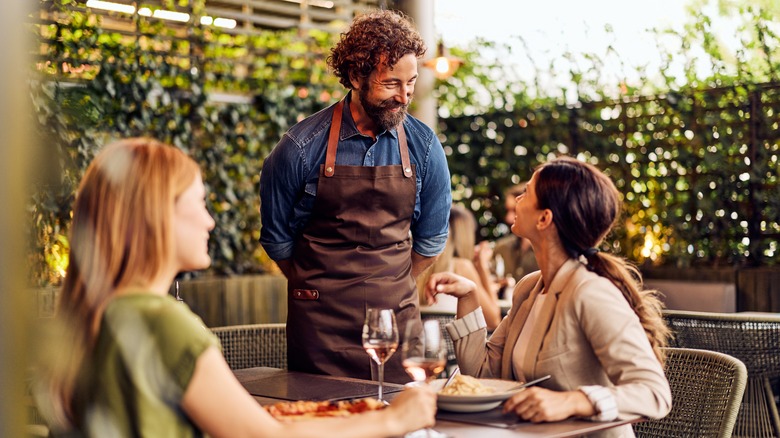
It's no secret that having a more open line of communication with your waiter can lead to them being more helpful when it comes to recommendations, more available and attentive, and more friendly; all of which can make your dinner much more enjoyable. However, it's important to remember not to overstep the boundaries of the transactional relationship. Richardson emphasized this, saying, "It is important to remember that servers are not friends by default. They are doing their job, so addressing them by name should not become a tool of manipulation or an attempt to receive special treatment." Ultimately, while politeness can go a long way when dining at a restaurant, expecting a waiter to bend over backwards for you simply because you learned their name will likely lead to an even more uncomfortable experience for everyone involved.
Plus, while learning a waiter's name is a great way to establish a connection with them, it's always important to keep up other aspects of respectful restaurant etiquette. One big example of this is knowing when to express an issue with the waiter and when not to. While alerting them that something is glaringly wrong with your food is okay, never take your frustrations over high prices or the lack of a menu item out on your server. Similarly, if you do know your waiter's name, never weaponize it if an issue does arise with your dinner. "You should not use your server's name in conflict situations or when making complaints, so that the server does not take it personally," Richardson added.