

12 Things Boomers Say At Restaurants
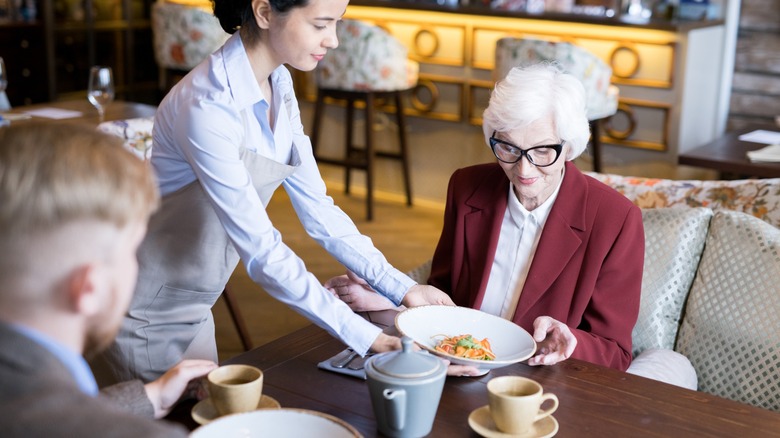
Stroll into any restaurant and have a seat. Then, put your listening ears on and observe the casual conversations around you. Chances are you'll hear a few familiar phrases floating around, many of which can instantly categorize customers by generation. The era one grows up in makes an indelible imprint, influencing how we dress, our choice in music, and even how we dine.
The evidence of this generational divide can best be seen (or should we say heard) through the words we choose when sitting down to sup. For boomers born between 1946 and 1964, you'll often notice a preference for what's familiar. Think dishes that echo childhood favorites. There's also often a keen eye kept out for value, an interest in any and every daily special, and a strong desire to get the most out of every bite (and dollar). Add in deeply ingrained ideas about service, tipping, and what constitutes a "good" meal out, and you start to really see how generational context shapes dining behavior.
This isn't about any age bracket being right or wrong, but more about observations on how eating out has evolved dramatically over the decades. Here are 12 things boomers tend to say at restaurants that perfectly capture how much a generation can influence the way we eat, order, and more.
That's plenty for a tip

You've just enjoyed a meal at a restaurant. The waiter arrives to place your bill on the table. This is when most diners launch into a full internal monologue, trying to determine just how much to leave and whether the service was exceptional enough to warrant an extra boost. But the boomer at the table? These individuals often won't skip a single beat before placing a set amount on the table and declaring, "That's plenty for a tip."
There's no mental gymnastics or deciphering of secret codes here. For many boomers, tipping isn't a moving target meant to be painstakingly muddled over at every meal. Emotions have no place here. This makes sense because dining out used to follow clearer rules, where service was included, expectations were more straightforward, and 10 to 15% was considered polite, proper, and plenty. Case closed. You tipped because that's what you did (and how much you did), not because a screen suggested (at least) three different options.
Younger diners may feel tension in this moment, especially if a boomer has no qualms with openly and loudly discussing the tip. But when boomers talk about tipping out loud, it's not meant to be awkward. It's just another part of the meal logistics. They're following the rules as they understand them, and those rules have worked just fine for decades.
Can I get the sauce on the side?
"Can I get the sauce on the side?" You probably have heard this request (or some iteration of it) when dining out with your parents or grandparents. When a boomer politely asks this, it's rarely about being difficult or high-maintenance. It's most likely that they value predictability and having a little more control over what arrives at the table.
Boomers know how they like things, and enjoying the meal exactly how they like it is a big deal. They want to know what they're going to be served, and how it will taste. So, asking for sauce on the side translates to no dangerous possibilities (aka their salad won't potentially be drowned by dressing). These folks want the meal to match their expectations to a tee, and definitely not surprise them.
Younger diners may see such a request as borderline rude, whether that's because they don't want to offend anyone, including the chefs, or they fear seeming too high-maintenance. For boomers, it's just good sense. Again, there really is no emotion attached to it. It's not that deep. Boomers have simply learned over decades that a small request can lead to a meal enjoyed more fully, so why wouldn't they speak up?
How is the fish cooked?
Let's talk specificity. It's all about the details, right? So, when a boomer asks detailed questions while dining out, such as how the fish is cooked, it's rarely because they are trying to be difficult or ruin the chef's day. It simply shows their intense affinity for attention to detail. Their generation tends to approach dining with a precise combo of practicality and predictability. These are individuals who like knowing exactly what's coming out of that kitchen, including how a dish is prepared.
Much of this is because unexpected surprises when dining can feel disruptive, and leave a bad taste in one's mouth (literally). This generation has learned that a simple question could help ensure there are no surprises and that the meal will align with expectations. For them, it's about avoiding disappointment before they even take that first bite.
Fried or fresh, knowing how their fish will be prepared allows them to order confidently and look forward to enjoying the meal without the stress of the unknown. Also, while younger diners may assume menus or photos are sufficient (and even self-explanatory), boomers tend to prefer direct confirmation. It's not so much about being picky, but more about valuing predictability.
They don't make it like they used to
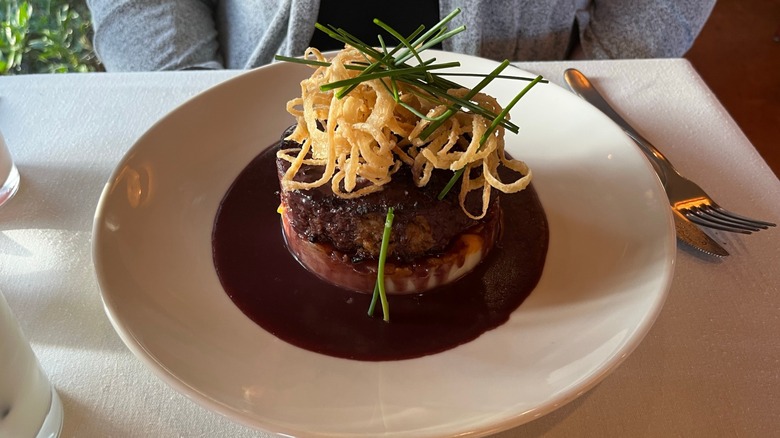
When dining out with a boomer, a common phrase you might hear mid-bite (sometimes accompanied by a small sigh) is, "They don't make it like they used to." For boomers, this isn't uttered to be rude, or even mean. Instead, it's often an observation they are making out loud, wrapped in a generous amount of nostalgia. You have to remember, this generation grew up with certain foods as constants in their daily routines. Think diets centered around scratch-made family recipes and classic comfort foods, with traditional eats that certainly didn't change from week to week. Hence, meals fell distinctly into the familiar, reliable, and comforting category.
So, when a boomer says this, they're comparing the modern present dish in front of them to a cherished comfort food memory bank of meals built over decades. This helps us realize they're not necessarily dismissing new, "elevated" versions of their favorites. They're just verbally noting the difference — and, yes, perhaps just giving themselves a moment to miss the way they remember their tried-and-true iterations prepared.
Many younger diners may hear the remark and immediately assume it's resistance to change, but knowing this context may help us realize it's more appreciation — and a dash of longing — for the flavors of days gone by. Less rejection of the new, and more honoring of the old.
Are you going to finish that?
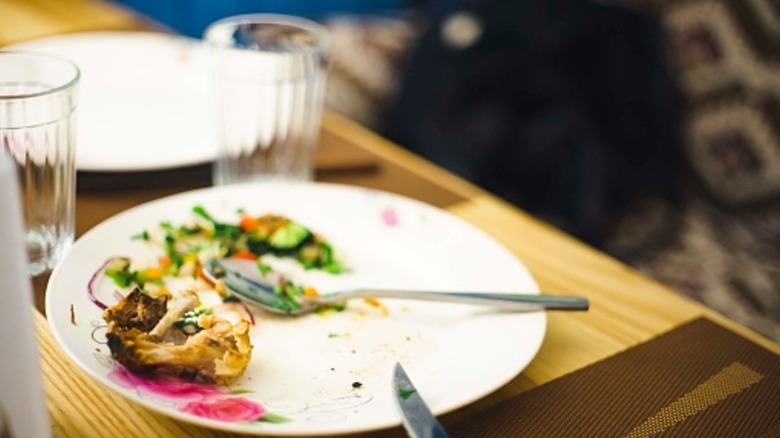
If a boomer leans over the table and asks if you're going to finish your food, chances are it's not just a curious inquiry. This is a genuine question that's potentially just as loaded as that baked potato you ordered alongside your meal. Even if it is loaded, this question is not necessarily meant to be demeaning. Instead, this is a genuine concern that clearly reflects ingrained values. These core values stem from a "waste not, want not" mentality, possibly handed down from parents who experienced hardships, such as the Great Depression.
Even though boomers themselves didn't live through the Great Depression, the no-waste mentality was drilled in from an early age. Food was precious, and nothing edible was thrown away, ever. It makes sense that this question would surface instinctively, even in our modern age, where access to food is more abundant, and portions are often significantly larger than in decades past.
Understandably, younger diners may be momentarily startled, even annoyed or offended, by this question. But to boomers, asking if someone will finish their food is less about prying or foisting judgment, and more about making sure nothing goes to waste.
Do you have a special?
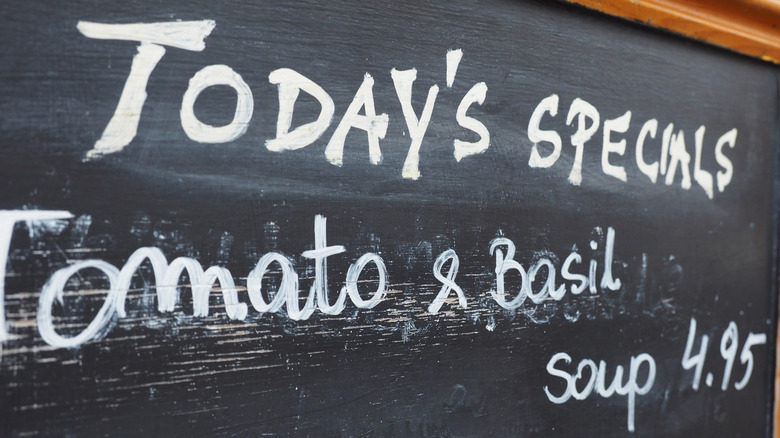
"Got any specials?" When dining with boomers, this question often arrives early in the ordering process — sometimes even before the menus are in hand, much less fully opened. For boomers, a generation hyper-focused on value and getting the biggest bang for their buck, discovering a daily special that could shave a few dollars off the bill is like Christmas come early. This value-driven and frugal mindset didn't just appear out of nowhere. We have to remember that boomers were raised in households where spending money thoughtfully was not just a virtue, but a non-negotiable.
When we see this inquiry through this contextual lens, boomers asking about the special of the day isn't so much about being cheap, so it doesn't have to be seen as a total buzzkill by their younger dining companions. It really does come down to boomers seeking value. Like the glorious bargain hunters they are, they just appreciate restaurants that reward their quest with a really good deal.
I'll have the meatloaf and a slice of pie
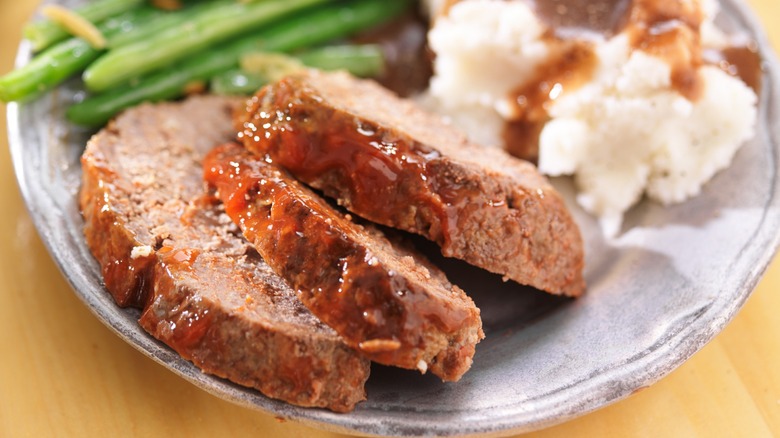
When a boomer opts for comfort food classics, it's not because they haven't noticed there's a whole huge menu with many more options available. They place this order because they know exactly what they want. Think of it this way, boomers grew up in an era where meals were consistent and dependable, almost like clockwork. Family dinners often revolved around the same core dishes, often prepared the same way week after week. This bred a familiarity with such fare, recalled fondly by boomers and impacting their ordering behaviors to this day.
Dishes like meatloaf and pie are foods that, somewhere along the line, became emotional touchstones, edible memories tied directly to their childhood home, their family, and even cherished routines. In light of this knowledge about how much boomers prize familiarity, it makes absolute sense that they often gravitate toward menu items they recognize and trust most.
For younger diners who tend to view dining out as an opportunity to explore new dishes, boomers choosing to fall back on familiar comfort foods may seem uninspiring. But boomers don't necessarily want a thrill ride of a culinary adventure. Maybe you think that's boring, but we doubt they mind. They're too busy enjoying a meal without surprises, maybe even digging into the best meatloaf in their state.
How are you today?

While the initial interaction may be jarring for some, boomers often begin a restaurant waitstaff encounter the same way they'd greet a neighbor or friend. Far from being just small talk to fill the air, this is a genuine question coming from someone born between the mid-1940s and the mid-1960s. Boomers extending such friendliness to anyone in their sphere is basically an ingrained habit that stems from growing up during a time when service interactions were slower, more personal, and far more relational.
In their day, servers were prone to chat a little, remember regulars, and make diners feel welcome beyond just taking their orders. Asking about your waiter's day was nothing extraordinary, just polite. Also of note here is the fact that boomers were raised to value eye contact, a good neighborly chat, and basic friendliness. These weren't seen as intrusions in the 1960s, but more signs of respect and, well, basic humanity.
Coming from a far different mindset, thanks to the evolution of social cues and expectations, younger diners are more concerned about not encroaching on anyone's personal boundaries and may feel unsure how to respond to this ultra-friendly dynamic in their boomer dining companions. They're used to efficiency and minimal interaction, after all. Boomers, on the other hand, expect — and appreciate — a bit of human connection with their meal.
Do you take checks?
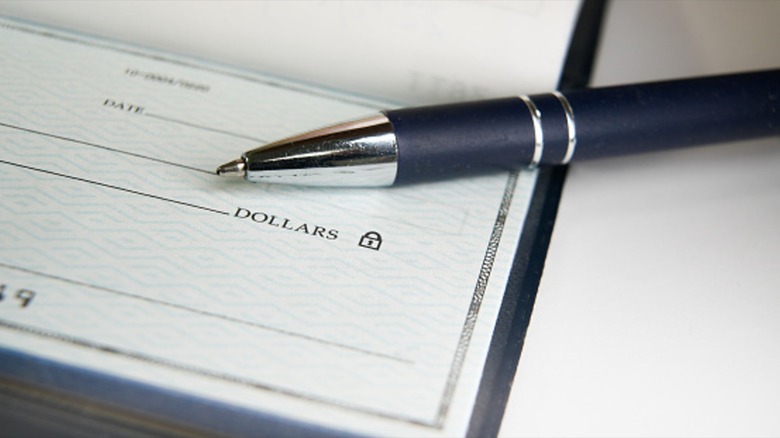
A request to pay via check can downright boggle the minds of waitstaff in a modern restaurant, not to mention make younger diners want to melt right into the floorboards and disappear. While the initial surprise (and the subsequent serious head scratching) on the part of waiters, and the possible embarrassment level of young diners are absolutely understandable in the modern day, in boomers' minds, this is a perfectly reasonable inquiry.
While it could be part of the equation, depending on the boomer in question, this request isn't necessarily an attempt to totally reject technology. At its core, it seems more about leaning on payment forms that are familiar and tied to comfort and clarity (aka cash or check). This makes sense when you think of how boomers grew up managing money in more physical ways (translation: no contactless POS for a country mile). When you paid with checks and cash back in the day, it was tangible. You could literally see the amount you were paying, record it right then in your physical checkbook ledger, and know exactly how much you were spending. That sense of control mattered, and clearly still does.
Nowadays, when younger diners likely see digital payment as seamless — and therefore the better option – boomers are more prone to just see extra steps as a source of potential stress or confusion. Checks eliminate that possibility. If a restaurant can be found that still takes them, of course.
Get your elbows off the table!

Let's talk about the dining etiquette rules almost no one follows anymore. For those who have ever heard a boomer, well, boom, "Get your elbows off the table!" when dining out, you are definitely not alone. While an understandable initial reaction may be to take offense, it really shouldn't be seen as a personal affront. Often, this seemingly bossy demand comes from a place of habit, instilled from years of being told that very same line.
Boomers were born in an era when table manners were the measuring stick of whether mama raised you right (and nobody wanted to be in the "other" category). As such, boomers grew up knowing that behavior at the table was like the Olympics of eating. You would be judged based on your performance, and elbows on the table? Those earned you solid zeros across the board.
When you understand how two simple elbows resting on a tabletop could carry such social stigma, the fact that your boomer dining companion is so hung up on proper restaurant etiquette (particularly your limb placement) may not seem like such a source of contention. Younger diners on the receiving end of this admonition may still find it overbearing, with a study by Prezzo finding that 77% of Gen Z think the elbows rule is outdated. However, at least knowing the roots of where the elbow-aversion comes from may help lessen the sting.
What do you mean by vegan?
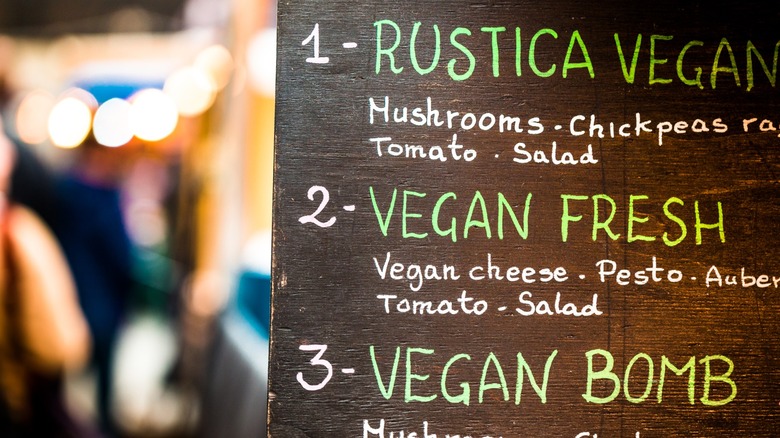
This next question is sometimes voiced with genuine surprise rather than judgment. For many boomers, the term doesn't exactly align with the framework under which they've understood and approached food their entire lives. Boomers grew up in a food culture where meals often followed a steadfast and familiar structure. The protein was at the center, the vegetables were on the side, and there were usually some carbs and dairy. And when we say protein, that typically means meat to boomers.
So, when veganism enters the conversation, it doesn't just link to a menu choice being made in that moment. No, ma'am. For boomers, when veganism enters the chat, it challenges an entire framework. The mere idea of removing meat, dairy, or eggs is mind-blowing to most boomers. Eradicating them all at once? Words fail.
And when they do come, a common question is often, "So, what do you eat?" While young diners (especially those who've adopted a vegan lifestyle themselves) may find this line of questioning rude, these inquiries aren't always meant to challenge. Instead, they are more often attempts to understand something entirely unfamiliar.
Oh, just leave that

As plates are being cleared or someone at the table instinctively starts stacking dishes, you may hear a boomer throw out, "Oh, just leave it." Before you immediately assume that this comes from a place of inconsideration, remember that they grew up with a very specific understanding of what dining out meant, which may help reframe your initial reaction.
For boomers, restaurants were places where you were served, and that service included clearing the table. With that perspective, tidying up after yourself wasn't really seen as polite or even helpful. It was simply seen as unnecessary. Times were simpler back then in many ways, including this habit. You sat, you ate, you paid, you left. The staff handled the rest.
Today, dining out can be seen as far more collaborative, with many younger diners especially viewing tidying up after themselves as both a sign of respect and efficiency, adopting a "I'll do my small part to help out" kind of mentality. Neither approach is wrong necessarily, just vastly different.