

Is It Ever Okay To Bring Outside Food To A Restaurant?
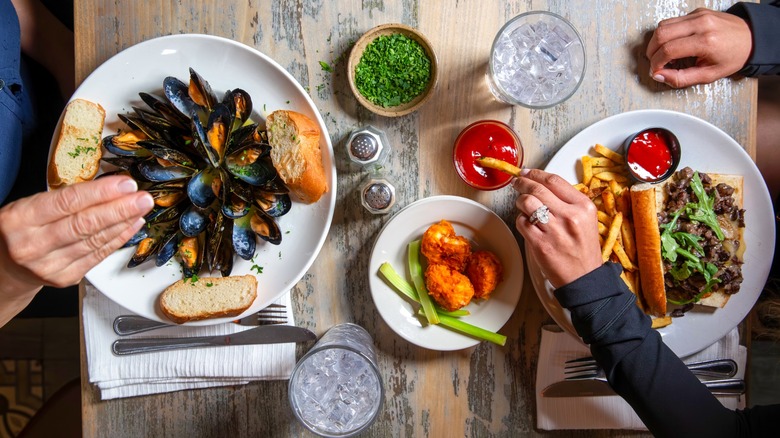
When invited to join someone at a restaurant you're unfamiliar with, it's not uncommon to feel a bit of anxiety if you have specific dietary needs. Will the menu options fit your lifestyle? Is the food free of any allergens that could make you sick? The temptation to bring a bite from home is understandable. However, according to Izzy Kharasch, hospitality expert and president of Hospitality Works restaurant consulting, that's a faux pas on par with signaling to your server like a jerk by snapping your fingers.
Maybe you require gluten-free food and decide to bring some homemade gluten-free bread with you so you have something to nibble on with your fellow diners. Kharasch rebuked that mindset. "Absolutely not! Restaurants make money on selling guests food and beverage," he said. "Bringing your own food is not an option."
Restaurants pay bills just like anyone else. Rent, utilities, and equipment maintenance don't often come cheap, and every seat in the establishment exists so paying customers can help cover those costs and hopefully earn the business a modest profit. If someone who is munching on something they brought with them is occupying one of those seats, that's one less opportunity for the restaurant to stay out of the red.
So how can you enjoy what's being served without experiencing adverse side effects caused by a food allergy? "Communicating with the restaurant about your food restrictions so that they can prepare their food to accommodate you would be the way to go," Kharasch said. Many restaurants have policies in place, like the strict rules Olive Garden follows when handling food allergies. They just need to know about it before preparing your meal, and they'll work with you to find a solution. In the case of kosher diets, the restaurant may be able to order food from an approved source.
How to choose a restaurant you can safely eat at
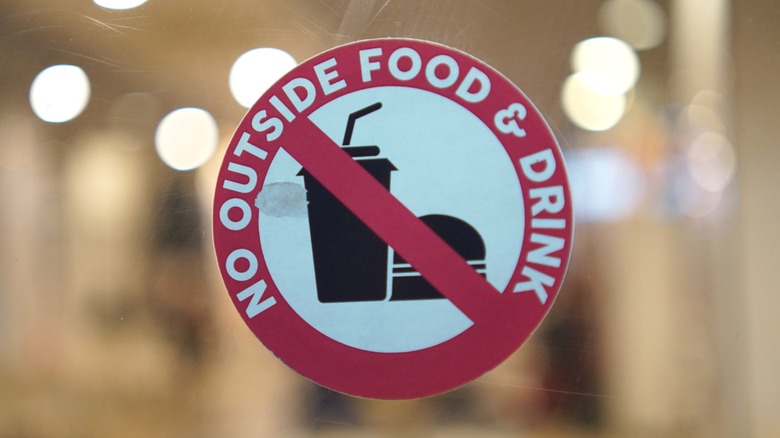
Aside from informing the staff about an allergy before ordering, there are a couple of other strategies that can decrease the odds of a mishap occurring and give you peace of mind. Izzy Kharasch mentioned that not straying too far away from fare you recognize as safe is one option. "First, choose a restaurant that serves food that is closest to the foods that you eat," he said. For example, while steak may be on the menu, dining at a seafood joint might be playing with fire if you have a serious shellfish allergy.
You can also verify that a restaurant can accommodate any dietary needs you have by communicating with the staff beforehand. "Call the restaurant and have a discussion with the chef to discuss how they can prepare food the way that you need it done," Kharasch advised. Being specific is crucial. Asking about gluten-free menu options isn't the same as informing the business that you have a severe gluten allergy.
Of course, there are special exceptions to the no outside food rule, such as a cake for a celebration. However, don't just arrive with a cake in hand and presume that's fine. "Every restaurant is different in terms of these types of policies," Kharasch explained. "Always call the restaurant in advance." Most places sell dessert, and they might not be enthusiastic about folks sitting around eating cake they didn't buy when that seat could be occupied by a paying customer. Don't be surprised if a restaurant charges you a fee to bring it in.