

The Astonishing Amount Of Maple Sap It Takes To Make A Gallon Of Pure Maple Syrup
We may receive a commission on purchases made from links.
Few breakfasts are more satisfying than a stack of fluffy pancakes or waffles generously smothered with butter and real-deal maple syrup (the stuff that comes from trees). However, like many of life's sweetest things, pure maple syrup doesn't come easily or cheaply. Making real maple syrup requires collecting sap from maple trees and then evaporating it down into the concentrated, complexly sweet syrup we know and love. If you've ever been flabbergasted by syrup prices – a gallon of pure maple syrup can easily set you back between $50 and $100 — you'll probably find it a much sweeter deal when you learn how much maple sap goes into the tasty breakfast topping.
It generally takes between 20 and 100 gallons of sap to produce a gallon of pure maple syrup. The exact amount can vary dramatically based on several factors, such as sap sugar concentration, storage, and processing methods. As such, it's hard to boil this broad range down to one number, but the most standard ratio used by maple farmers is 40:1. In other words, on average, 40 gallons of maple sap go into a single gallon of pure maple syrup.
How many maple trees does it take to produce a gallon of pure maple syrup?
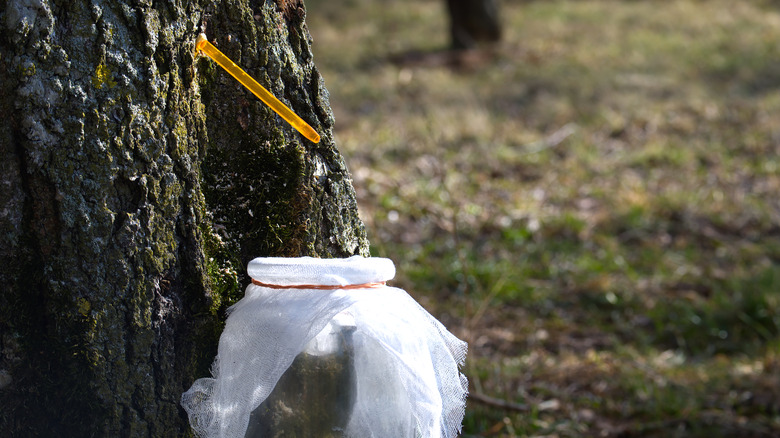
One maple tree can yield eight to 20 gallons of sap per tap over the course of the season. So, on average, it takes two to five (but possibly up to 10) maple trees to make one gallon of maple syrup. The most important factor that influences the amount of sap needed to make maple syrup is the sap's sugar concentration. This is the percentage of sugar in the sap, and it can range from 1% to 5%, but it typically falls between 2% and 3%. For example, if the sap has a 2% sugar concentration, it will take roughly 43 gallons to make a gallon of syrup, but if the sap has a 3% sugar concentration, it will only require around 29 gallons. The sap's sugar concentration varies based on tree health, climate, soil nutrients, time of year, and more.
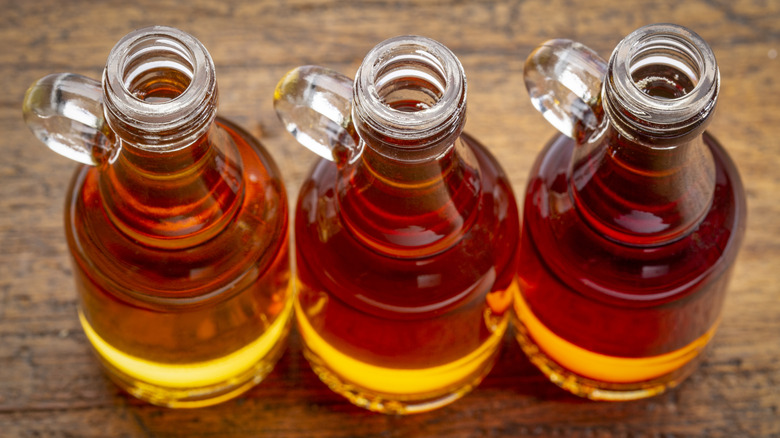
Interestingly, while each maple syrup grade has a distinct flavor and color, all the grades contain the same amount of sugar and therefore require roughly the same quantity of sap to produce. Whether you prefer unconventional uses for maple syrup or sticking to the classic pancakes and waffles, your maple-enhanced meal will taste a whole lot sweeter when you appreciate the astounding amount of tree sap it takes to make even a drizzle of the best maple syrup.