

7 Best And 6 Worst Nonperishable Food Items For Emergencies
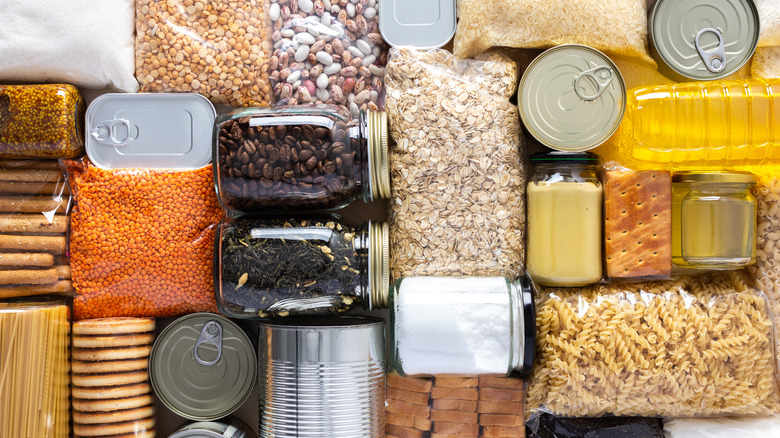
Being prepared for emergencies, such as natural disasters, requires careful consideration of the types of food you stock and how to store them. The number of people in your family, their age and health, your available storage space, and your cooking abilities all play important roles in deciding what and how much to keep on hand during an emergency.
Short-term emergencies lasting a few days are relatively straightforward to prepare for — after all, stocking your pantry regularly requires a fair amount of planning anyway. A basic emergency food kit designed to last around three days can be made and stored in a designated space, preferably one that's easily accessible and away from direct sunlight. Planning for a longer-term emergency requires more forethought, but you'll be well-prepared if you follow a few basic guidelines.
In these types of situations, non-perishable canned and dried foods are easy picks. However, you should also take into consideration factors such as expiration dates and nutrition labels. To put it simply, avoid foods with empty calories, such as chips and soda. Instead, prioritize water and nutrient-dense foods, and you'll be able to ride out any emergency in good shape.
Best: Canned beans
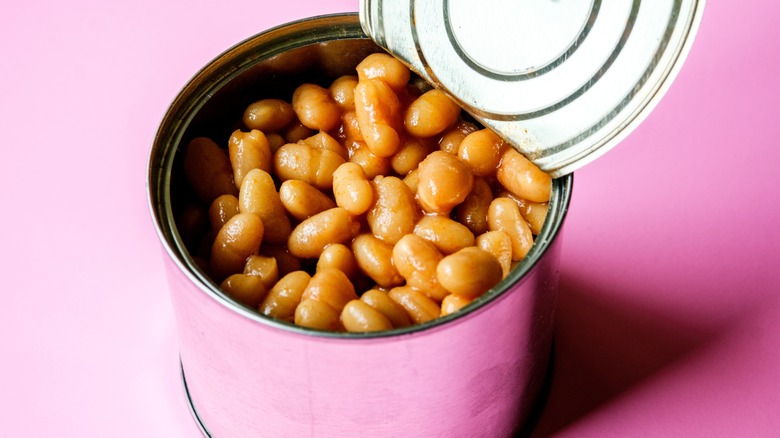
The best foods to have on hand in case of emergencies should be easy to prepare and provide maximum nutrition. Canned beans meet both these criteria, making them one of the smartest non-perishable foods to stock. They are easy to prepare, but are also safe to be enjoyed straight from the can in case power or heat is unavailable. They both taste good and provide certain essential nutrients that go a long way in keeping your body in fine fettle. High in fiber and rich in proteins, vitamins, and minerals, canned beans are great to eat when you are in survival mode, and all the amenities of your regular kitchen are not available. Beans also pair well with other emergency staples such as grains.
The Department of Homeland Security recommends canned beans as one of the best non-perishable options to keep stocked in your emergency pantry. One 15-ounce can of beans provides you with the protein equivalent of 7 ounces of meat. They also have high calorie density and a long shelf life that can extend to five years, so you needn't worry about them going bad.
Worst: Instant noodles
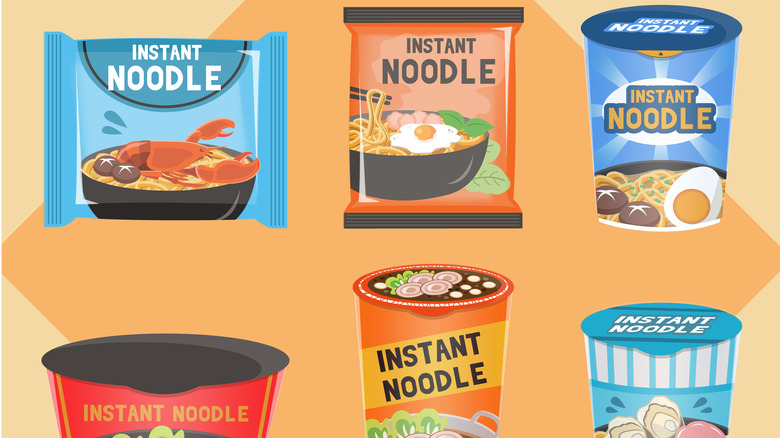
Instant noodles are an extremely popular food, with sales increasing every year. They're both delicious and easy to prepare, but are they a good staple to stock for emergencies? Not really — and here's why.
When people plan for emergencies that may last for long periods, it's important to consider the possible lack of accessible water, power, or heat. While instant noodles score high in terms of convenience and require only a little hot water, they fall short when it comes to nutrition. Studies have shown that frequent consumption of instant noodles significantly increases the risk of cardiometabolic syndrome, a condition that has been linked to heart disease and diabetes.
You can argue that eating noodles during an emergency is an acceptable risk. However, the fact remains that one block of instant ramen noodles has 400 calories, about 900 milligrams of salt, and a whole load of preservatives. They also offer very low fiber and protein content. Eating instant noodles for extended periods during an emergency will deprive your body of many vital nutrient groups, which will be bad for your overall health. So as tasty and appealing as they may seem, instant noodles are best left out of any emergency pantry food list in favor of more nutritious foods for long-term sustenance.
Best: Canned fish or chicken
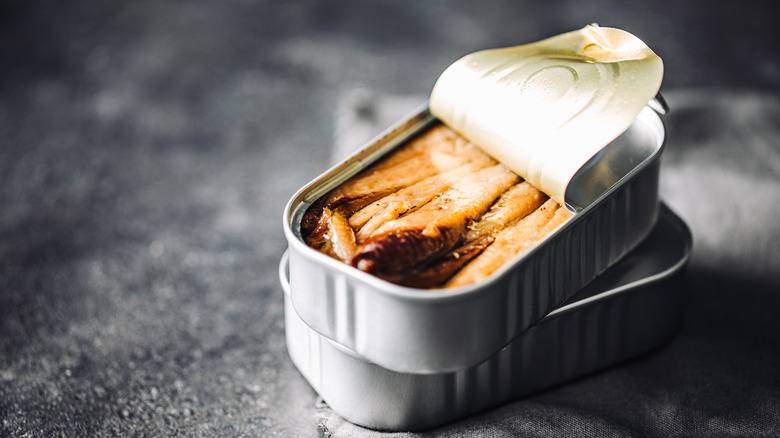
No emergency pantry is complete without the inclusion of at least one reliable source of protein. Proteins are essential for muscles, hormones, and enzymes, as well as for the repair of cells and overall development. These needs are even more critical in times of stress.
This is where canned fish or chicken enters the picture. There's a wide range of canned fish available — including sardines, salmon, tuna, mackerel, and more — that are rich in protein and other essential nutrients. These include omega-3 fatty acids, which are essential for heart health due to their anti-inflammatory properties. Canned chicken and other meats are also good sources of protein, and are important elements of an emergency food supply. Most of these have shelf-lives of at least two years thanks to their low-acid content. Vacuum-packed pouches may not last as long, but they will keep for at least six months.
If you're worried about the best ways to consume canned seafood, the answer couldn't be simpler. More often than not, all you need is a can opener and a spoon, and you're good to go. The Canned Food Alliance emergency pantry chart lists canned fish or meat as an important source of protein, and suggests stocking one 5-ounce can per person per day — a useful guideline in selecting the quantities you need to stock for your household.
Worst: Sugary sweets and candy

One of the worst foods to stockpile for emergencies is candies or sugary sweets. These foods are extremely calorie-dense, but offer little more than fats and simple carbohydrates. While they may be good for an emergency sugar or energy boost, they amount to "empty calories" in a nutritional sense. Your blood sugar levels will spike soon after eating them, followed by an inevitable crash. This is exactly what you want to avoid in an emergency situation, so it's better to stock up on foods with complex carbs for sustained energy levels.
If you're planning to survive only on candy bars over an extended period of time, it's almost guaranteed to take a toll on your health. Ultimately, you'll begin to suffer from malnutrition as your body will be denied vitamins, proteins, fiber, and other essential nutrients that are necessary for proper functioning. Small amounts of sugary sweets may be acceptable for variety, or occasional use under specific circumstances, but they shouldn't be a staple. For the most part, candy has no real place in a well-planned emergency pantry.
Best: Nut butters
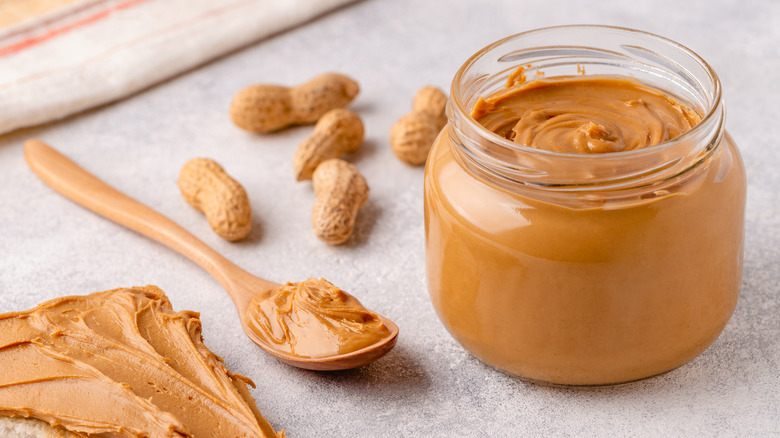
Nut butters are an excellent source of energy, and some — such as peanut butter — have a high protein and healthy fat content that makes them excellent choices for an emergency pantry. Some nutrition experts even go so far as to say that 1 tablespoon of peanut butter provides roughly the same protein as 1 ounce of meat.
However, choosing the right peanut butter type is important from a health perspective. Some processed varieties contain high levels of sodium, saturated and unsaturated fats, and extremely high calorie counts as well. They may also contain plenty of added sugar and preservatives, which is why it's important to check labels and choose only naturally processed peanut butters.
Similar rules apply when it comes to other nut butters. Check the packaging, and opt for versions that don't contain added sugars, fats, salt, or preservatives. A word of caution, though: High protein content doesn't mean unlimited consumption. Nut butters are calorie-dense, so portion control is key. Limiting intake to around 2 tablespoons per meal is a sensible approach, even in an emergency.
Worst: Crackers and rice cakes
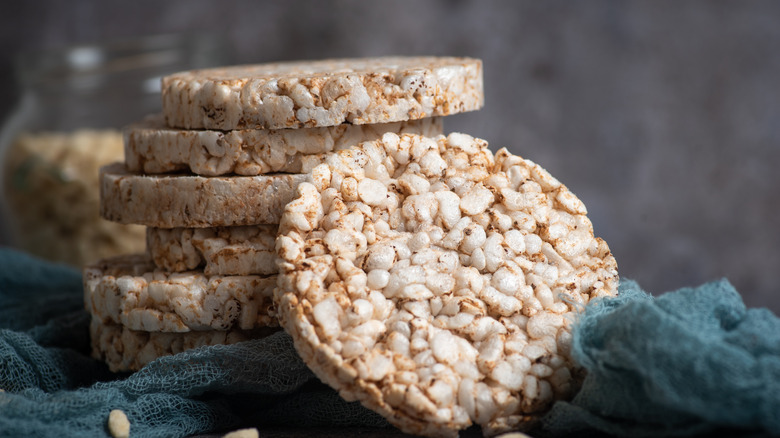
A common reason people purchase rice crackers or rice cakes is the assumption that they have a low carbohydrate content, and are therefore healthier. However, this is simply not true. Rice crackers and rice cakes are made from rice flour, which is naturally high in carbohydrates. Crackers — especially the flavored versions — have added sugars that increase the overall calorie content. A typical 30-gram serving of rice crackers will contain about 20 to 30 grams of carbs.
As an emergency food, crackers and rice cakes are not an optimum source of nutrition, and should not be staples in your emergency pantry. They may pair well with other emergency pantry foods such as peanut butter and canned foods, but their nutritional benefits are limited. Whole wheat crackers are a better choice in such instances, thanks to their higher fiber content. Rice cakes do have the advantage of being gluten-free, but they can also cause rapid spikes in blood sugar. Ultimately, these rice products are mostly just carbs, and offer negligible protein or fiber content. Eating them occasionally is fine, but relying on them as a primary food source during an emergency is best avoided.
Best: Ready-to-eat rice, couscous, bulgur
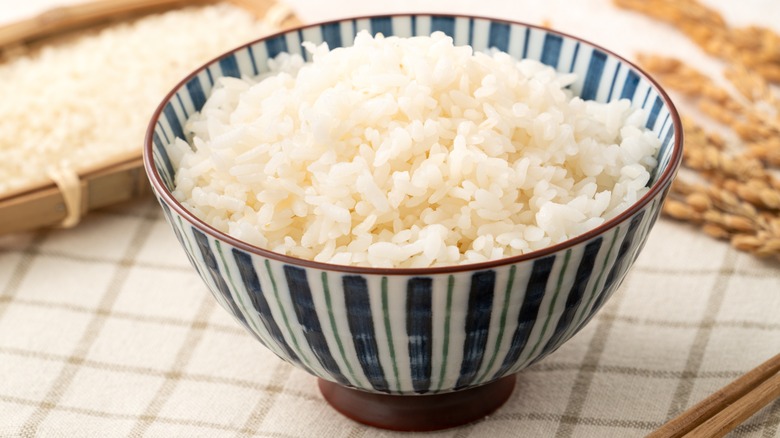
One useful guideline when planning your emergency pantry is to include a supply of grains that act as an anchor for your meals. The grains that are best suited are rice, couscous, and bulgur. Here's why they work well.
When it comes to rice, choose brown rice as it has complex carbohydrates that keep you feeling full longer. Brown rice also boasts the added benefit of high fiber levels, which nutritionists say helps with digestion, gut health, and weight management. Ready-to-eat rice is a good option that can be easily cooked and frozen for later use. Bear in mind that frozen rice can last for up to eight months, but will keep for only a few days once defrosted.
Couscous is another matter. Although it looks like a grain, it's in fact made from a mix of semolina, wheat flour, and water. It contains fewer calories than rice and has a higher level of fiber and protein, making it a good addition to an emergency pantry. It falls short compared to brown rice's vitamin and mineral content, but couscous adds useful variety and cooks quickly. Bulgur wheat is another whole grain that's worth stocking. It's high in fiber, nutritionally dense, and works well as part of a balanced emergency food supply.
Worst: Powdered meal replacements
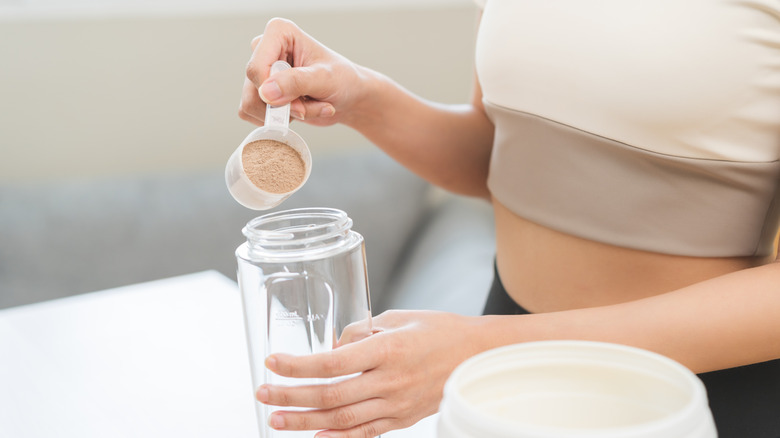
Powdered meal replacements may seem like a natural choice for an emergency pantry, but they fall short on closer examination. It could be argued that they have several advantages, such as a low calorie count, high levels of fiber and protein, and overall convenience. The cons, however, far outweigh the pros, especially when considering long-term usage. Most powdered meal replacements are highly processed, and contain a range of artificial ingredients. They also tend to feature plenty of artificial flavors and processed sugars to make them palatable. While some brands market themselves as high quality, a closer look at the nutrition label can be revealing. Sometimes the fiber content is too low, or the protein levels are less than the carb levels. In addition, powdered meal replacements do not promote satiety, increasing the likelihood of frequent snacking.
Another major disadvantage is the low calorie content. Low-calorie diets are only suitable if you intend to lose weight, but they are ill-suited for emergency situations. During such periods, your body requires adequate calories to function and stay resilient. That works out to approximately 2,000 calories per day for women and 2,400 for men. Meal replacements often fall well short of these needs. Lastly, meal replacements can be dangerous for people with certain health conditions or special dietary requirements. Emergencies are not the time to pursue weight loss. The priority is staying nourished, maintaining health, and getting through the situation safely.
Best: Dried fruits and seeds
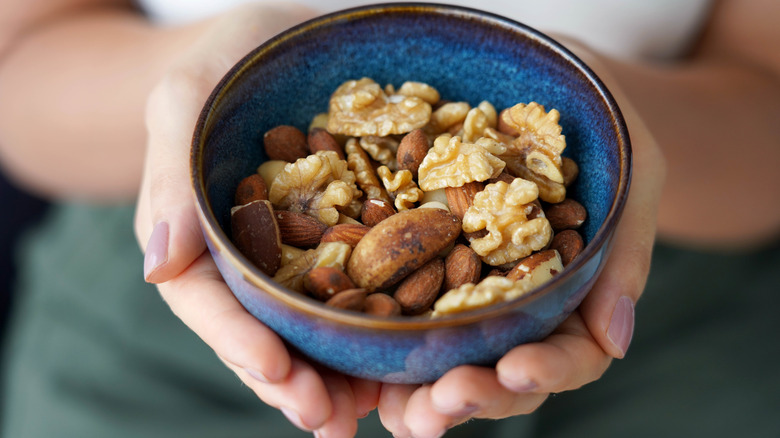
Fruits are an important part of a healthy, nutritious diet. In times of emergency, fresh produce may be hard to come by. Dried fruits are the next best thing, as well as a sensible addition to any emergency pantry. Made by dehydrating fresh fruit and sealing it for storage, dried fruits can remain good for up to six months once opened.
Dried fruits such as raisins, apricots, and prunes offer a range of health benefits. They are packed with vitamins, minerals, antioxidants, and fiber, retaining most of the nutritional value of fresh fruit. They help maintain energy levels, and support immune function while contributing to your overall well-being. Dried fruits also make for a much healthier snack than most other processed, packaged foods.
Additionally, seeds are an important component of a nutritious emergency diet. They are an excellent source of proteins, healthy fats, fiber, vitamins, and minerals, which is why they are widely recommended by health professionals. The unsaturated fats they contain are good for heart health, and the high fiber content promotes satiety and gut health. They can be easily added to most foods, or eaten plain without any cooking. Best of all, they have a long shelf life of two to three years when stored properly.
Worst: Breakfast cereal or granola
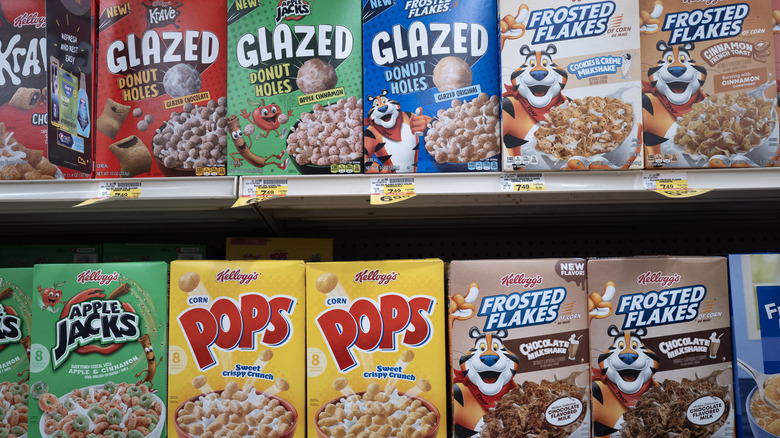
Breakfast cereal has evolved over the years, and now comes in many forms such as cornflakes, granola, and muesli. It also seemingly ticks most of the boxes required of an emergency food, including long shelf life and a high calorie density.
However, not all breakfast cereals are created equal. Some have added fruits and nuts, while many cereals have plenty of added sugar. In many cases, a single serving can contain more added sugar than an entire doughnut. In addition, breakfast cereals are also highly processed. Fats such as vegetable oil, coconut oil, or peanut butter are often used to bind the ingredients together. These add to the calorie content, making it difficult to stay within the US FDA-recommended limit of a 2,000 to 2,400 calorie diet. Perhaps most telling is research showing little correlation between the health claims printed on cereal boxes and their actual nutritional value. More often than not, the nutritional information highlighted on cereal packaging is based on the addition of milk — not the product itself.
A 2025 study also shows a disturbing trend in cereals with recipes that have been reformulated in recent years. It reports increasing amounts of sodium, sugar, and fat, alongside reduced protein and fiber content. For these reasons, breakfast cereals are best avoided when stocking an emergency pantry, in favor of less processed and more nutritionally balanced options.
Best: Shelf-stable soups and stews
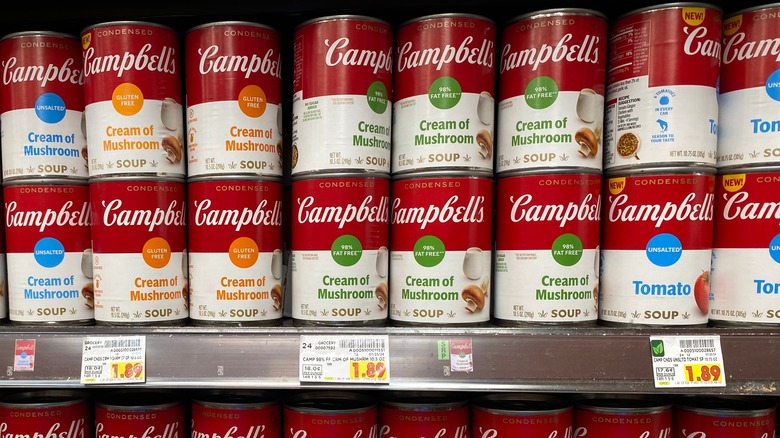
Not everything you pack in your emergency kit has to scream "healthy." Some type of comfort food is essential from the psychological viewpoint, and the best options for relatively healthy comfort foods include shelf-stable soups and stews. The term "shelf-stable" describes food that can be safely stored at room temperature. They are foods that have been treated with heat to destroy all microorganisms, and then packaged in sterile airtight containers such as cans.
Soups such as chicken noodle, minestrone, vegetable, and tomato are good choices to stock. So too are stews, with the caveat that the labels need to be checked carefully for salt content. Choosing low-salt options — under 400 milligrams per serving — is important when selecting your canned soups and stews. Fiber and protein content are also important. The best choices provide roughly 4 to 8 grams of fiber and 5 to 10 grams of protein per serving, helping to deliver a balanced intake of nutrients similar to a regular meal. The combination of comfort and nutrition makes these foods a must-have in your emergency list.
Worst: Cookies and packaged cakes
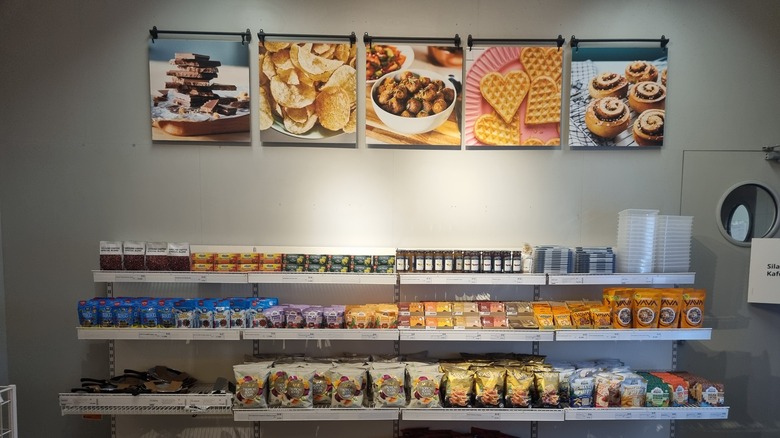
Choosing the right foods for an emergency supply can be challenging if you're a snacker with a sweet tooth. So, tempted as you may be to load up on cookies and packaged cakes, be sensible and put them away. You will survive for a few days without these types of treats.
While there's nothing wrong with the occasional cookie and packaged cake, the main issue is that they consist primarily of refined sugars and saturated fats — essentially empty calories. Eating them regularly increases the risk of developing obesity, Type II diabetes, and Alzheimer's. During an emergency, it's imperative that you eat healthy, nutritious foods that will keep you in good shape while the crisis lasts. The last thing you want is to fall ill with limited or no access to medical care. So, eating healthy is important. By all means, stock up on a couple of treats, but try and choose healthier options. Selections such as whole-grain cookies, cakes made with cocoa powder or dark chocolate without added sugar, or snacks that contain nuts and seeds can provide some enjoyment without compromising your nutrition.
Best: Powdered milk
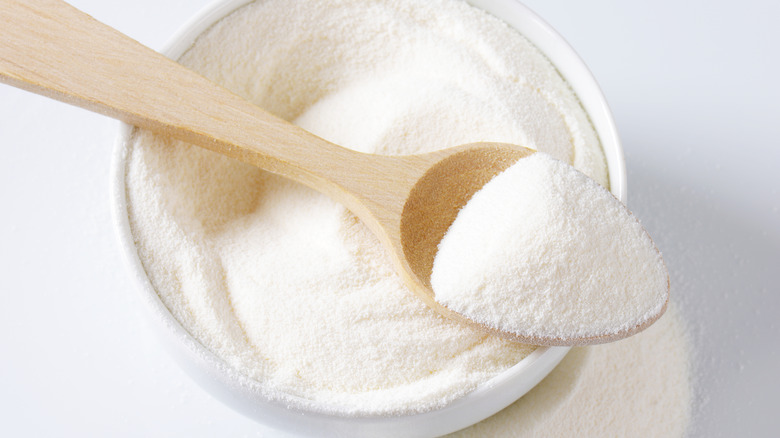
Milk is an indispensable kitchen staple. A long-time favorite for its nutritional value and versatility, it's the one ingredient in most everyone's pantry. However, the short shelf life of regular milk isn't helpful in an emergency situation. Even if refrigerated, it will spoil after a couple of days once opened. So what's the next best alternative?
Enter powdered milk. This is dehydrated milk that has a long shelf life, typically three to five years if stored properly. All you need to do is add water and stir. From the food storage perspective, it's long-lasting and compact; a perfect alternative to regular milk. Powdered milk is rich in high-quality protein, 20% of which is whey protein with easily digestible amino acids. It also contains high levels of vitamins such as vitamin A, vitamin B1, B2, B3, and more, along with minerals such as calcium, magnesium, and phosphorus. 100 grams of skimmed milk powder contains 1300 milligrams of calcium, making it a powerhouse for growing kids and adults. These nutritional benefits, plus its longevity, make powdered milk a must-have on your emergency list.