

How Lidia Bastianich Picks Out The Best Store-Bought Dry Pasta
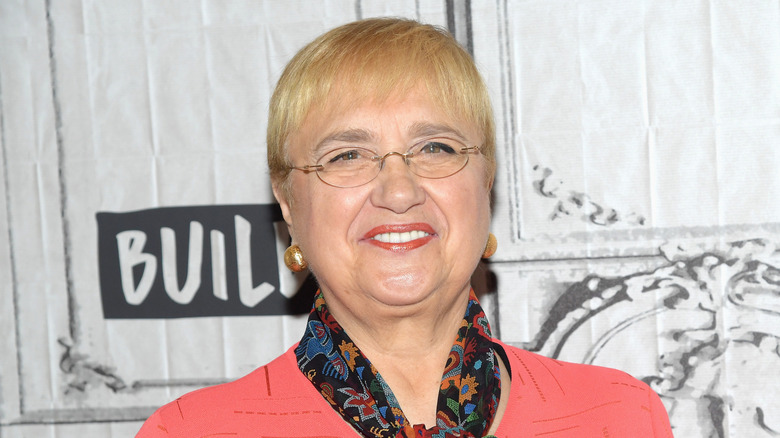
If you're looking for advice about pasta, you don't need to look any further than Lidia Bastianich who has built her empire around Italian and Italian American cuisine. She is the author of several cookbooks, founder of the bougie Italian goods company Eataly, and the Emmy-winning host of "Lidia's Kitchen" on PBS. She also famously got into a food feud with her son, Joe, on MasterChef. Naturally, Bastianich knows how to make homemade pasta from scratch, but she has also prepared countless pounds of dried pasta and knows how to pick the best brands for superior results. (Fellow chef Jose Andres believes in the superiority of dried pasta over fresh for certain dishes. )
First and foremost, Bastianich says to look for pasta that is made from 100% semolina flour, which is high in gluten, for a superior bite and mouthfeel. Experts agree that semolina flour produces pasta that is excellent for gripping sauces, while 00 flour (another popular pasta making flour) will create more tender pasta. Bastianich also believes that the best dried pastas should be golden in color with little to no broken pieces. If it looks like it's covered in flour, choose a different box or brand; this is a sign that the pasta is old. At the same time, shiny, smooth pasta may look nice in the box, but it isn't the ideal kind to use. She says that dried pasta with a rougher-looking texture is going to hold on to sauces much better than smooth pasta. This is also known as "bronze-cut" pasta.
Semolina flour and pasta
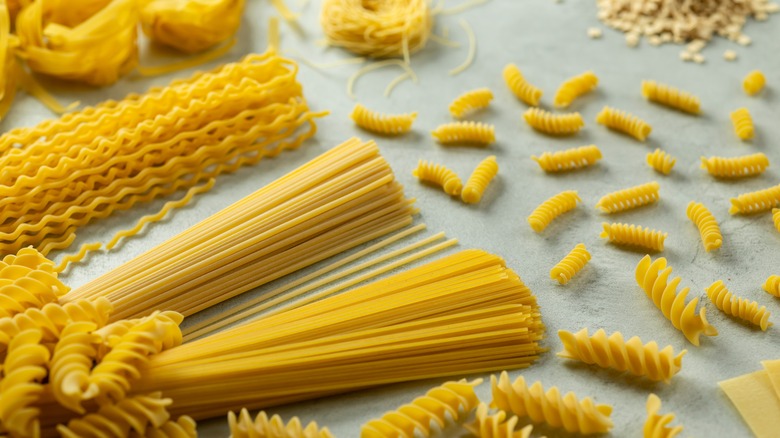
Semolina flour is made from durum wheat. The wheat's endosperm is ground to a coarser consistency than other types of flours, giving semolina its signature texture which is ideal for making certain types of pasta. Compared to other types of flour, semolina maintains a high protein content, which helps develop the gluten you want in pasta and makes it easy to work with if you're making it at home. Many agree that semolina flour also imparts a slightly nutty flavor to whatever it's used for, whether that's pasta, breads, or baked goods.
As for store-bought dried pasta brands that would likely match Bastianich's ideal standards, Rao's, Garofalo, Colavita, and 365 By Whole Foods pasta are all made using only semolina flour and water. Apart from these brands, remember to check for broken strands, a shiny appearance, and white spots or excess flour before you commit to your purchase. Bastianich has a line of her own dried pastas under the brand name Lidia's which are, of course, bronze cut and made with 100% semolina, but they are increasingly difficult to get your hands on (if they're still in production at all).