

Why Pork Is Always More Affordable Than Beef
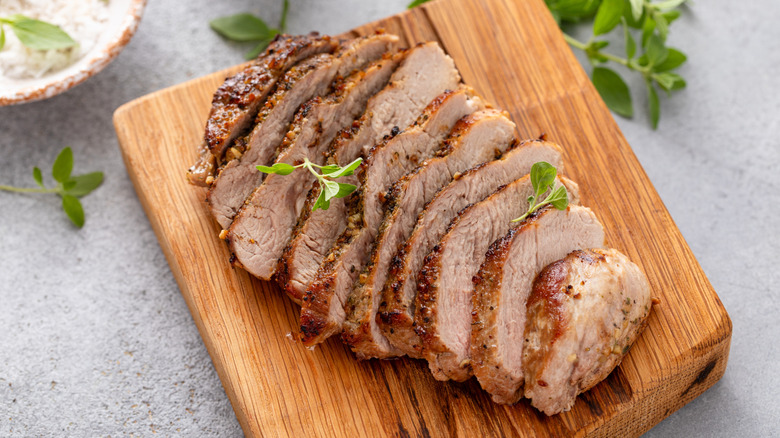
These days, we're all running into products with price tags that leave us shell-shocked, especially with some of our favorite meats. Beef prices are hitting staggering heights, with ground beef surging around 12% year-over-year and steaks breaking records at over $11.49 per pound, and products like beef jerky are through the roof. The dramatic price increase is due to beef supply issues caused by several forces, such as an extended drought, dwindling cattle herds, and tariffs that restrict imports. In contrast, pork prices have climbed much more slowly and remain more stable, making it a more budget-friendly option for consumers.
Even without the low supply, beef is generally more expensive than pork, and the nature of cattle production plays a role in it. There are larger space needs, lengthy gestation and growth periods, and higher maintenance costs, all of which make it inherently more expensive per pound. By comparison, pigs mature faster, reproduce more often, and require less costly feed. Additionally, modern pork operations are highly efficient and automated, with streamlined slaughter processes, lower transport costs, and full utilization of the animal; therefore, you have a clear economic edge.
How pigs outperform cows
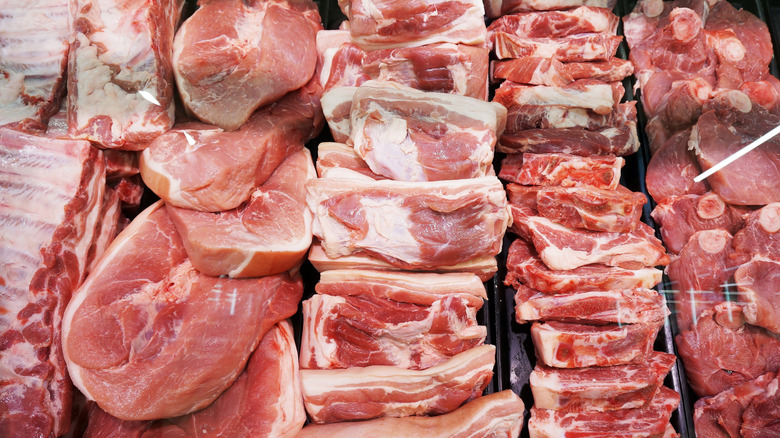
Pork simply costs less to raise, process, and bring to market than beef. Considering reproduction, a female pig or sow can give birth to around 10 or more piglets two or three times a year, while a cow typically gives birth to a single calf annually. That means sows have a faster turnover and higher output than cows. Pigs also grow to market weight in under six months, while cattle can take well over a year, tying up resources and capital.
Feed is another major cost driver since pigs are omnivores and convert feed to fat more efficiently than cattle do, so hogs need less food per pound of meat. And because pork can be produced in controlled, high-density facilities, the land footprint is smaller, reducing property and infrastructural costs.
Processing and butchering add to the difference as well since pork plants tend to be more automated and require fewer hands-on steps compared to beef processing, which involves handling large, bulkier animals and more elaborate breakdowns. Finally, waste is minimized because virtually all parts of a pig are used, from bacon and ham to lard and charcuterie trimmings. All these upstream efficiencies compound the price tag.
The desire for beef
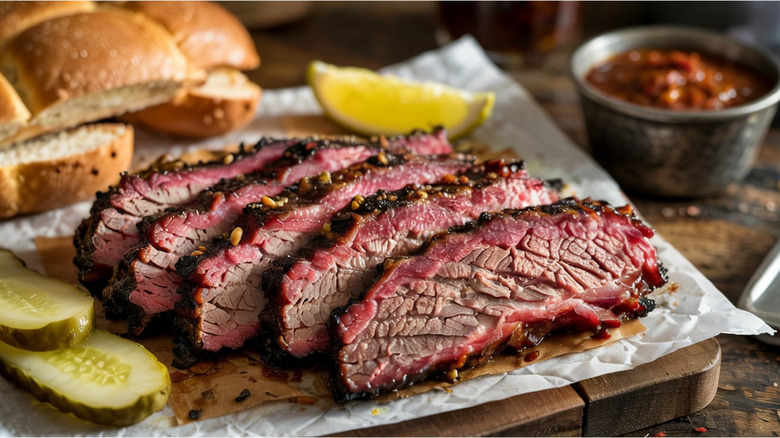
Beef's high costs are also driven by how much people want it. Despite the price hikes, a lot of consumers haven't cut back yet. That ongoing demand puts sellers in a strong position, especially when supply is tight.
By contrast, pork has never burned out of style — but it also hasn't become trendy. Although some people swear off pork for supposed health reasons and the idea that pork is bad to consume, it remains steady, essential, and plentiful. Retail pricing reflects the average pork's reliable affordability, whereas beef's price swings can feel like financial whiplash.
For price-conscious shoppers or budget-focused meal planners, pork is an affordable option without compromising flavor or versatility. Sure, steaks are a treat, especially the best cuts, but you have a ton of options with pork chops, roasts, and ground pork for everyday meals without the hefty price tag. And from a broader perspective, unless beef production dramatically scales up or drought subsides nationwide, that price difference is likely to stick around longer than most inflation cycles.