

This Is The Reason Your Dishwasher Is Causing Cloudy Glass

The whole point of putting your dishes in the dishwasher is so that it can do the hard work for you. You don't want to run a cycle and then pull out foggy-looking glasses, especially if cloudiness wasn't an issue before. You may think you loaded the dishwasher all wrong, preventing the soap from reaching the glasses, or naturally assume that hard water is causing the problem. As such, you might feel the need to install a pricey filtration system, get rinse aids, and more. While those could all be the case, you may be surprised to know that another common reason is that you're simply using too much detergent.
The film of soap residue doesn't just affect appearance, either, as it can make the glass feel less smooth and more fragile over time, also known as etching. It's definitely worth seeing if detergent is the cause of cloudy glasses, so you can avoid replacing perfectly good glassware or spending unnecessary money on water treatments. And, you'll save money on buying detergent so frequently — it's a win-win.
Why too much soap backfires
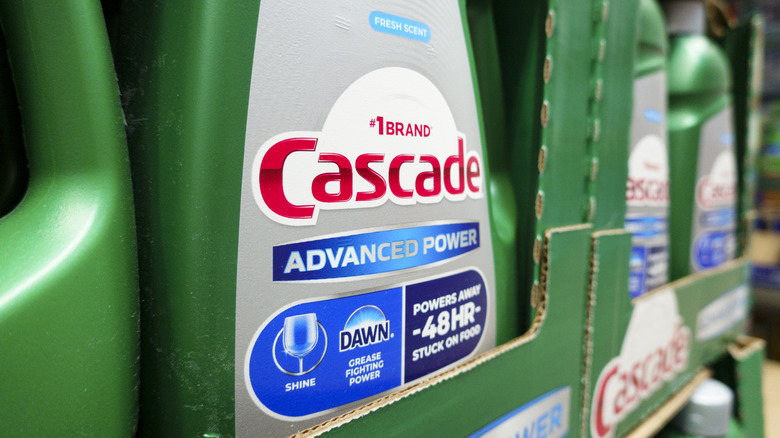
It probably sounds counterintuitive, as most people think that using more soap is better and makes the dishes cleaner. However, modern dishwashers are incredibly efficient and designed to work with a regular amount of soap. When you overload the dispenser, that extra detergent doesn't rinse away completely, especially in soft water, as it can be more potent in those conditions. The surplus swirls around during the cycle, leaving behind microscopic traces that dry into a cloudy haze, which is especially noticeable on transparent glassware.
Over time, these deposits build layers, dulling the glassware's sparkle and making it look worn before its time. Pre-rinsing your dirty glasses before loading them into the dishwasher can also cause the cloudiness. The machine and detergent are built to take care of the dirtiness, so prewashing the glassware first can potentially cause etching. So, the next time you run a cycle, avoid rinsing and cut your usual amount of detergent in half to see a difference in the glasses' clarity. It should take little to no time before your glassware recovers its shine.
Vinegar is a simple fix for cloud-free glass
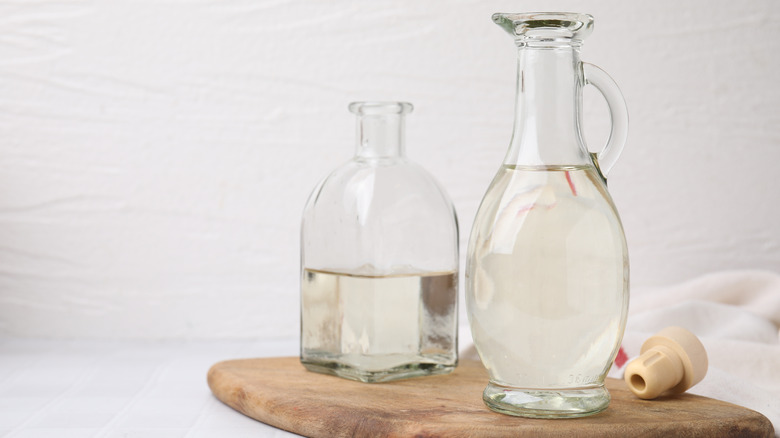
To prevent cloudy glasses in the future, consider running a vinegar rinse through your dishwasher once in a while to remove any existing soap buildup. Just pour a cup of white vinegar into a dishwasher-safe container and place it on the top rack, then run a normal cycle without detergent. This deep clean can help dissolve the detergent film on the machine's interior. You can also use this ingredient to clean cloudy glasses by rubbing them with a vinegar-soaked cloth.
However, vinegar won't get rid of etching on glasses, as etching is essentially permanent, tiny scratches that appear as cloudiness. There's really nothing you can do to revive the glassware, so take the prevention route in this case. Understand the type of water you're dealing with because most detergents are designed to interact with the minerals in hard water, which are less present in soft water. If you're using soft water, use less detergent.
Finally, if your dishwasher has an eco or quick-wash setting, try it. These cycles often use less water, which pairs well with reduced soap for a balanced clean. The combination of less detergent and occasional maintenance can restore clarity to your glasses and keep them that way.