

11 Types Of Food You Should Think Twice Before Ordering From Amazon
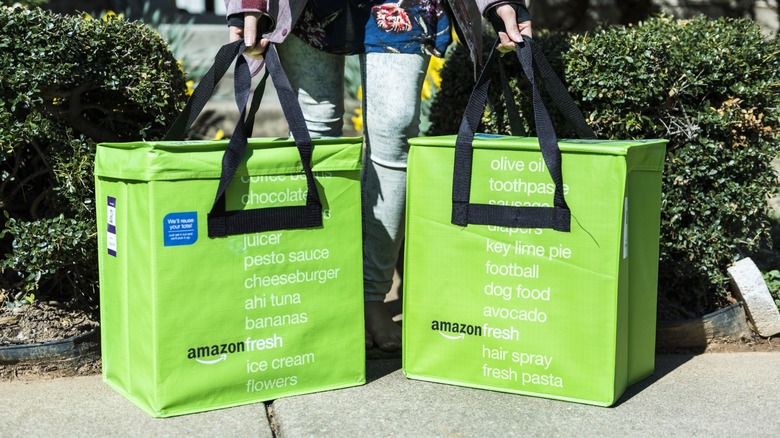
Over the years, Amazon has been learning the ropes of the grocery biz. Anyone remember the pretty spectacular Amazon Fresh fail that was the widely anticipated Just Walk Out technology? More recently, the news broke that Amazon would be closing its supermarkets and replacing them with the Whole Foods chain (another blow to the online outlet's food delivery initiative). Fast forward to today, and it seems like Amazon is still trying to get its stuff together in the grocery delivery arena.
That doesn't mean you can't find food on Amazon. You absolutely can, and the selection can be downright dizzying (cupboard staples, snacks, refrigerated groceries, frozen fare, meats, produce, even a bevy or two can all show up in search results, often with an astounding array of options). The real question, however, is whether everything that can be shipped should actually be shipped.
Food is just not the same as the standard Amazon loot. Some things are perfectly fine sitting in a box or warehouse for a bit. But others? That lot are considerably less forgiving. Freshness, temps, shelf life, packaging, and the simple matter of knowing exactly when something was packed can make a huge difference in the quality of product that eventually lands on your front stoop. Let's take a gander at the types of food where ordering from Amazon may not be the safest bet.
1. Fresh dairy
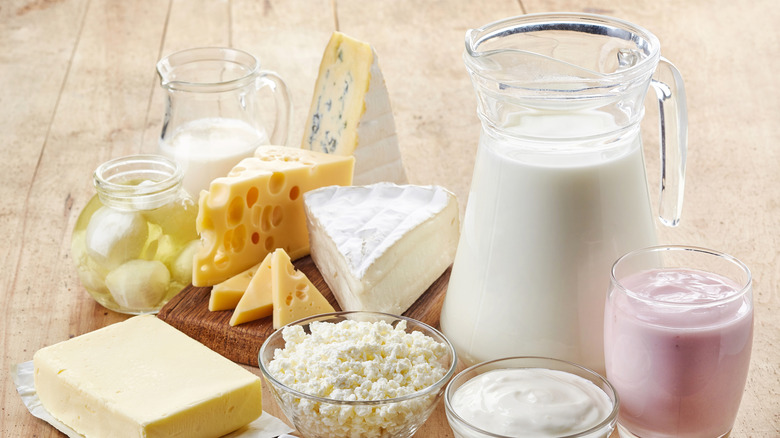
Dairy is one grocery category where keeping cool is a non-negotiable. That's not simply a matter of taste (let's face it, warm dairy products are disgusting!) Instead, it's a matter of health. Milk, yogurt, cream, soft cheeses, and butter can all be vulnerable when temps rise or deliveries take longer than expected.
Shipping guidance clearly understands this, with advice articles stressing how critical proper transportation is since dairy can support microbial growth when temp control slips. That makes online ordering with outlets like Amazon far trickier than reaching for milk from the fridge at your local grocer. With an in-person store run, you know the product has been kept cold, and you can take it directly home yourself. A shipped order has many more variables.
How long has it spent in transit? Or handling? Is there someone at your home ready the instant it arrives to immediately bring it inside? And, while packaging can help (dairy shipments may need insulation, coolants, even certain cushioning and packing to ensure products stay chilled and protected en route to you), once it arrives, a dairy-filled package sitting outside on a hot day is not the scenario anyone wants. And shoppers have plenty of anecdotes about this process going wrong, including reports of milk arriving warm or spoiled and butter-like products showing up melted. That doesn't mean every Amazon dairy order will go badly, but, it definitely illustrates how ordering one is quite the gamble.
2. Raw meats
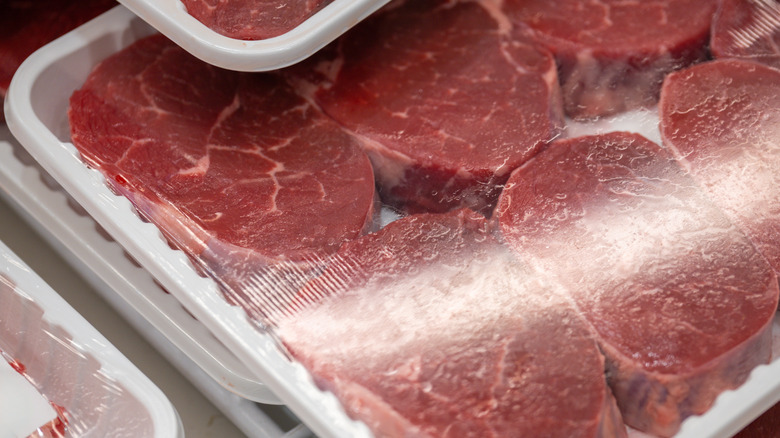
Raw meat is another category not worth messing around with when it comes to staying steady (we're talking about temps here). Beef, chicken, pork and the like are all classified as what experts term high-risk foods because they can spoil rapidly and may harbor harmful pathogens. That's where that cool factor comes in, because keeping them adequately chilled throughout the entire process is pivotal (from storage to transportation, and right to that vacant space in your fridge).
A trip to the market gives you at least some control over that final stretch, where you can select the package, then take your meat home immediately to pop it right into that fridge or freezer. An online order from Amazon? That adds waiting and transportation to the already iffy equation. Think about it: A package can spend time being picked, packed, loaded, driven around, only to be left outside before anyone brings it indoors (much less gets that bad boy in the Frigidaire).
That exact concern shows up often online, with Amazon shoppers describing receiving chicken or other perishable proteins after lengthy delivery windows (understandably resulting in much doubt regarding safety). Others say orders were not transported in refrigerated vehicles or adequately insulated packaging. One customer even reported meat sitting unrefrigerated for hours. Experiences vary, but the underlying issue remains consistent (you cannot personally monitor the temperature while your order is making its way to you). For foods this perishable, that control just may be worth keeping.
3. Frozen treats
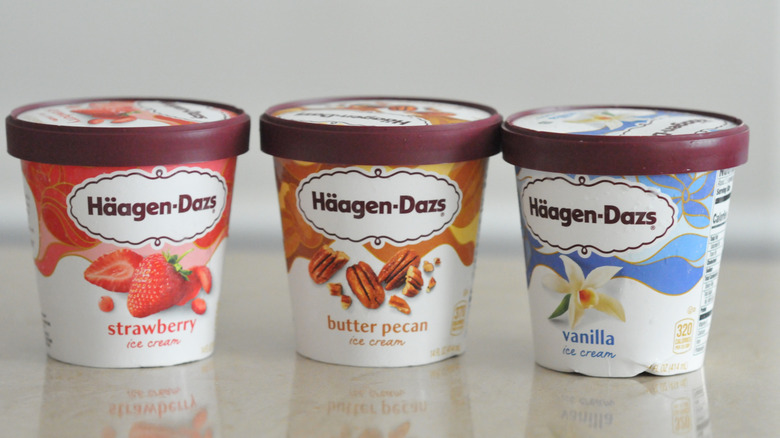
Then there are the frozen treats among the Amazon food fare (ice cream being perhaps the most temperamental among them). Amazon Fresh shoppers come out of the woodwork in droves with this one, describing frozen foods arriving in all manner of dissaray. From partially thawed products to completely liquid affairs, and even items that have obviously thawed somewhere en route, only to then be refrozen into an icy mess upon reception. Ice cream, frozen dinners, and other freezer items have all appeared in these customer complaints.
The Amazon trouble with frozen treats seems to stem largely from a lack of consistency. Some customers say frozen orders arrived packed in insulated bags and managed to stay solid. Others, however, report receiving frozen items in ordinary bags, insulated bags without a cold pack, or packaging that simply failed to keep the contents frozen long enough. One shopper even reported ice cream arriving entirely liquid after being among the last stops on a clearly too-long delivery route.
Weather can make the problem even worse. Warm temperatures, longer routes, busy delivery periods, and distance from the warehouse can all affect how frozen food fares. Even when the item eventually makes it back into a freezer, melting and refreezing can change its texture, leaving ice cream grainy or freezer-burned rather than the desired creamy concoction craved. That does not mean every frozen Amazon order is doomed. But, every order does risk a melt-down.
4. Canned goods
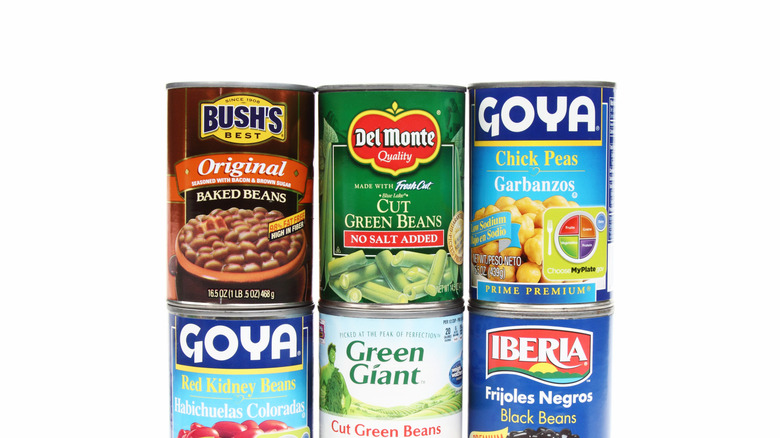
Most of us have been there at one point in time: That moment when you are gazing down at your battered canned good and asking yourself, "When should I throw away a dented can of food?" It's a valid question, and one constantly cropping up, especially when that Amazon delivery brings those aluminum-bundled beauties to the door in badly banged-up form.
It's a shame too, since canned foods seems like they would be ideal for online Amazon shopping (shelf-stable, needs no refrigeration). The sticking point is that cans are also prone to denting, puncturing, or busting apart when bounced, stacked, dropped, or knocked around on the delivery journey. While a tiny dent is not normally a cause for real concern, food-safety guidance clearly distinguish harmless cosmetic damage from actual dents that can compromise the container (thus threatening consumers´ health). For instance, shallow dents occurring away from seams are less concerning, but those that are deeper, particularly around the top, bottom, or rim? Those are problematic, as these are areas that help maintain the can's protective seal. If that seal is compromised, microorganisms can potentially enter, which is a serious threat.
Amazon shoppers have posted photos featuring severely battered cans. One customer reported an entire shipment of canned goods arriving dented (and useless), while another described cans packed already damaged. Those stories do not mean every canned Amazon delivery arrives in bad shape, but they do reveal the possible pitfall of having these products delivered.
5. Glass jars
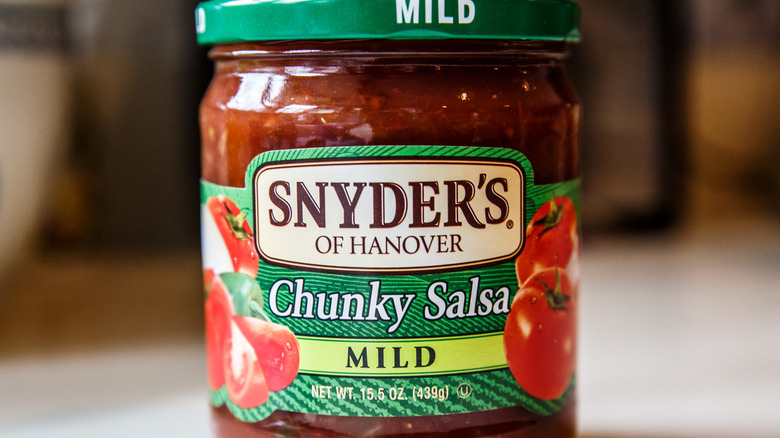
While glass jars make a perfectly sensible container in the relatively safe confines of grocery shelves, their sensitive natures quickly reveal themselves when placed inside an Amazon delivery container. Pasta sauce, pickles, and other glass-jarred foods are heavy, breakable, and not especially forgiving when a package gets tossed around.
Amazon customers have shared stories of jars arriving cracked or shattered, sometimes turning an entire delivery into a sticky scenario requiring quite the cleanup. One shopper described glass bottles breaking inside a box that had barely any protective material, while an Amazon driver reported allegedly experiencing the warehouse packing multiple large glass vinegar jugs with only a thin layer of bubble wrap. Needless to say, several broke.
The damage does not always stop with the glass item itself. A shattered jar can leak onto nearby groceries it came packed alongside, or worse, contaminate the packaging. It can even leave sharp fragments throughout the box that can pose risks to recipients. One customer reported a broken bottle of tomato sauce spilling glass and sauce across the contents of a delivery, while another said a glass jar showed up broken after the protective packaging that used to come included disappeared. The obvious solution is better packing. Proper cushioning can reduce the chance of breakage, but the problem is shoppers do not get to choose how carefully their Amazon order is packed. Alas, until Amazon fixes its fulfillment, shoppers are left praying their Amazing order doesn't splinter into shrapnel.
6. Fragile snacks
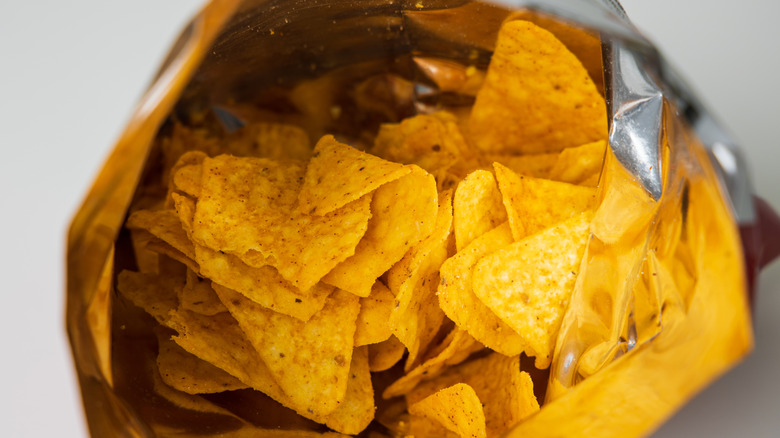
Now, while we have shared how there are some pretty ingenious ways to repurpose potato chip crumbs into yummy creations, most would agree when we order a bag of chips, we'd prefer the pieces to arrive intact. There is nothing quite like breaking into a newly arrived box of our fave snacks, fully expecting a tasty treat, only to discover with a sunken heart that your chips, cookies, or whatever wonder you'd been greatly anticipating devouring has been reduced to utter crumbs.
While fragile groceries have been known to take a beating during deliveries (particularly when lighter packages end up beneath heavier items or spend the trip getting jostled around), when those instances it actually happen to you? Unacceptable. Devastating. Downright diabolical.
Amazon shoppers have posted photos and shared descriptions of boxes arriving with broken crackers, smashed cookies, and inner bags that burst inside the outer package. One shopper described receiving cookies in a plain paper bag with no meaningful protection, resulting in a delivery that was mostly crumbled morsels. Similar complaints turn up around the simple issue of packaging, leaving one to wonder why a can of soup might receive cushioning, while our dainty snacks are left to fight for their life. And, while a couple of crushed chips are understandably no food-safety emergency, they can really shatter your snacking spirits.
7. Short-shelf-life bakery items
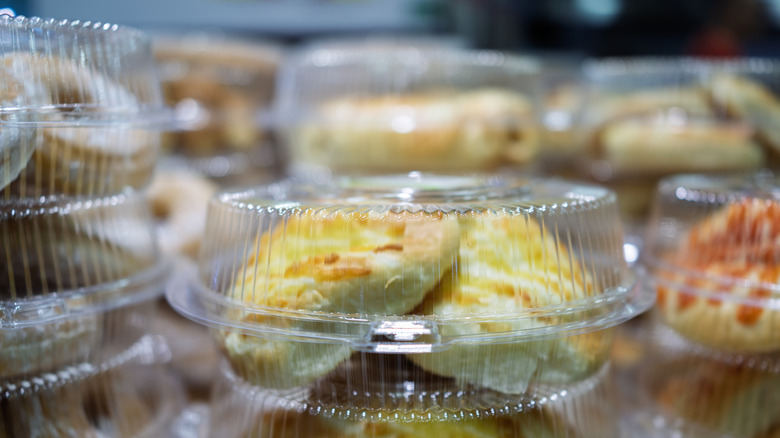
For years now, there have been rumors persisting regarding Amazon selling expired food and groceries. For fresh bread and bakery goods, the clock is already ticking when you buy them. That makes these products particularly frustrating to order online, because you may not know how much of their viable shelf life has already ticked by before the package even reaches you.
Amazon has faced recurring customer complaints over items arriving too close to best-by or use-by dates, with bakery items among the products most inconsistent. One customer described receiving bread that was moldy in the center despite the printed date still showing as valid. Others claim groceries sometimes arrive fresh, but sometimes show up stale, old, or just-a-razor-edge-away from expiry.
Storage conditions matter, too. A bread loaf or pastry might technically be within its date range while already showing signs of deterioration if improperly stored or transferred (poor texture was a common occurrence leading to customer ire). One shopper reported receiving muesli with a future expiration date that nevertheless tasted quite stale, which points to the larger issue of the date printed on the package not necessarily telling you about how the items was handled beforehand. Customers also describe receiving grocery items with mere days left before the listed date, leading some to suspect that older inventory is being shipped rather than the fresher packages a shopper might select in person. Any of these instances? Call it a (Amazon) prime example of a stale mate.
8. Bulk dry goods
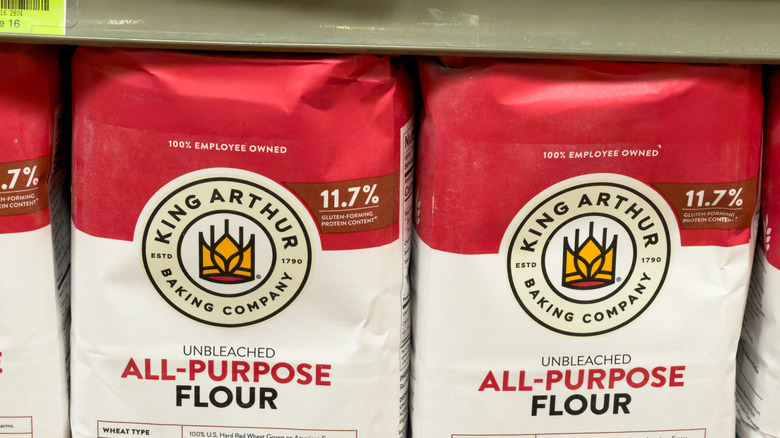
Bulk dry goods are the type of shelf-stable pantry mainstays that seem pretty perfect on paper for any delivery. That is, until you open the parcel and discover your flour has fled (or in some cases, more like fire-worked out in a baking-grade confetti explosion). Dried goods, like bags of flour, rice, and grains, are often heavy and pretty delicately packaged, leaving them vulnerable to splitting open during delivery.
Amazon shoppers have shared pictures of flour shipments arriving with bags blown open, leaving a white powder coating all over the other groceries alongside. One shopper described receiving flour in a flimsy box with too much empty space, allowing the bag to shift around during transit. Another said repeated attempts to order flour through Amazon ended with the same result and swore off ordering it again.
The annoyance and inconvenience factors alone of this scenario are enough to send recipients into (justified) rants. But, looking past the getting your panties-in-a-bunch cleanup project, damaged packaging of dried goods can also expose contents (which means possible contamination). This also is a concern with storage, where products spending too long in unsuitable warehouse conditions can be susceptible to pantry pests, such as weevils. One Amazon customer reported receiving rice containing maggots, turning a cupboard basics replenishing into what feels more like a creepy, crawly horror flick.
9. Chocolates and candies
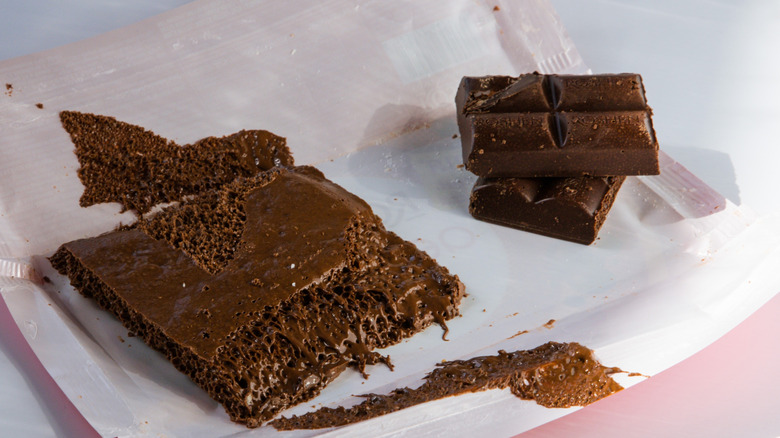
Now, the conversation turns to chocolate, which is a food item with one glaringly inconvenient characteristic (especially when it comes to online shopping). Two simple words say it all: It melts. While that may seem quite obvious, shoppers keep stubbornly insisting on learning this lesson the hard way (specifically when their cocoa candy ordered from Amazon arrives not in the form of the fantastic treats they've been dreaming about, but more of a sad chocolate soup, or sweet splintered debris).
Proof of this abysmal reality? Amazon customers have shared pictures of chocolates arriving absolutely liquefied. One shopper ordered chocolate products and received individually wrapped pieces that had effectively become mini chocolate bevvies. Another learned the hard way after ordering cream drops during the heat of the summer (they arrived melted beyond rescue).
Ill-controlled temperature is the clear offender. And, as chocolate is anything but hearty, it melts at the snap of a finger even when the conditions are not toasty, like the tropics. That means everything from a delivery truck to a warehouse, or even a sunny porch stoop can get far too warm for its dainty cocoa constitution. And, while some Amazon shoppers say orders have arrived fine in insulated packaging, others report that protective materials or cold packs appear inconsistently (as in, not at all).
10. Fresh produce
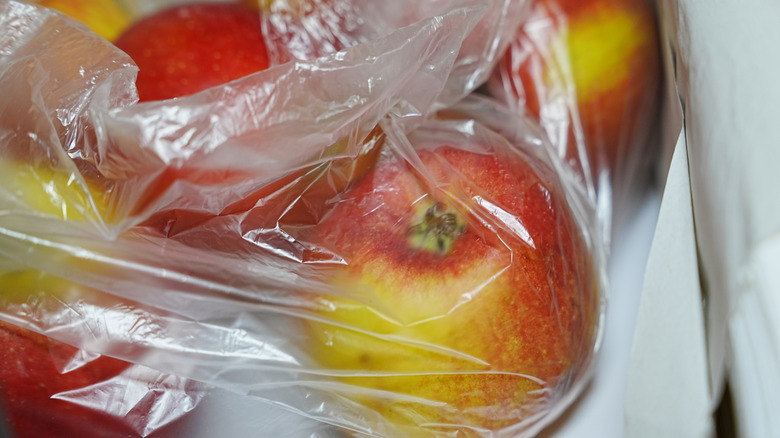
Oh, the predicament of produce. Now, this one is where online grocery shopping asks shoppers to surrender something they normally take for granted, which is the ability to inspect the goods before buying. With fresh foods, like fruits and veggies, having that chance to survey the outer appearance can tell you plenty pre-purchase.
Amazon Fresh customers have described deliveries containing overripe bananas, mold-riddled grapes, shockingly soft raspberries, even wrinkled mangoes and wilted lettuce leaves. To add to this sacrilege, images were shared of strawberries being delivered in rough shape (let's just say fur has no business on berries). One shopper reported vegetables arriving with only a day left before expiration, while the quite-brown bananas they purchased in that same order looked unlikely to last even that long. Another consumer shared the disappointed observation that produce quality had become noticeably worse with Amazon delivery than it used to be. The frustration is understandable.
When you shop in person, you can reject the bruised avocado, choose the firmest berries, and put back that sad-looking lettuce. Placing an order online means someone else is making those decisions for you. One person identifying themselves as an Amazon Fresh employee even claimed workers packing groceries did not routinely check produce quality or dates ... like at all. Since produce quality can deteriorate quickly (particularly when spending lengthy amounts of time waiting for delivery), it's no real surprise that customers report receiving items past their prime.
11. Whole bean coffee
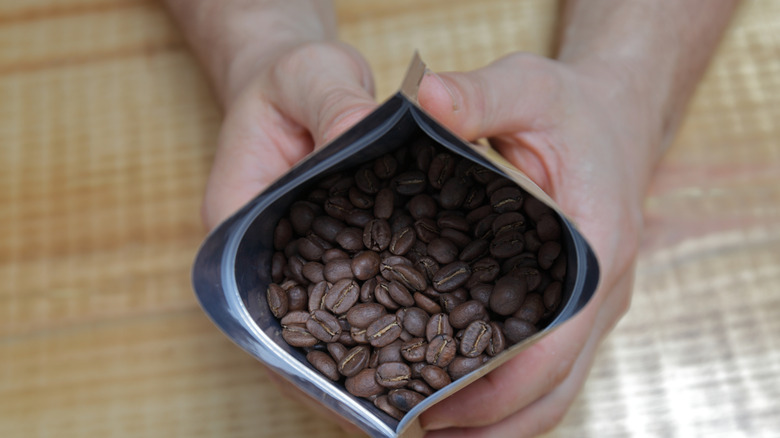
Whole bean coffee is a grocery category where quite the chaos exists between the contents arriving technically okay and tasting actually good. And, when you are spending bank on beans (coffee is getting pricey these days, right?), you expect them to show up armed to actually cure your morning crankiness, not add to it. The fact is that coffee beans are at their most primo state when reasonably fresh, yet Amazon shoppers going online can have a hard time knowing just how long a bag of beans has been sitting around before it reaches them.
Amazon customers have reported receiving beans that were months old, including one shopper who said their coffee was more than a year past its roast date. Others describe bags that don't even have clear roast dates, making freshness impossible to predict pre-opening. Improper packaging is another headache, with shoppers reporting coffee bags arriving without protective layers, exposing the beans to rain and other elements. One customer even described beans arriving soaked after a storm.
Freshness matters here, because coffee quality changes after roasting. Beans are known to lose aromas and flavors over time. This means that storage conditions also matter, where heat, moisture, oxygen, and light can all really degrade quality. The consensus among most shoppers is that finding a local roaster or coffee shop to fulfill bean needs provides a much better chance of success.