

12 Ways To Use A Chuck Roast Without Making Pot Roast
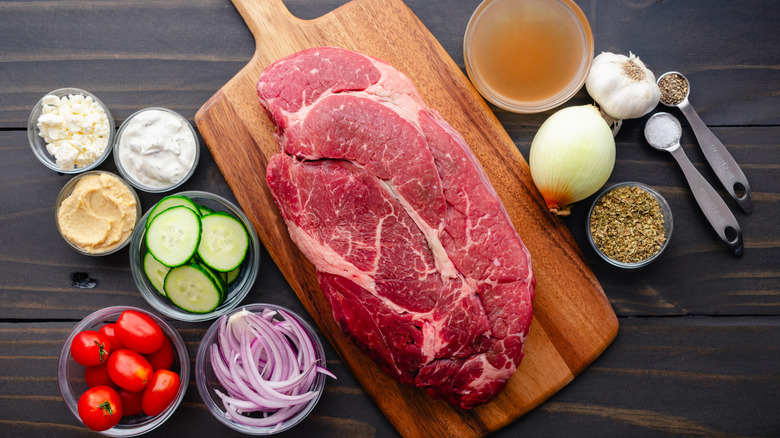
It wouldn't be surprising if the only thing that comes to mind when chuck roast is mentioned is a pot roast, simmered for hours with carrots and potatoes until it falls apart. And, while this reputation is well-earned, it's also incomplete. This cut, in actuality, is one of the most versatile pieces of beef, and it's time home cooks start appreciating it for the versatility it brings to the table.
To find out just how far chuck roast can go, we asked a panel of experts to weigh in. Katie Flannery, who joined her family's business, Flannery Beef, brings a butcher's eye for what makes this cut work. Rena Awada, founder of Healthy Fitness Meals and a certified nutrition coach, offers us a busy parent's perspective on stretching one roast across a week of meals. Chef Patrick Rebholz, who oversees the kitchens at Yardbird Southern Table & Bar, shows us just how far this humble cut can be pushed. And, Kristina and Jason Walker of StarWalker Organic Farms, third-generation ranchers behind the country's first Regenerative Organic Certified beef, spoke to us about what makes a well-raised chuck roast worth cooking well in the first place. What follows are 12 ways to use chuck roast that have nothing to do with plate of roast meat and veggies.
Birria
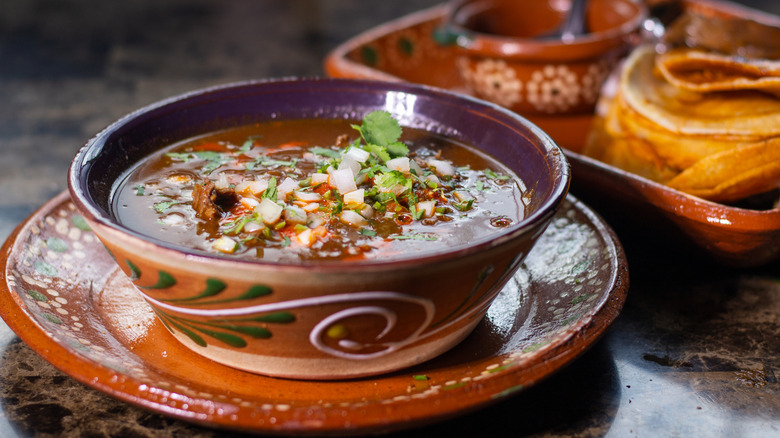
"Birria. Full stop," says Katie Flannery and she's joined by our other experts who feel the same way, as well. They unanimously agree that birria (a Mexican meat stew rich in spices and flavor) and chuck roast make for a perfect pairing. Katie Flannery explains that this is due to the the cut's high collagen content. As the chuck roast braises slowly, that collagen breaks down and results in deeply flavored, fork-tender meat. To make things even better, the braising liquid transforms into a rich consommé along the way. For Flannery, the perfect meal is a tortilla dipped in the fat that rises to the top and then filled with the shredded beef, and finished with cilantro, onion, and lime.
Chef Patrick Rebholz agrees that birria is proof of "turning a humble cut into something unforgettable." Rena Awada calls the chuck roast's transformation into birria-style beef something she wishes more people understood. Cooked in chiles, spices, and broth, she says, it becomes tender, rich, and full of flavor. What she loves most is the contrast: An inexpensive, familiar cut that ends up tasting like something special.
Ragù
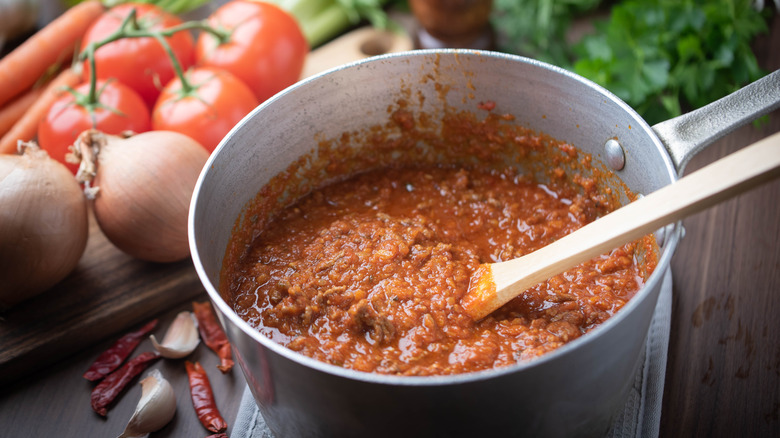
If birria takes you south of the border, our experts explain how ragù shows what happens when the same principle heads to Italy. Katie Flannery points out that when people picture a rich, meaty pasta sauce, more often than not, short rib usually comes to mind first. And, while short ribs are an excellent choice, she says, "chuck is what Italian home cooks have been using forever." Cook the meat low and slow in red wine, crushed tomatoes, and a sofrito (which by the way is not the same as salsa), until the roast falls apart into the sauce. Toss it with pappardelle, finish with a good handful of Parmigiano Reggiano, and you've got something extra special for a weekday dinner.
Rena Awada goes so far to say that shredded chuck roast does the job better than other cuts. Most people assume ragù calls for ground beef, but according to her, "A chuck roast will break down to create an extremely rich and smooth sauce which would be difficult to find in many restaurants." Both experts agree that it's time and moisture that work in tandem to break down the collagen in the roast until it essentially becomes the sauce, not just a component of it.
Chuck-eye steak
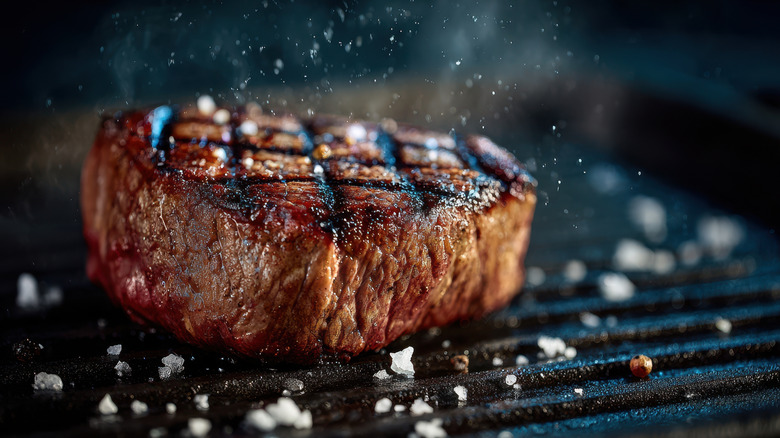
Now you might think that chuck roast is best left for dishes that require hours of cooking (and patience), but Chef Patrick Rebholz is here to change your mind. Tucked right next to the ribeye is a cut most home cooks have never heard of: The chuck eye steak. Chef Rebholz calls it "one of beef's best-kept secrets," and the location on the animal explains why. The chuck eye is the very first steak cut from the chuck, sitting directly adjacent to the ribeye, which means it shares a lot of that same marbling and flavor. Which also means it shares all the positive parts of the ribeye at a lesser cost. Rebholz cooks his in a cast iron skillet with butter, garlic, and thyme, and he's so confident about the results that he goes as far as to say that when prepared this way, this humble cut will make you question why you spent twice as much on a ribeye.
It's also chef Rebholz's answer for anyone looking for a delicious meal, but is short on time. Forget long, slow roasts, and ask for chuck eye steaks instead. They're ready in minutes, packed with beefy flavor, and marbled enough to hold their own. Just remember: High heat, a hot pan, and a few minutes are all it takes.
Holiday roast
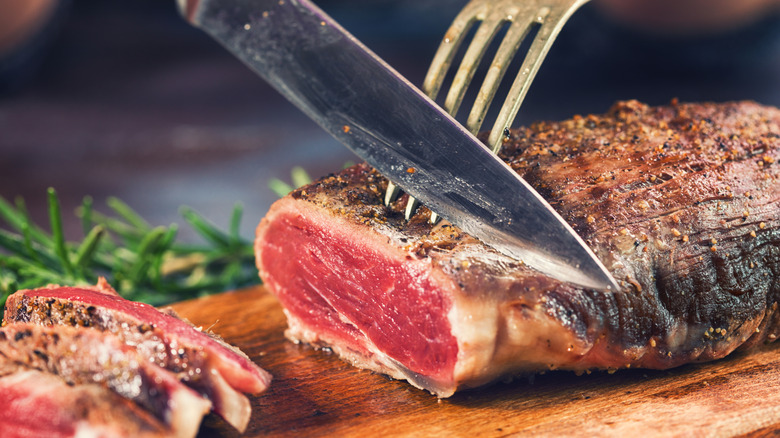
Holiday roasts usually involve a pricey cut of prime rib, but chef Patrick Rebholz has a different answer. For him, look toward the chuck roast sitting in the butcher case for a fraction of the price instead. Now, he cautions, while his method might take some commitment, the payoff is still worth it. If you are an adventurous cook who loves your gadgets, chef Rebholz's method is going to tick all your boxes. He seasons the chuck roast, then vacuum seals it with roasted bone marrow, an herb compound butter, garlic, rosemary, and thyme. From there it goes into a sous vide bath for 48 hours (which is not as complicated as it sounds) before getting finished over high heat to build a crust. When served sliced thick with horseradish cream or maybe a rich demi-glace, he swears, "most guests swear they're eating a holiday rib roast."
Chuck roast is full of connective tissue that needs time and moisture to break down, and 48 hours in a sous vide bath gives it exactly that. The bone marrow and compound butter, on the other hand, add that unctuous richness that helps close the gap with a naturally fattier cut, like prime rib.
Pulled beef sandwiches
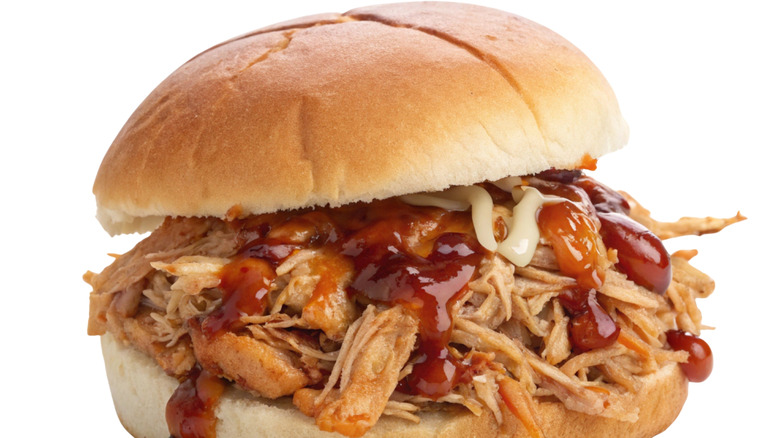
Beef sandwiches are a many splendored thing. While most may reach for brisket to create their best loaded creations, Katie Flannery would rather opt for a chuck roast. The cut, for her, is more forgiving, less expensive, and pretty much made for a long cook. Once braised and cooked till tender, it shreds like a dream, which is exactly what a good pulled beef sandwich needs. Flannery doesn't stop at a simple pulled beef sandwich either. She's a big fan of the French dip using the broth left behind after braising. "The broth from a braised chuck roast is something people rarely think to use, but it's basically a ready-made beef stock," she says. Pile the beef into your bread roll and serve with that same braising liquid for dipping.
Chef Patrick Rebholz prefers slicing the roast thin instead of shredding it. He's a fan of a straightforward roast beef sandwich made from thinly sliced chuck but makes it a Southern-style version by serving it chilled alongside pickled vegetables, fresh herbs, and a mustard vinaigrette.
Quick-cook cubed steak
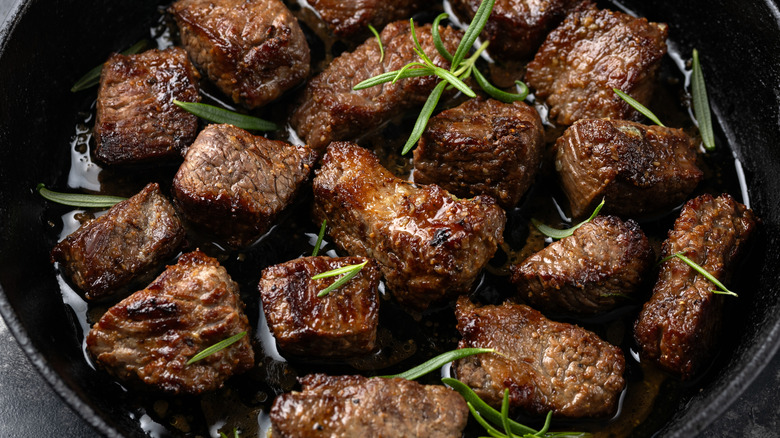
Chuck roast has a reputation for long cooking time but there are tricks to simplifying the process. Katie Flannery encourages a change of shape instead of switching the cooking method. Cutting the roast into smaller pieces, roughly two-inch cubes, cuts braise time roughly in half she says. This also maintains the tenderness along with the intense flavor.
Kristina and Jason Walker cut their chuck roast into smaller cubes and cook it in a pressure cooker — an easy way to get the texture you desire in half the amount of time. In about an hour, they say, "you get incredibly tender beef that's perfect for tacos, rice bowls, soups, or salads throughout the week," making it as much a meal-prep strategy as a time-saver. Rena Awada takes the same cubing idea and applies it directly to a weeknight dinner. When she's pressed for time, she chops chuck into bite-sized chunks specifically to speed up cooking, then builds beef bowls with the cubes served over rice and vegetables with a simple sauce. Chef Patrick Rebholz goes a different route with the same goal, slicing rather than cubing and of course, his preferred method is cooking with a cast iron, plenty of butter, and frequent basting. What ties all these approaches together is lessening the size and surface area of the cut, and thus speeding up cooking without sacrificing tenderness.
Appetizers
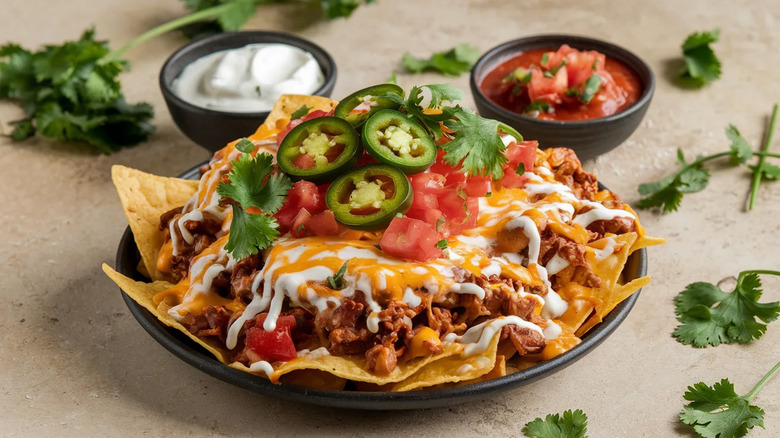
Chuck roast is not restricted to your main course either. Once it's braised and shredded, several experts treat it as a building block for smaller bites and leftovers instead. Rena Awada focuses on using shredded chuck as a topping using it piled onto loaded baked sweet potatoes, nachos, or scattering it over grain bowls. Paired with vegetables, beans, or avocado and a fresh slaw, she says the richness of the beef adds flavor without needing to dominate the plate.
Katie Flannery turns shredded chuck into mini sliders on a sweet roll or rolling it into mini taquitos to fry or bake. She also uses it as a filling once the heavy lifting is done, folding braised, shredded chuck into dumplings or empanadas. As she puts it, once it's braised and shredded, "it's really just a very good ingredient waiting for its next job." Chef Patrick Rebholz takes the same leftover mindset in a Southern direction. Shredded chuck roast folded into biscuits with pepper gravy, tucked into a breakfast hash with crispy potatoes, or piled onto a sandwich with house-made pickles are all regulars in his house. Ideally, a single batch of chuck roast can stretch across sliders, tacos, biscuits, nachos, and grain bowls over the course of a week, making it one of the more efficient cuts to keep handy.
Korean braises, curries, and bourguignon
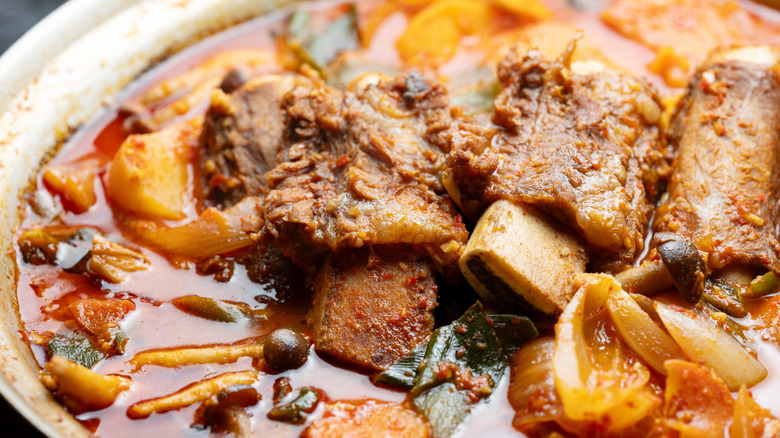
The chuck roast has a great advantage over several other cuts of beef and that is its ability to soak up bold flavors. As a result, this makes it a natural fit for a range of international dishes. Rena Awada shows a keen preference toward Korean cuisine and loves to experiment with galbi jjim, a Korean beef dish built around soy sauce, garlic, and ginger. Lisa Strangis is a fan of Korean stews as well, but her favorite dish for chuck roast is yukgaejang, a spicy beef soup where chuck is boiled and shredded into a simmering pot with scallions, vegetables, soy sauce, and Korean hot pepper flakes. Strangis also says that Thai cooking, specifically a Massaman curry is a great starting point when trying out more exotic recipes. Use a store-bought curry paste to accentuate the beef cubes, and simmer with coconut milk, peanuts, and potatoes for a flavorful and rich meal.
Kristina and Jason Walker head to France instead, making the case for a luscious, slow-cooked beef bourguignon. For them, chuck roast is actually one of the best choices for this traditional French dish since the connective tissue "slowly breaks down into rich, silky flavor" over the course of the braise, resulting in something truly indulgent.
Smash burgers
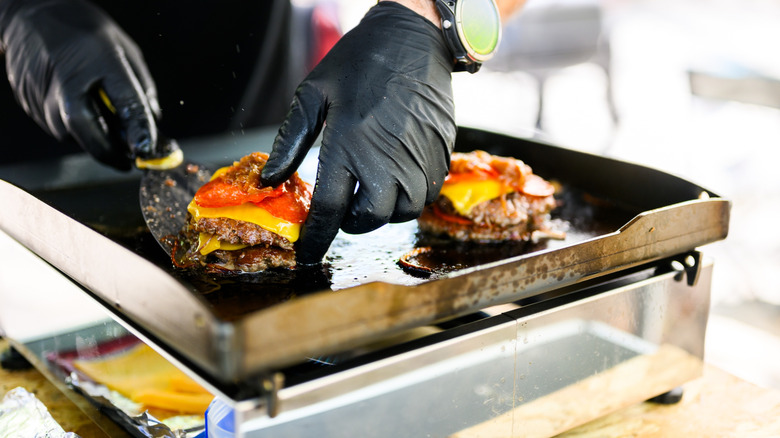
Kristina and Jason Walker want to change how people are making their burgers and for them this starts with using chuck roast. Grinding chuck roast at home makes one of the best burgers you'll ever eat, they assure us, and the reason comes down to fat content. Chuck "naturally has a great balance of lean meat and fat," which is the same ratio ground beef blends are often engineered to hit after the fact. Here, it's already built in. This is why using chuck for smash burgers (and the like) delivers incredible flavor without breaking the bank.
There are several tricks to mastering the perfect smash burger. When chuck roast is ground fresh and formed into thin patties, it lends itself beautifully to the iconic "smash" on a well-seasoned, hot skillet. This helps the fat render quickly and creates that delicious crisp and caramelized crust — the very definition of a great smash burger. In chef Patrick Rebholz's kitchen, too, the same fatty bits of chuck roast get blended straight into burger grinds rather than tossed. Both methods are proof that if you already have a chuck roast in the fridge and are craving a great burger, the good stuff doesn't have to come from a specialty grind. Sometimes it's already sitting right there.
Served cold
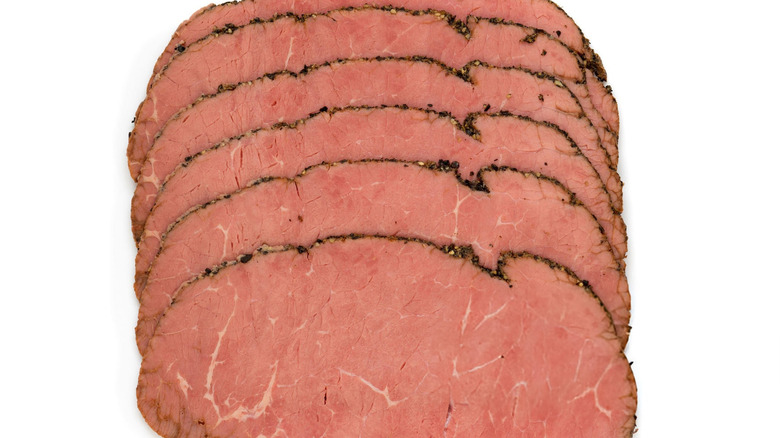
Ever thought of enjoying your chuck roast chilled? Once braised and sliced, chilled chuck roast turns into something quite sophisticated and even better, easy to pull together. Our experts each take this idea in a slightly different direction. Katie Flannery is a fan of slicing braised chuck thin once it's cold, straight from the fridge. She points out that the gelatin formed during cooking firms everything up as it chills, which means it slices cleanly and holds its shape. For her, the best way to enjoy these chilled beef slices is on toast with a little horseradish cream and greens, or with a bright salsa verde to cut the richness. As she puts it, it's essentially "a nicer, more interesting version of cold roast beef."
Rena Awada builds a full salad meal around the same idea. She tosses the cold chuck slices with crunchy greens, like lettuce or spinach, cucumber slices, chopped herbs, like parsley or chives, and a tangy vinaigrette. Chef Patrick Rebholz prefers thinly sliced chuck roast to make a chilled roast beef sandwich served alongside pickled vegetables, fresh herbs, and a mustard vinaigrette for a lunch with character. Kristina and Jason Walker lean on a bright and citrusy version where they serve it over greens with pickled onions, fresh herbs, olive oil, and a squeeze of lemon. They call the result "simple, refreshing, and surprisingly elegant." All great choices to experiment with next time you prefer not to turn your stove or oven on.
Sauce, stock, and gravy
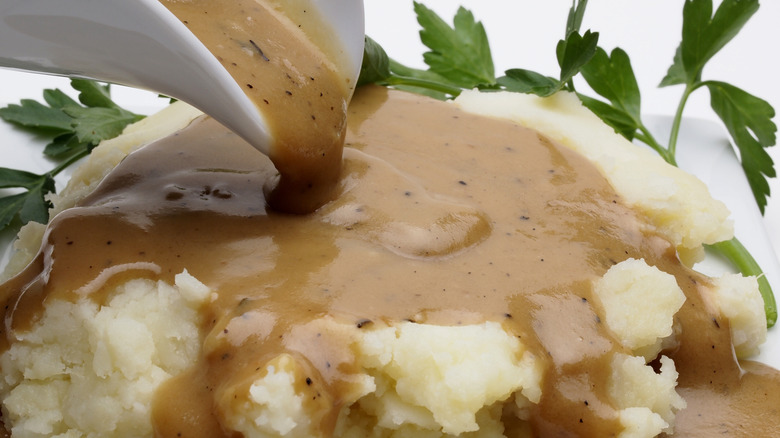
After a long braise, our experts are here to ensure that the meat isn't the only thing getting all the credit. For them, the liquid left behind is just as important. Katie Flannery calls the braising liquid the thing she's most protective of. After hours of cooking, it's picked up so much from the collagen in the beef that it turns thick and rich, gelling in the fridge overnight. She simply skims the fat off the top, reduces it further if it needs concentrating, and uses it as a dipping sauce.
Rena Awada instead saves the leftover braising liquid and uses it as a base for soup, stew, sauce, or gravy, treating it less like a byproduct and more like a foundational ingredient to build more complex dishes upon. Chef Patrick Rebholz agrees the liquid left behind deserves our attention, as well. He calls it "liquid gold" and describes a similar process to Katie Flannery's: Straining it, reducing it, and using it as the base for soups, gravies, or sauces. He extends the same philosophy to using chuck roast trimmings too, turning them into stock or blending them into burger grinds. For him, it comes down to a broader principle in the kitchen: "Respecting the whole ingredient is part of being a chef."
Beef jerky
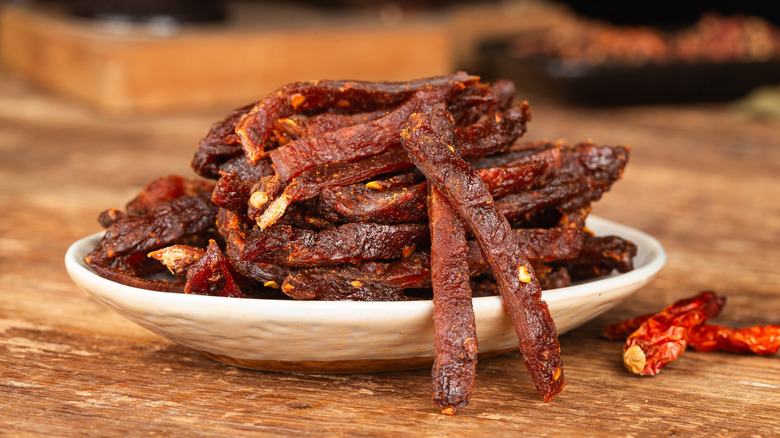
Chuck roast doesn't often come up in conversations about jerky, but Kristina and Jason Walker think that's a missed opportunity. Chuck, they explain, "can make an incredibly flavorful jerky with just the right amount of richness when it's trimmed well and sliced properly." The key, they say, is in the prep. It's imperative to trim away all the excess fat so the jerky dries evenly. Once dried, it needs to be sliced thinly and usually against the grain, so it dehydrates properly without turning tough.
Where birria, ragù, and Korean braises all lean on chuck's collagen and marbling to build something rich and saucy, jerky, in fact, asks the opposite of the cut. Instead of breaking the meat down, jerky strips all moisture out entirely. The thin slices are then left to dry long and slow to concentrate flavor rather than tenderize. For anyone who already owns a dehydrator, or is ready to play around with a low oven, here's a way to use chuck roast outside the usual rotation of braises and roast dishes, this is a genuinely different direction worth experimenting with. It also makes a great case in favor of how one versatile cut can stretch, from a holiday centerpiece roast to a batch of jerky that lasts for weeks in a pantry.