

For Flavorful, Perfectly Caramelized Pork Chops, Reach For This Popular Soda
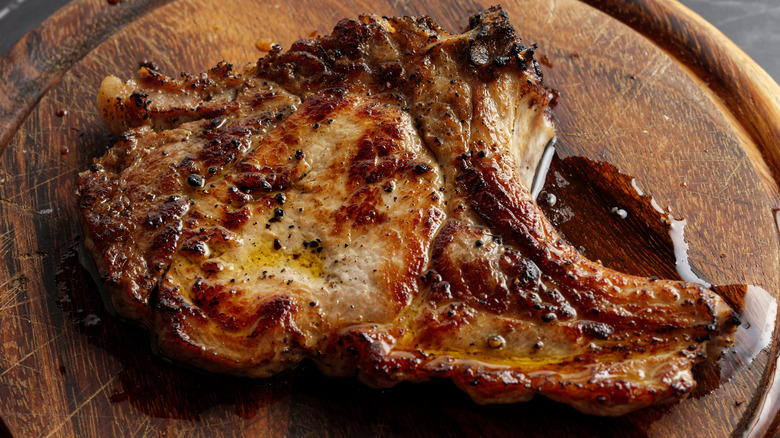
Some foodies would be aghast at the idea of shopping in the soda aisle for a meat marinade. But they're missing out. Soda marinades are nothing new: Coca-Cola and Pepsi are tried-and-true Southern barbecue staples, and sugary sodas are popular marinades in Korea and the Philippines, too. The Takeout spoke to Steve Sabicer, the butcher-shop-owner-turned-food-writer behind Enlightened Omnivore, to learn why he marinates pork chops in Dr Pepper.
"Dr Pepper actually works surprisingly well as a pork marinade because it hits several important notes at once: sweetness, acidity, spice, and caramelization potential," says Sabicer. "Pork naturally pairs well with sweet flavors, which is why things like apples, maple, and brown sugar show up so often in pork marinades."
The soda, Sabicer says, adds something special. "Pork naturally pairs well with sweet flavors," he says. Think honey glazed hams, pork tenderloins baked with apples, and candied bacon. "Dr Pepper brings that sweetness, but also layers in warm spice notes like cherry, vanilla, and baking spice that complement pork exceptionally well," he explains.
You don't have to stop at Dr Pepper. Root beer is another sugary soda that belongs on your pork chops, as are Coke or Pepsi. The deep, caramelized flavor of these beverages will complement the rich taste of red meat better than, say, Sprite. That said, citrusy sodas make for excellent marinades in their own right. An orange soda marinade creates sweet, flavorful, food-court-style orange chicken.
The science behind Dr Pepper meat marinades
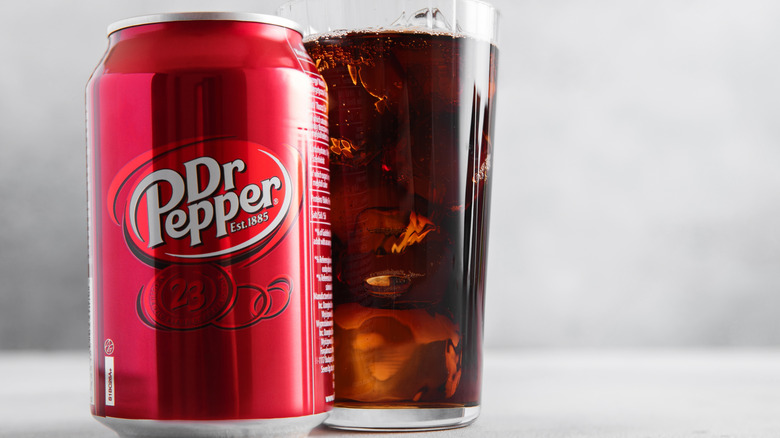
Still skeptical? Science is on the side of soda marinades. You might've heard that baking soda belongs in your meat marinades. But soda will work, too. Many sodas, including Dr Pepper, contain an additive called phosphoric acid. It acts as a preservative and gives soda a slightly acidic bite, but it's also one reason why Dr Pepper makes an excellent meat marinade. Phosphoric acid helps to break down connective tissue in meat, making it easier to chew and digest. Sugar helps tenderize, too.
The tenderizing effect is minimal, though. "[Soda marinades] won't dramatically transform a tough cut into a tender one," says Steve Sabicer. "Pork chops are already relatively tender." The main benefit, he explains, is flavor. "The sugars in the soda help create a deeply caramelized crust during grilling or searing," he says. "It's less about turning the pork tender through chemistry and more about building complexity and color."
That said, chemistry plays an important role in building flavor, too, thanks to two chemical reactions: caramelization and the Maillard reaction, also known as browning. Both of these commonly-confused processes give food a brown color and a rich, complex flavor, but the flavor profiles are different and the reactions happen in different ways. Caramelization occurs when sugars break down under high heat, while the Maillard reaction involves both sugars and proteins. Sugary marinades encourage both reactions, giving meat an extra-complex flavor.
How to marinate meat in Dr Pepper
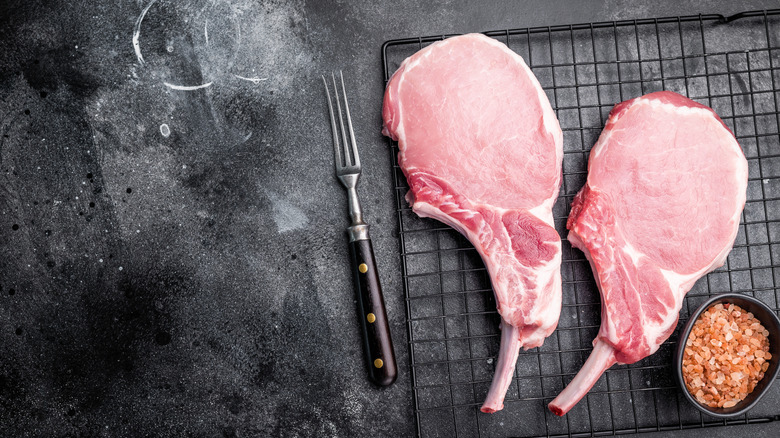
But how do you use Dr Pepper to turn the meat into a meal? Start by adding a little extra seasoning to your marinade. "A good approach is combining Dr Pepper with salt, garlic, a little soy sauce or Worcestershire for umami, black pepper, and perhaps a touch of vinegar or mustard," recommends Steve Sabicer. He suggests adding spices, too: "Garlic, smoked paprika, cumin, chipotle ... all pair naturally with Dr Pepper and pork."
From there, Sabicer advises that you season in layers, a pro-approved technique that involves adding different seasonings at different steps. Salty ingredients, he says, should be part of your marinade from the get-go. "But delicate ingredients — fresh herbs, finishing citrus, hot honey, or a glaze — are usually better added toward the end or after cooking so they stay bright and distinct," he explains.
When you're satisfied with your seasoning, let the soda-soaked pork chops marinate in the fridge. Sabicer recommends letting the pork chops marinate for four to 12 hours, depending on the thickness of the meat. "I wouldn't go much beyond 24 hours," he says.
Once the meat is fully marinated, pat it dry and cook the chops according to your preferred method. For Sabicer, that means grilling. "One of my favorite ways to use this approach is grilling the chops over live fire, then finishing with something acidic and fresh," he says, noting ingredients like lime juice. "The contrast helps balance the sweetness of the soda marinade."