

Fast Food From Medieval Times Makes A Big Mac Look Like A Gourmet Meal
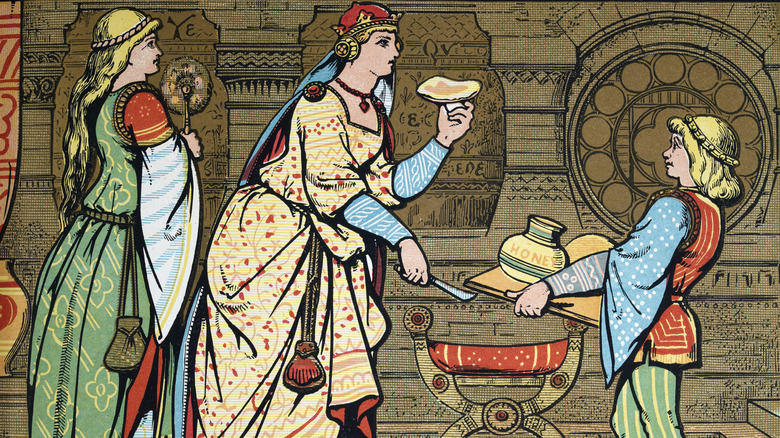
There's nothing quite as American as fast food ... or is there? As it turns out, fast food was already popular way back in Medieval Europe. Cookshops, as they were called, were often positioned on a single street, with proprietors singing out ads for their wares. Passersby would be able to grab a quick bite to go for a low fee. While this might sound like a modern fast food place in some ways, there were major, rather gross differences.
It probably goes without saying that the 13th century didn't exactly have the food safety standards that we have today. There were flies in shops, and the beer served was often more sanitary and plentiful than the water, even if certain medieval brews had folks hallucinating. Fast food was also mostly marketed to the common man or those in poverty. Many poor folks didn't have a way to cook food at home, so fast food was an everyday necessity. Cookshops knew this and took advantage by delivering substandard fare that gained them a seedy reputation.
Among the biggest problems was the fact that these fast-food eateries sometimes used spoiled or tainted meat. Old meat pies that didn't sell might be kept and re-heated days later, with no regard for whether the filling or crust had gone bad. On the other hand, food was sometimes undercooked, too. Even if the meat was fresh, sellers would pass off cheaper proteins, like beef in place of venison, so it really was mystery meat with potentially dangerous consequences.
Even if food didn't kill you, there were still quality problems
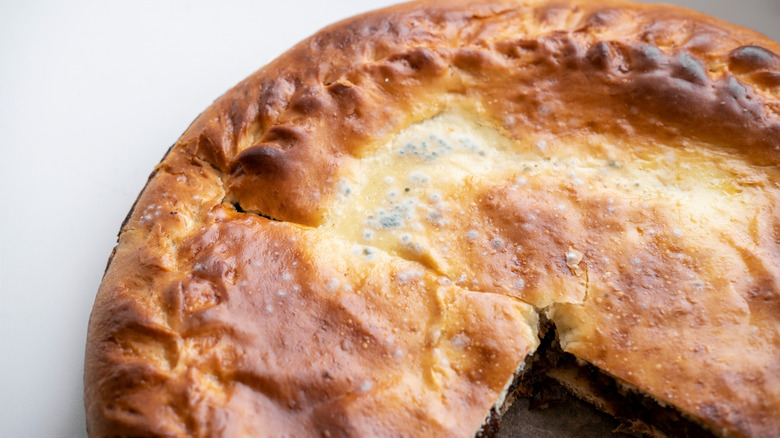
Medieval cities like York, England, tried to curb unsanitary and predatory cookshops with regulations that were punishable by fines, and there are records of indictments showing this. However, that still wasn't always enough incentive to keep cookshops clean, so patrons took matters into their own hands. If you wanted the ancient version of a Big Mac, you could often supply your own meat to ensure you knew what you were eating. A customer could bring in their protein of choice, then pay the baker to cook it into bread. There were also regulations preventing cookshops from raising prices on this, keeping the cost to under a penny.
Rather than this medieval form of a burger, you might order meat or stew in hollowed bread – though the stale crust served as more of a plate or bowl than a tasty add-on. One of the biggest fast food delicacies of the time, though, was the meat pie. These had a simple baked pastry crust wrapped around a meaty filling. Spices were used as a preservative for these medieval mincemeat pies. Yet like stew bowls, the pastries were meant to be sturdy holders, not the light and buttery crusts of today, and sometimes they weren't even edible.
It's also worth noting that this time gave rise to many modern-day delicacies. Cornish pasties, funnel cake, and even waffles all got their starts around this era. Even Panera owes its bread bowls to medieval fast food innovation. But if you had the choice between a medieval cookshop and a modern McDonald's, picking a current burger joint would be the tastier and safer option – even though modern spots have faced their fair share of unbelievable fast food scandals.