

This Burger Chain Franchisee Just Filed For Bankruptcy — 65 Restaurants Are In Danger
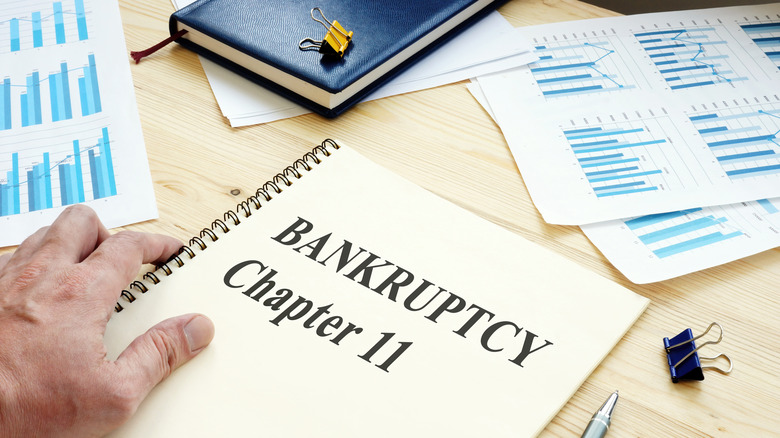
Tough times in the burger world. Jack in the Box has been struggling to survive, Wendy's is closing hundreds of restaurants, and now Carl's Jr., too, may see closures of its own. The chain itself isn't going out of business, at least not yet. However, the Friendly Franchisees Corporation, which is one of its major franchise holders, recently filed paperwork for Chapter 11 bankruptcy protection. This company currently operates 65 Carl's Jr. locations in California, which may seem like a fair amount, but is only about 11% of the total number of Carl's Jrs. in the state and less than 7% of the chain's restaurants nationwide.
What's more, filing Chapter 11 doesn't necessarily mean that all 65 of the affected restaurants are slated for closure. The franchise owner can continue to run the businesses as funds permit, may be able to borrow more money to pay off debts, and could make any changes necessary to revive slumping sales. It is also possible that these locations may be sold to another operator. It's too early to tell what the ultimate fate of these restaurants will be, although the bankruptcy filing is certainly an indicator that things are not going as they should — nor is the Friendly Franchisees Corporation the only Carl's Jr. franchise holder that has experienced difficulties. Franchisees run nearly all of the chain's locations (only about 50 are corporate-held), and 40 franchised stores closed last year.
What could be causing this bankruptcy?
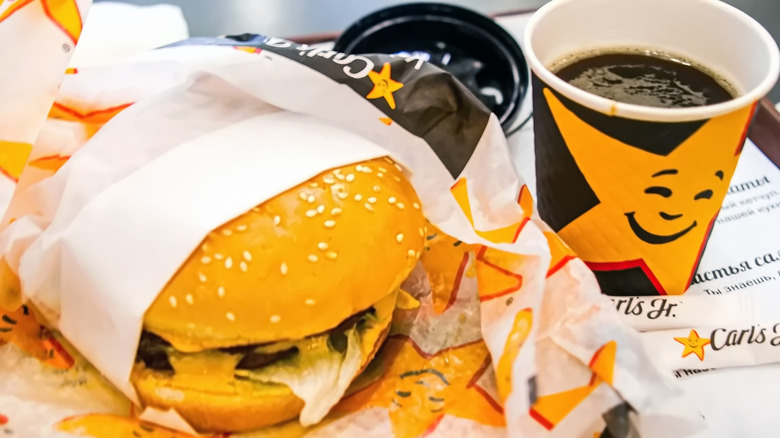
It's not too surprising to hear of restaurant closures these days. The economy overall isn't in great shape, and fewer of us have the discretionary income to dine out on a regular basis, even on fast food. There's also the issue that Carl's Jr. is a burger chain that many consider overpriced — the budget-minded diner might be able to score a cheaper deal at a sit-down restaurant like Red Robin or IHOP. Still, the real problem, according to a franchise holder who runs 59 of the 65 affected locations, is that California expects even fast-food restaurants to pay their employees a living wage of $20 or more per hour.
Ahh, there lies the real Catch-22 of restaurant economics. Californian workers need wages high enough to pay their bills and scrape by, and if you deprive them of sufficient income, who will be left to buy the burgers? There can't be enough Carl's Jr.-loving billionaires to keep all of the state's 575 locations afloat. There may be another factor at play as well, however, since the Chapter 11 filing also spoke to the brand's failure to market its products effectively. With any luck, attention to the matter may mean more menu innovations and deals that could make Carl's Jr. more appealing to customers while still allowing the restaurant to pay a living wage.