

The 11 Best Natural Sweetener Substitutes For Processed Sugar
As sweet as it is, processed sugar has long had a reputation for not being good for you, especially in large quantities. Processed refined sugar contains 99% sucrose, which comes from a mix of both sugarcane and sugar beet. While processed sugar's ability to sweeten everything from hot and iced tea to baked goods has long been revered, consumption of it has been linked to health issues and dental cavities. While you don't have to completely cut processed sugar out of your diet, which would be almost impossible to do since it's hidden in food items you wouldn't expect, you can often replace it with more natural sugars when available.
Many natural sugars are preferred to the processed alternative because they have more healthy compounds and greater nutritional value overall. Natural sugars are found in whole foods such as milk, fruit, and even some vegetables, such as carrots, squash and tomatoes.
Naturally occurring sugars are turned into everything from syrups to powders, and can be used in the same ways as processed sugar. The next time you're baking your favorite cakes or cookies, or whipping up a sauce, consider squeezing, sprinkling, or stirring one of these more natural sugars into your recipe. For example, if a recipe calls for brown sugar, you can replace it with a dark-hued honey.
Agave syrup
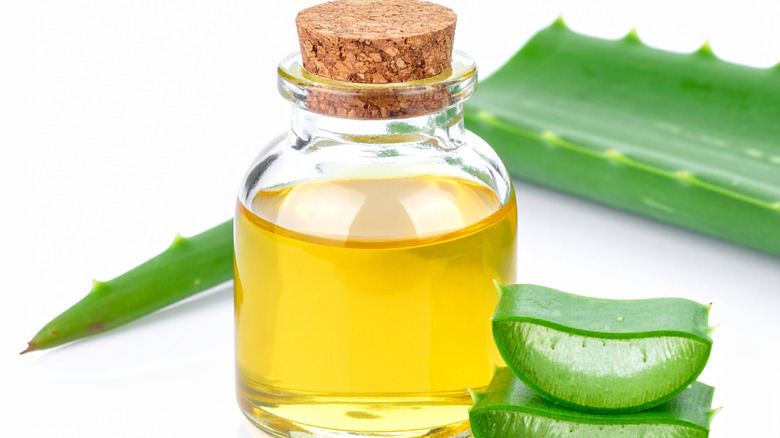
Agave syrup or nectar is derived from the blue agave plant, a succulent found in hot, dry climates such as Mexico and the desert Southwest. The syrup, which ranges in color from light gold to dark, rich amber, is made from the plant's sap. Not only is it considered a natural sweetener filled with healthy antioxidants, flavones, and tannins, but it's also about a third sweeter than processed sugar. That's a win-win, especially if you have a sweet tooth. The syrup is made with sap harvested from the heart of the agave plants, and is then extracted, filtered, and heated to give it its signature colors and smooth, sticky texture.
Although agave syrup is similar to honey when it comes to sweetness, it's considered a vegan, plant-based alternative. The tasty syrup is easy to find in bottles on your grocery store or health food shop shelves, and should be stored in a cool, dark location or in the refrigerator.
You can use agave syrup in the same way you'd use honey or maple syrup, such as drizzling it over a stack of pancakes or waffles, or adding it to your coffee or tea. Since it's in liquid form, it will blend well into cocktails and iced drinks, as well. When substituting agave syrup for regular processed sugar in a recipe, use 30% less to achieve the same level of sweetness.
Stevia
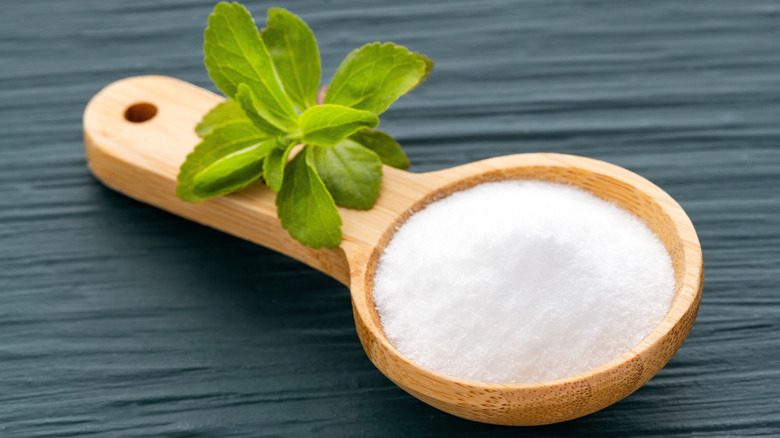
Stevia is a processed sugar substitute that almost seems too good to be true. All natural? Check. No calories? Check. Carbohydrate-free? Check. Not only is Stevia all of that, but it's also approximately 200 to 400 times sweeter than regular processed sugar. One packet of stevia is equal to a couple of teaspoons of processed sugar, so a little goes a long way no matter how you use it.
Stevia comes from the stevia rebaudiana plant in South America, which features sweet leaves containing steviol glycosides. Natural stevia contains no artificial ingredients, and can be purchased in both powder or liquid form. It's also often sold in convenient, individually sized packets. You may also be able to find it as liquid drops, dissolvable tablets, and even in baking blends, depending on how you intend to use it.
Stevia is ideal for those on a sugar-free diet, and who have medical issues such as diabetes. You can use stevia in many of the same ways you'd enjoy processed sugar, such as sprinkling it into your coffee or tea or over cereal. Since stevia doesn't have the same chemical makeup as refined white sugar, it isn't recommended as a substitute in some baked good recipes, including cakes, cookies, and breads, since the texture may be off. Stevia also breaks down at temperatures above 400 degrees Fahrenheit, so keep that in mind when using it for cooking and baking. If you can't decide between using stevia or Splenda, there is a big difference between the two sweeteners.
Monk fruit sweetener
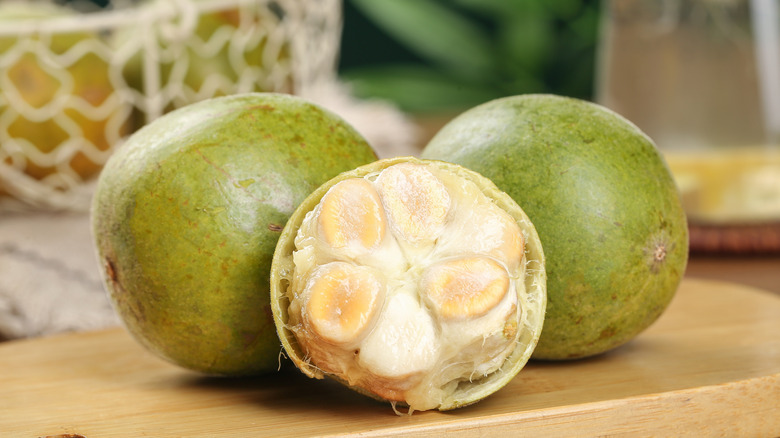
Monk fruit sweetener may have an unusual name, but that doesn't stop it from being one of the top processed sugar alternatives. The sweet substance is extracted from the monk fruit, a small, green fruit that is native to Southeast Asia. Also known as "Buddha fruit," monk fruit produces a sweetener that contains zero calories and is thought to have several health benefits.
Monk fruit obtains its sweetness from antioxidants called mogrosides, which are up to 250 times sweeter than refined sugar. The sweet liquid, which contains both fructose and glucose, is extracted from crushed whole monk fruits, and can then be made into powder or granulated forms.
Since monk fruit sweetener is plant-based, it's a good sugar alternative to those on vegan or vegetarian diets. It's versatile in that you can add the liquid to coffee, tea, smoothies, and other drinks instead of heavily processed syrups. Monk fruit sweetener is also heat-stable, making it an ideal processed sugar substitute when cooking and baking. You can also find the sweetener in sauces, dressings, and frozen products, such as ice cream and sorbet. Consider using this all-natural sweetener in recipes such as cookies, muffins, cakes, and other baked goods.
Honey
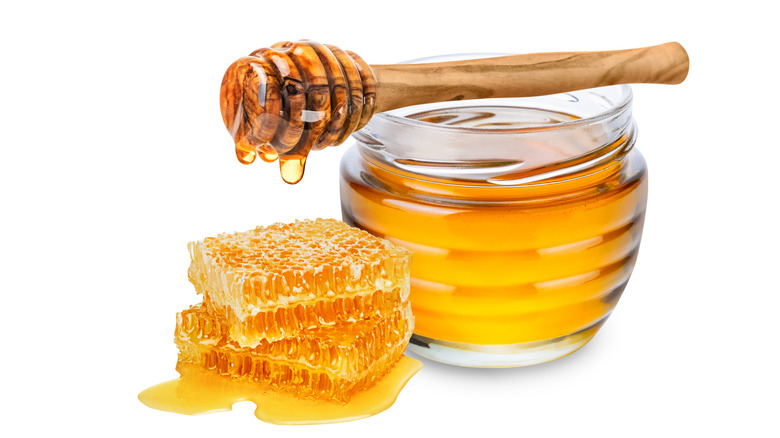
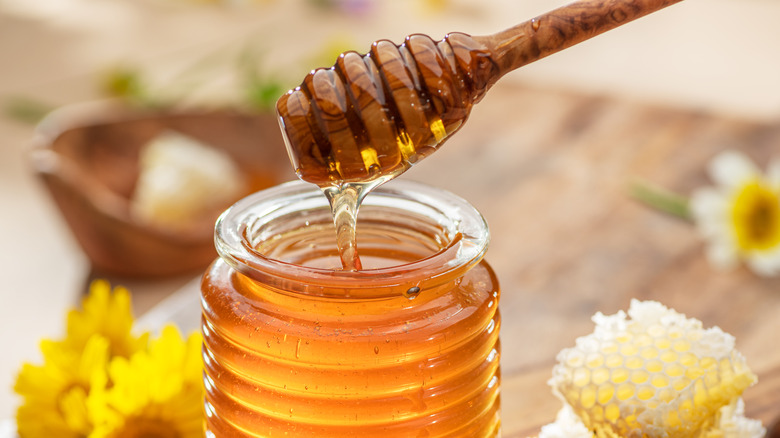
Ahhh, honey — the sweet liquid gold that tastes like a dream when drizzled into hot tea, or over desserts such as baklava, grilled peaches, and cheesecake. The syrupy goodness has a sweet, slightly earthy flavor and is one of the most well-known processed sugar substitutes. Although honey contains calories like regular sugar, it's also known to be packed with antioxidants, amino acids, and vitamins.
Another aspect that sets honey apart from many other sweeteners is that its flavor changes depending on where it's sourced. For instance, orange blossom honey has notes of floral and citrus, and the buckwheat variety features a molasses-like taste. You can also choose a type of honey based on its color. The palest, sweet clover variety has the mildest flavor, while the dark amber varieties, such as cranberry blossom and sunflower, have intense, more robust notes. You'll also need to decide between pasteurized and raw honey, which means it's unprocessed.
When swapping honey for refined sugar, note that the sticky sweetener may be two to three times sweeter. When cooking and baking with honey, a good rule of thumb is to ½ to ⅔ cups of honey to replace a cup of sugar. Since honey is comprised of almost 20% water, you'll want to reduce the amount of other liquids you use with it in recipes. Generally, for every cup of honey you add, subtract ¼ cup of other liquids such as water to maintain the correct texture and consistency. If you like your sweet with a little heat, make your own hot honey, because you're worth it.
Fruit juice and purée
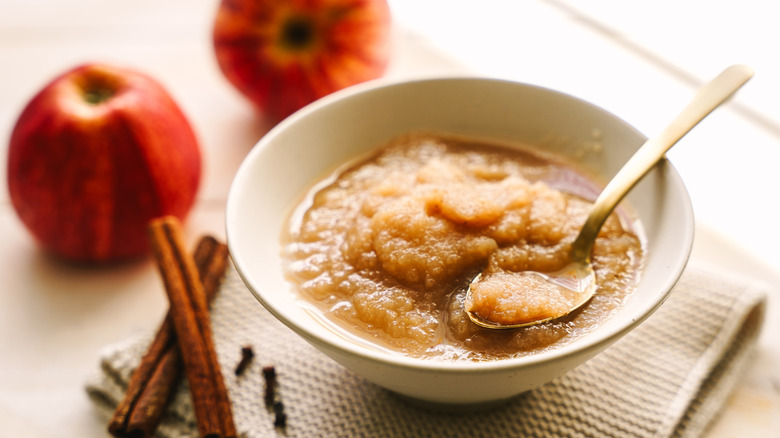
You may not have considered using puréed fruit or juice as a processed sugar substitute, but it's a tasty, healthier option. Not only does the fruit add flavor and sweetness to whatever you add it to, but it also infuses the dish with moisture. Swapping purée and juice for sugar is a sneaky way to get your kids — or yourself — to eat more fruit, as well.
Juices and purées are convenient in that you can completely swap out sugar for them, or just lessen the amount of the processed sweet stuff that you have to use in a recipe. As one option, replace half of the amount of sugar that you'd use in a recipe with fruit juice or purée. If you're using juice, you'll also need reduce the amount of other liquids, such as milk or water, that you use.
Depending on what you have on hand or what flavor your want to lend to your baked goods, there are a wide variety of fruits that you can turn into purées or juice. Some popular options include bananas, pears, and apples. Depending on how much effort you want to put into it, you can either make the purées and juices using fresh fruit or buy them premade. As another, semi-homemade option, mash up canned fruit and use it in cakes, cookies, muffins, and other batters. In a pinch, you can even use applesauce to sweeten and add moisture to recipes. If you're making unbaked dessert items, such as frosting, use a ratio of 1:1 sugar to fruit purée.
Maple syrup
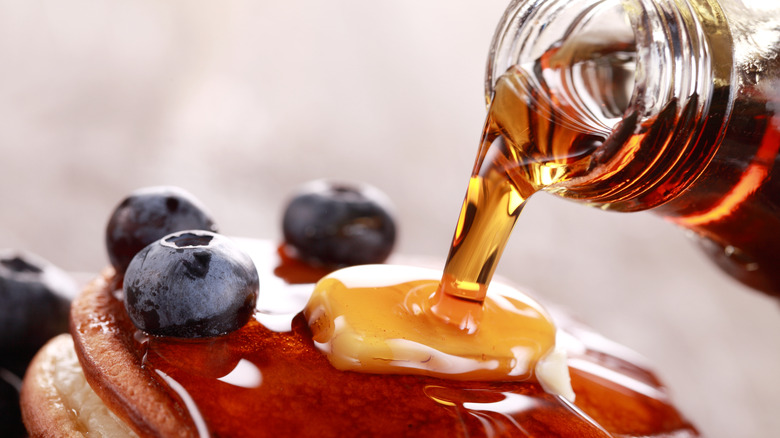
Another delicious and versatile processed sugar alternative is flavorful maple syrup. The sweet and sticky syrup is best known as the ultimate pancake and waffle topper, but it can do so much more. Tap the syrup's potential by incorporating it into your cooking and baking as a healthier, more natural alternative to white sugar. Not only does dark, rich maple syrup taste good, but it also contains antioxidants, vitamins, and minerals that are good for your body.
The amount of maple syrup you'll use to replace sugar in recipes will vary by recipe, but it typically converts to ⅔ to ¾ cup of syrup per cup of sugar. You won't lose any sweetness but you will gain the complex flavor of maple syrup, with woody notes of caramel, butterscotch, and vanilla.
Since maple syrup has a low glycemic index, it makes an ideal sweetener for those who can't eat processed sugar. Depending on what you need for a specific recipe, you can also find granulated maple sugar, which can be swapped with sugar at a 1:1 ratio. Although maple is the perfect sugar substitute in baked goods recipes, don't be afraid to add it to your drinks and savory dishes, too. Some fun and delicious maple syrup-based cocktails include maple bourbon sours, dirty chai martinis, and cider punch. If you're a hardcore fan, you can add maple syrup to every meal.
Sorghum syrup
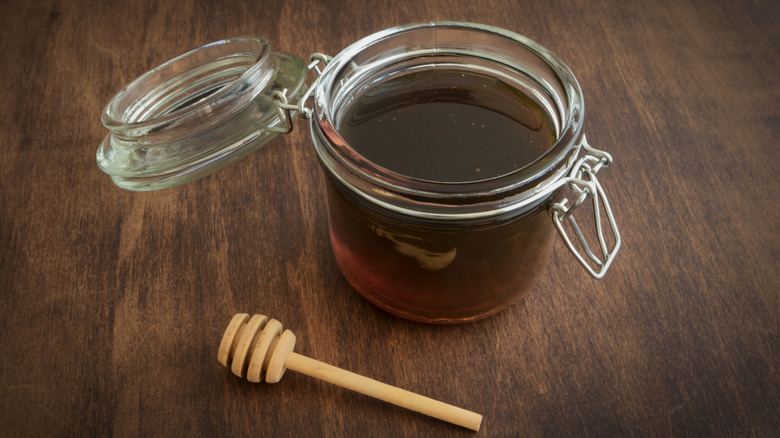
If you want all of the sweetness of processed sugar without the blood sugar spike, sorghum syrup may be your new best friend in the kitchen. The sweetener has a sticky texture similar to honey, maple syrup, and molasses, and has a lower glycemic index than regular sugar as well.
The syrup is made by stripping the leaves of sorghum plants, which are a type of flowering grass, and crushing the stalks in a mill to extract green juice. The juice is then strained and boiled until it thickens and transforms into an amber-colored syrup. Throughout this process, it takes about 10 gallons of sorghum plant juice to make one gallon of syrup.
When substituting sorghum syrup for processed sugar in recipes, it's recommended that you increase the amount of syrup by a third of the amount of sugar that's called for. If the recipe also includes a liquid ingredient, such as water or milk, decrease the amount by a third when using sorghum syrup. For best results, you may want to use a mixture of sugar and sorghum syrup in some recipes. You can swap the syrup at a 1:1 ratio when using in place of other liquid sweeteners such as honey, molasses, and maple syrup. While sorghum syrup isn't as popular as the other sugar substitutes throughout much of the country, it's been a staple in Southern and Appalachian cooking and baking for a long time.
Jaggery or gur
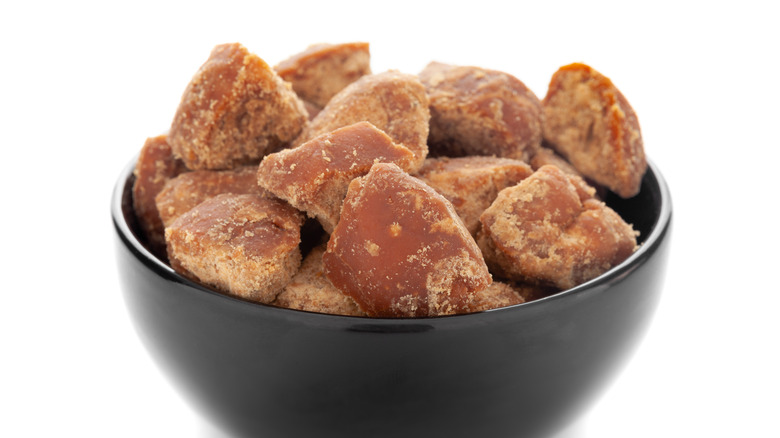
Jaggery, sometimes called gur, is another tasty and more nutritious alternative to processed sugar. This natural sweetener is popular throughout Southeast Asia and Africa, and is made from concentrated sugarcane. It's a brown solid or semi-solid sweetener and is sometimes referred to as medicinal sugar due to its Ayurvedic uses.
This refined sugar substitute is made by boiling sugarcane juice for hours until it is reduced to a dense, thick liquid. As the filtered liquid cools, it turns into jaggery, which has a wide variety of culinary uses. Containing nutrients and minerals such as calcium, magnesium, potassium, and phosphorus, jaggery is known as one of the healthier sugar alternatives. It's also a good source of plant-based iron and a variety of antioxidants.
Although jaggery is most often found in solid or semi-solid form, it's also available as a liquid or powder. Liquid jaggery comes in handy for making cocktails or sweetening coffee or tea, while the granular form is often used for baking purposes. Jaggery has been compared to brown sugar, but has an even bolder flavor with notes of spicy caramel, toffee, and even a bit of smoke. You can use jaggery in place of both white and brown sugar in recipes such as cakes, cookies, and sweet breads.
Beet sugar
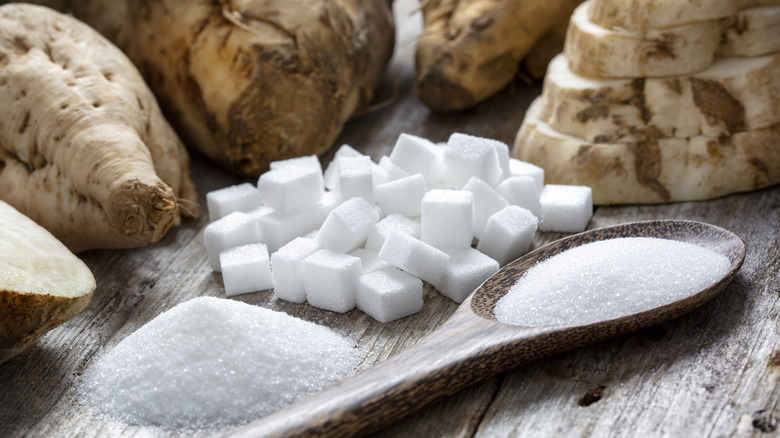
Although it looks similar to processed sugar with its white granules, beet sugar has a slightly earthy taste and a different texture. While regular sugar is known to caramelize easier, beet root sugar can create a more crunchy texture when baked, which makes it more desirable for certain recipes.
All-natural beet root sugar is derived from sugar beets, a root vegetable. During the production process, the sugar is extracted from sliced beets and is then purified and crystallized into the final product. Sugar beet plants contain a large amount of sucrose, which gives beet sugar a super-sweet taste.
You can use beet sugar as a refined sugar substitute in most applications, including all types of baked goods and confectionery goodies. When replacing white sugar with beet sugar in recipes, you can use a 1:1 ratio since they both have the same level of sweetness. Beet sugar is ideal for making cookies, cakes, sauces, dressings, and condiments. It's also an all-natural way to sweeten up your coffee, tea, cocktails, and smoothies.
Coconut sugar
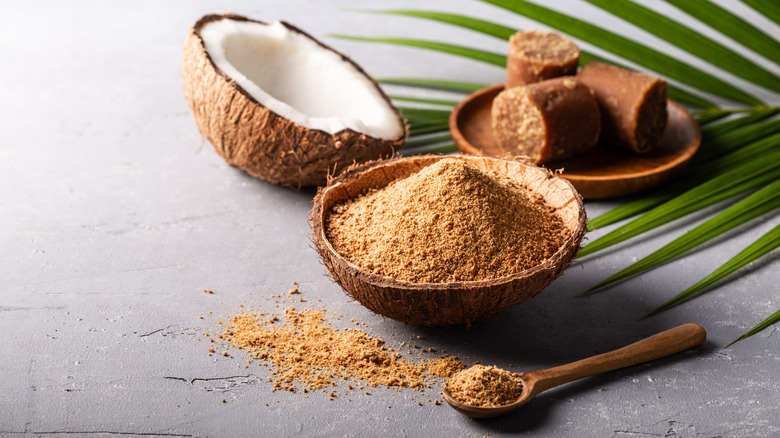
Another tasty, all-natural alternative to white sugar is coconut sugar, which is derived from coconut palm tree sap. A rich brown color, coconut sugar is often compared to brown sugar and has a rich caramel flavor that's ideal for all types of baked goods. Coconut sugar is considered healthier than plain white sugar in that it's less processed and may have more nutrients, such as iron, calcium, potassium, and vitamins C and B.
When swapping coconut sugar for processed sugar in a recipe, you can use a 1:1 ratio since they have similar sweetness levels. Since the granules are slightly larger, consider grinding them for a finer texture when stirring them into cake and cookie batters.
Coconut sugar's caramel notes make it the perfect pairing with spices such as cinnamon and nutmeg, so consider using it in banana bread and cinnamon roll recipes. It also makes a tasty addition to savory dishes, such as Indian curries. Coconut sugar is delicious in chai and coffee drinks, as well as sprinkled over a bowl of oatmeal. Since it's not crystallized like processed sugar, it also quickly transforms into a simple syrup when shaken with liquids.
Date sugar
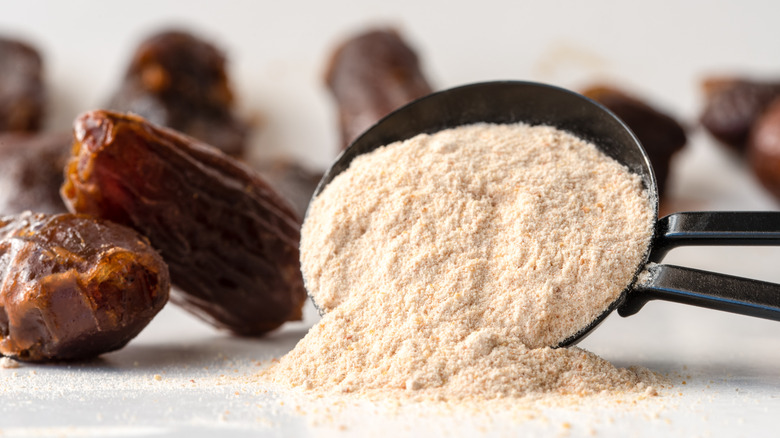
Date sugar is another tasty processed sugar alternative that stands out from many of the other alternative sweeteners. The sugar is made from crushed whole dehydrated dates, making it a natural source of dietary fiber and other nutrients, such as calcium, potassium, and magnesium. Dates are also a source of iron, vitamin K, and zinc, putting the sugar ahead of processed sugar nutritionally. Another benefit of date sugar is that it's considered a lower glycemic food and won't spike your blood sugar level like cane sugar.
When baking and cooking with date sugar, you can use a 1:1 ratio in recipes that call for either brown or white sugar. Some sources suggest reducing other dry ingredients, such as flour and baking powder, by 25% when substituting coconut sugar in recipes.
In addition to baked goods, you can use coconut sugar when making savory items such as peanut and barbecue sauces. The sugar adds a slight caramel and even malt-like flavor to dishes, making it a creative way to add a different taste to basic recipes.