

Several Of Your Favorite Breakfast Cereals Are About To Be Banned At Target
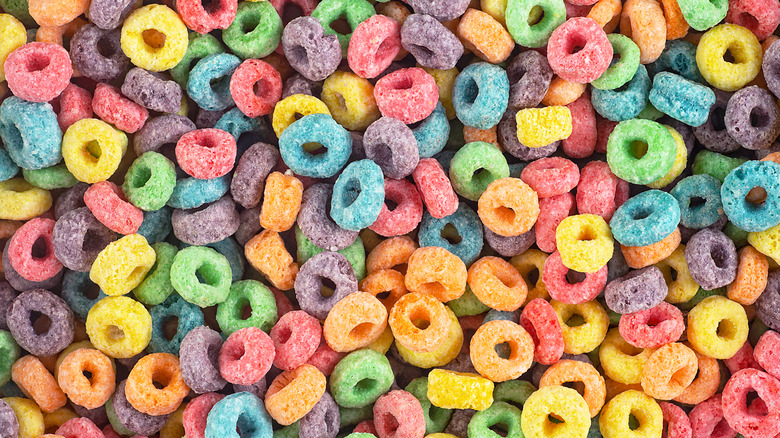
If you're a regular Target shopper, you might've noticed that the store has been leveraging a lot more gray and white in its branding. Starting in May, the cereal aisle will start looking a lot less colorful, too. Target recently announced plans to remove cereals made with certified synthetic colors from its shelves. That means customers may soon have to shop elsewhere for Froot Loops, Apple Jacks, or Lucky Charms — or switch to Target's store brand, Good and Gather, which the retailer boasts is already free of synthetic colors.
"We know consumers are increasingly prioritizing healthier lifestyles, and we're moving quickly to evolve our offerings to meet their needs," Cara Sylvester, Target's executive vice president and chief merchandising officer, said in a statement. According to the retailer, sales data show that consumers are purchasing fewer products with artificial additives, especially in products marketed toward kids.
The government is cracking down, too. Some states like California and West Virginia have banned certain dyes. In January 2025, the U.S. Food and Drug Administration (FDA) banned Red No. 3 — over 30 years after the dye was originally banned from cosmetics due to cancer risks. Three months later, the FDA announced plans to phase out all petroleum-based synthetic dyes from the nation's food supply.
What's the big deal with food dyes?
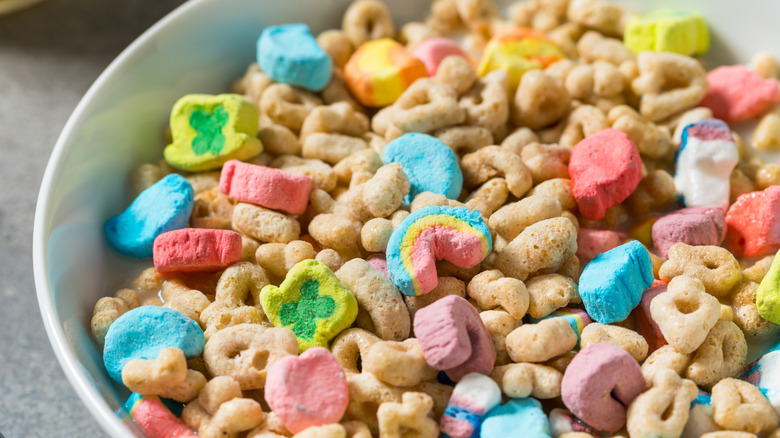
In the store's announcement, Target said the banning of several popular breakfast cereals aligns with its Good & Gather product standards, which exclude artificial sweeteners, synthetic colors, and high-fructose corn syrup. Cereals like Lucky Charms, on the other hand, contain synthetic food dyes like Red 40, Yellow 5 and 6, and Blue 1. For years, public health advocates have expressed concern over petroleum-based dyes — particularly their links to hyperactivity in children and other health issues such as allergies and digestive concerns.
However, in February, the FDA relaxed regulations on manufacturers' "no artificial colors" claims. Previously, manufacturers could only claim that their products were free of artificial colors if they contained no dyes whatsoever. Now, the claim applies to anything without petroleum dyes.
While many brands have pledged to shift away from dyes, progress has been slow. A sweeping ban from a major retailer could speed up the process. Still, some experts argue that dye bans don't turn sugary cereal into a well-rounded breakfast choice. They worry that removing dyes could give shoppers the impression that not-so-healthy snacks are healthier than they actually are. Remember: Froot Loops are still Froot Loops, Red 40 or not. Dyes aren't gone from Target for good, either. The ban only applies to cereal, and petroleum-based dyes can crop up in unexpected places, from veggie bacon strips to rice.