

The Best Time To Eat Your Biggest Meal Isn't Dinner, According To Science
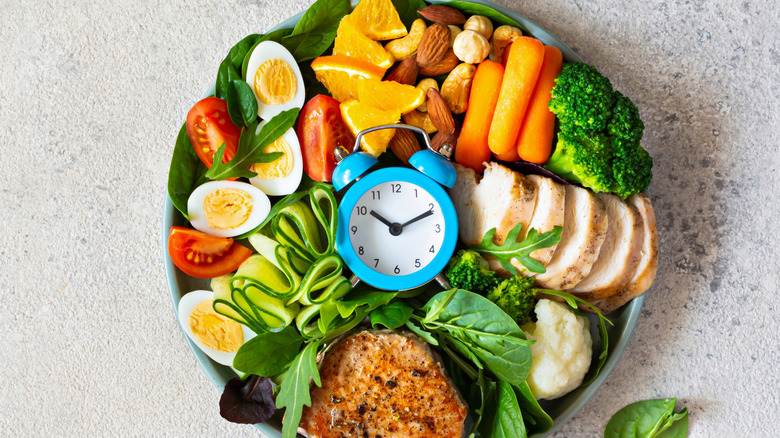
Throughout history, the main meal of the day, and often the biggest, has been dinner. While today we equate the term with a meal eaten at the end of the day, dinner was, for many centuries, served at what we would now consider the lunch hour — no later than 2 p.m. — and was traditionally followed by supper, which was often lighter fare. But while mealtime terms have changed, the best time to eat your biggest meal has not. Dr. Kezia Joy, registered dietician nutritionist and medical advisor at Welzo, helps explain the science behind why lunch should be your most substantial meal of the day.
"Earlier meals like breakfast or lunch are often better suited for higher calorie intake, as the body is typically more metabolically active early in the day," says Dr. Joy. This is largely due to the body's natural circadian rhythm — a master internal clock located in the brain that syncs up with the 24-hour cycle of light and dark in each day to regulate functions throughout the body. These include firing up the metabolism upon waking and dialing it down in the evening.
She also points out that earlier meals not only allow nutrients to be used more efficiently for energy, but also helps reduce evening hunger and prevent late-night snacking, which is often driven by emotions such as boredom or stress. In either case, studies show individuals who consume larger meals earlier in the day and the majority of calories at lunch tend to have a lower BMI (body mass index) and lower risk of becoming overweight or obese compared to those who consume most of their calories at dinner.
A big balanced lunch brings all day energy
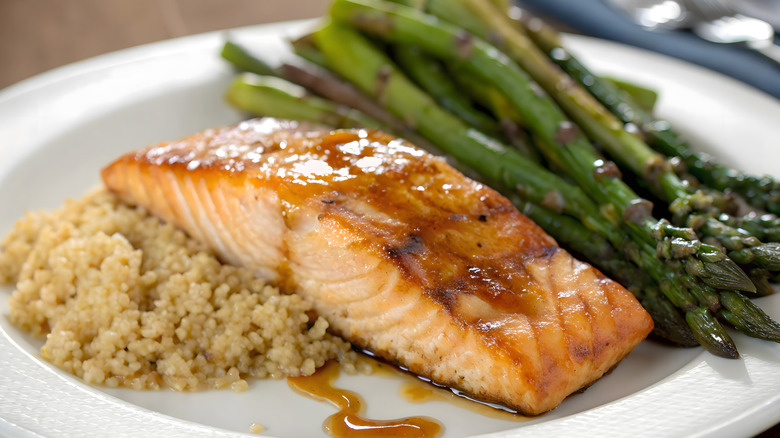
Eating lunch helps us reap a slew of benefits for overall health. But Dr. Kezia Joy also adds, "Eating a balanced lunch will provide you with consistent energy throughout the day." This means you may not experience an afternoon crash, with the urge to reach for caffeine or sugar as a temporary energy boost.
But what exactly does a balanced lunch include? It's one that provides optimal energy and prioritizes protein, such as fish, chicken, beef, or legumes; incorporates healthy fats like olive oil, nuts, or seeds; and focuses on a variety of fiber-rich carbohydrates like vegetables, fruits, and whole grains. These macronutrients work together harmoniously to slow digestion, stabilize blood sugar levels, and help you feel both full and energized.
This could look like a simple salmon dish with seasoned roasted veggies cooked in olive oil and served with quinoa, or lentils added to yellow cauliflower curry with brown rice. Even Chipotle's returning fan-favorite protein, al pastor chicken, when served in tacos with veggies and guacamole, will deliver a solid balance of proteins, fats, and fiber.