

11 Classic Southern Foods Martin Luther King Jr Loved To Eat
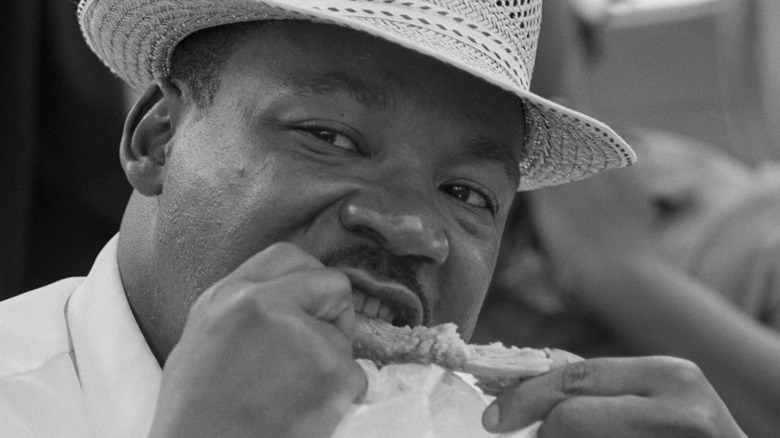
We all know Martin Luther King Jr. as an activist, a Reverend, and a trailblazer, but alongside his passion for civil rights, his community, and fighting for justice, King was also fervent in his love for food. Specifically, King was known to have found a deep sense of joy, and even solace, in sharing meals. In fact, it's this strong sense of fellowship and community (gathered while breaking bread) that appears to have been Reverend's go-to way to relax, recharge, and reconnect with loved ones, family, and friends. Mealtimes were also welcome reprieves for the stress, pressure, and hectic pace that inevitably came with his tireless work leading the Civil Rights Movement.
As for the foods King preferred, the fare he most often reached for is a clear testament to his childhood spent in the South. Hailing from Atlanta, Georgia, King was raised surrounded by the sweet and rich smells of soul food and good ole' Southern cooking. Signature dishes (think fried chicken, mac and cheese, collard greens, and more) cemented themselves in his heart, and, from all accounts, stayed firmly planted there throughout his life.
From stories told by those who knew him best, it was clear that King found comfort and connection in food. Suffice to say, it was nourishment both his body and soul. This list celebrates 11 classic Southern foods that King loved to eat, offering a window into the flavors and traditions of the South that sustained him, and made his heart sing.
1. Fried chicken
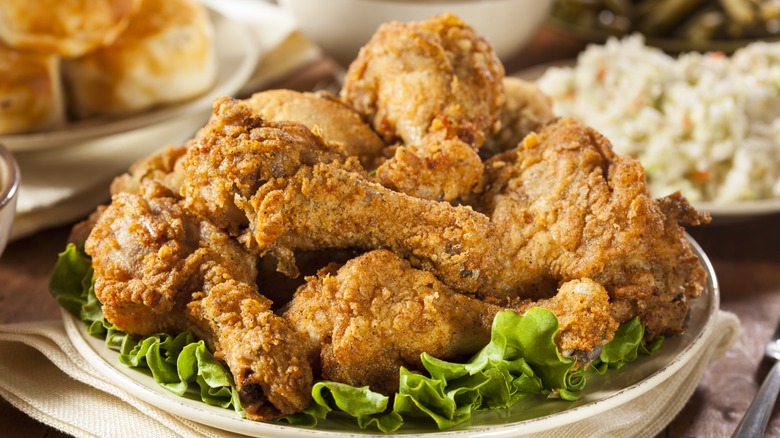
Ever wondered who invented Southern fried chicken? It was not Martin Luther King Jr., but we do know that he certainly appreciated the efforts, as the deep-fried poultry was said to be one of his absolute favorite foods. A classic Southern comfort food preferred by many reared below the Mason-Dixon, Atlanta-raised King was no exception. Those who knew him best noted that King enjoyed fried chicken whenever he had the chance, especially as part of a large communal meal.
In a busy life filled with near constant travel, political pressure, and intense public scrutiny, sharing meals were moments of familiarity and refreshment for King. There are so many stories from friends and family recalling King's setting apart meal time as almost sacred, where "talking shop" (politics and the like) was not on the menu. In these treasured moments, rather than presenting rousing speeches to spark change, King was free to simply sit, sup, and soak in fellowship and community.
Southern fried chicken itself is a dish steeped in history, with specific techniques and family recipes passed down through generations. For Black families especially, fried chicken was a way of preserving culture through fare, which explains King's deep appreciation for the cherished dish. Fried chicken was also said to be among the items prepared for what would have been King's last meal.
2. Macaroni and cheese
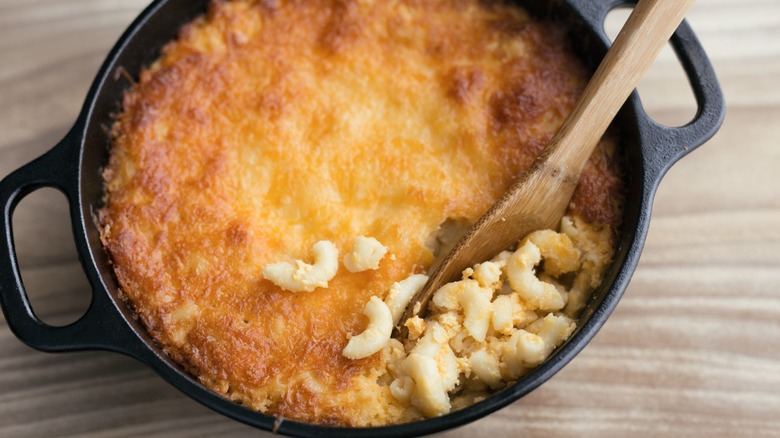
MLK loved his mac and cheese, a classic comfort food that was often on the menu. King was said to prefer Southern-style Mac and cheese in particular, which was often prepared homemade in the rich, custard-style commonly found across the region. Unlike stovetop versions, Southern mac and cheese is baked until golden, with eggs and evaporated milk being the glorious "glue" holding it all together. Most Southerners will tell you, without question, that to bake mac and cheese is better. Clearly, King agreed, as the dish often showed up at many of the same gatherings we mentioned earlier, right alongside his beloved fried chicken.
This was no real phenomenon, to be honest, as, in the South, most every Big Sunday meal, potluck, or gathering presented a casserole-like pan of this golden-baked pasta dish. But, King was particularly a fan of this item, plus the rest of the edible gems that make up the standard Southern spread, due to the delicious taste, for sure, but more because of the togetherness these treats represented.
And, we get that. There really is something grounding and comforting about a bubbling, hot pan of mac and cheese. It may sound cheesy (almost as much as the dish itself), but we must admit that imagining the great Reverend King sitting down to enjoy such a simple meal like mac and cheese humanizes this mythical figure in a way that allows us to relate to him even more.
3. Collard greens
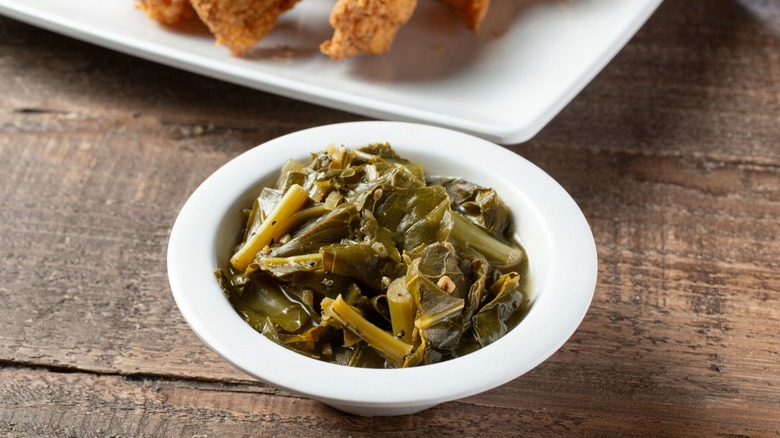
Collard greens are deeply rooted in black food tradition, so it comes as no surprise that these stewed veggies were a common side dish Dr. King delighted in eating.Simmered low-and-slow, savory, and as rich as the Southern traditions King was raised among, this side dish was not only delicious, but also served as a reverential nod to the culture and region that shaped King's life.
As collard greens simmer (often cooked with aromatics or seasoned broth), they absorb more and more flavor with each minute that passes, resulting in a deeply rich, savory taste. Collard greens have carved out a special place in black culture and cuisine, in particular. Not only do they literally reveal proof of resilience in harsh times (the vegetables are known to be able to grow in difficult conditions), but they also are symbolic, nodding to the black culture's own tenacity in times of hardship and oppression.
Specifically, these greens directly connect to Black Southern history. Throughout slavery and Reconstruction eras, collards were one of the mainstays relied upon. These foods reveal the resourcefulness and necessity of the times, requiring individuals to work culinary magic by transforming humble ingredients into dishes that nourished them, body and soul. Much like the other foods on our list, King was known to enjoy this Southern delicacy as a side dish during large family-style meals and other social gatherings.
4. Sweet potatoes
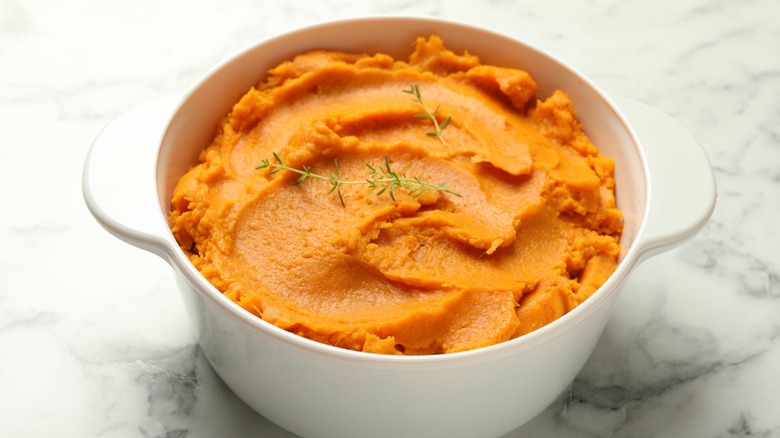
Sweet potatoes were another Southern staple Martin Luther King Jr. was known to enjoy often. King loved these root veggies so much that he consumed them in a wide variety of prepared ways. From sweet to savory, and whether side dish or dessert, all things sweet potato were a-okay with King.
Southern recipes are known to include sweet potatoes as a core ingredient, seen often roasted, mashed, baked, candied, or paired with marshmallows. We can confidently wager King's early years consisted of many sides of mashed sweet potatoes (perhaps spiced with cinnamon and a little sugar), baked orange jewels of the earth, or casseroles piled high on church buffet tables. Copious quantities of sweet potato pie slices were also purportedly frequently on the menu, which King would likely have devoured with delight over coffee and conversation after communal suppers.
Like other items on our list, this vibrant-hued root vegetable also carries deep meaning in Southern Black culture. Recipes passed from household-to-household and cherished for generations within the black community showcase sweet potatoes as a staple ingredient beloved for its versatility and practicality. Ending with an interesting, and quite sad, fact: Sweet potatoes (pie version included) were among the foods prepared by local church members for King on April 4, 1968, the evening he was supposed to dine with friends in Memphis. That detail adds a quiet moment of reflection on the role this humble vegetable played on his final day on this Earth.
5. Cornbread
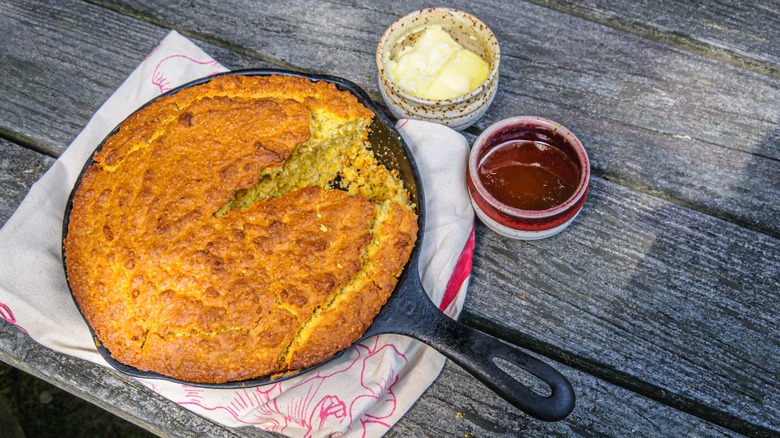
Among the best southern comfort foods seen as a must try, cornbread was a core dish in Martin Luther King's recipe rotation. Often served alongside his equally beloved, aforementioned Southern staples, it is common knowledge that King specifically preferred his cornbread with just a whisper of sweetness.
A cornerstone to traditional Black Southern cooking, cornbread is a mainstay below the Mason-Dixon especially. Old-school recipes will see this made-from-cornmeal Southern delicacy prepared in cast iron skillets, baked by moms and grandmas for generations. Served sliced in wedges (the rare outlier being a square), and meant to be shared, cornbread was what King reached for to pair with many of his other favorite dishes.
King enjoyed cornbread at various restaurants throughout his travels and mission, Memphis' Four Way Grill being among them. In fact, this eatery was said to have played an integral role in feeding civil rights leaders, including King, during that era, proudly supporting in its own way by offering sustenance through Southern meals as leaders faced long and exhausting days of fighting for justice. It is well documented that cornbread graced the tables often during these historic meals. Cornbread was also reportedly part of King's last meal, prepared by local church members excited to share fellowship with him on the day of his demise.
6. Black-eyed peas (or crowder peas)
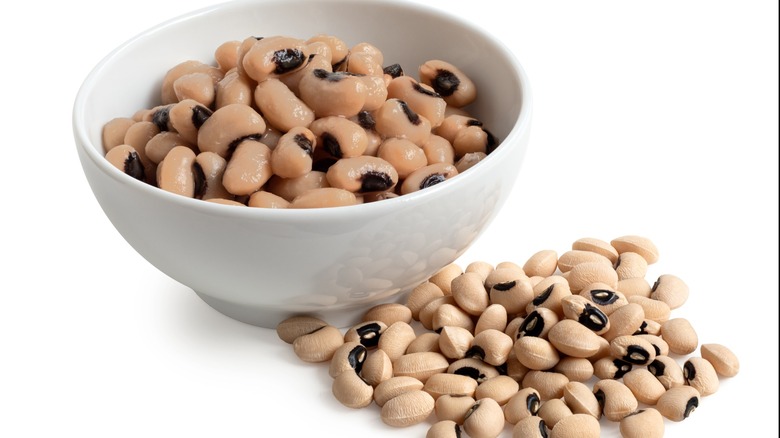
Black-eyed peas, also known as crowder peas, were another mainstay that regularly appeared on Martin Luther King Jr.'s lunch or dinner plate. Traditionally, these oft-seen Southern legumes are slowly simmered (usually with various seasonings). They're not only hearty and tasty, but also hold great importance within Black culinary history. Commonly seen as synonymous with Southern culture, particularly in reference to themes like resilience and prosperity, King made it a recurring habit of enjoying these peas wherever his many travels on the road took him.
Over the years, friends of King have shared warm recollections of breaking bread with the minister and activist, enjoying communal meals where crowder peas held space on those generous spreads. Much like MLK himself, black-eyed peas are humble, but also impactful, and tried-and-true Southern icons. In restaurants, like the aforementioned Memphis' Four Way Grill, these peas were served to King alongside other favorites, including cornbread and collard greens. The eatery made it a habit of nourishing civil rights leaders who relied on community kitchens to keep them refreshed, body and spirit, during their arduous travel schedules.
In fact, crowder peas were said to be among the dishes that King enjoyed at The Four Way Grill, which may have been his very last meal ever. They were also among the items prepared by local church members for what would've been his dinner on that fateful day of April 4, 1968.
7. Ribs
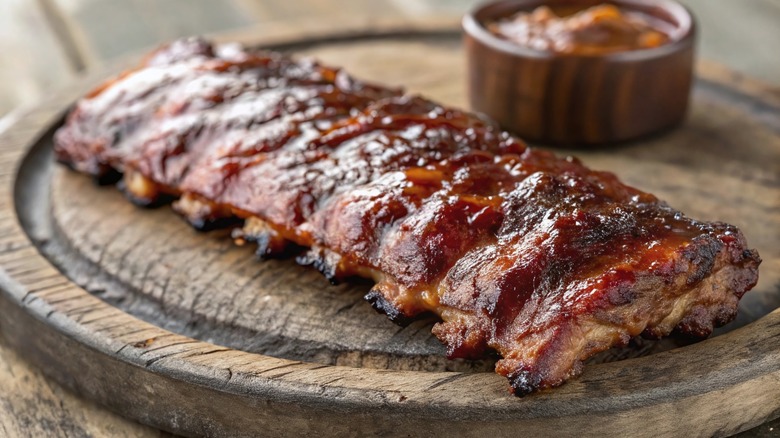
Another Southern dish Martin Luther King Jr. was wild about? Ribs. In fact, he made no bones about this food being among his absolute favorites. While ribs were always welcome on the menu whenever MLK was around, this is especially true when the minister's travels took him to New Orleans. It was here that reports recall Creole chef Leah Chase welcoming King often at her iconic restaurant, Dooky Chase's.
It was also at this cherished local establishment, where upstairs in a private dining room, King and his fellow justice-seekers fighting for civil rights would break bread together. On the menu? Always Ms. Leah's ribs (with the occasional bowl of gumbo to boot). The chef was known to have had a strong belief in the power of food to unite people, with reports recalling her stating that some of these powerful leaders´ most impactful decisions were likely made over shared plates of her iconic ribs.
Chase's eatery became somewhat of a refuge for leaders during the Civil Rights period, and was a Green Book era restaurant providing safe haven for black travelers. The fact that King is noted to have frequented Dooky Chase's whenever possible attests to the true sanctuary this restaurant supplied for road weary justice warriors in body and in stomach.
8. Ham
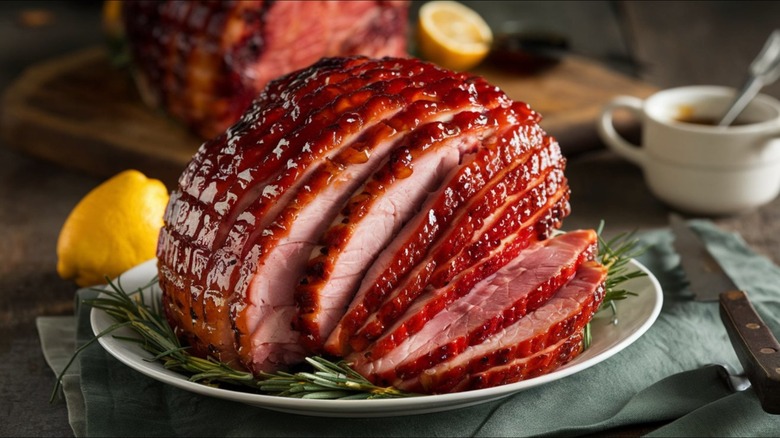
Yet another familiar dish making an appearance at Martin Luther King Jr.'s table was ham. Served baked or sliced (with traditional Southern recipes favoring those finished with a molasses or other type of sweet glaze), ham was a meat that made King's mouth water. Hailing from the South, King would have certainly grown up with ham as a constant presence on his dinner plate, as well as at church gatherings, picnics, and you name it. Suffice it to say, ham is one heck of a popular dish in Southern diets.
In Black Southern culture in particular, pork (especially the parts of the pig like hocks and bones used to flavor other dishes as a measure of frugality) occupies a deeply symbolic position. It is essentially an edible testimony to not only physical survival, but also social community and culinary resourcefulness. During slavery (and subsequent years thereafter), slaves were commonly left with the least desirable cuts of meat (think ham hocks, neck bones, fatback). The resourcefulness comes in how they were able to transform these castoff ingredients into flavorful fare, which eventually became the fundamental building blocks of what we now know as soul food.
Ham was also listed among the dishes prepared for King on April 4, 1968 on his fateful last day in Memphis. Church members had spent hours cooking, with great anticipation of welcoming him into an evening of warmth and fellowship. Sadly, that meal went uneaten by King.
9. Pecan pie
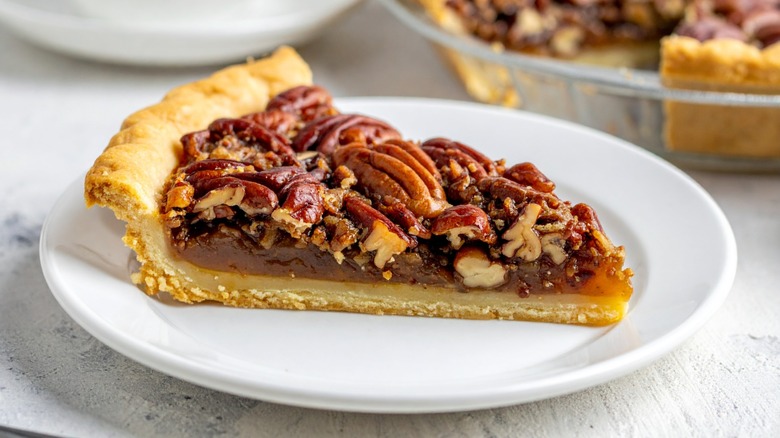
We've listed the savory meats and side dishes that Martin Luther King Jr. had on his preferred recipe Rolodex. So it's high time that we highlight some of the dishes that captured his heart from the sweeter side of the menu. Based on all accounts, pecan pie is the dessert that held the number one place in the minister's heart, at least when it came to his most frequently cited, go-to order.
King's penchant for this particular pie flavor makes perfect sense, seeing as he was raised in Georgia, a state known for its locally grown pecans, and where trees thrive and recipes reflect their presence in abundance. In fact, it is so common and beloved that it is a rarity to find an establishment in Georgia that does not list pecan pie as an option. Chances are you will also see it at any social gathering, where it won't last long before being snatched up by the slice. Pecan pie is so synonymous with King's legacy, that to this day, many looking to honor him on his birthday take to baking and serving this exact dessert.
10. Peach cobbler
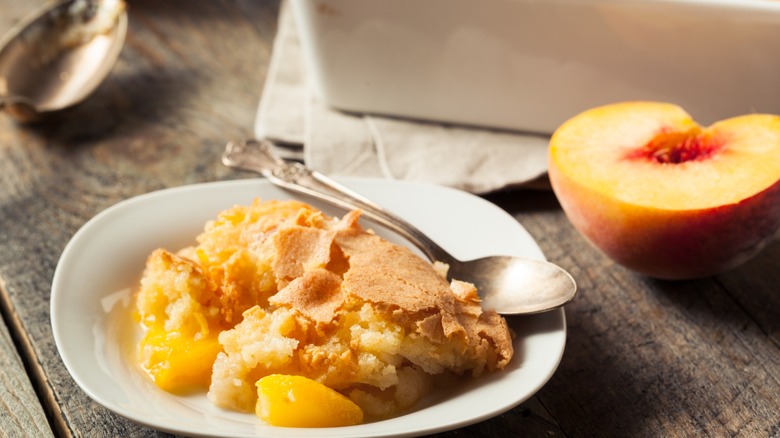
Coming in hot as a close second on Martin Luther King Jr.'s list of preferred desserts (right after his beloved pecan pie) is peach cobbler. Here is where things get personal. According to those who knew the reverend best, King's affinity for peach cobbler went well past its delicious taste, tracing back to the his mother's own recipe. In King's eyes, nothing could compare to the peach cobbler his mama made, which explains how he seemed to seek out those same sweet desserts that reminded him most of the exact ones he had grown up loving, prepared in that Atlanta, Georgia kitchen.
Speaking of Southern kitchens, peach cobbler is a common sighting on countertops, cooling in preparation to be devoured especially during summertime (when peaches are is season and ripe for the picking and baking). Georgia in particular is known for growing the tastiest, most flavorful peaches in the nation.
All of this just serve to support how much sense it makes that King was partial to the the great peach (in cobbler form specifically). The fact that it is an iconic Southern food associated with comfort also tracks, since King was so often on the road for long stints at a time, and any semblance of home would have been more than welcome, especially if it tasted anything like the recipe mama King used to make.
11. Quilly
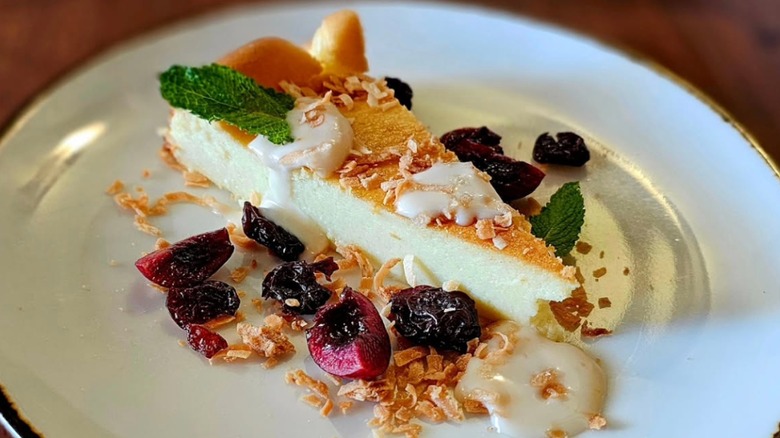
Ready to hear about a retro Jell-O recipe that just may surprise you? You can confidently count this next old-school Jell-O salad among those that no one really eats much anymore. And, while its popularity may have waned, it was a favorite of Martin Luther King Jr. This mystery Jell-O creation is known as Quilly, and may be the most personal dessert associated with the renowned reverend. Described as being a light, gelatin-based concoction, the recipe is said to have come from Mama King's own Rolodex.
Now, the deets. Quilly was a quirky compilation consisting of a seemingly mad mix of fruit cocktail, marshmallows, whipped cream, and wafers on top. Cool, creamy, and just this side of sweet, Quilly sounds quite silly, and its ingredients are indeed not your average recipe.
The name was actually a creation of the King children. While there seems be no definitive answer to why the moniker was chosen, some have surmised that perhaps it was a playful nod to the sugar wafers that she arranged atop the dessert, which were said to be spiky in appearance. Regardless of the exact origins of the quirky calling card, Quilly was a beloved family recipe, and cherished memory for Martin Luther King Jr. This explains why he reached for it, and requested its presence, whenever the opportunity arose, even into adulthood.