

14 Unappetizing Ingredients Hidden In Your Food
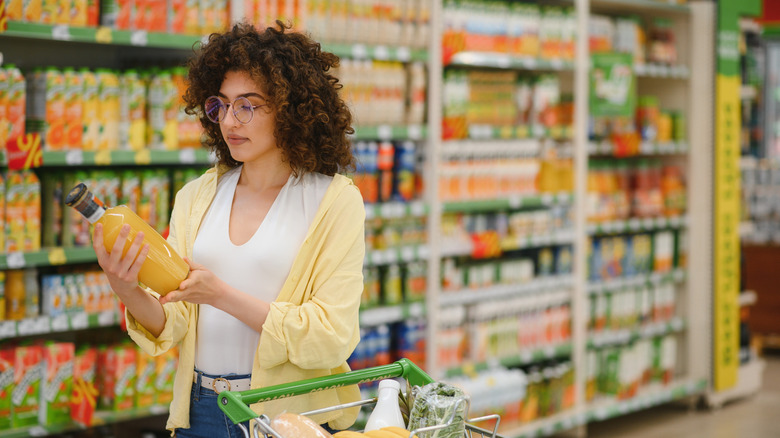
French fries with a side of yoga mat, anyone? Or how about today's special, maggots and mushrooms? We'd all like to believe our food is exactly what it appears to be — simple and free from anything that would make us gag. But, dig into common food ingredient labels, and you'll discover a bizarre world of additives that can seem more suited to a hardware store than your dinner table. Some of these ingredients have been used for centuries, while others are relatively new innovations born from technology.
To be clear, this isn't a list of foods that cause you harm. If a common ingredient is sold in American grocery stores, it means they're generally recognized as safe. It doesn't matter if it's the crushed bugs giving your strawberry yogurt a rosy glow or the phosphoric acid coloring your cola. But that doesn't make the moment when you learn what these ingredients are any less unsettling. After all, there's a difference between knowing something won't hurt you and actually wanting to eat it.
Before you take another bite of a cookie or order fast food, you might want to learn what's really in there. Fair warning, though — you may never look at your pantry the same way again.
1. Castoreum

Squirting beaver butt juice into a fluffy cake or donut sounds like a wacky Netflix prank. It's a violation of anyone who wants secretion-free food. At least, that's what you might think if you've never heard of castoreum. Used by humans for thousands of years, castoreum is a yellowish liquid that beavers secrete over territorial markers. Technically, it's not rectal juice. Castoreum flows from the beaver's castor sacs, which are right next to the rectal glands.
Ancient Romans treated castoreum as a medicinal aid, and thousands of years later, American settlers brought the oil back into vogue as a perfume. Castoreum saw another renaissance in the 20th century when it was discovered by the food industry. The oily goo has a natural vanilla-like scent and adds a touch of complexity to sweet flavors. At the height of its popularity, you could find castoreum in candy, ice cream, baked goods, and more.
So, are you secretly guzzling beaver butt secretions with every milkshake? Not likely. Modern food companies avoid castoreum largely because it's expensive and its inclusion means products can't be labeled kosher.
2. Carmine

How many bugs does the average person eat every year? It's impossible to pin down the exact number, but it's probably a lot higher than you think. Carmine is one of the hidden culprits inflating your bug consumption rate. It's a ubiquitous red dye made from crushed cochineal insects. If you've ever had a red-hued snack or treat, you've possibly eaten carmine. It's used in foods like yogurts, candies, and tomato sauces.
Humans have used cochineal dye since the 10th century, but some modern diners believe the tradition should be retired. For instance, a common complaint is the number of dead cochineals required to produce carmine each year. Starbucks caved to anti-carmine pressure in 2012, and Yoplait has noted that it hopes to do the same. The company's website addresses carmine doubters directly and states, "Because of consumer concern, we are exploring quality substitutes."
Carmine is considered safe for most people, but if you want to avoid it, it's pretty easy. Food manufacturers are required to disclose the presence of carmine in their products. Check the ingredient list and look for carmine, cochineal extract, and natural red 4.
3. Lanolin

Beaver juice isn't the only animal secretion that's made its way into our food. Snacking on cereal or chewing a piece of gum might expose you to lanolin, an oil produced by sheep. Lanolin isn't as overtly unappetizing as castoreum because there are no rectal glands involved. This oil is produced by the sheep's skin and extracted from their wool.
The cosmetic, food, and pharmaceutical industries all have multiple uses for the waxy substance. Gum manufacturers use lanolin specifically for its chewy, rubbery texture. When lanolin is added to cereal, the textural nuance disappears, and it becomes a vitamin D booster. Using lanolin is, in fact, one of the cheapest ways for companies to fortify their products with vitamin D. Most people can get the same dose more easily from sunlight, but lifestyle factors and concerns about skin cancer get in the way, with many Americans not receiving enough vitamin D on a daily basis.
4. Phosphoric acid
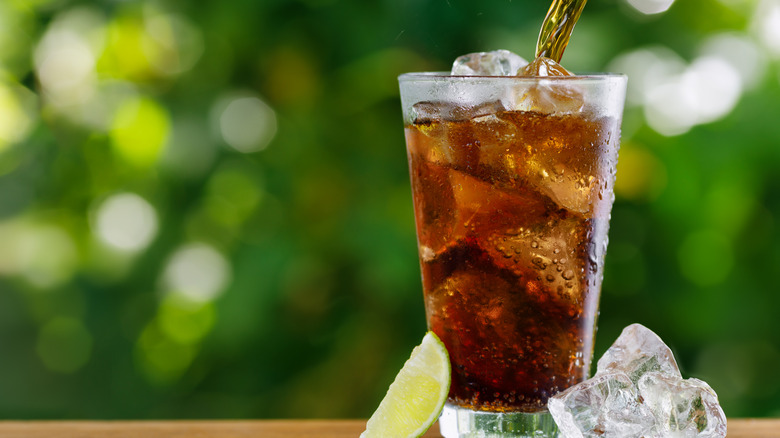
You likely don't have any spare phosphoric acid in your pantry. However, it's such a common food additive that it wouldn't be surprising if you consumed some every day. Phosphoric acid is a colorless acid with multiple uses within the food and beverage sector, including as a flavoring and preservative. Its slight acidity creates a hostile environment for bacteria and fungi, severely limiting their growth.
Phosphoric acid is also part of the reason why a cold Coca-Cola tastes so good. It's included in Coke's secret recipe because the acid adds an intriguing tang to the flavor. If you aren't put off by the chemistry class name, you might be wondering why phosphoric acid is such an unappealing ingredient. The distrust partly stems from the acid's non-culinary uses. The bulk of industrially produced phosphoric acid is actually purchased by fertilizer companies. Knowing that you're consuming something that's sometimes stored in backyard sheds can make you feel a bit queasy, no matter how safe you know it is.
5. L-Cysteine

There's nothing unnatural or weird about L-cysteine. It's a critical amino acid produced by the body, and it's abundant in protein-packed foods. It's also sometimes used as a food additive. And that's where things get a little gross. See, L-cysteine additives are historically derived from three main sources: duck feathers, hog hair, and human hair. A purification process is supposed to strip lingering animal matter from the extracted amino acid so you don't find chunks of hair or feathers on your toast.
L-cysteine doesn't add much protein or flavor to food. Instead, it breaks down gluten, making dough softer and stretchier. You don't need to worry about this if you're cooking in your own kitchen or small bakery, but L-cysteine can be a big help for bulk bread producers. Even moving dough through machines becomes easier when L-cysteine is added. The final texture changes, too. L-cysteine makes bread noticeably fluffier.
6. Shellac
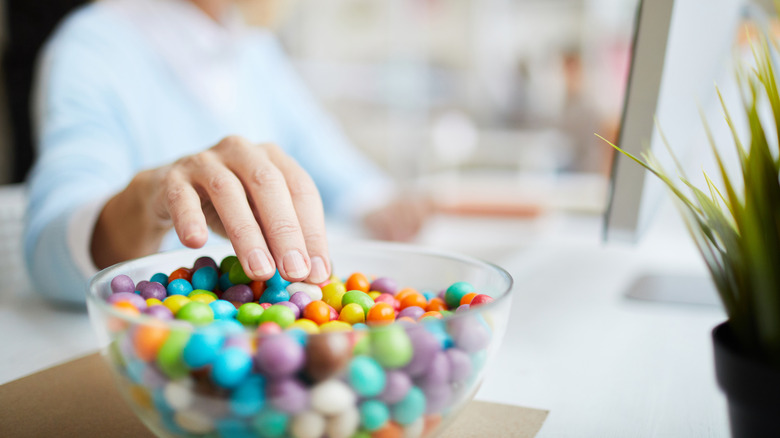
The shiny gloss of shellac is visible in art galleries, makeup stores, and confectionery shops. Yet, in all three spots, it mostly goes unnoticed. People rarely walk into stores and ask questions about shellac content. Why? It's too gross to advertise. For instance, you'll probably never hear a jelly bean company bragging about its gleaming shellac, even though most jelly beans contain the ingredient.
Shellac is a resinous substance secreted by lac bugs to protect their eggs. The bugs consume gooey tree sap first, then convert it to shellac internally. When the secretion occurs, air instantly hardens the goo into bulbous cocoons. Workers then harvest the tiny bulbs and melt them down into shellac. Ideally, the process removes every last trace of the bugs.
Food-grade shellac is often called confectioner's glaze. In addition to jelly beans, it's also found in chocolate, candies, and ice cream cones. Occasionally, it's sprayed on avocados and citrus fruits, such as oranges, to prevent drying out, as it's insoluble in water and can form a protective coating.
7. Isinglass

Isinglass is an ingredient that can cause trouble for unwitting vegans. Animal products lurk in surprising places (we see you castoreum), but many people assume that beer is naturally vegan. After all, the ingredients that get all the attention are water, yeast, hops, malt, and barley. However, there are plenty of non-vegan beers, and many of them are clarified with isinglass, also known as fish bladder collagen. Isinglass is also used to clarify wine.
After fermentation, beer and wine appear cloudy until unwanted particles settle. Using isinglass makes the filtration process much more efficient, but isn't exactly appealing to vegetarians or vegans. This fact, combined with the perceived cruelty involved in its production, is prompting brewers and winemakers to adopt alternative clarifying methods. There are synthetic options as well as natural ones, like pea protein. Another vegan solution is to just accept hazy beer.
8. Vanillin
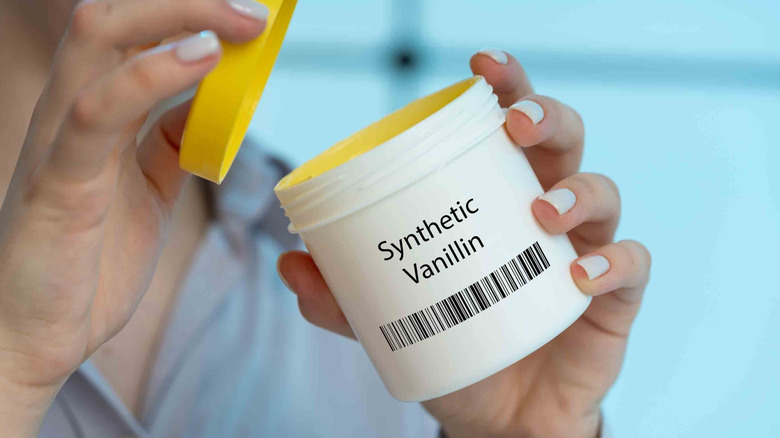
The sweet smell of vanilla is everywhere if you look for it, from grocery store aisles to hotel lobbies. Sadly, real vanilla isn't quite so common. Real vanilla is a luxury product that was more valuable than silver as recently as 2018. The flavor extract commands sky-high prices because of how difficult it is to procure. Vanilla plants require specific conditions to grow, plus intensive, time-consuming cultivation.
There's nothing unappetizing about vanilla except its cost and limited availability. What's hard to swallow is vanillin, an artificial substance made from petrochemicals or wood pulp. Yum! The petrochemical-to-vanillin process was perfected in the '70s and is now the primary source of artificial vanillin. Wood pulp used to command the artificial vanilla throne, but its use dropped sharply in the '90s as papermakers sought to reduce waste. Now, some are trying to bring it back, believing that natural wood pulp is more sustainable than synthetic petrochemicals.
9. Diatomaceous earth
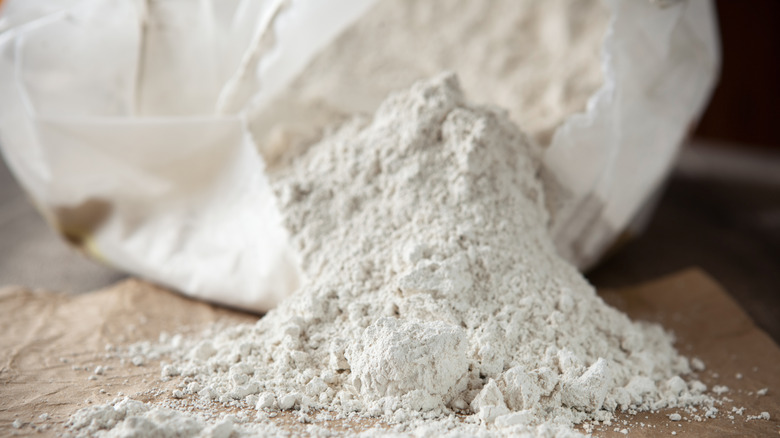
Diatomaceous earth is a bit harder to pin down than the other ingredients on this list. Its origin isn't a mystery. Diatomaceous earth is natural sand composed of fossilized creatures called diatoms. What's less clear is when diatomaceous earth is in your food. The other items we've mentioned are listed on ingredient labels or tied to specific foods, à la L-cysteine and bread. Diatomaceous earth's food-grade purposes are much broader.
You might run into it being used as a thickener in beverages and candy. Bread companies may take advantage of diatomaceous earth's moisture-absorbing abilities and use it for preservation purposes. Powdery mixtures, such as flour, sometimes depend on diatomaceous earth as an anti-caking agent.
Food-grade diatomaceous earth is also an insecticide. The same day you consume the sandy diatoms at breakfast, you could sprinkle the substance by your doorway to catch cockroaches or crickets. The contrast is jarring, and becomes even more so when you think about diatomaceous earth's many other uses. It's found in rubber, paint, windows, and ceramics. It's even become popular as a health supplement that supposedly treats everything from poor digestion to bone health, although there are almost no studies supporting this idea.
10. Koji
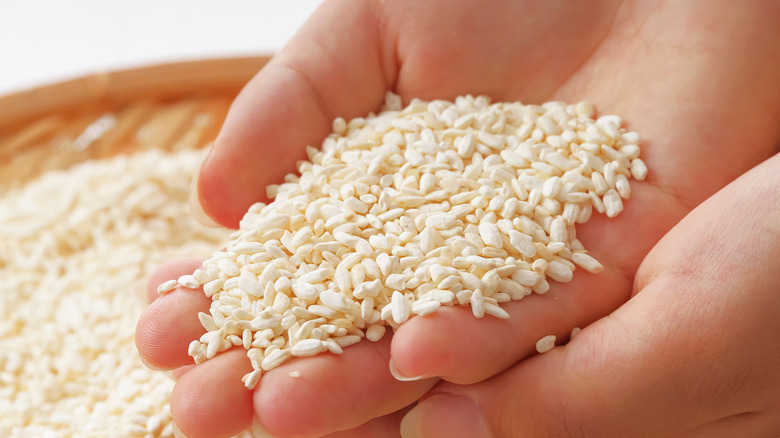
Some of the umami flavor that erupts when you bite into chewy gyoza dipped in soy sauce, or sip salty miso soup, comes from mold. It's called koji, and it's an ingredient in multiple essential Asian kitchen staples. Koji officially refers to Aspergillus oryzae (koji-kin in Japanese) or a cooked grain or legume cultured with Aspergillus oryzae spores. Koji rice is one of the most common versions, and it's often the flavor force behind mirin, sake, and pickled vegetables.
Creating koji usually starts with mixing the mold into steamed rice or soybeans. The mixture then rests in a warm room for two days while the mold propagates. Koji is typically used as a fermentation starter, instead of something you consume on its own. The next step depends on what you want to make. For example, to make sake, you mix even more rice into your koji. After the koji turns the carbs into sugar, you can initiate yeast fermentation and alcohol production.
11. Bone char
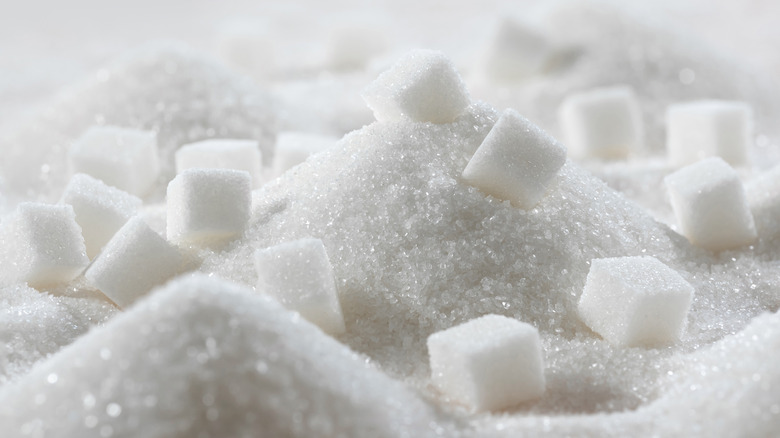
Here's a dirty little secret about cane sugar: it's not actually pure white. The classic snowflake hue comes from bone char processing. And yes, that's exactly what it sounds like. Sugar isn't quite as vegan-friendly as it seems. According to PETA, selected cow bones go on a multi-country journey before ending up in U.S. sugar factories. The bone char filters out undesired material and lightens the sugar's appearance.
Bone char opponents who are simply creeped out by the idea of consuming bits of skeleton have nothing to worry about. Table sugar is so refined that there are no bones left in the product by the time it's sold. It's even certified kosher. The purity loophole doesn't help vegans, however. Refined cane sugar is not vegan-friendly if it's processed with bone char, even if 0% of the bone particles make it onto the final product.
Fortunately, no one has to give up sugar (at least, not because of bone char). There are multiple vegan-friendly filters that sugar companies can use, and you can try options like sugar made from sugar beets. Beet sugar doesn't need such intensive filtration.
12. Maggots
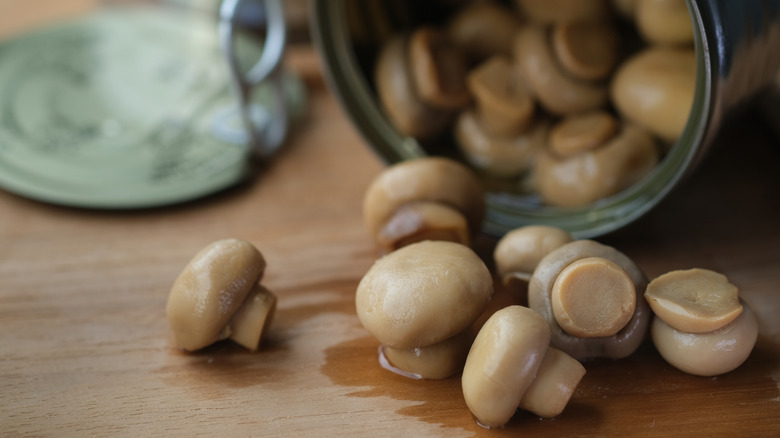
In horror movies, maggots squirming on food is a pretty solid sign that something's terribly wrong. Mushroom canneries operate under a different rule. Seeing multiple white bugs wriggling on mushrooms indicates nothing more than business as usual. The U.S. Food and Drug Administration (FDA) allows a whopping average of "20 or more maggots of any size per 100 [grams] of drained mushrooms and proportionate liquid." The FDA loosens the regulation even more for dried mushrooms, allowing an average of "20 or more maggots of any size per 15 [grams] of dried mushrooms."
There are an unknown number of maggots turning your mushroom cans into bug swimming pools right now. Yes, this is gross, and yes, the government believes it doesn't matter. The maggots are legal because they're harmless, and it's apparently not plausible to get rid of them. They also contain some nutrients, so devouring a few maggots may actually be a good thing for your diet — as long as you don't think about it for too long.
13. Azodicarbonamide

Everything's connected, even your grocery store bread and yoga mat. As it turns out, the same chemical that gives yoga mats their spongy texture also gives bread its puffy appearance. That multi-use chemical is called azodicarbonamide, and it's received a lot of attention in the last decade. The overlap between yoga mat and bread ingredient lists is unnerving, but naysayers are also worried about health effects.
When azodicarbonamide is exposed to high temperatures, such as when it's baked, it produces urethane and semicarbazide. The National Toxicology Program considers urethane to be a probable carcinogen, while semicarbazide (SEM) has shown troubling effects in rats according to a study published in Chemico-Biological Interactions.
The FDA maintains that azodicarbonamide is safe. The department emphasizes that negative azodicarbonamide studies were conducted on animals, and adverse interactions with SEM were observed only at levels far higher than those humans consume. However, it continues to reexamine the evidence. As of August 2025, azodicarbonamide is one of the chemicals under review by the FDA.
14. Sorbitol

Sorbitol is another ingredient that seems perfectly normal at first. It's a sugar alcohol that acts as a sweetener. It's both naturally occurring and commercially manufactured. Sorbitol is often used to sweeten diet drinks and desserts as it contains fewer calories than regular sugar, but it sometimes also appears in classic treats, too. For example, some companies use sorbitol as one of the main ingredients in candy corn.
Most people can consume small doses of sorbitol with no noticeable effects. For them, problems arise when they eat too much of it. More than 5 grams of sorbitol can trigger stomach cramps and diarrhea. Some people don't even have that much leeway and can't have sorbitol at all because they're far more sensitive than average and experience gastrointestinal upset after consuming small amounts.
According to Jee-Yon Lee, an assistant project scientist in the UC Davis Department of Medical Microbiology and Immunology (via UC Davis Health), this is because "an impairment in the microbial ability to break down sorbitol causes sorbitol intolerance." Lee's team conducted a study proving that sorbitol intolerance may be curable. So, should you buy that sorbitol-sweetened gum or cupcake? Diarrhea is a gnarly potential consequence, but at least you likely wouldn't have to suffer from too much else.