

The Once-Popular Ketchup Variety Made From Nuts, Not Tomatoes

These days, the word ketchup is synonymous with a red plastic squeeze bottle of crowd-pleasing tomato-based sauce that, arguably, belongs on everything (at least in America). However, as anyone who's enjoyed fruity Philippine banana ketchup is well aware, the beloved condiment certainly doesn't have to be prepared with tomatoes. The term ketchup came into use in the late 17th century, and it has historically referred to a wide range of flavor-enhancing dips, sauces, and condiments (there is a difference).
Case in point: walnut ketchup, a tart, nut-based sauce that was particularly popular in the 19th and early 20th century in the United States and Great Britain. This unique condiment is typically made from unripe green walnuts, vinegar, onions, and a mix of seasonings and spices. That's right, not a tomato (or a sugary sweetener) in sight. The resulting acidic, piquant sauce is much thinner and tarter than the sweet, squirtable tomato ketchup that pairs so perfectly with french fries. In fact, despite its name, walnut ketchup is often compared to umami-packed Worcestershire sauce, which you're probably pronouncing wrong.
How to make walnut ketchup
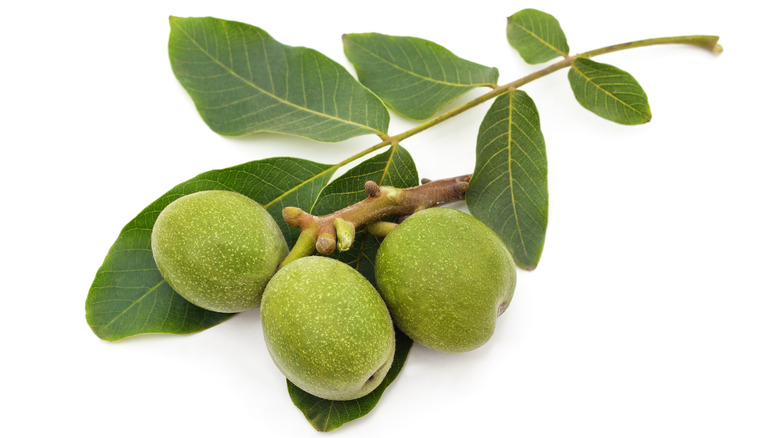
There's a plethora of walnut ketchup recipes available online, but the basic formula is simple and forgiving: pickle some chopped unripe green walnuts in vinegar and salt for eight to 10 days, and then strain and boil the liquid with your preferred spices and seasonings (onion, pepper, nutmeg, cloves, and anchovies are popular options). Finally, strain it again, bottle it up, and enjoy the versatile sauce with everything from sandwiches to steaks to potatoes.
The most complicated part of making walnut ketchup is obtaining the unripe green walnuts — as you may have noticed, they're not for sale at your local Costco. These verdant nuts are simply regular walnuts harvested before the shell forms, typically from late May through June. If you have access to walnut trees, you can pick them yourself, and if not, you might find them at a local farm or farmers market. Walnut ketchup has largely fallen out of favor with the dominance of convenient mass-produced ketchup brands like Heinz (which is not America's best ketchup). However, this nutty condiment is a tart and tasty reminder that Americans can (and should) make room for non-tomato ketchups.