

The Right Way To Adjust The Taste Of Any Dish Like A Pro
In the world of home cooking, picking up a saltshaker and salting the bland-tasting food on your dinner plate is sort of like smacking a computer to make it function properly — it might work, but you shouldn't make a habit out of it. How, then, should you be fine-tuning a meal without that last shake of salt? We spoke to Scott Thomas, owner of The Grillin' Fools, about how best to adjust your food's flavor.
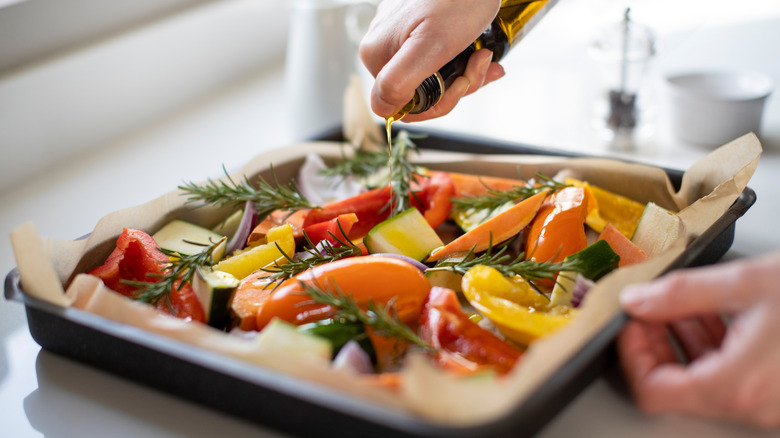
Thomas explained that you should be making adjustments before and during cooking with basic remedies like seasonings, herbs, fat, and salt. The fat "can be butter, bacon fat, tallow, heavy cream, depending on the dish." Seasoning can also mean a lot of things, so you have room to get creative; you can use taco seasoning for non-taco dishes like potatoes or breaded chicken, for example.
If your dish becomes too salty, Thomas says, "Adding rice or potatoes or something to absorb the salt works pretty well. Try countering with some sweetness if the dish can handle that." You might also try using dairy (but not cheese, which is itself quite salty) or simply adding more food to lower the overall salt ratio.
Earlier is often better with seasoning
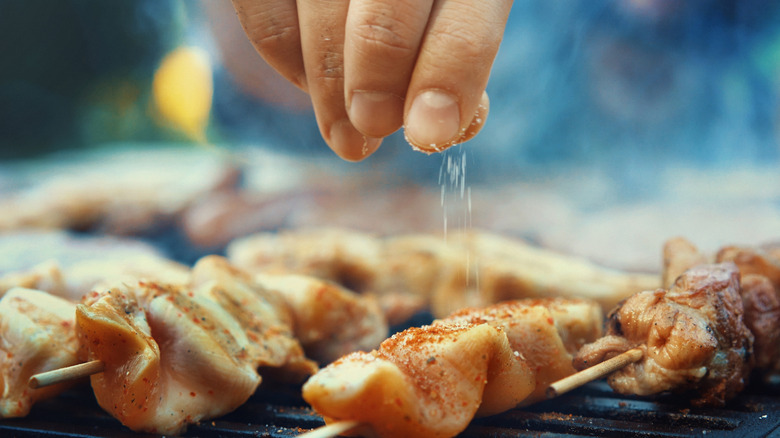
Most chefs insist that right at the end is the worst time to be messing around with flavor. That's why you should be adding seasoning before air-frying, grilling, or cooking most foods. Thomas agreed, saying you should "season early and don't go light. If you want that seasoning to shine through in the finished dish then lay it on." In most cases, you want to season early so you can adjust as needed while you still have control over the dish. When you season meat first or add salt to sautéed veggies early, Thomas explains, "the seasoning melds into the dish for maximum flavor."
Why does this work? Adjusting the flavor early gives the salt and seasoning more time to infuse with the ingredients, and you get a more robust flavor as a result. Adding salt during the cooking process (rather than afterward) also helps it spread evenly as it blends into the food over time. You don't get those intense flavors by salting at the end. Instead, the food just tastes salty. So, be smart when you're using all those store-bought spice blends by seasoning in advance. Once you get your salt-to-food ratio right, you may not need salt and pepper on the table at all. Thomas claims it's been over 20 years since his house has needed salt or pepper shakers.