

Food Waste In The US Costs $384 Billion And Consumers Are Mostly To Blame

As kids, I'm sure many of us remember being guilted into cleaning our plates (aka not leaving behind a trace of uneaten food). Little did we know how significant food waste truly is. In 2024, 29% of the 240 million tons of food produced in the United States went unsold or uneaten, reaching a whopping $384 billion in value. This is a staggering statistic, especially when 13.5% of Americans (or one in seven Americans) are food insecure. Farms, corporations, and restaurants share the blame, but it's actually consumers who contribute most to food surplus. This presents a dire need for behavioral changes.
Surplus food describes food that goes unsold or unused at a business or simply uneaten in a home, while food waste is uneaten and inedible food which ends up at various waste destinations. In 2024 (the most recent year for available data), food waste from consumers alone tallied $259 billion and measured over 45% of surplus food. The average American consumer spent $762 on food they didn't eat in 2024, amounting to $141 billion wasted by the public. (This includes uneaten groceries and restaurant plate waste.)
Across all sectors, produce, prepared foods, and dairy and eggs held the top three positions for most surplus food — a shocking result due to the rise in grocery prices. While inedible food parts such as trimmings and byproducts are the top cause of surplus food, consumers also wasted food because it spoiled or they considered it inedible.
A deeper dive into consumer food waste
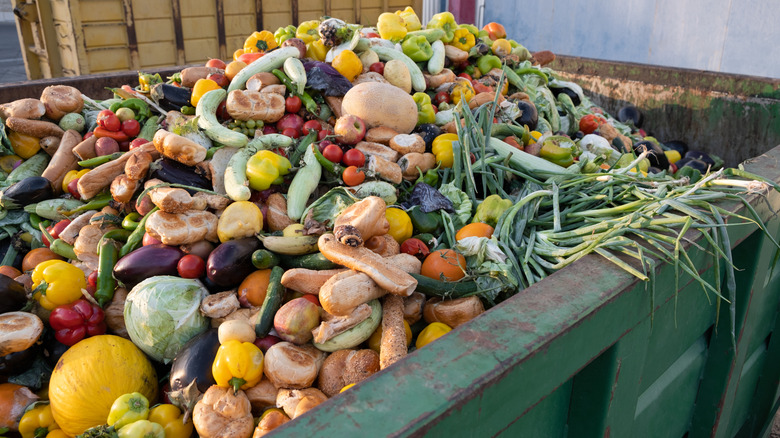
Without realizing how much food they waste, consumers blindly invoke harm on both individual and communal levels. Wasted food wastes the labor, resources, and energy expended by food production, causing unnecessary harm to the environment. Additionally, reducing food waste benefits consumers financially. With better prevention and consumption habits, a family of four could save up to $56 each week.
Consumers ignorantly waste salvageable food in part due to a lack of food education. One reigning cause for consumer food waste is misunderstanding date labels. I'm sure we've all seen food at the grocery store with labels like "best by," "sell by," or "use by;" but do we really know what they mean? According to the U.S. Department of Agriculture, these labels indicate food quality rather than food safety. More akin to recommendations from food manufacturers, date labels attempt to aid consumers in quality identification. In fact, many foods are still safe to eat after the date on the label passes. One should only begin to be wary once spoilage is evident through inspection with your five senses.
Another leading cause for consumer food waste is improper storage techniques. Refrigerators can be hard to decipher, but poor storage causes quicker spoilage for refrigerated goods. Understanding what foods to store in the refrigerator and what areas of the fridge to store them in will prolong the lifespan of your food. At the same time, consumers may look at a bruised piece of fruit or a wilted bundle of greens and assume it's inedible when it's actually fine. Striving for perfection in food can also lead to unnecessary waste.