

The Biggest Difference Between A Winery And A Vineyard
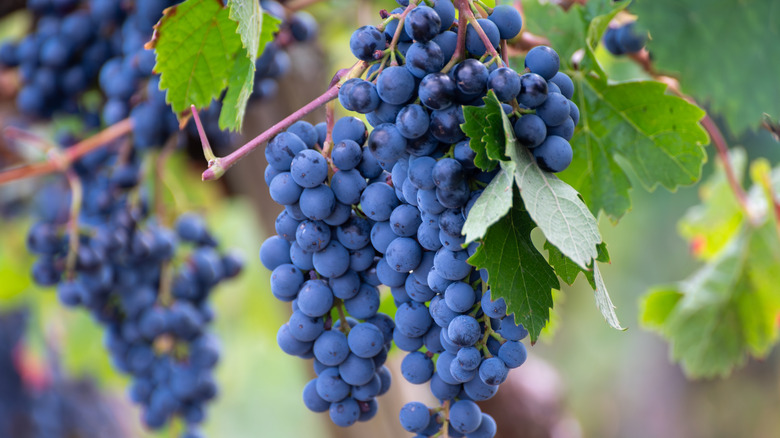
When wandering through wine country in the Napa, Willamette, or Columbia Valleys, the sheer number of wine-related adventures that await you can be overwhelming. If you're new to tasting, the terminology and etiquette can be daunting, even down to understanding the difference between a vineyard and a winery. Luckily, there's a simple answer, and it has to do with the functions of each type of establishment.
Vineyards are pieces of land where grapes are grown. They may be sprawling expanses or single-acre plots. On the other hand, wineries are where wine is made and processed, but not necessarily where their grapes are grown. At wineries, grapes are sorted, crushed, mixed, aged, and bottled into the wine that we drink. Sometimes, these wineries are on properties in completely different regions or even states from the vineyards where the grapes come from, and the fruits can come from multiple producers.
Just because these are two different wine-related operations doesn't mean there isn't overlap. Many wineries exist on the same property as a vineyard, so they use either "winery" or "vineyard" in their name. Considering the stunning number of grapes it takes to make a single bottle of wine, it makes sense for these facilities to be on the same property. However, some wineries don't own a vineyard, just as some vineyards have no winery and are focused solely on growing fruit. In fact, about 15% of vineyards in California are non-estate, meaning they are not owned by a winery at all (per The 2022 Economic Impact Study of the California Wine Industry). Most often, wineries use a combination of grapes from other vineyards and their on-site, estate-grown ones, if applicable.
What to look for when you want to do some wine tasting
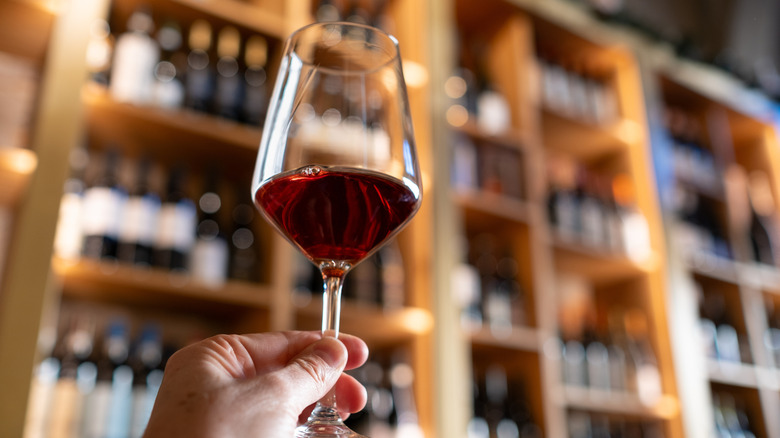
One common wine tasting mistake people make is not fully researching the venue. Although vineyards and wineries are indeed different operations with different purposes, the terms are still sometimes used interchangeably in names and on labels. This can be confusing for those seeking the intimacy of a small, family-run winery experience while driving through wine country. Just know that if the sign says the place is a "vineyard," you're less likely to find a tasting room there than if it says "winery."
On the other hand, if you're expecting a tour through endless rows of grapevines on a crisp afternoon, you may be disappointed to find that the winery you stop at is just a winemaking facility with an attached tasting room. This can occasionally happen when a stand-alone winery uses the word "vineyard" in its name. These places can still offer wonderful tasting experiences, but researching the winery or vineyard beforehand is key to ensuring you'll get the experience you're looking for.
Whether you're visiting a winery or a vineyard, it's also important to see if wine tastings are private or only available during certain times. Many small, boutique tasting rooms not directly associated with big-name wineries do tastings by prior appointment only, so drop-ins won't be welcome. Some establishments may even prefer to only do tastings for their supporters or those looking to purchase their grapes or wines commercially. That being said, there are plenty of hidden gem wineries and well-known brands alike that have tasting rooms open to the wine-loving public.