

12 Things You Need To Know Before Dining At A Supper Club

As a chef, starting a supper club has crossed my mind more often than I would like to admit. The very concept intrigues me. If you are wondering what exactly is a supper club, I'm here to tell you that things have evolved a lot from the classic Midwestern concept of a cross between a restaurant and a bar. Supper clubs today are usually intimate gatherings, more often than not held in people's homes, offering a blend of casual atmosphere and elevated food.
What attracts me the most to the idea of a supper club is its real sense of community. The experience harks back to the days of traditional hospitality, where cooking for people meant making a connection. Plus, in their modern avatars, supper clubs offer an exciting freedom to experiment without the pressure of a fixed menu. Imagine a space where one has a chance to cook (and eat) something new every time, while experiencing the joy of feeding people who didn't walk in by accident but chose to be there.
As hosts open up their spaces, if expectations from both sides are misaligned, the magic of a special night out can fall dangerously flat. From understanding the format, to respecting the host's vision, there are some rules everyone should follow to ensure mutual respect, and shared curiosity. If you are thinking of booking your first seat at such a table, knowing what to expect — and what's expected of you — can make or break an unforgettable night.
You're dining in someone's home, not a restaurant

I think the most important point to remember when attending a supper club is that, usually, it involves stepping into someone's personal space. This is not a restaurant. There is no professional kitchen in the background with staff churning out dishes, and resetting tables between courses. Even if the event is polished and elegant, the foundations are cozy and domestic.
The flow of the evening is shaped by human hands rather than a flawless system. And while a good supper club will still run with expertise, and finesse, dining in someone's home creates an intimacy that is hard to replicate. When it comes to the pace of the evening, depending on space, and capacity, the host will likely be juggling multiple tasks — so when the food arrives, it is generally best to dig in versus waiting.
Most supper clubs operate on a fixed menu, which is planned and advertised well in advance. This means that you eat what is served. Don't come expecting last-minute requests or substitutions. If you are adventurous, and open to being surprised, this is part of the charm. However, if you are a picky eater who prefers a more rigid schedule, and a greater sense of control as you would have in a restaurant setting, a supper club may feel uncomfortable rather than exciting. Once you accept the shift, though, the experience becomes infinitely more rewarding.
Service will be friendly, not formal

There's a mindset shift you need to make before dining at a supper club, and that is to understand that the service will err on the side of personal rather than professional. And that's a good thing! In fact, one of the best features of this experience is that supper clubs are built around human connection, and warmth. One signs up for a night eating with strangers, in someone's home, to feel well-fed, and taken care of in the most personal way. The person serving your food may be the host's partner, a close friend, or a volunteer helping out for the evening. Keep in mind that they are there because they want to be; these are not professionally trained hospitality staff following a service manual.
Go fully expecting to be asked to pass plates around the table, hand yours back when it is time to clear, or help yourself to water if everyone is busy. This should not surprise you or put you off. Unlike in traditional restaurants, where service is designed to be seamless, and largely invisible, supper club service is intentionally human. Many hosts interact directly with guests throughout the evening. You will have your dishes explained to you along with shared stories, and personal experiences. This level of access with a chef is rare, and should be met with the appreciation it deserves.
It's best to understand the menu in advance
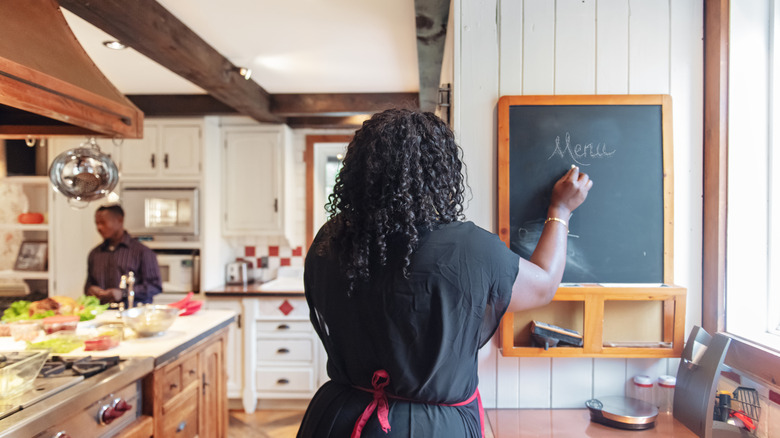
From pop-up cafes to pop-up bars, to pop-up cookie shops, pop-ups are constantly popping up (sorry, couldn't resist) these days. And I get it. It's all about the excitement of the new; the feeling that this won't be here for long, so you've got to go out, and get yourself a piece of the action. Supper clubs work on the same principle. Their menus reflect this exciting variety. From traditional Japanese chefs creating handmade sushi in front of you to mamas dishing out comfort food in their kitchens, supper clubs lean into exclusivity, with a dash of abundance.
Mostly chef-driven, supper clubs (like pop-ups) generally offer seasonal tasting menus, tightly curated around a theme or ingredient. Sometimes, personal stories are woven in. Courses may be smaller but more numerous, allowing for diners to take time in between to talk, and connect. However, an important point to note is that there is usually no flexibility once the menu is set. This is because the scale and logistics of a home kitchen do not allow for it.
This is why reading the event description matters. Some supper clubs are designed to be full evening experiences with multiple courses. Others are more focused, intimate tastings in a particular cuisine. Understanding the menu also means being honest with yourself. If you dislike long meals or communal dining, a supper club may not suit you at all.
Arriving on time is important

Unlike restaurants that run like clockwork thanks to an army of staff, supper clubs operate with the smallest of teams, generally with only a domestic kitchen at their disposal. Both space and equipment are typically limited. It's no surprise, then, that a supper club employs the tightest of operations, and a carefully timed service structure. All this to say that, if there is one rule that matters more than almost any other at a supper club, it is punctuality. When you arrive late, the entire rhythm of the evening is thrown off.
Arriving on time is the simplest way to show respect for the host, as well as for the other guests who have planned their evenings around the event. Courses are carefully designed, and arrive to the table meant to be eaten together. When everyone is present, conversations can unfold naturally, but any delay can mean food sitting too long or being rushed out of sequence. If you do happen to be running late, a quick message to the host is a must, and will be appreciated.
Arriving early is no less intrusive. The host may be running around with last-minute adjustments, and things to do. Turning up early, however well intentioned, can add pressure at exactly the wrong moment. With supper clubs, it's best to aim to arrive from the stated start time, not before it — and definitely not much after.
BYOB rules: what to bring and why It matters

A home-based supper club will rarely hold an alcohol license, which means that wine, beer, and spirits cannot legally be sold during the event. For many, this is one of the biggest differences between a supper club and a restaurant, but it's not an unsurmountable one if you know how to navigate the situation.
Think of it this way: At a supper club, BYOB may mean "bring your own bottle," but it also translates to the assurance of having a genuinely good bottle of wine without the ridiculous restaurant markup. All you need is a quick visit to your favorite wine shop, and you are set for the evening ahead. Also, let's just say it, given the effort that goes into planning and cooking a supper club menu, bringing decent wine feels like the least you could do. Just make sure you bring enough to last the evening. Many supper clubs run for several hours, and running out halfway through can be awkward. Dining in a group of strangers doesn't exactly lend itself to dipping into other wine bottles at the table.
You can also go one step further, and arrive with mineral water, soft drinks, or mixers (or your own cups, if the new BYOC trend is to be believed!). If this is how you roll, don't fight it. Some supper clubs may charge a small corkage fee to cover glassware, and washing up, so always check ahead.
Sharing tables with strangers is part of the fun

There's a trend in modern dining that has already paved the way for the return of intimate supper clubs. The communal dining table is suddenly everywhere, whether you like it or not. At the very least, it gets you used to the idea of sitting next to people you have never met before — something a supper club is based upon. One of the defining differences between a supper club and a restaurant lies in this social expectation. In fact, conversation with a new set of people is what makes supper clubs so appealing.
Tables are usually shared, and the atmosphere is deliberately intimate. This closeness creates a natural opening for conversation, whether it starts with the food, the wine, or the simple fact that you are all strangers brought together for the same reason. Many hosts will tell you that the social aspect is as important as the menu. Over time, it is not uncommon for guests to exchange numbers, network for jobs, collaborate creatively, or even form deeper friendships. If you are booking as a group, and would like to sit next to friends, let the host know in advance, but remain flexible. The idea is to mingle. And, after all, food has a way of opening people up, turning strangers into something closer to friends by the end of the night.
You should be honest and realistic about dietary requirements

One of the fastest ways to derail a supper club for both the host and the other guests is if someone drops a last-minute dietary curveball. Unlike restaurants, supper clubs are planned weeks in advance; menus are intentionally crafted, and ingredients carefully sourced. Every aspect is choreographed down to the minute, and last-minute changes are rarely accounted for.
It can be difficult to enjoy dining out with severe food allergies, intolerances, or religious restrictions. But what can help both parties is clear communication. It is important that you inform the chef about any allergies before you reserve your spot, or as early as possible. Don't assume accommodations will be made automatically, and don't spring an extra request on a host hours before service. As a chef, I'm genuinely happy to cook for almost anyone. I enjoy the challenge. But some menus simply don't lend themselves to multiple interpretations without compromising the experience for everyone involved, especially when alterations are made at the last moment. When expectations are clear on both sides, everyone leaves happy.
Cancellations hurt more than you think

Reliability is an important part of the supper club experience. Unlike restaurant reservations that are open to last-minute cancelations thanks to walk-in traffic that absorbs the loss, supper clubs operate on tightly calculated portions, sourcing, and prep schedules. When you cancel on a supper club reservation less than 48 hours in advance, or (worse still) on the day itself, the host has to deal with finding a replacement guest or face some form of financial loss. In addition, not turning up can upset the careful balance of guests versus serving schedule. Even if you have paid in advance, supper clubs tend to operate close to dinner party etiquette rather than commercial restaurant rules.
If your plans do change, and cancelation is unavoidable, look into the option of sending someone else in your place instead. Many hosts are happy to adjust in such instances. When that is not possible, it is not unreasonable for the host to expect you to still pay for the ticket, as the cost of dinner still stands. In order to prevent any future disagreements, reading the cancellation policy before booking is always recommended.
Tips or gifts are customary

Not to endlessly drive the point home, but when you pay for a supper club, you are going to be welcomed into someone's home. If you would tip at even a mediocre restaurant, then you should definitely think about tipping at an event where the host has taken the time and effort to entertain you. A tip isn't just an obligation, but a meaningful way to acknowledge all the labour and care that went into making the evening special. That's why tipping — or offering a small, thoughtful gift — matters more than people realize. Even a modest amount can make the tight margins feel worthwhile.
If tipping seems awkward or clumsy, there are a number of unique hostess gift ideas that make for an ideal alternative. Your host would most likely be interested in food and drink, so something edible or useful is often more appreciated than flowers. Options like a bottle of wine, a favorite olive oil or sea salt, or even a box of chocolates can be genuinely memorable. The key here is the thought behind it.
Another way to show gratitude is to offer assistance. As the evening progresses, take your host's lead, and pitch in to help if you feel like it. If the host declines your offer, do not insist. Your effort will be appreciated nonetheless. Gratitude in any form, from a thank-you gift to a message after the event, or word-of-mouth recommendations, are all part of how supper clubs flourish.
Guests dress like it's a dinner party, not a takeaway

If you want to meet the vibe, and contribute to the atmosphere of the supper club you're attending, make an effort with your attire. No host is going to demand a tux or ballgown (unless that's the theme — then hell yeah, go for it!) but dressing well signals that this evening is different than just grabbing dinner with friends, or attending a casual meetup.
Paying attention to what you are wearing can set the tone for the evening before the first course even hits the table. As a host, I would encourage my guests to dress up. If life is giving you a reason to have fun, and wear the sparkly dress or the good suit, why fight it? Supper clubs offer permission to lean into the playful side of entertaining by merely participating in the mood of the evening. If no specific dress code is mentioned, err on the side of smart casual. Reach for what you would wear to a dinner party at someone's home. Extremely casual items such as hoodies, gym wear, and flip-flops should be avoided unless the host explicitly says otherwise. If you're unsure, ask. Hosts would much rather clarify expectations than have guests feel uncomfortable or underdressed.
Doing your homework before booking is wise

Don't tell me you don't check out online reviews, or have a read through the menu, before making a restaurant reservation. In the same way, conducting a bit of research before booking a supper club helps to ensure that the evening is enjoyable for everyone involved, including your host.
Start off by reading the information provided with the booking. Most supper clubs will clearly mention what kind of experience it offers. From the style of food to the format of the evening, the timing and the house rules, you should be able to read up on everything you need to know before you decide to attend. Along with this information, you can check any expectations regarding the dress code, BYOB details, cancellation rules, and payment policy. If something feels unclear, check the website or event page first, then reach out to the host. Spending ten minutes reading up on the event should answer most questions, and help you decide if the supper club is right for you.
It's also important to understand that supper clubs are usually adult experiences. They are designed for long meals, crammed with conversation at a relaxed pace. I hate to be the bearer of bad news, but this isn't the place for your children. As one group chat thread on Facebook succinctly puts it: "Book a sitter, order the kids a pizza, and enjoy the evening properly."
Good manners make the night enjoyable for everyone

Whether the supper club in question features casual, communal eating, or a more formal dining approach, everyone has paid to be there, so pay heed to basic manners and niceties. If you are dining in someone's personal space, treat it with the same respect you would expect in your own home. This means no wandering away from the main dining area, snooping into other rooms, or commenting loudly about decor or (even worse) cleanliness. If you must, save those remarks for the taxi ride home. When it comes to helping out, follow the host's lead. If people are encouraged to pitch in, and help serve or clear the table, feel free to assist. If the host declines any help or prefers guests to not crowd the kitchen, remember that too many hands can create stress rather than help. Always ask first; every host has their own rhythm, and comfort level.
If, over the course of the evening, something has not met your expectations, speak to the host privately, and at the earliest convenience. Alternatively, you could follow up the next day with your gripe. What's not okay is smiling all evening, and then publicly tearing the experience apart online. Most hosts would rightly be mortified by that, and keen to make things right in order to keep their reputation intact. Treat complaints delicately, and with empathy.